
对于比较多个冷藏食品系列包装的买家,同样的材料、封口和处理检查也适用于 一次性寿司托盘 由超市、餐厅和外卖柜台使用。.
引言
安全纸杯 依赖不仅仅是纸壁。完整的杯子可能包括纸板、内部隔离涂层、缝合胶、印刷油墨和一个单独的盖子。每个组件都必须适合饮料、服务温度、接触时间和目标市场。.
咖啡馆、餐饮服务商、办公室和餐饮分销商因此应比较结构和使用条件的文件,而不仅仅是杯子大小或外观。本指南解释了纸杯材料、冷热饮选择、微波炉限制、定制印刷、环保声明和批发检查。.
纸杯由什么材料制成?
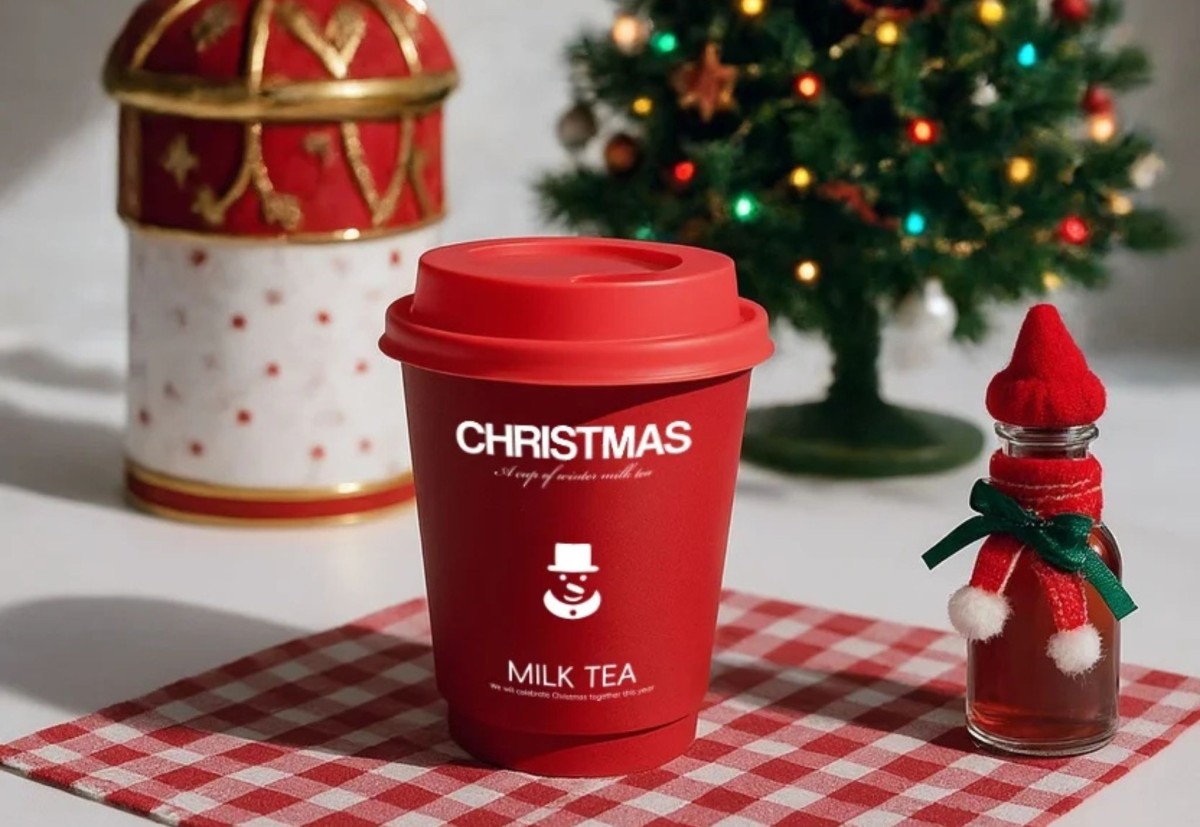
典型的一次性纸杯使用成型纸板,内有一层薄的隔离层。隔离层有助于杯子在预期的使用期间抵抗液体。根据产品不同,可能使用聚乙烯、其他聚合物涂层或不同的隔离系统。.
单独的盖子可能使用PS、PET、PP、纸或其他材料。盖子材料的耐温限制可能与杯子不同。买家应要求提供完整组件清单,而不是仅接受“纸杯”作为全部规格。.
Manluen的 杯子范围 目前包括冷热饮用的纸杯。买家可以在索取样品前比较杯体、盖子选项、尺寸、纸箱包装和预期用途。.
纸板、涂层、油墨和盖子都很重要
纸板
当装满液体时,纸板必须提供足够的刚性。杯壁厚度、成型质量、边缘形状和底部结构影响手感和使用性能。请索取供应商使用的基重或其他材料规格。.
隔离涂层
未经处理的纸张会吸收液体。内部隔离层减缓这一过程,有助于保护接缝。其适用性取决于饮料和温度。用于冰果汁的杯子可能采用不同的结构,而非用于热咖啡的杯子。.
印刷油墨和粘合剂
定制图案会引入油墨、涂层和粘合剂到成品中。确认印刷系统是否适合杯子设计,并确保印刷不延伸到应避免直接接触口腔或饮料的区域。.
盖子
盖子必须与边缘直径和预期饮料匹配。检查闭合力、吸饮开启、吸管开口、通风、堆叠和温度限制。制作精良的杯子配错盖子仍可能在外带服务中漏水。.
按饮料和服务选择杯子
| 用途 | 实用功能 | 购买前的检查 |
|---|---|---|
| 浓缩咖啡或品鉴 | 小尺寸,稳定底座,易于堆叠 | 填充容量,边缘舒适度,分配器适配 |
| 热咖啡或茶 | 热饮结构与匹配的吸嘴盖 | 表面温度,缝隙,盖子贴合,标注温度范围 |
| 冰饮 | 冷饮隔热层与盖子或吸管选项 | 冷凝水,壁面刚度,吸管开口,杯托适配 |
| 大型外带饮品 | 加固结构与安全盖 | 底座稳定性,携带测试,满杯堆叠政策 |
| 品牌活动服务 | 可印刷表面与一致色彩 | 艺术区域,墨水系统,色差容忍度,交货时间 |
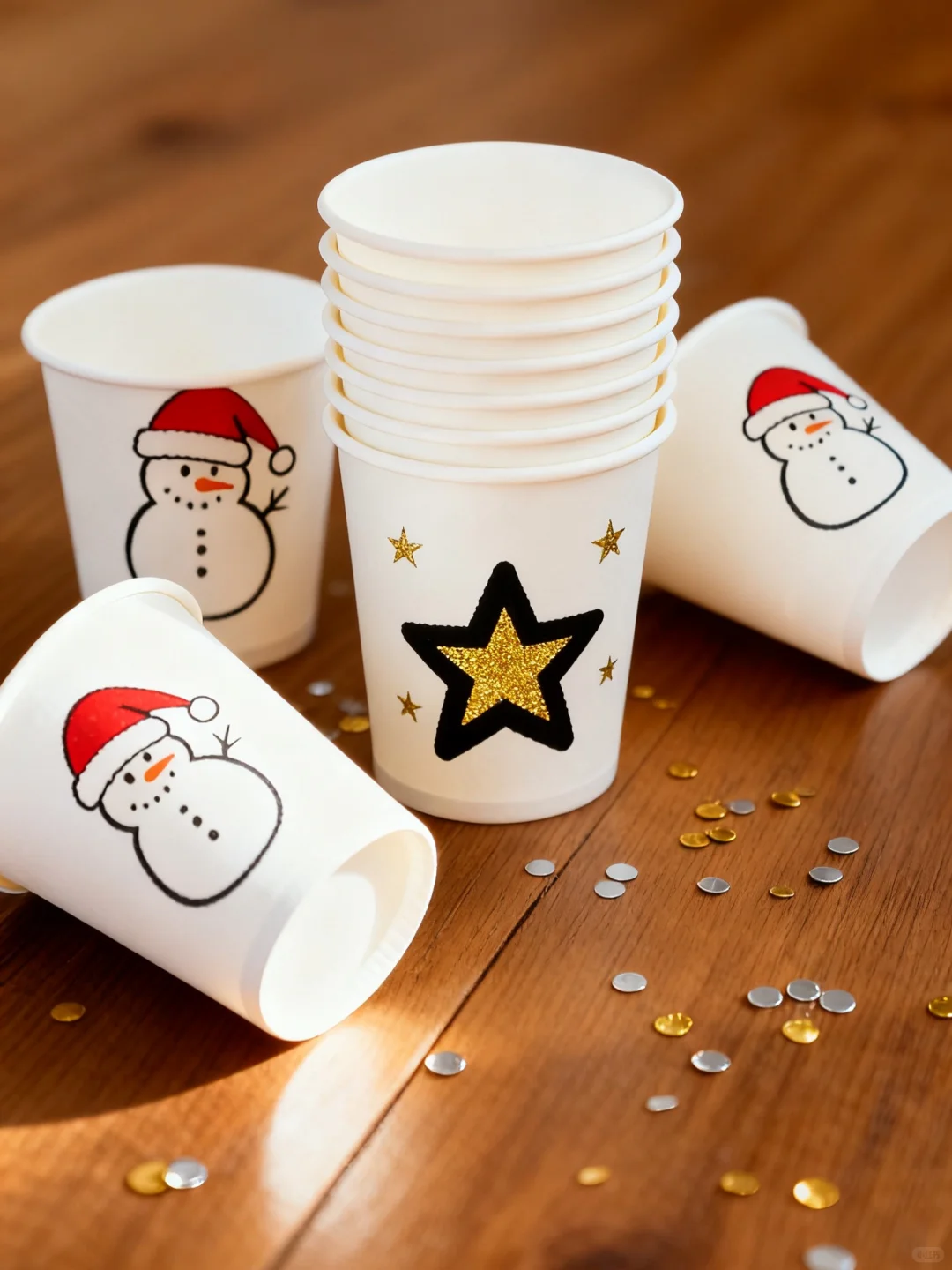
不要仅凭盎司选择杯子。确认满边容量、实际供应容量、边缘直径、高度、底部直径、盖子兼容性及每箱件数。同一标称容量可以采用不同形状或盖子系统。.
满轮纸杯尺寸
Manluen的 一次性纸杯范围 列出四个尺寸:
- WL-8盎司: 89 × 58 × 82 毫米,标注容量为 300 毫升
- WL-10盎司: 89 × 58 × 92 毫米,标注容量为 350 毫升
- WL-12盎司: 89 × 60 × 112 毫米,标注容量为 400 毫升
- WL-16盎司: 89 × 60 × 135 毫米,标注容量为 500 毫升
产品页面列出每箱1000个,并描述有纸质底座和PS或PET盖子选项。请在报价中确认所选杯子、盖子、涂层及温度条件,因为范围包括多种尺寸和组件选择。.
热饮安全与处理
热饮杯应作为一个完整系统进行评估。用实际饮料在正常供应温度下填充样品。持杯在预期使用期间,盖上盖子,放在普通托盘或袋子中携带,并检查侧壁、接缝、底部、边缘和盖子。.
单层杯即使盛放正确的饮料,也可能感觉很烫。企业可能需要使用套套、双层结构或降低供应温度。不要将杯子描述为防烫。员工培训和明确的操作指示仍然很重要。.
Can You Microwave a Paper Cup?
Do not microwave a disposable paper cup unless the manufacturer clearly labels the exact cup for that use and provides written instructions. Heat can affect the coating, adhesive, ink, seam, and lid. A cup designed to receive a hot drink is not automatically designed for microwave heating.
For reheating, transfer the drink to suitable microwave-safe tableware unless the cup’s instructions say otherwise. This avoids relying on the paper appearance or recycling symbol as a safety test.
Food-Contact Compliance for Paper Cups
中国
In the United States, paper and paperboard food-contact components appear in 21 CFR Part 176. Coatings, adhesives, polymers, colorants, and other components may rely on other regulations or authorizations. FDA guidance states that the regulatory status of a finished material depends on the status and intended use of its individual components.
Ask for the material specification, regulatory basis, and relevant test or compliance documents for the exact cup and lid. The documents should cover the beverage type, temperature, and contact time. Manluen’s guide to food packaging authorization explains why a general “FDA approved” claim is not enough.
欧洲联盟
Regulation (EC) No 1935/2004 provides the general EU framework for materials intended to contact food. Plastic lids and plastic layers may also fall under material-specific rules, including Regulation (EU) No 10/2011 where applicable. Paper-specific requirements can also vary by national market.
Request documentation that identifies the paper cup, coating, ink, adhesive, and lid rather than a report for an unrelated plastic container. Buyers can review Manluen’s certifications and testing information, then request the documents for the selected SKU.
PFAS and Grease-Resistance Questions
PFAS have historically been used for grease resistance in some paper and paperboard food packaging. In the United States, the FDA announced in 2024 that substances containing PFAS used as grease-proofing agents for paper and paperboard food packaging were no longer being sold into the U.S. market. In January 2025, the FDA determined that 35 related Food Contact Notifications were no longer effective.
For paper cups and lids, ask for a current product-specific PFAS statement when the destination market or customer requires one. Do not assume that “paper” alone answers questions about coatings and treatment chemicals.
Environmental Claims Need Qualification
A paper cup is not automatically recyclable, biodegradable, or compostable. Coatings, lids, inks, adhesives, food residue, and local collection systems affect disposal. The cup and lid may also need to be separated.
The FTC Green Guides advise businesses to support environmental claims with reliable evidence and qualify them when necessary. A compostable claim should identify whether industrial facilities are required. A recyclable claim should reflect realistic access to collection and processing.
Buyers comparing paper, plastic, and fiber options can use Manluen’s food packaging material comparison 和 sustainable packaging supplier guide.
Custom Printed Paper Cups
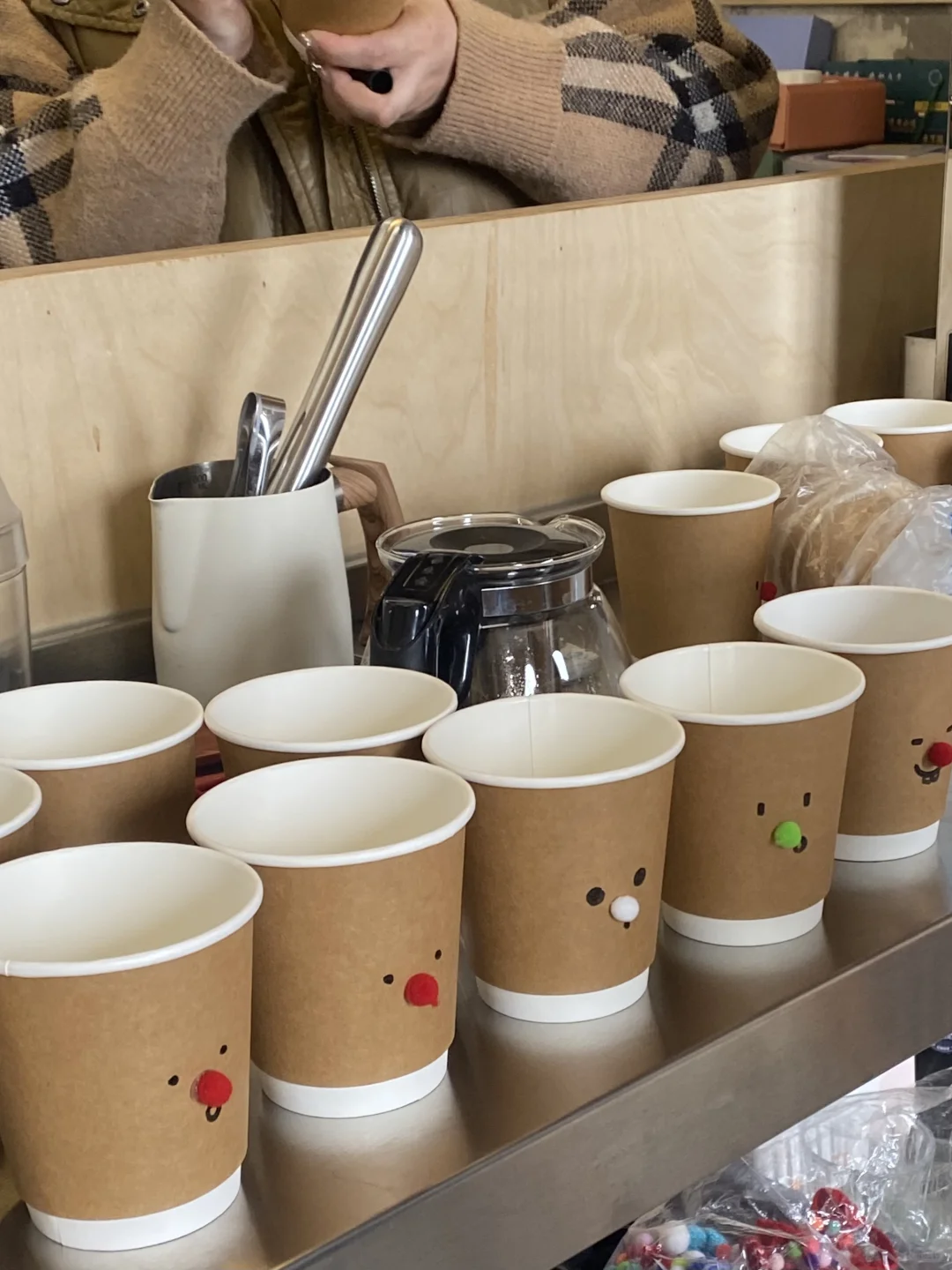
Custom cups can carry a logo, drink name, campaign message, handling instruction, or disposal guidance. Good artwork must fit the tapered cup shape and leave suitable clearance around the rim and seam.
Before production, confirm:
- Printable area and template
- Number of colors and printing method
- Ink and coating specifications
- Pantone or other color reference
- Registration and color tolerances
- Artwork approval process
- MOQ, setup charges, and lead time
Approve a physical sample when color and branding are important. Screen previews do not reproduce paper color, ink absorption, gloss, or seam alignment accurately.
Use a Purpose-Built Container for Other Foods
A beverage cup should not replace every small food container. Condiments and sauces are better suited to dedicated sauce cups. Takeaway soup or deli food may need a rigid container such as the C-16 16 oz deli container or the smaller C-8 8 oz container, depending on the food and use conditions.
This separation helps staff use packaging as intended and gives buyers clearer compliance documents for each application.
Wholesale Paper Cup Buying Checklist
- Drink type and normal serving temperature
- Practical fill volume and cup dimensions
- Paperboard and barrier-coating specification
- Lid material, rim fit, and opening design
- Food-contact documents for the destination market
- Leak, seam, carrying, and temperature sample tests
- Pieces per sleeve and carton
- Carton dimensions and total freight volume
- Printing method, artwork limits, and color tolerance
- MOQ, lead time, payment, and inspection terms
For another detailed review of coatings, cup sizes, and supplier checks, see Manluen’s guide to safe materials for disposable paper cups. When the specification is complete, request samples and a wholesale quotation.
常见问题
Are paper cups safe for hot drinks?
They can be when the exact cup is designed and documented for the intended beverage temperature and contact time. Check the cup, coating, seam, ink, and lid rather than relying on the word “paper.”
Are paper cups plastic-free?
Not always. Many paper cups use a polymer barrier, and the lid may be plastic. Ask the supplier for the complete material breakdown before making a plastic-free claim.
Can paper cups be recycled?
Acceptance varies by coating, contamination, and local recycling infrastructure. Give disposal instructions that match the target market and avoid an unqualified claim when collection is limited.
What is the MOQ for custom paper cups?
MOQ depends on cup size, coating, lid, printing method, color count, and artwork. Stock cups may support smaller trial quantities. Request written quantity tiers for the exact configuration.
What documents should a buyer request?
Request the cup and lid specification, material breakdown, regulatory basis, relevant test or declaration, intended conditions of use, and lot-traceability information.
结论
Safe paper cup purchasing starts with the complete construction. Match the paperboard, coating, lid, and printing system to the drink and serving temperature. Test samples under real service conditions and verify product-specific documents before placing a wholesale order.
来源与延伸阅读
Electronic Code of Federal Regulations. 21 CFR §176.170, Components of Paper and Paperboard in Contact with Aqueous and Fatty Foods. Used for the U.S. regulatory context for specified paper and paperboard components. eCFR
U.S. Food and Drug Administration. Determining the Regulatory Status of Components of a Food Contact Material. Used for component-level authorization and intended-use checks. U.S. Food and Drug Administration
U.S. Food and Drug Administration. Authorized Uses of PFAS in Food Contact Applications. Used for the U.S. status of PFAS grease-proofing uses in paper and paperboard food packaging. U.S. Food and Drug Administration
Federal Trade Commission. Environmental Claims: Summary of the Green Guides. Used for recyclable, compostable, degradable, and general environmental marketing claims. Federal Trade Commission
European Commission. Food Contact Materials Legislation. Used for the EU framework under Regulation (EC) No 1935/2004 and material-specific rules. European Commission

万联塑料包装公司专业生产塑料食品包装已有 20 多年的历史。我们的产品由 100% 原生和不含双酚 A 的 PP、PS 和 OPS 制成,符合 FDA 和欧洲标准。
 ZH
 EN
 FR
 PT
 ES
 KO
 JA