
Introduction
The global shift toward sustainable food packaging has accelerated dramatically in 2026, driven by both regulatory pressure and consumer demand for eco-friendly solutions. According to industry projections, the eco-friendly food market is forecasted to expand from USD 228.84 billion in 2026 to USD 419.65 billion by 2035, representing a compound annual growth rate (CAGR) that underscores the urgency of this transformation. This comprehensive guide explores the key trends shaping the sustainable landscape and provides actionable guidance for businesses seeking to partner with responsible eco-friendly suppliers.
For food service businesses, restaurants, and packaging distributors, understanding these trends is no longer optional—it is essential for maintaining competitive advantage and meeting evolving customer expectations. Whether you are evaluating your current supplier or seeking a new partner, this guide will help you navigate the complexities of sustainable procurement.
Key Market Insights
| Metric | Value | Trend |
|---|---|---|
| Market Size 2026 | $228.84B | Growing |
| Projected 2035 | $419.65B | +8.3% CAGR |
| Consumer Preference | 67% prefer eco-friendly | +15% YoY |
| EU Regulation | Strict enforcement | Active |
Why Sustainable Packaging Matters in 2026
The business case for sustainable food has never been stronger. Several converging factors are driving this shift:
Regulatory Pressure
Governments worldwide are implementing stricter environmental regulations. The European Union’s Packaging and Waste Directive now mandates that all food be recyclable by 2030. In the United Kingdom, the Plastic Tax applies a £200 per tonne levy on with less than 30% recycled content. These regulations are forcing businesses to reconsider their choices or face financial penalties.
Consumer Demand
Modern consumers increasingly prioritize environmental responsibility in their purchasing decisions. Research indicates that 67% of consumers now prefer businesses that use sustainable packaging, with many willing to pay premium prices for eco-friendly options. This shift in consumer behavior is particularly pronounced among younger demographics, who represent the future customer base for food service businesses.
Supply Chain Resilience
"(《世界人权宣言》) eco-friendly packaging supplier landscape is evolving rapidly, with new materials and technologies emerging to address previous limitations. Companies that adopt sustainable early gain valuable experience and relationships that will prove advantageous as regulations tighten further.
Major Sustainable Packaging Trends for 2026
1. Next-Generation Materials
The materials revolution in food continues to accelerate. Several key developments are shaping the market:
Bio-based Plastics: Materials derived from renewable sources such as corn starch, sugarcane, and algae are becoming increasingly viable. PLA (polylactic acid) and PBAT (polybutyrate adipate terephthalate) offer similar functionality to traditional plastics while reducing environmental impact.
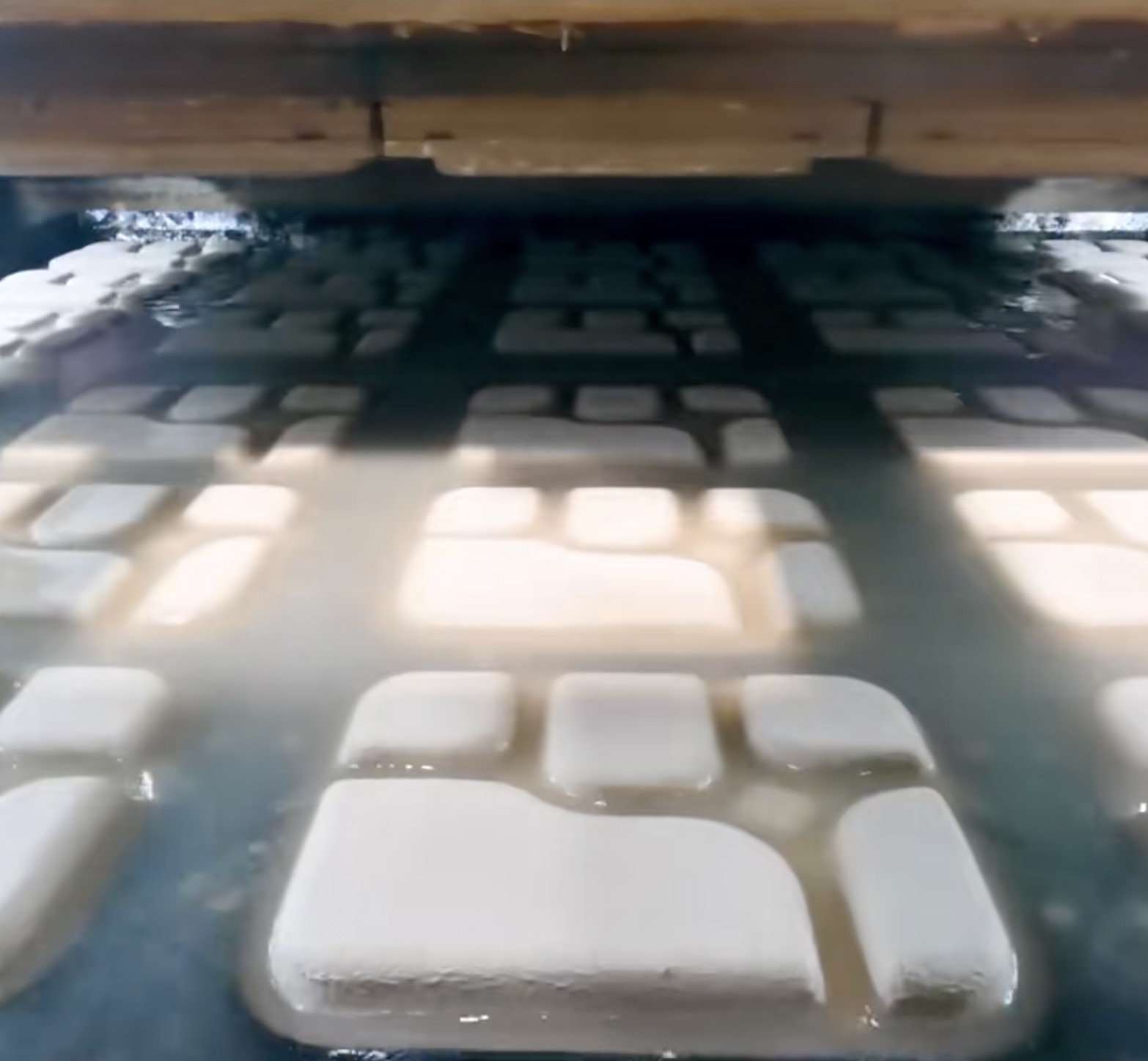
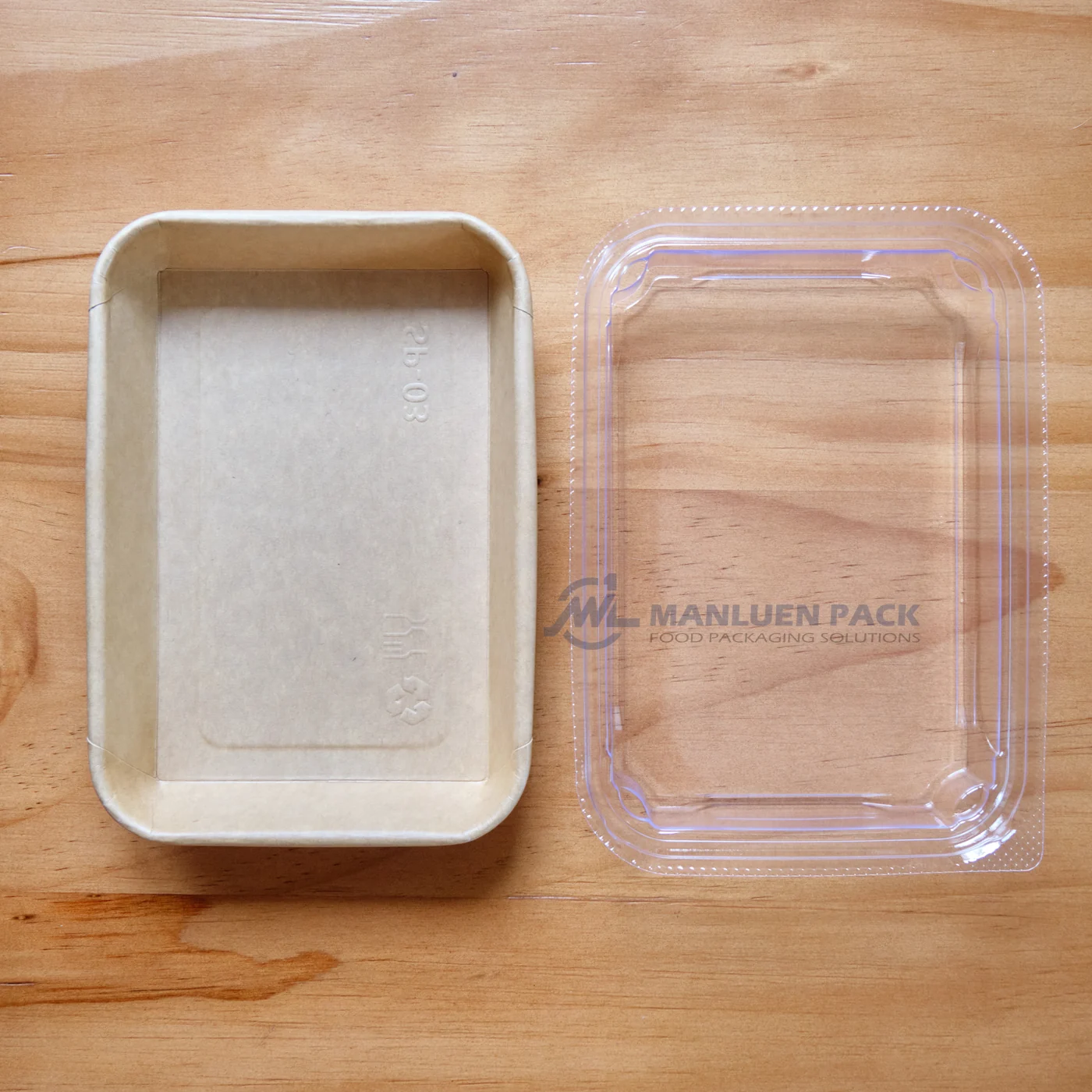
Fiber-based Solutions: 纸张 and cardboard packaging is experiencing a renaissance, with advanced coatings making these materials suitable for a wider range of food applications. Mushroom-based and seaweed-derived materials are moving from experimental to commercial scale.
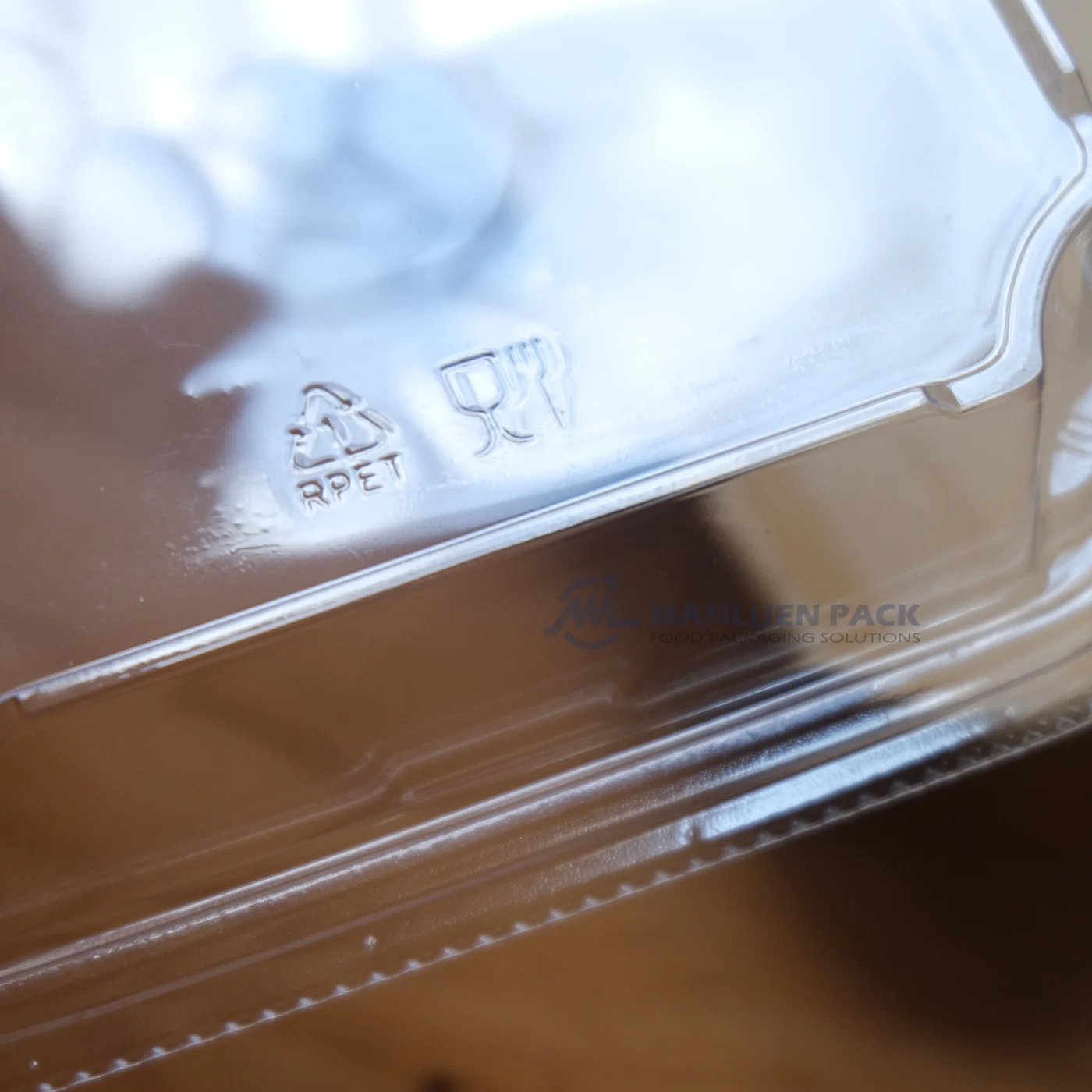
rPET (Recycled PET): Closed-loop recycling of post-consumer PET bottles into new food containers has become mainstream. This approach reduces virgin plastic use while maintaining the functional properties required for food safety.
For more information on material options, visit the Sustainable Packaging Coalition.
2. Circular Economy Adoption
The concept of circular packaging—where materials are reused, recycled, or composted rather than discarded—is gaining traction across the industry. Leading eco-friendly suppliers are developing systems that facilitate:
- Design for recyclability
- Collection and recycling programs
- Compostable packaging solutions
- Reusable container systems
The shift toward circular packaging is not just an environmental choice—it’s becoming a business imperative as regulations tighten and consumers demand more responsibility.
3. Smart Packaging Innovation
Technology is enabling new approaches to sustainable . Smart solutions incorporate:
- QR codes linking to recycling instructions
- Time-temperature indicators for food safety
- Digital tracking for proper disposal
- Interactive consumer engagement
How to Choose an Eco-Friendly Packaging Supplier
Selecting the right sustainable food partner requires careful evaluation of several factors:
1. Certification Verification
Ensure your supplier holds relevant certifications:
| Certification | Importance |
|---|---|
| FSC (Forest Stewardship Council) | Paper/cardboard sourcing |
| BPI Certified | Compostability verification |
| FDA Approval | Food contact safety |
| ISO 14001 | Environmental management |
A reputable biodegradable food container supplier should readily provide documentation proving their certifications and compliance with relevant regulations.
2. Material Transparency
Request detailed information about:
- Source of raw materials
- Manufacturing processes
- Environmental impact metrics
- End-of-life options (recyclability, compostability)
The best eco-friendly packaging suppliers maintain transparent supply chains and can trace their materials from source to final product.
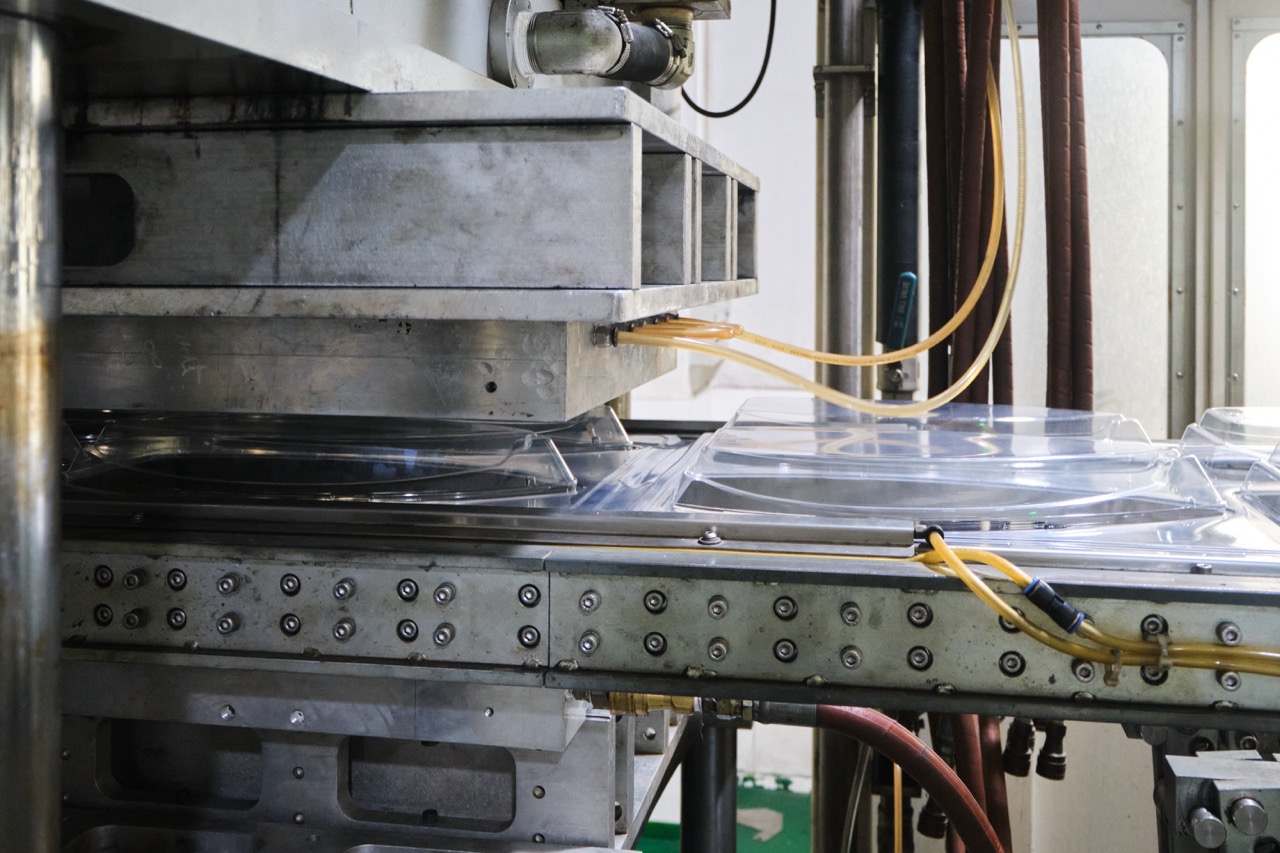
3. Production Capabilities
Evaluate whether the supplier can meet your volume requirements while maintaining quality standards. Key considerations include:
- Production capacity and scalability
- Quality control processes
- Lead time reliability
- Customization options
For restaurants and food service operators, learn more about our Disposable Bowl solutions that balance sustainability with practicality.
4. Cost Considerations
While sustainable packaging traditionally carried a price premium, the cost gap is narrowing as technology matures and scale increases. Consider:
- Total cost of ownership (including potential tax savings from compliant packaging)
- Volume discounts for long-term commitments
- Hidden costs of non-compliance (penalties, customer loss)
For businesses previously using conventional packaging, the transition to biodegradable food container options may require upfront investment but yields long-term savings and competitive advantages.
Material Comparison for Food Packaging
| 材料 | Biodegradable | Recyclable | 费用 | 食品安全 |
|---|---|---|---|---|
| Traditional Plastic | ❌ | ★★☆☆☆ | $ | ✅ |
| PLA (Corn Starch) | ✅ | ★★★☆☆ | $$ | ✅ |
| 甘蔗渣 | ✅ | ★★★★★ | $$ | ✅ |
| rPET | ❌ | ★★★★★ | $$ | ✅ |
| Bamboo | ✅ | ★★★★☆ | $$$ | ✅ |
Transitioning to Sustainable
For businesses ready to make the switch, consider this phased approach:
Phase 1: Assessment
- Audit current packaging usage
- Identify regulatory requirements
- Set sustainability goals
- Calculate cost implications
Phase 2: Pilot Testing
- Sample products from eco-friendly packaging suppliers
- Test functionality and customer response
- Evaluate logistics and storage requirements
- Measure environmental impact
Phase 3: Full Implementation
- Roll out sustainable options progressively
- Train staff on new procedures
- Communicate changes to customers
- Monitor performance and gather feedback
Future Outlook
Sources and Further Reading
The material safety and food-contact claims cited in this article are drawn from the following primary regulatory and industry sources. Each entry links to the original document.
The trajectory of sustainable food packaging points toward continued growth and innovation. By 2028, experts predict that over 50% of food service will be made from sustainable or recycled materials. Businesses that establish relationships with forward-thinking eco-friendly suppliers now will be better positioned to navigate this transition.
Key future developments include:
- Expanded compostable options for complex food applications
- Improved recycling infrastructure
- Digital watermarking for better sorting
- Regulatory harmonization across regions
This guide helps food service professionals understand sustainable packaging trends and make informed supplier decisions.
常见问题
Is the this food container microwave-safe?
Yes. This product is made from food-grade PP (polypropylene), which is microwave-safe up to 120 °C under FDA 21 CFR 177 和 EU Regulation 10/2011 food-contact standards.
What is the minimum order quantity for this wholesale?
Standard configurations start at 5,000–10,000 units MOQ. Custom-printed or custom-mould tooling may require higher minimums. To request a sample and a tailored quote, send your specifications (material, dimensions, quantity, target market) to the ManLuen team.
Does the this container meet FDA and EU food-contact regulations?
Yes. ManLuen publishes current FDA 21 CFR and EU 10/2011 migration test reports for its PP food-contact containers. See the certifications page for the full list, or request the test report for your specific SKU.

万联塑料包装公司专业生产塑料食品包装已有 20 多年的历史。我们的产品由 100% 原生和不含双酚 A 的 PP、PS 和 OPS 制成,符合 FDA 和欧洲标准。
 ZH
ZH  EN
EN  FR
FR  PT
PT  ES
ES  KO
KO  JA
JA