
Para los compradores que comparan envases en varias líneas de alimentos refrigerados, las mismas verificaciones de material, cierre y manejo también se aplican a bandejas de sushi desechables utilizadas por supermercados, restaurantes y mostradores de comida para llevar.
Introducción
Safe paper cups depend on more than the paper wall. The complete cup may include paperboard, an internal barrier coating, seam adhesive, printing ink, and a separate lid. Each component must suit the drink, serving temperature, contact time, and destination market.
Cafés, caterers, offices, and foodservice distributors should therefore compare construction and documented conditions of use, not just cup size or appearance. This guide explains paper cup materials, hot- and cold-drink selection, microwave limits, custom printing, environmental claims, and wholesale checks.
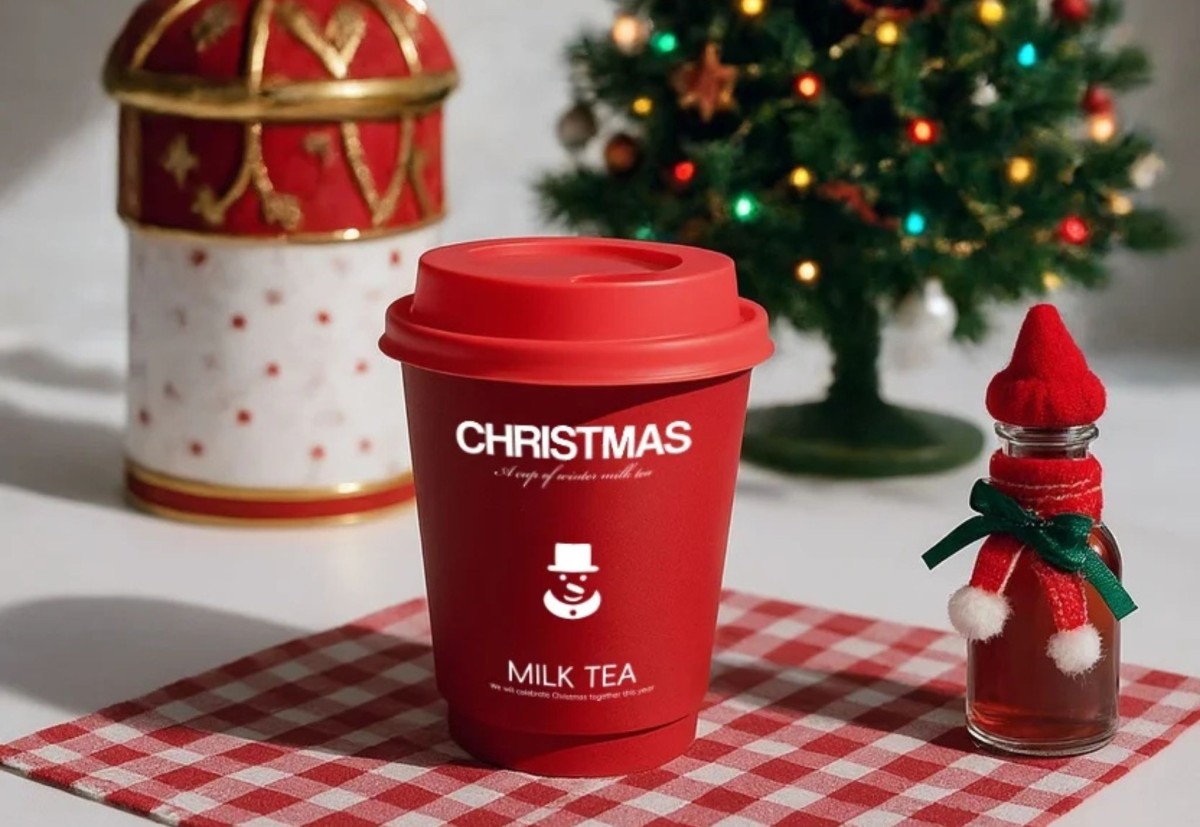
What Is a Paper Cup Made From?
A typical disposable paper cup uses formed paperboard with a thin internal barrier. The barrier helps the cup resist liquid long enough for its intended service period. Depending on the product, it may use polyethylene, another polymer coating, or a different barrier system.
A separate lid may use PS, PET, PP, paper, or another material. The lid material can have different temperature limits from the cup. Buyers should request a component list for the complete set rather than accepting “paper cup” as the full specification.
Manluen’s cup range currently includes paper cups for hot and cold beverage service. Buyers can compare the cup body, lid option, size, carton packing, and intended use before requesting samples.
Paperboard, Coating, Ink, and Lid All Matter
Paperboard
The board must provide enough stiffness when filled. Cup-wall thickness, forming quality, rim shape, and bottom construction affect how the cup feels in the hand and how well it performs during service. Ask for the basis weight or other material specification used by the supplier.
Barrier Coating
Untreated paper absorbs liquid. The internal barrier slows that process and helps protect the seam. Its suitability depends on the beverage and temperature. A cup for iced juice may use a different construction from one intended for hot coffee.
Printing Ink and Adhesive
Custom artwork introduces inks, coatings, and adhesives into the finished package. Confirm that the print system is appropriate for the cup design and that printing does not extend into areas that should remain free from direct mouth or beverage contact.
Lid
The lid must match the rim diameter and intended drink. Check closing force, sipping opening, straw opening, ventilation, stacking, and temperature limits. A well-made cup paired with the wrong lid can still leak during takeaway service.
Choose the Cup by Beverage and Service
| Use | Useful features | Checks before buying |
|---|---|---|
| Espresso or tasting | Small size, stable base, easy stacking | Fill volume, rim comfort, dispenser fit |
| Hot coffee or tea | Hot-drink construction and matching sip lid | Surface temperature, seam, lid fit, written temperature range |
| Iced drinks | Cold-drink barrier and lid or straw option | Condensation, wall stiffness, straw opening, cup-holder fit |
| Large takeaway drinks | Reinforced construction and secure lid | Base stability, carrying test, filled-cup stacking policy |
| Branded event service | Printable surface and consistent color | Artwork area, ink system, color tolerance, lead time |
Do not choose a cup by ounces alone. Confirm brimful volume, practical serving volume, rim diameter, height, base diameter, lid compatibility, and pieces per carton. The same nominal capacity can use a different shape or lid system.
Manluen Paper Cup Sizes
Manluen’s disposable paper cup range lists four sizes:
- WL-8oz: 89 × 58 × 82 mm, listed at 300 ml
- WL-10oz: 89 × 58 × 92 mm, listed at 350 ml
- WL-12oz: 89 × 60 × 112 mm, listed at 400 ml
- WL-16oz: 89 × 60 × 135 mm, listed at 500 ml
The product page lists 1,000 pieces per carton and describes a paper base with PS or PET lid options. Confirm the selected cup, lid, coating, and written temperature conditions in the quotation because the range includes several sizes and component choices.
Hot-Drink Safety and Handling
Hot-drink cups should be evaluated as a complete system. Fill samples with the actual beverage at the normal serving temperature. Hold the cup for the expected service period, close the lid, carry it in the normal tray or bag, and check the sidewall, seam, base, rim, and lid.
A single-wall cup may feel hot even when it holds the drink correctly. The business may need a sleeve, double-wall construction, or a lower serving temperature. Do not describe a cup as burn-proof. Staff training and clear handling instructions still matter.
Can You Microwave a Paper Cup?
Do not microwave a disposable paper cup unless the manufacturer clearly labels the exact cup for that use and provides written instructions. Heat can affect the coating, adhesive, ink, seam, and lid. A cup designed to receive a hot drink is not automatically designed for microwave heating.
For reheating, transfer the drink to suitable microwave-safe tableware unless the cup’s instructions say otherwise. This avoids relying on the paper appearance or recycling symbol as a safety test.
Food-Contact Compliance for Paper Cups
United States
In the United States, paper and paperboard food-contact components appear in 21 CFR Part 176. Coatings, adhesives, polymers, colorants, and other components may rely on other regulations or authorizations. FDA guidance states that the regulatory status of a finished material depends on the status and intended use of its individual components.
Ask for the material specification, regulatory basis, and relevant test or compliance documents for the exact cup and lid. The documents should cover the beverage type, temperature, and contact time. Manluen’s guide to food packaging authorization explains why a general “FDA approved” claim is not enough.
European Union
Regulation (EC) No 1935/2004 provides the general EU framework for materials intended to contact food. Plastic lids and plastic layers may also fall under material-specific rules, including Regulation (EU) No 10/2011 where applicable. Paper-specific requirements can also vary by national market.
Request documentation that identifies the paper cup, coating, ink, adhesive, and lid rather than a report for an unrelated plastic container. Buyers can review Manluen’s certifications and testing information, then request the documents for the selected SKU.
PFAS and Grease-Resistance Questions
PFAS have historically been used for grease resistance in some paper and paperboard food packaging. In the United States, the FDA announced in 2024 that substances containing PFAS used as grease-proofing agents for paper and paperboard food packaging were no longer being sold into the U.S. market. In January 2025, the FDA determined that 35 related Food Contact Notifications were no longer effective.
For paper cups and lids, ask for a current product-specific PFAS statement when the destination market or customer requires one. Do not assume that “paper” alone answers questions about coatings and treatment chemicals.
Environmental Claims Need Qualification
A paper cup is not automatically recyclable, biodegradable, or compostable. Coatings, lids, inks, adhesives, food residue, and local collection systems affect disposal. The cup and lid may also need to be separated.
The FTC Green Guides advise businesses to support environmental claims with reliable evidence and qualify them when necessary. A compostable claim should identify whether industrial facilities are required. A recyclable claim should reflect realistic access to collection and processing.
Buyers comparing paper, plastic, and fiber options can use Manluen’s food packaging material comparison y sustainable packaging supplier guide.
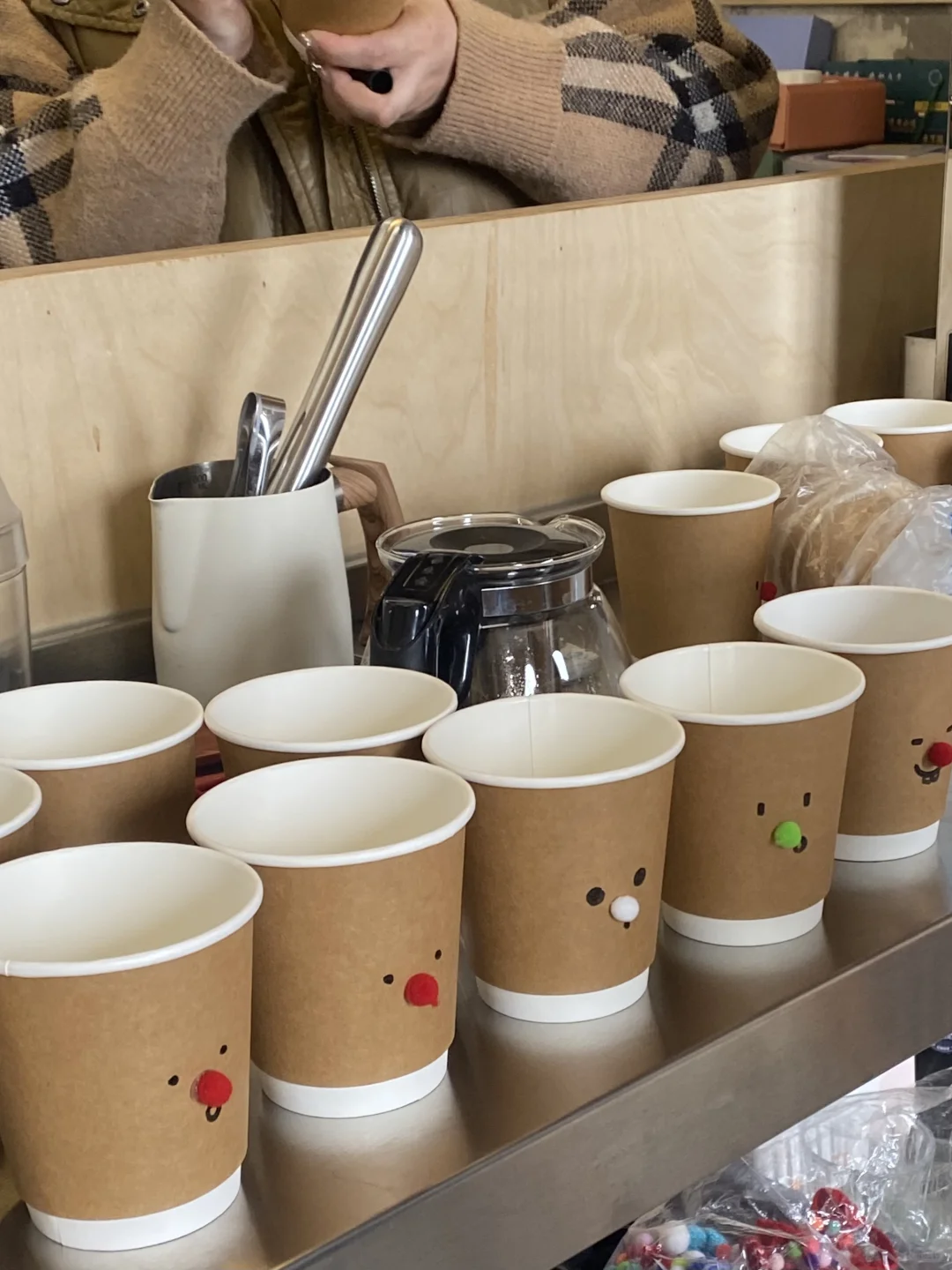
Custom Printed Paper Cups
Custom cups can carry a logo, drink name, campaign message, handling instruction, or disposal guidance. Good artwork must fit the tapered cup shape and leave suitable clearance around the rim and seam.
Before production, confirm:
- Printable area and template
- Number of colors and printing method
- Ink and coating specifications
- Pantone or other color reference
- Registration and color tolerances
- Artwork approval process
- MOQ, setup charges, and lead time
Approve a physical sample when color and branding are important. Screen previews do not reproduce paper color, ink absorption, gloss, or seam alignment accurately.
Use a Purpose-Built Container for Other Foods
A beverage cup should not replace every small food container. Condiments and sauces are better suited to dedicated sauce cups. Takeaway soup or deli food may need a rigid container such as the Contenedor de charcutería C-16 de 16 oz or the smaller C-8 8 oz container, depending on the food and use conditions.
This separation helps staff use packaging as intended and gives buyers clearer compliance documents for each application.
Wholesale Paper Cup Buying Checklist
- Drink type and normal serving temperature
- Practical fill volume and cup dimensions
- Paperboard and barrier-coating specification
- Lid material, rim fit, and opening design
- Food-contact documents for the destination market
- Leak, seam, carrying, and temperature sample tests
- Pieces per sleeve and carton
- Carton dimensions and total freight volume
- Printing method, artwork limits, and color tolerance
- MOQ, lead time, payment, and inspection terms
For another detailed review of coatings, cup sizes, and supplier checks, see Manluen’s guide to safe materials for disposable paper cups. When the specification is complete, request samples and a wholesale quotation.
Preguntas frecuentes
Are paper cups safe for hot drinks?
They can be when the exact cup is designed and documented for the intended beverage temperature and contact time. Check the cup, coating, seam, ink, and lid rather than relying on the word “paper.”
Are paper cups plastic-free?
Not always. Many paper cups use a polymer barrier, and the lid may be plastic. Ask the supplier for the complete material breakdown before making a plastic-free claim.
Can paper cups be recycled?
Acceptance varies by coating, contamination, and local recycling infrastructure. Give disposal instructions that match the target market and avoid an unqualified claim when collection is limited.
What is the MOQ for custom paper cups?
MOQ depends on cup size, coating, lid, printing method, color count, and artwork. Stock cups may support smaller trial quantities. Request written quantity tiers for the exact configuration.
What documents should a buyer request?
Request the cup and lid specification, material breakdown, regulatory basis, relevant test or declaration, intended conditions of use, and lot-traceability information.
Conclusión
Safe paper cup purchasing starts with the complete construction. Match the paperboard, coating, lid, and printing system to the drink and serving temperature. Test samples under real service conditions and verify product-specific documents before placing a wholesale order.
Fuentes y lecturas adicionales
Electronic Code of Federal Regulations. 21 CFR §176.170, Components of Paper and Paperboard in Contact with Aqueous and Fatty Foods. Used for the U.S. regulatory context for specified paper and paperboard components. eCFR
U.S. Food and Drug Administration. Determining the Regulatory Status of Components of a Food Contact Material. Used for component-level authorization and intended-use checks. Administración de Alimentos y Medicamentos de España
U.S. Food and Drug Administration. Authorized Uses of PFAS in Food Contact Applications. Used for the U.S. status of PFAS grease-proofing uses in paper and paperboard food packaging. Administración de Alimentos y Medicamentos de España
Federal Trade Commission. Environmental Claims: Summary of the Green Guides. Used for recyclable, compostable, degradable, and general environmental marketing claims. Federal Trade Commission
European Commission. Food Contact Materials Legislation. Used for the EU framework under Regulation (EC) No 1935/2004 and material-specific rules. Comisión Europea

ManLuen Plastic Packaging Company, especializada en la producción de embalaje de alimentos de plástico durante más de 20 años. Nuestros productos están hechos de PP virgen y libre de BPA, cumpliendo con las normas de la FDA y europeas.
 ES
 EN
 ZH
 FR
 PT
 KO
 JA