
Introducción
¿El embalaje de cartón es sostenible? Puede serlo—especialmente cuando utiliza fibra de origen responsable, evita materiales innecesarios, protege el producto y entra en un sistema de reciclaje de papel funcional después de su uso. No es automáticamente sostenible solo porque sea marrón, de papel, biodegradable o etiquetado como reciclable.
El argumento más sólido a favor del cartón es el embalaje corrugado limpio utilizado para envíos, productos secos, embalajes secundarios y otras aplicaciones que no requieren barreras complejas contra la humedad o grasa. El argumento se vuelve más débil cuando un paquete es demasiado grande, mal sourcing, muy contaminado, laminado con plástico o foil, o incapaz de proteger el producto.
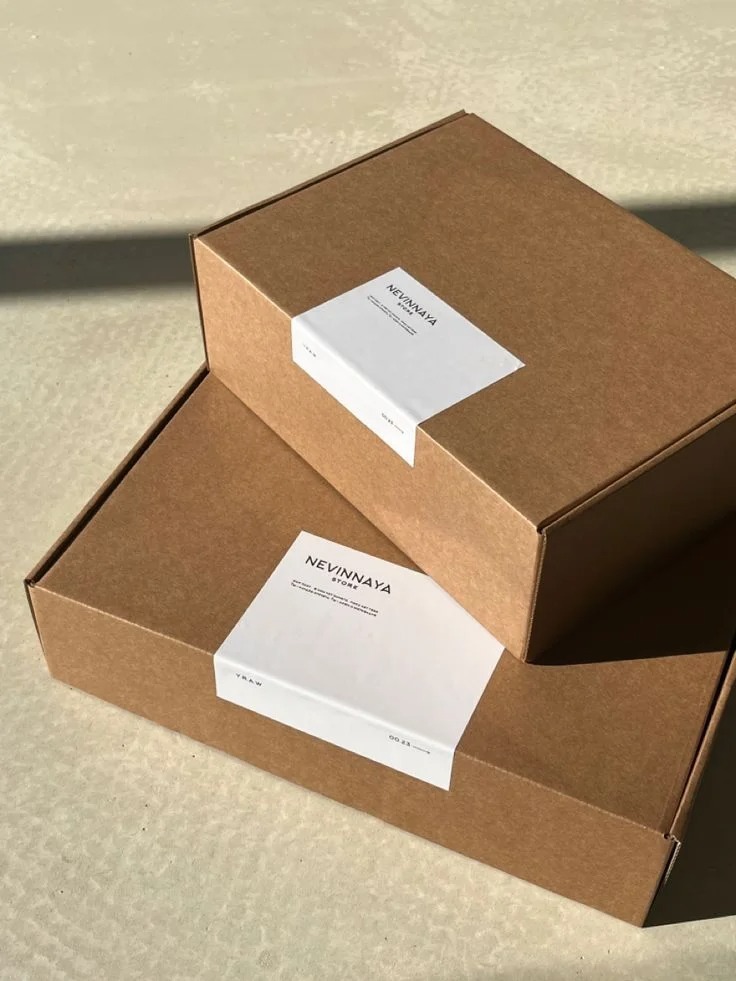
La Asociación Americana de Bosques y Papel (AF&PA) informa que en 2025 se recicló más de 33 millones de toneladas de cartón en España, lo que equivale a una tasa de reciclaje del 70,1% al 75,1% según su metodología actual. Casi la mitad de todo el papel recuperado se destinó a cartón para envases, el material utilizado para fabricar cajas de cartón. Ese mercado establecido de fibra es una de las ventajas más claras de la sostenibilidad del cartón.
Esta guía explica ambos lados de la cuestión, incluyendo en qué se convierte el embalaje de cartón, cómo funciona el proceso de reciclaje, por qué no se deben comparar las cifras de tasas de reciclaje sin contexto, y qué deben verificar los compradores de envases alimentarios antes de hacer una afirmación ambiental.
| El cartón es más probable que sea sostenible cuando… | Su ventaja se vuelve más débil cuando… |
|---|---|
| La fibra se recicla o proviene de fuentes responsables | La fuente de fibra no puede ser rastreada |
| El paquete tiene el tamaño adecuado y es eficiente en materiales | La caja es demasiado grande o excesivamente diseñada |
| Permanece limpia, seca y fácil de separar | Las capas de comida, grasa, cera o mezcladas impiden la recuperación |
| Las instalaciones locales recolectan y procesan el formato | “Reciclable” es solo una afirmación teórica |
| Protege el producto durante la distribución | La falla en el embalaje causa daños, fugas o desperdicio de alimentos |
| Se reutiliza antes del reciclaje cuando es práctico | Se trata como desechable a pesar de seguir siendo útil |
¿En qué se convierte el embalaje de cartón?
El cartón limpio aceptado por un programa de reciclaje normalmente se descompone en fibra de celulosa. Esa fibra recuperada puede convertirse en:
- nuevas cajas de cartón corrugado para envío;
- cartón para envases;
- cartón de recubrimiento;
- medio de ondulación, también llamado flauta;
- embalaje de cartón rígido;
- tubos y núcleos de papel;
- papel tisú y otros productos de papel; y
- algunos productos moldeados de fibra o materiales de construcción.
En muchos casos, una caja de envío vieja se convierte en parte de otra caja. AF&PA dice que casi la mitad del papel recuperado en España en 2025 se destinó a cartón para envíos, mientras que aproximadamente 80% de las fábricas de papel españolas utilizan papel recuperado para fabricar nuevos productos.
La ruta no es idéntica para cada paquete. La calidad de la fibra, el grado del cartón, los recubrimientos, la contaminación, las reglas locales de recolección y el equipo de la fábrica influyen en el destino final. Una caja de cartón corrugado limpia tiene una ruta de recuperación mucho más directa que una bandeja de comida de papel laminada con plástico.
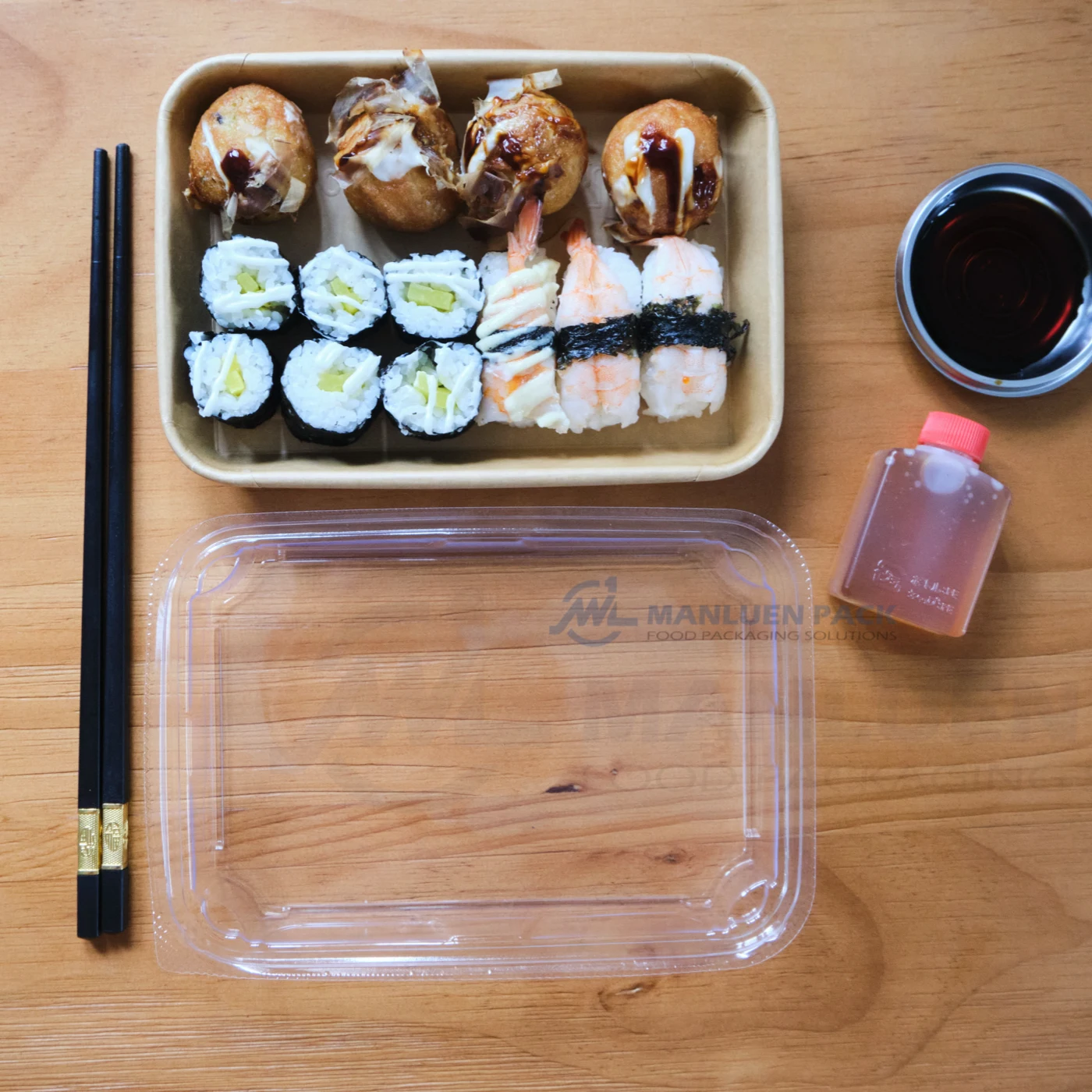
El flujo circular básico es:
Cartón usado → recogida → clasificación → pulpeo → limpieza → fibra recuperada → bobinas de papel → nuevo embalaje
¿Cómo se convierte el cartón en un nuevo embalaje?
1. Recogida
El cartón se recoge de hogares, tiendas, almacenes, fábricas, supermercados, oficinas e instituciones. Las cantidades comerciales grandes suelen aplanarse y agruparse para reducir el volumen de transporte.
2. Clasificación
Las instalaciones de reciclaje separan las cajas de cartón ondulado de papel mezclado, cartón más delgado y residuos no papel. Los grados tienen diferentes calidades de fibra y pueden estar destinados a diferentes productos finales. Materiales muy contaminados o no aptos pueden ser eliminados en esta etapa.
3. Pulpeo
En la fábrica de papel, el cartón clasificado se mezcla con agua y se agita. Esto libera las fibras de celulosa y crea una pulpa o pasta de fibras y agua. La caja vieja no se tritura simplemente y se prensa en una nueva caja; primero se separa en fibras utilizables.
4. Tamizado y limpieza
Las pantallas, limpiadores y otros equipos eliminan materiales que no se convierten en fibra de papel, incluyendo película plástica, cinta adhesiva excesiva, grapas, cera, adhesivos y algunos recubrimientos. Pequeñas cantidades de cinta de embalaje normal y etiquetas generalmente no requieren que toda la caja sea descartada, aunque los insertos grandes de plástico o espuma deben ser eliminados cuando las indicaciones locales lo soliciten.
5. Fabricación de nuevo papel
La pulpa de fibra limpia se distribuye sobre una pantalla en movimiento. El agua se elimina mediante prensado y secado hasta formar bobinas de papel. Dependiendo de la calidad de la fibra y las especificaciones del producto, estas bobinas pueden convertirse en cartón de revestimiento, medio de ondulado, cartón o otros productos de papel.
6. Converting the Paper into Cardboard
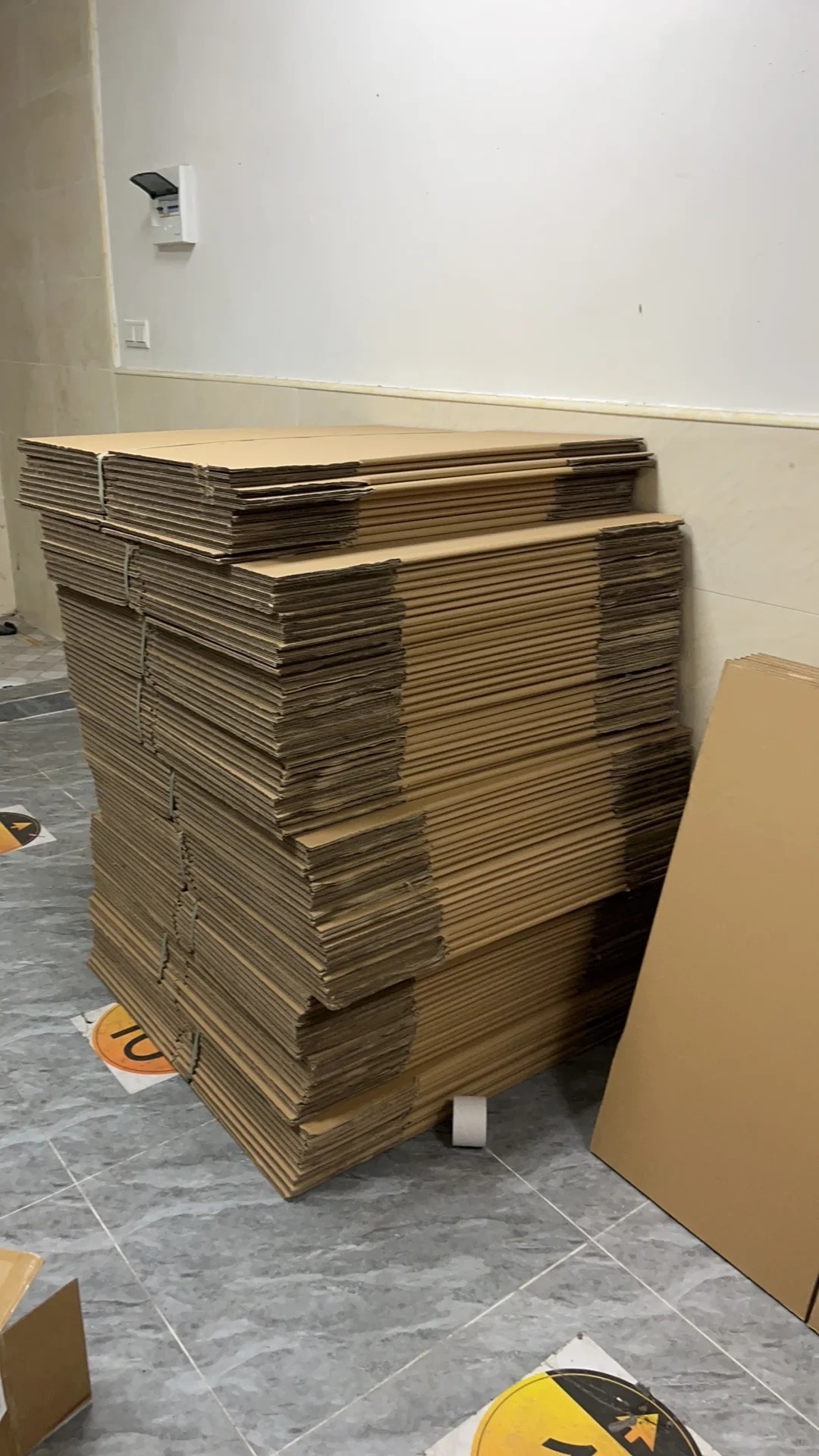
For corrugated packaging, flat linerboard is combined with fluted paper to make corrugated sheets. The sheets are then printed, cut, scored, folded, and joined into new boxes.
Why Can Cardboard Packaging Be Sustainable?
It Uses Renewable Fiber
Cardboard is primarily made from cellulose fiber derived from wood. Trees can regrow, but “renewable” is not the same as “responsibly sourced.” Poor forestry practices can still create risks involving forest conversion, biodiversity, soil, water, and community rights.
Certification and chain-of-custody systems can help a buyer trace forest-based material through the supply chain. The Forest Stewardship Council’s chain-of-custody standard, for example, sets requirements for sourcing, processing, labeling, and selling FSC-certified forest products.
The useful procurement question is therefore not only “Is cardboard renewable?” It is “Where did the fiber come from, and can the supplier document it?”
It Has an Established Recycling Market
Recyclability is more meaningful when mills actually use the recovered material. Cardboard has a mature collection, baling, trading, and papermaking network. Used corrugated containers are a recognized industrial feedstock rather than an experimental waste stream.
AF&PA’s 2025 data reports a 70%–75% cardboard recycling rate and more than 33 million tons recovered. These figures cover residential, commercial, industrial, and institutional streams and use the association’s updated “available for recovery” methodology.
It Can Contain Recycled Fiber
Recovered fiber keeps existing cellulose in productive use and reduces the amount of usable paper sent to disposal. Recycled content can therefore support circularity, but a higher recycled-content percentage is not the only measure of a good package. Board strength, weight, manufacturing energy, transport, and product protection also matter.
It Can Be Reused Before Recycling
A clean, dry, structurally sound corrugated box can often complete another shipment or serve as storage before recycling. Reuse avoids the immediate need to manufacture a replacement package and usually preserves more value than breaking the box back into fiber after one trip.
Can Cardboard Be Recycled Forever?
No. Cellulose fibers become shorter and weaker each time they are pulped and processed. Eventually, part of the fiber is too degraded to provide the strength required for another paper product.
International Paper states that cardboard fiber can be reused several times but not indefinitely. Its description of the mill process also notes that some fiber and non-fiber material is lost during recovery. Responsibly sourced virgin fiber is therefore still needed to replace losses and maintain paper strength.
Claims that cardboard can circulate forever in a completely closed loop are misleading. A working fiber system normally combines:
- recovered fiber kept in service for as long as practical;
- responsibly sourced virgin fiber;
- efficient collection and mill processing; and
- designs that minimize avoidable contamination and material loss.
Is All Cardboard Packaging Recyclable?
No. A plain corrugated shipping box is different from a coated frozen-food carton, a waxed produce box, or a paperboard tray with a plastic film.
Fiber recovery becomes more difficult when the package contains:
- plastic laminates or windows;
- wax or wet-strength coatings;
- aluminum foil;
- heavy food residue;
- large amounts of adhesive; or
- components that cannot be separated by the receiving facility.
Barrier layers are not automatically unnecessary. Food packaging may need resistance to water, oil, oxygen, aroma, or leakage. Those functions can prevent food damage and waste, but they can also change the package’s recovery route.
The correct design objective is not “remove every barrier.” It is to use only the barrier performance the application needs, keep the structure as simple as practical, and confirm how the finished package—not just its paper layer—will be handled after use.
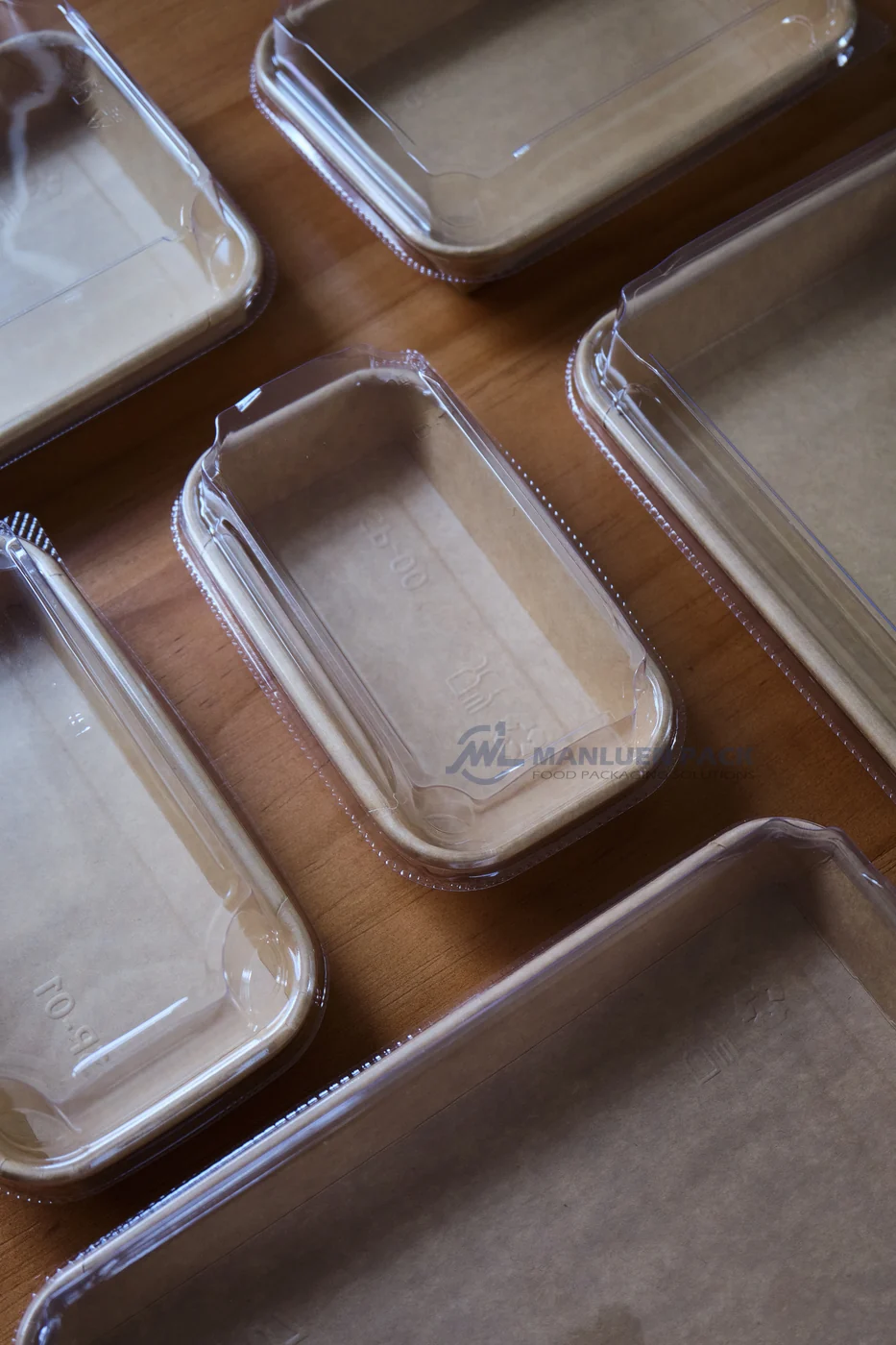
Buyers comparing paper-base formats with conventional bandejas de sushi desechables should assess the base, lid, coatings, and local recovery route as one complete packaging system.
For a fair comparison, match sushi tray sizes and piece capacity to the same menu before comparing paper-base and plastic formats.
For a wider comparison of fiber, plastic, aluminum, and bio-based options, see Manluen’s guía de materiales de embalaje de alimentos.
What About Food and Beverage Cartons?
Food and beverage cartons may look like paperboard, but many are composite packages. Shelf-stable aseptic cartons commonly combine paper fiber with polyethylene and aluminum, while refrigerated gable-top cartons normally combine paperboard with polymer layers.
Those layers protect liquids from leakage, oxygen, moisture, and light. They also require a recycling system able to separate and recover the fiber while managing the remaining materials.
The Carton Council reports that 63% of U.S. households had access to food and beverage carton recycling at the end of 2025. That means access has expanded, but it is not universal.
This is an important distinction: technically recyclable does not mean accepted everywhere. A buyer should check collection and processing in the actual sales market instead of assuming that all paper-looking packages share the corrugated-box recycling route.
Do Tape, Staples, Grease, and Food Residue Matter?
Tape, Labels, and Staples
Tape, staples, and plastic labels do not become recovered cellulose fiber. Mills remove them as contaminants during pulping and cleaning. AF&PA advises consumers to empty boxes of non-paper packaging, flatten them, and keep them clean and dry; ordinary tape and labels generally do not need to be removed.
Remove large pieces of plastic, foam, straps, or other inserts where practical. Local recycling instructions take priority because collection systems and mill specifications differ.
Grease and Food Residue
Food should be removed before recycling. Heavy contamination, mold, and wet residue can reduce fiber quality or make a package unsuitable for a local program.
Pizza boxes illustrate why simple rules can become misleading. AF&PA says the amount of grease and cheese typically found on a pizza box is not a problem for the papermaking process and that 82% of Americans have access to a community program that accepts pizza boxes. That does not mean a box full of leftover food belongs in recycling. Empty the box and follow the local program’s directions.
Why Cardboard Recycling Rates Look Inconsistent
Two credible sources can publish very different cardboard recycling percentages because they use different years, definitions, waste streams, and calculation methods.
| Source | Year and scope | Reported figure | How to interpret it |
|---|---|---|---|
| AF&PA | 2025 cardboard available for recovery across several collection streams | 70%–75%; more than 33 million tons | Current industry estimate using an updated range-based methodology |
| U.S. EPA | 2018 corrugated boxes in municipal solid waste | 96.5% | Older federal estimate for a narrower product category |
| U.S. EPA | 2018 paper containers and packaging excluding corrugated boxes | 20.8% | Shows why “paper packaging” should not be treated as one uniform recycling stream |
The EPA and AF&PA figures should not be joined into a trend line. The practical conclusion is narrower: corrugated boxes have a large recovery system, while other paperboard and composite formats may perform very differently.
Is Cardboard Always Lower-Carbon Than Plastic?
No. The result depends on the package design and the lifecycle boundary.
A 2023 peer-reviewed case study in Resources, Conservation and Recycling compared plastic cushioning inserts with corrugated-cardboard inserts in one global B2B supply chain. The cardboard option had the larger carbon footprint in that case because it increased package weight and dimensions and the distribution system involved long distances and substantial airfreight.
That study does not prove that plastic is always better. It demonstrates that substituting one material without controlling weight, volume, transport, and product protection can move the environmental burden rather than reduce it.
Cardboard often has a strong case for right-sized shipping boxes, dry products, short supply chains, and formats with established recovery. Lightweight plastic may retain an advantage where high barriers, low package mass, or product protection would otherwise require substantially more fiber. The comparison must use the same product function and the same distribution conditions.
This is why the broader question whether cardboard packaging is better than plastic cannot be answered from material names alone.
PFAS and Coatings in Cardboard Food Packaging
Paper and paperboard food packaging may require treatments to resist oil, grease, or water. Historically, some grease-proofing agents contained per- and polyfluoroalkyl substances, or PFAS.
In February 2024, the FDA announced that manufacturers were no longer selling PFAS-containing grease-proofing substances for paper food packaging in the U.S. market. In January 2025, the agency determined that 35 related food-contact notifications were no longer effective because those uses had been abandoned.
This is more precise than saying “the FDA banned all PFAS.” Other PFAS applications and state requirements must be evaluated separately. Buyers should review the finished article, intended use, destination market, and supporting documentation rather than rely on a general “PFAS-free” marketing statement.
Alternative barriers—including dispersion coatings, polymer laminates, and bio-based coatings—have different performance and recovery implications. A PLA-coated paper item, for example, is not automatically recyclable with plain cardboard and is not automatically compostable in every community. Detailed PFAS guidance is available in Manluen’s article Are PFAS Used in Food Packaging?
Is Biodegradable Cardboard Automatically Sustainable?
No. Untreated cardboard can biodegrade under suitable conditions, but biodegradability does not make landfilling the preferred option.
Recycling keeps usable fiber in circulation. Landfill conditions vary and may be low in oxygen and moisture, so decomposition can be slow; degradation of organic material under anaerobic conditions can also generate methane. Coatings, inks, adhesives, and laminates may further change how a package behaves.
For clean cardboard with an established recovery route, the usual priority is:
- avoid unnecessary packaging;
- reuse a sound box where practical;
- recycle accepted fiber packaging;
- use another verified recovery route when appropriate; and
- send material to disposal only when the earlier options are unavailable.
“Compostable” also requires conditions and infrastructure. It should not be used as a substitute for confirming certification, collection access, and the likely destination of the package.
When Is Cardboard Packaging Less Sustainable?
The Package Uses Too Much Material
An oversized box consumes additional board and increases shipping volume. Right-sizing the dimensions and board grade is usually more meaningful than adding an environmental label to an inefficient structure.
The Fiber Is Poorly Sourced
Renewable fiber can still create forest risks when sourcing is not controlled. Recycled content, responsible virgin fiber, and traceable chain of custody should be considered together.
The Structure Is Difficult to Recycle
Unnecessary laminates, windows, coatings, foils, and adhesives can reduce recovery. Design for recycling should address the complete package and the equipment used in the destination market.
The Package Fails to Protect the Product
A material-saving design that allows products to break, leak, or spoil may cause more impact than a slightly heavier package that works. This is particularly important for food, which already embodies agricultural inputs, processing, refrigeration, and transport.
No Collection or Processing Route Exists
A recyclable design has limited practical value if the local system does not collect or process it. Disposal instructions should be based on the market where the package is used.
How Can Businesses Make Cardboard Packaging More Sustainable?
Use this procurement checklist:
- Define the product requirements. Record weight, fragility, moisture, grease, temperature, shelf life, transport, and stacking conditions.
- Right-size the structure. Reduce empty space and unnecessary board without compromising protection.
- Check the fiber source. Request recycled-content information and evidence for responsibly sourced virgin fiber.
- Verify chain of custody. Confirm that any FSC, PEFC, or SFI claim applies to the supplied material and shipment, not merely to a company website.
- Simplify the material structure. Avoid barriers and mixed components that do not perform a necessary function.
- Evaluate coatings. Ask what the coating is, why it is needed, and how it changes recyclability or compostability.
- Confirm food-contact suitability. Match the material and finished article to the food type, temperature, and intended conditions of use.
- Check the real end-of-life route. Verify local collection and processing in each target market.
- Give clear disposal instructions. Tell customers when to empty, separate, recycle, or use another verified route.
- Compare lifecycle performance. Consider material production, transport, product loss, reuse, recovery, and disposal—not only the package’s appearance.
Manluen’s guide to choosing the right food packaging provides a broader application checklist for food brands and distributors. Buyers can also compare food storage container formats when a fiber package cannot provide the required visibility, seal, or moisture resistance.
Preguntas frecuentes
¿El embalaje de cartón es sostenible?
Cardboard packaging can be sustainable when its fiber is responsibly sourced, the package is right-sized, it protects the product, and the finished format can be collected and recycled in the target market. Cardboard is not automatically sustainable when it is oversized, contaminated, or difficult to separate.
¿En qué se convierte el embalaje de cartón?
Recovered cardboard is repulped into cellulose fiber. It commonly becomes containerboard, linerboard, corrugating medium, new corrugated boxes, paperboard, tubes, cores, tissue, or other fiber-based products.
What Does Your Cardboard Packaging Turn Into after Recycling?
If the cardboard is accepted locally, it is sorted, pulped, and cleaned. The recovered fiber is made into paper rolls that can become new packaging or other paper products. The exact output depends on the grade and condition of the fiber.
How Much Cardboard Is Recycled in the United States?
AF&PA reports that more than 33 million tons of cardboard were recycled in 2025, equal to 70%–75% of cardboard available for recovery under its current methodology.
Does Recycled Cardboard Become Another Box?
Often, yes. Nearly half of all recovered paper in the United States went into containerboard in 2025. Some recovered fiber goes into other paper or packaging products instead.
Can Cardboard Be Recycled Forever?
No. Cellulose fibers shorten and weaken during repeated processing. Fresh, responsibly sourced fiber is still needed to replace losses and maintain strength.
Do I Need to Remove Tape before Recycling Cardboard?
Ordinary tape and labels generally do not need to be completely removed. Empty and flatten the box, remove large non-paper inserts, keep it dry, and follow local rules.
Can Greasy Cardboard Be Recycled?
It depends on the package and local program. Typical pizza-box grease is accepted by many U.S. programs, but leftover food, heavy contamination, mold, wax, or complex coatings can still make a package unsuitable. Empty the box and check local guidance.
Are Beverage Cartons the Same as Cardboard Boxes?
No. Beverage cartons generally contain paperboard plus polymer layers and sometimes aluminum. They require different collection and processing from ordinary corrugated boxes.
Is Cardboard More Sustainable Than Plastic?
Sometimes. Cardboard often performs well for dry products and shipping formats with established recovery. Plastic may use less material or protect wet, oily, or high-barrier products more efficiently. Compare equivalent packaging systems across their full lifecycle.
Conclusión
¿El embalaje de cartón es sostenible? Yes, when responsibly sourced fiber, efficient design, adequate product protection, and a credible recovery system work together. The material’s renewable origin and established recycling market give it meaningful advantages, but those advantages can be weakened by excessive material, long or inefficient distribution, contamination, and inseparable coatings.
What does cardboard packaging turn into? When clean cardboard is successfully collected, it becomes recovered fiber used in containerboard, linerboard, fluting, new boxes, and other paper products. The loop is valuable, but it is not infinite: fibers degrade and virgin fiber remains necessary.
For businesses, the strongest environmental decision is not simply a box carrying a recyclable logo. It is a package that uses the minimum practical material, protects the product, documents its fiber and coatings, and fits the actual recycling infrastructure of the market where it will be discarded.
References
- American Forest & Paper Association: 2025 U.S. Paper Recycling Rates
- American Forest & Paper Association: Recycling Rate Methodology
- U.S. EPA: Paper and Paperboard Material-Specific Data
- International Paper: The Circular Life of a Cardboard Box
- Forest Stewardship Council: Chain of Custody
- Carton Council: 2025 U.S. Carton Recycling Access
- Resources, Conservation and Recycling: Replacing Plastic with Corrugated Cardboard—A Carbon Footprint Case Study
- U.S. FDA: Market Phase-Out of PFAS Grease-Proofing Substances
- UN Environment Programme: Single-Use Supermarket Food Packaging and Its Alternatives

ManLuen Plastic Packaging Company, especializada en la producción de embalaje de alimentos de plástico durante más de 20 años. Nuestros productos están hechos de PP virgen y libre de BPA, cumpliendo con las normas de la FDA y europeas.
 ES
 EN
 ZH
 FR
 PT
 KO
 JA