
Introducción
¿Es un recipiente de comida de vidrio mejor que de plástico? Para almacenamiento repetido en el hogar, alimentos propensos a manchas y recalentar en un recipiente específicamente calificado para el aparato, el vidrio suele ser la mejor opción. El plástico suele ser mejor cuando importa el peso ligero, resistencia a caídas, portabilidad, bajo costo o rendimiento desechable en servicios de comida.
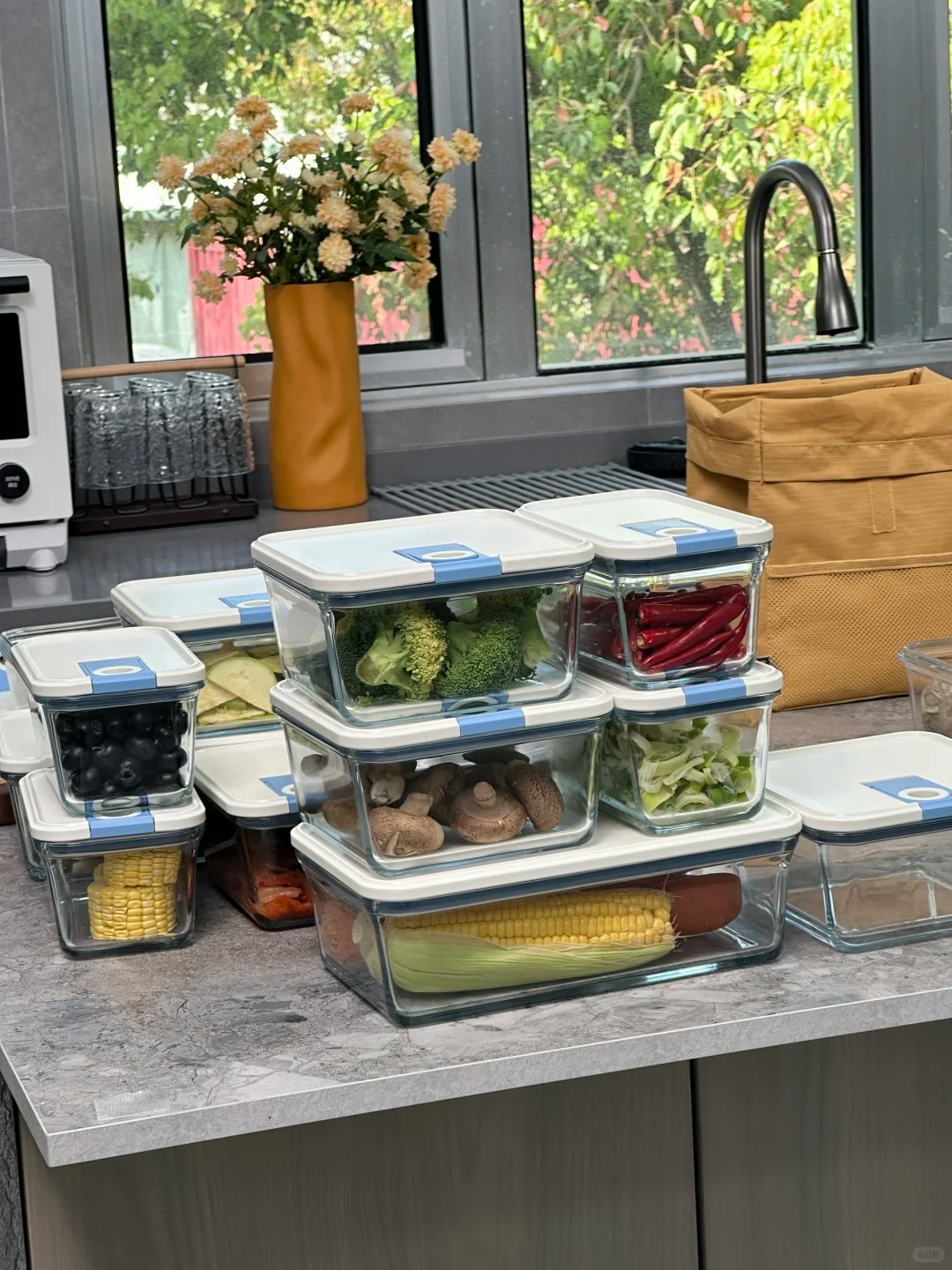
Esa es la respuesta útil—no “el vidrio siempre es seguro” ni “el plástico siempre es malo.” El recipiente adecuado depende de qué comida contendrá, si se calentará o congelará, con qué frecuencia se reutilizará, si debe soportar el transporte y qué sistema de reciclaje lo acepta realmente.
Esta guía compara los recipientes de comida de vidrio y plástico para preparación de comidas en el hogar y envasado de alimentos comerciales. También explica las reglas de contacto con alimentos, investigaciones sobre microplásticos, reciclaje, frescura y el papel a menudo pasado por alto de tapas y juntas.
| Factor de decisión | Vidrio | Plástico |
|---|---|---|
| Almacenamiento repetido en el hogar | Excelente cuando se maneja con cuidado | Bueno cuando está diseñado para uso repetido |
| Manchas y olores | Por lo general resiste ambos bien | Puede retener color u olor con el tiempo |
| Peso y portabilidad | Pesado | Ligero |
| Resistencia a caídas | Puede astillarse o romperse | Generalmente mejor |
| Uso en microondas | Solo si está etiquetado como apto para microondas | Solo si está etiquetado como apto para microondas y se usa según las instrucciones |
| Uso en horno | Solo productos con clasificación para horno | La mayoría de los envases de comida comunes no son adecuados |
| Uso en congelador | Posible con vidrio con clasificación para congelador, espacio para cabeza y precauciones contra choques térmicos | Posible con plástico con clasificación para congelador |
| Para llevar desechable | Generalmente demasiado pesado y frágil | Eficiente, ligero y flexible en formato |
| Reciclaje | Depende del color, aceptación local y separación | Depende de la resina, formato, color, tamaño y aceptación local |
| Costo inicial | Generalmente más alto | Generalmente más bajo |
¿Cuándo es mejor el vidrio que el plástico para envases de alimentos?
El principal beneficio del vidrio se encuentra en una rutina de uso estable y repetida: los alimentos se almacenan en casa, el recipiente se lava y se reutiliza muchas veces, y el riesgo de rotura es manejable.
1. El vidrio resiste manchas y olores
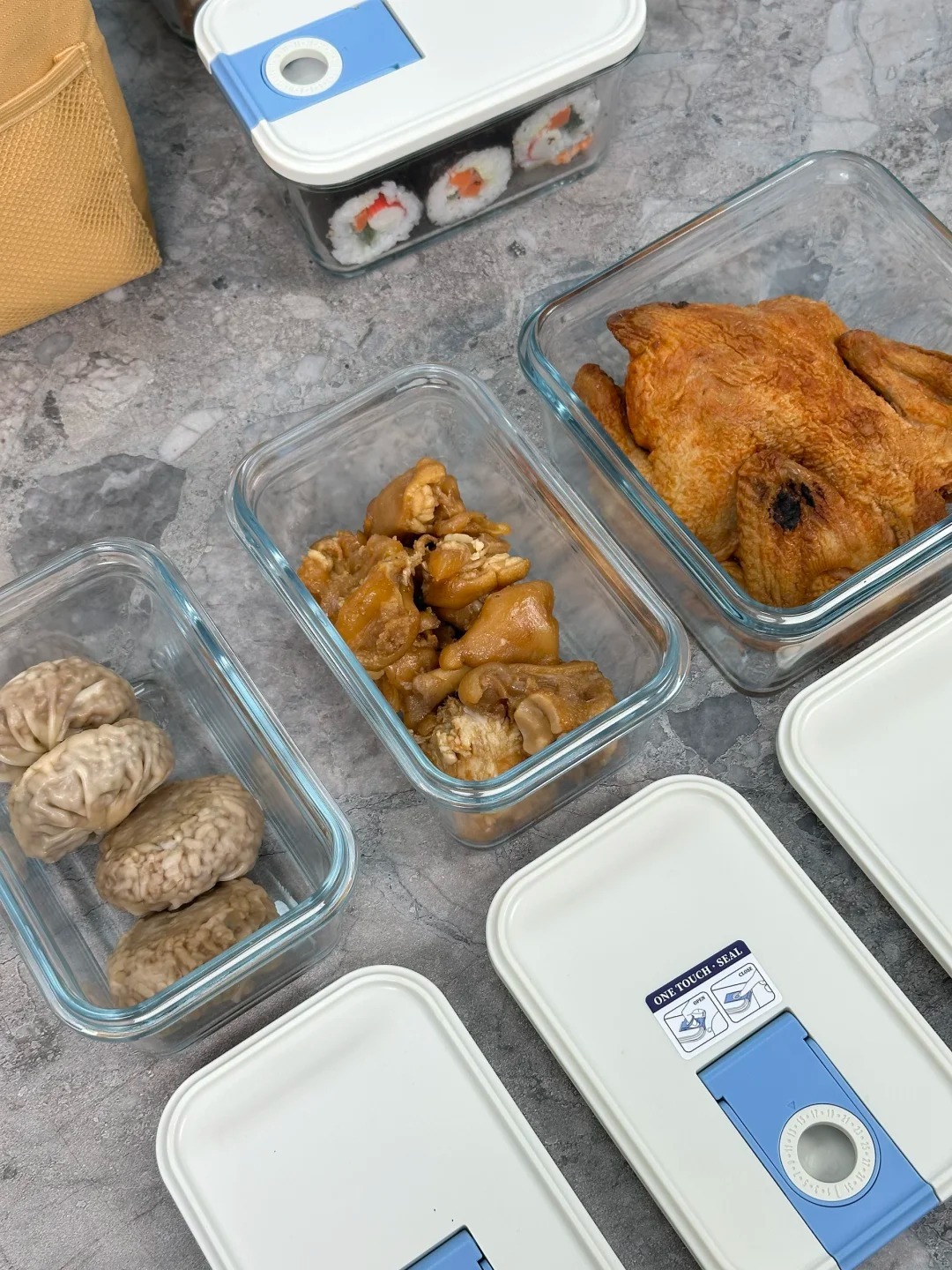
La salsa de tomate, el curry, el aceite de chile y los alimentos con aromas fuertes pueden decolorar o perfumar algunos plásticos. El vidrio tiene una superficie dura y no porosa, por lo que generalmente libera color y olor con mayor facilidad durante el lavado. Esto lo hace práctico para rotaciones de preparación de comidas en las que un recipiente contiene muchos alimentos diferentes.
2. El vidrio proporciona una superficie estable en contacto con los alimentos
El vidrio no depende de una matriz polimérica para formar el cuerpo del recipiente. Para los consumidores que desean reducir el contacto directo de los alimentos con el plástico, un cuerpo de vidrio es una opción sencilla. Sin embargo, “recipiente de vidrio” no siempre significa libre de plástico: muchos productos aún usan una tapa de plástico, junta de silicona, recubrimiento o componente decorativo. La condición de la superficie también importa. Deja de usar un recipiente de vidrio si está agrietado, muy astillado o dañado de otra forma. Un borde dañado puede interferir con el sellado y crear un riesgo de rotura.
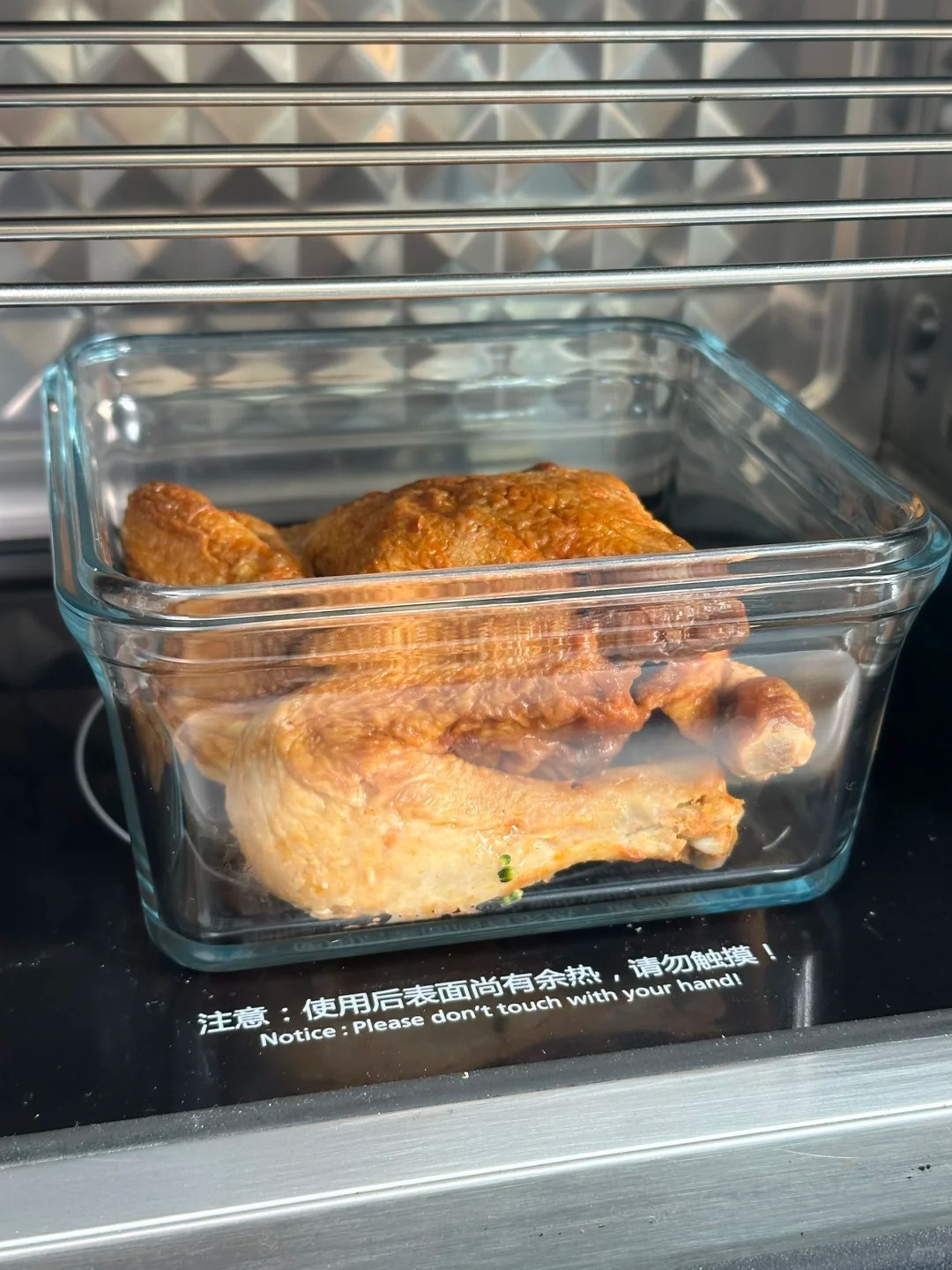
3. Algunos recipientes de vidrio pueden pasar de almacenamiento a recalentar
El vidrio apto para microondas puede ser conveniente para las sobras porque no es necesario transferir la comida a otro plato. El vidrio apto para horno puede ofrecer mayor flexibilidad, pero las afirmaciones de apto para microondas y apto para horno no son intercambiables. Sigue los límites de temperatura del producto y las instrucciones del aparato. Evita cambios bruscos de temperatura. Pasar vidrio muy frío directamente a un horno caliente, colocar vidrio caliente sobre una superficie fría o húmeda, o añadir líquido frío a vidrio caliente puede causar choque térmico. El uso en congelador requiere un producto apto para congelador, suficiente espacio para la expansión de la comida y transiciones de temperatura graduales.
4. Long service life can improve the reuse case
A durable glass container that replaces many disposable packages can spread its manufacturing impact across repeated uses. The benefit depends on how long it remains in service, how it is washed, how often it breaks, and what it replaces. Reuse is a system, not a property created by the word “glass.”
When Is Plastic Better Than Glass?
Plastic remains useful because it can deliver high performance with little material. That matters in school lunches, delivery, catering, chilled retail displays, high-volume foodservice, and any application where breakage would be unacceptable.
1. Plastic is lighter and easier to transport
A plastic container is generally easier to carry in a backpack, delivery bag, or catering case. Lower package weight can also reduce freight weight. For children, older adults, mobile workers, and delivery operations, this practical difference can outweigh glass’s resistance to staining.
2. Plastic tolerates drops and rough handling
Glass can break into sharp fragments. A suitable plastic container is often safer where containers are frequently dropped or handled in crowded environments. It is also easier to stack and distribute at foodservice scale.
3. Plastic supports more packaging formats
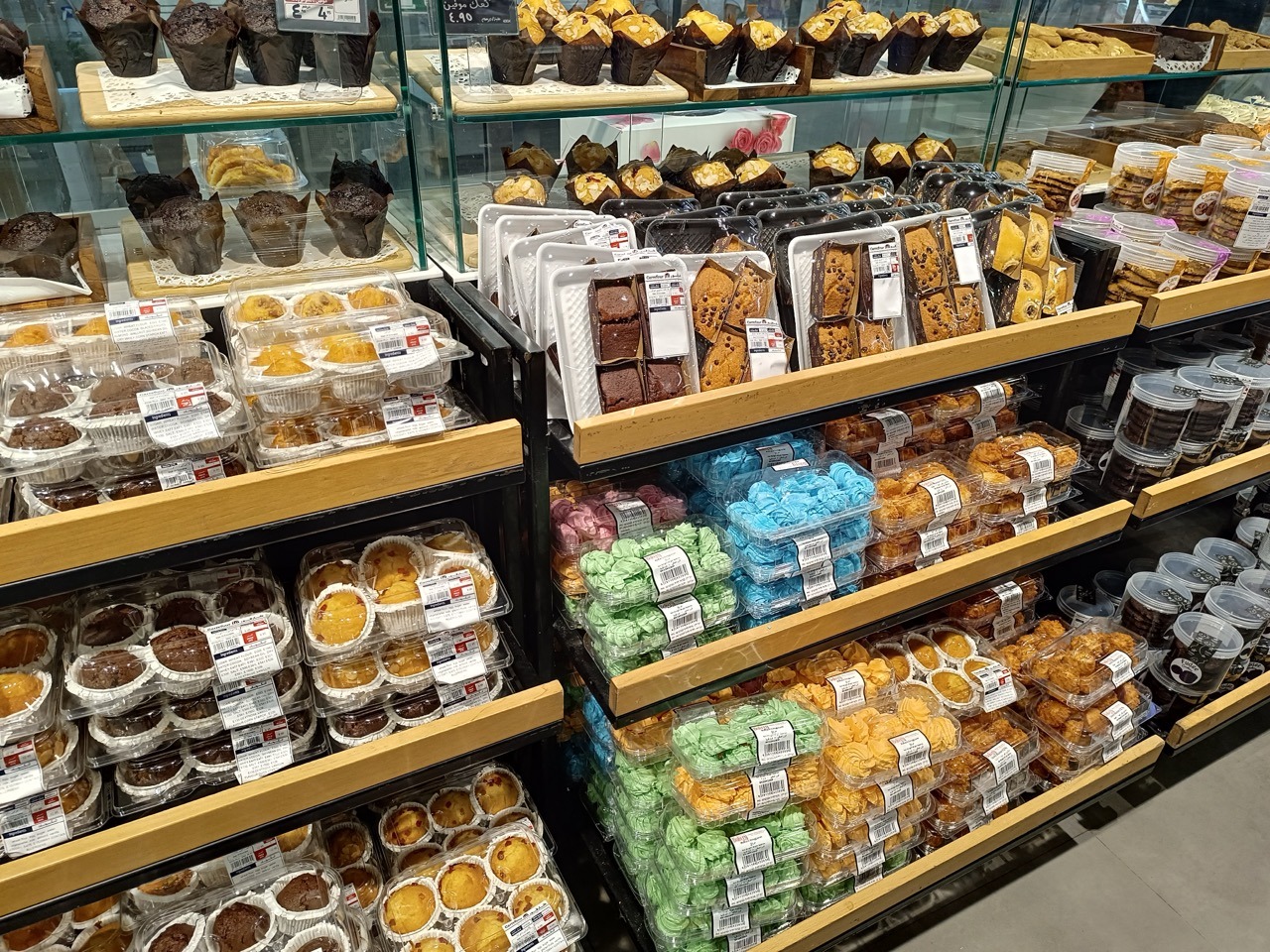
Manufacturers can form plastic into clear clamshells, hinged boxes, portion cups, soup containers, tamper-evident tubs, multi-compartment trays, and high-barrier structures. This is why plastic remains common for prepared foods where visibility, leak control, sealing, low weight, and unit cost must work together. For commercial buyers, material alone is not enough. The container must match the food, fill temperature, storage time, fat and acidity, transport conditions, and intended reheating method. See Manluen’s guide to choosing the right food packaging for a broader application-based checklist.
Is Glass Safer Than Plastic for Food Storage?
Glass is a simple choice when the goal is to minimize plastic contact with food, especially for repeated storage of strongly colored or aromatic foods. But the scientifically and legally accurate comparison is not “glass safe, plastic toxic.” In the United States, the FDA evaluates food-contact substances for specified food types and conditions of use. Those conditions distinguish uses such as refrigerated storage, frozen storage, hot filling, and reheating in the container. A material authorized for one use is not automatically suitable for every temperature or food. Buyers should therefore request documentation for the exact material and intended application. A statement such as “food grade” does not, by itself, establish suitability for microwaving, oven use, repeated dishwashing, or contact with hot, fatty foods. Manluen’s overview of which agencies regulate food packaging explains why compliance belongs to a defined use rather than a vague universal approval.
What about BPA?
BPA is associated with certain polycarbonate materials and epoxy coatings, not with every plastic food container. FDA removed authorizations for BPA-based polycarbonate in baby bottles and sippy cups in 2012 and for BPA-based epoxy coatings in infant-formula packaging in 2013 after petitions showed those uses had been abandoned. Those actions should not be restated as a ban on all BPA uses or all plastics in the United States. The European Union took a broader approach in Regulation (EU) 2024/3190, restricting BPA and certain other hazardous bisphenols in food-contact materials, with exemptions and transitional provisions for defined articles. The main transition date for many single-use and repeat-use final articles is 20 July 2026, but specific categories have different dates. Businesses selling into the EU should review the current rule and their product-specific declaration of compliance rather than rely on a generic “BPA-free” slogan.
Microplastics, Heating, and What the Research Shows
A 2023 study in Environmental Science & Technology tested polypropylene containers and reusable polyethylene-based food pouches with water and 3% acetic acid as food simulants. Among the tested scenarios, microwave heating produced the highest particle release. Some samples released up to 4.22 million microplastic particles and 2.11 billion nanoplastic particles per square centimeter after three minutes of microwave heating. Those numbers are important, but they should not be converted into a universal claim about every plastic container or a clinical diagnosis. Results depend on the tested material, liquid, temperature, time, and measurement method. The study also included an in-vitro cell experiment at a specified concentration; that does not prove that ordinary container use causes the same effect in people. The World Health Organization has identified major uncertainties and research needs concerning dietary and inhalation exposure to micro- and nanoplastics. A reasonable precaution is therefore to avoid heating food in packaging not designed for that purpose and to replace heavily worn reusable containers. It is not reasonable to claim that every plastic container produces the study’s maximum particle count. If you use plastic in a microwave:
- Use only a container explicitly labeled for microwave use.
- Follow the manufacturer’s time, temperature, and venting instructions.
- Do not assume a takeout tub, cold-food clamshell, or disposable tray is microwave-safe.
- Replace containers that are warped, cracked, deeply scratched, or otherwise damaged.
- Check the lid separately; it may have different instructions from the container body.
For more application-specific guidance, read Can You Microwave Food in a Plastic Container?
The Lid and Gasket Matter as Much as the Container Body
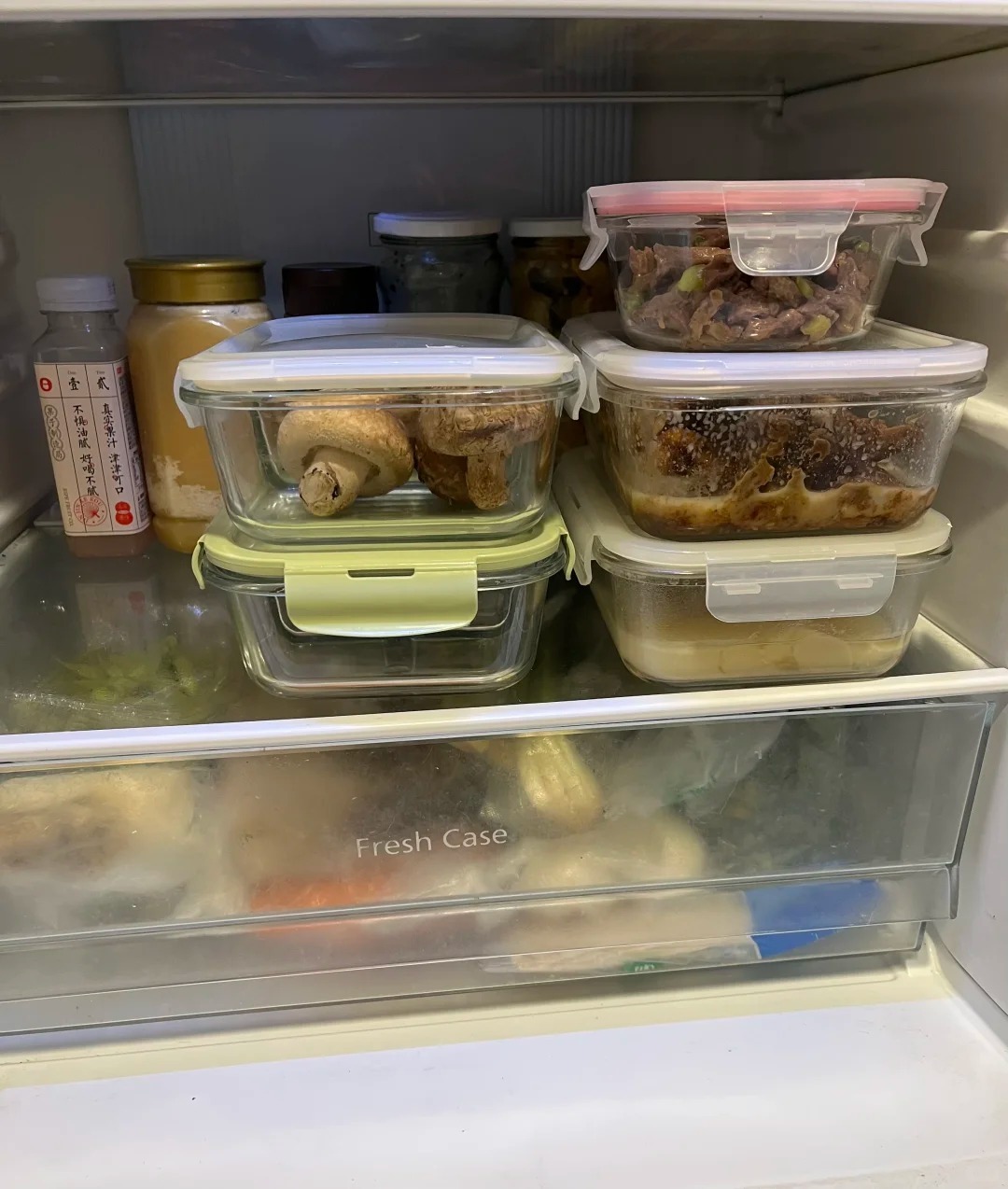
Many “glass” food containers use plastic lids and silicone seals. The lid may not be microwave-safe, oven-safe, dishwasher-safe, or suitable for direct contact with hot food even when the glass body is. Treat the body, lid, valve, and gasket as separate components. For freshness, the seal often matters more than whether the body is glass or plastic. A well-designed plastic container with a sound gasket can protect food better than a glass container with a warped lid. Check for:
- a continuous, undamaged gasket;
- a lid that closes evenly without rocking;
- no cracks around tabs, hinges, or vent valves;
- clean, dry sealing surfaces; and
- the correct orientation of removable seals.
Neither material can make perishable food safe indefinitely. Refrigeration temperature, time, hygiene, oxygen exposure, and the characteristics of the food remain decisive.
Glass vs Plastic for Meal Prep
For meal prep, many households do best with a mixed system rather than a single-material rule.
| Meal-prep situation | Usually the better fit | Why |
|---|---|---|
| Meals reheated at home | Microwave-safe glass | Resists stains and avoids transferring food before reheating |
| Lunch carried on public transport | Reusable plastic | Lighter and less likely to break |
| Tomato sauce, curry, or oily food | Vidrio | Usually easier to clean without lingering color or odor |
| Children’s lunches | Durable lightweight plastic | Lower weight and no shattered glass |
| Freezer batch cooking | Either, if freezer-rated | Fit, headspace, seal, and temperature transition determine success |
| Dry snacks | Either | Convenience and seal quality matter more than the body material |
Do not fill a glass freezer container to the rim; food expands as it freezes. Let hot food cool according to safe food-handling practices before freezing, and thaw glass gradually. With plastic, check that the product is intended for freezer use because some materials become brittle at low temperatures.
Glass vs Plastic Packaging for Food Businesses
The answer changes when the question moves from a reusable lunch container to commercial packaging.
When glass packaging makes sense
Glass can support premium shelf presentation, excellent clarity, flavor neutrality, and long shelf-life systems. It is common for sauces, preserves, beverages, and products where the package is part of the brand experience. Deposit-return or closed-loop reuse systems can strengthen the case when containers are returned, inspected, washed efficiently, and reused enough times. The tradeoffs are weight, breakage, pallet efficiency, protective secondary packaging, and higher handling costs. A glass jar is not automatically the lower-impact choice simply because glass is recyclable.
When plastic packaging makes sense
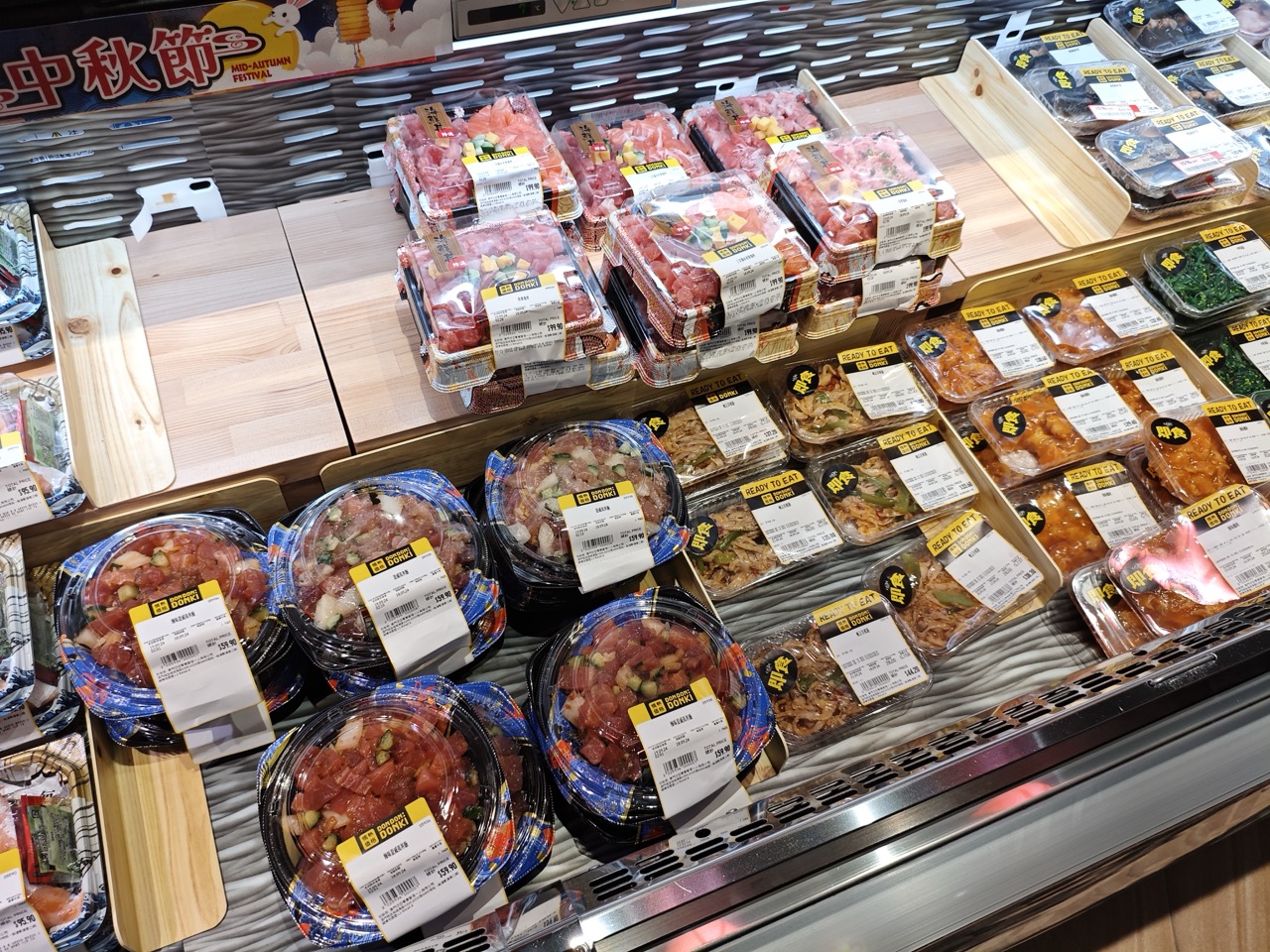
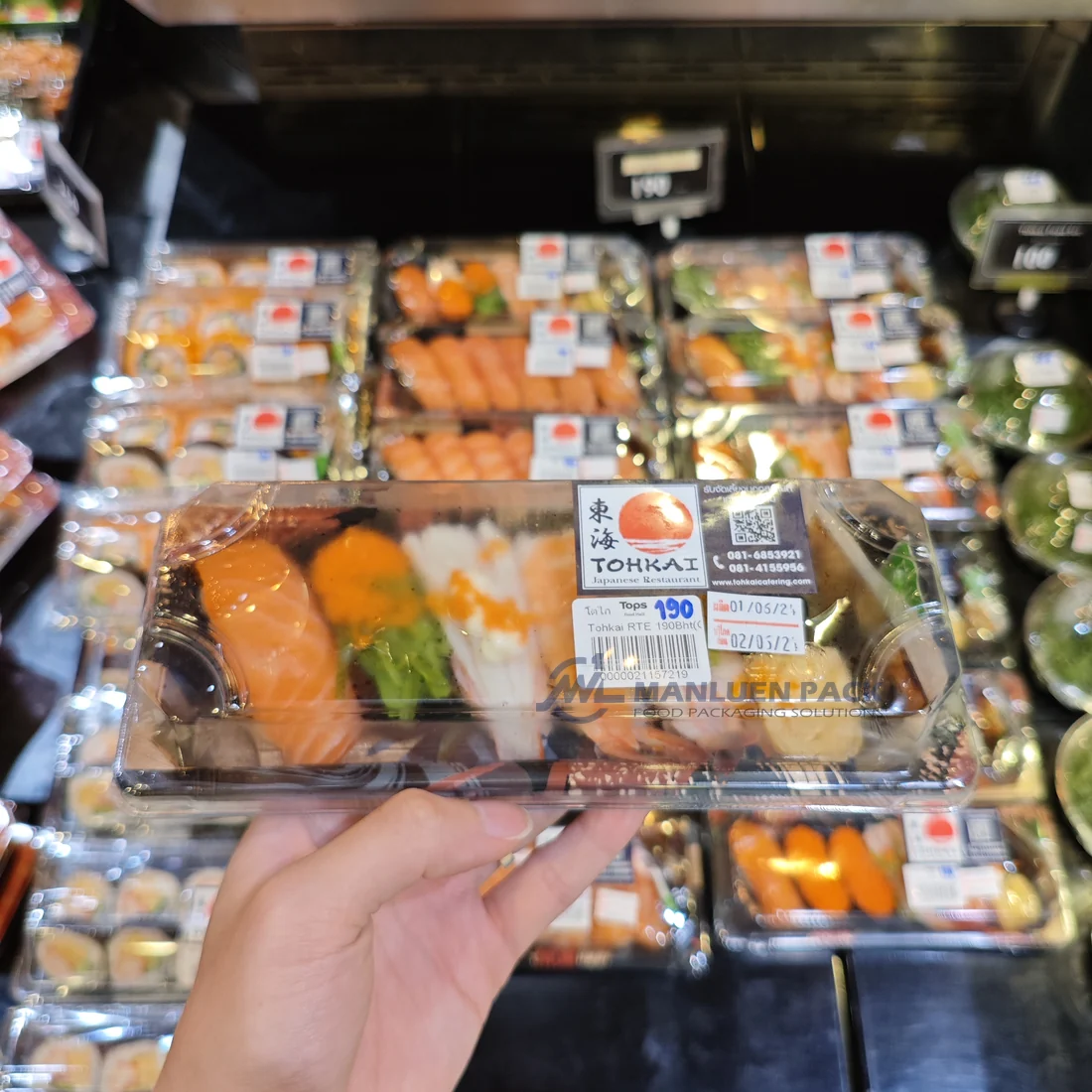
Plastic is often better for takeaway meals, chilled display, sushi, bakery items, deli foods, portion control, and delivery. It can provide clarity, sealing, grease resistance, and drop resistance with comparatively little material.
For sushi takeaway, compare sushi tray dimensions and capacity against the piece count, garnish, and available lid clearance.
For a foodservice buyer, the practical questions are:
- Is the pack for cold display, hot fill, reheating, or freezing?
- Does the food contain free oil, fat, alcohol, or acid?
- How long will the food remain in the package?
- Must the package be leak-resistant, tamper-evident, transparent, or stackable?
- Can the supplier document the material, additives, and intended conditions of use?
- Will the chosen format be accepted in the destination market’s recovery system?
Manluen’s contenedores de almacenamiento de alimentos cover several foodservice formats. Buyers should match a specific item—not just a resin name—to the actual menu, temperature, transport, and market requirements.
Is Glass More Sustainable Than Plastic?
There is no material-only answer. Sustainability changes with container weight, recycled content, manufacturing energy, transport distance, breakage, washing, reuse count, collection, and local recycling yield. The U.S. EPA’s latest comprehensive municipal solid-waste tables cover 2018. In that dataset, 31.3% of glass containers were recycled, compared with 13.6% of plastic containers and packaging overall. But plastic performance varied: PET bottles and jars were 29.1%, and natural HDPE bottles were 29.3%. These national, material-category figures do not predict whether a particular tray, lid, pouch, colored bottle, or small-format package will be recycled in a specific community. Glass can be recycled into new glass, and using clean cullet can reduce the energy and virgin raw materials needed in manufacturing. At the same time, glass is heavy and energy-intensive to melt. Plastic generally uses less material and weighs less in transport, but many plastic formats face low collection, sorting, or end-market access. UN Environment Programme lifecycle reviews emphasize that “single-use” can be a larger problem than the material name and that well-run reusable systems can keep resources in use longer. The strongest practical hierarchy is usually:
- prevent food loss with a package that works;
- avoid unnecessary packaging;
- reuse a durable container safely enough times;
- choose a design compatible with the local recovery system; and
- verify environmental claims for the exact supply chain.
How to Choose Between Glass and Plastic
Use this five-step decision:
Step 1: Define the real use
List food type, temperature, storage duration, transport, cleaning, and reheating. A cold bakery clamshell and a reusable soup container require different performance.
For one-way soup service, the guide to disposable bowls for hot soup explains how to compare serving volume, bowl construction, and lid fit.
Step 2: Check the complete container
Review the body, lid, gasket, hinge, valve, coating, and label. Do not let a strong container body hide a weak seal or an incompatible lid.
Step 3: Verify instructions and documentation
Look for product-specific microwave, oven, freezer, dishwasher, and reuse instructions. Commercial buyers should obtain supporting food-contact documentation for the intended market and use.
Step 4: Consider the actual number of uses
Choose glass only if it is likely to remain in circulation rather than break or sit unused. Choose reusable plastic only if it will be washed, maintained, and reused rather than treated as disposable.
Step 5: Check local end-of-life options
Do not use a recycling symbol or a general claim as proof of local acceptance. Check the collector or municipal program for the exact material and format.
Preguntas frecuentes
Is glass better than plastic for storing food?
Glass is often better for repeated home storage, especially for foods that stain or retain odors. Plastic is often better for portable lunches, delivery, children, and situations with high drop risk.
Is glass better than plastic for reheating food?
Microwave-safe glass is a strong option for repeated reheating, but it must be used within the manufacturer’s limits. Plastic should be heated only when the exact container is labeled for microwave use. Check the lid separately.
Does food stay fresh longer in glass?
Not automatically. Freshness depends heavily on seal quality, headspace, temperature, moisture, oxygen, and storage time. Either material can work well with a sound airtight closure.
Can glass food containers go in the freezer?
Only if the product is designed for freezing. Leave expansion space, avoid over-tight filling, and prevent sudden temperature changes.
Should I throw away all plastic food containers?
No. Use each container only for its intended purpose and replace it when damaged or no longer sealing properly. A durable plastic container may be the most practical choice for lightweight transport and drop-prone settings.
Is glass packaging always more recyclable?
No. Both materials depend on local collection, sorting, contamination, color, format, and end markets. A package can be technically recyclable but not accepted where it is sold.
What is the best choice for a restaurant or takeaway business?
Plastic is often more practical for one-way takeaway because it is lightweight, shatter-resistant, and available in many functional formats. Glass can suit premium retail products or managed return systems. The final choice should be based on the food, process, distribution route, compliance documentation, and local waste system.
Conclusión
So, is a glass food container better than plastic? Glass is usually the better fit for repeated home storage, stain and odor resistance, and careful reheating in a rated container. Plastic is usually the better fit for lightweight transport, drop resistance, low-cost foodservice, and packaging formats that need clarity, sealing, or design flexibility. The most defensible decision is not based on a material slogan. Choose the lightest package that safely protects the food, use it only under its documented conditions, reuse it where the system genuinely supports reuse, and confirm that the final format has a realistic recovery route.
References
- U.S. FDA: Food Types & Conditions of Use for Food Contact Substances
- U.S. FDA: Food Packaging & Other Food-Contact Substances
- U.S. FDA: BPA Use in Food-Contact Applications
- European Union: Commission Regulation (EU) 2024/3190
- Environmental Science & Technology: Plastic Container and Food-Pouch Particle Release Study
- World Health Organization: Dietary and Inhalation Exposure to Nano- and Microplastic Particles
- U.S. EPA: Containers and Packaging Product-Specific Data
- UN Environment Programme: Addressing Single-Use Plastic Products Pollution Using a Life Cycle Approach

ManLuen Plastic Packaging Company, especializada en la producción de embalaje de alimentos de plástico durante más de 20 años. Nuestros productos están hechos de PP virgen y libre de BPA, cumpliendo con las normas de la FDA y europeas.
 ES
 EN
 ZH
 FR
 PT
 KO
 JA