
Para compradores que comparam embalagens em várias linhas de alimentos refrigerados, os mesmos materiais, fechos e verificações de manuseio também se aplicam a bandejas descartáveis de sushi usados por supermercados, restaurantes e balcões de takeaway.
Introdução
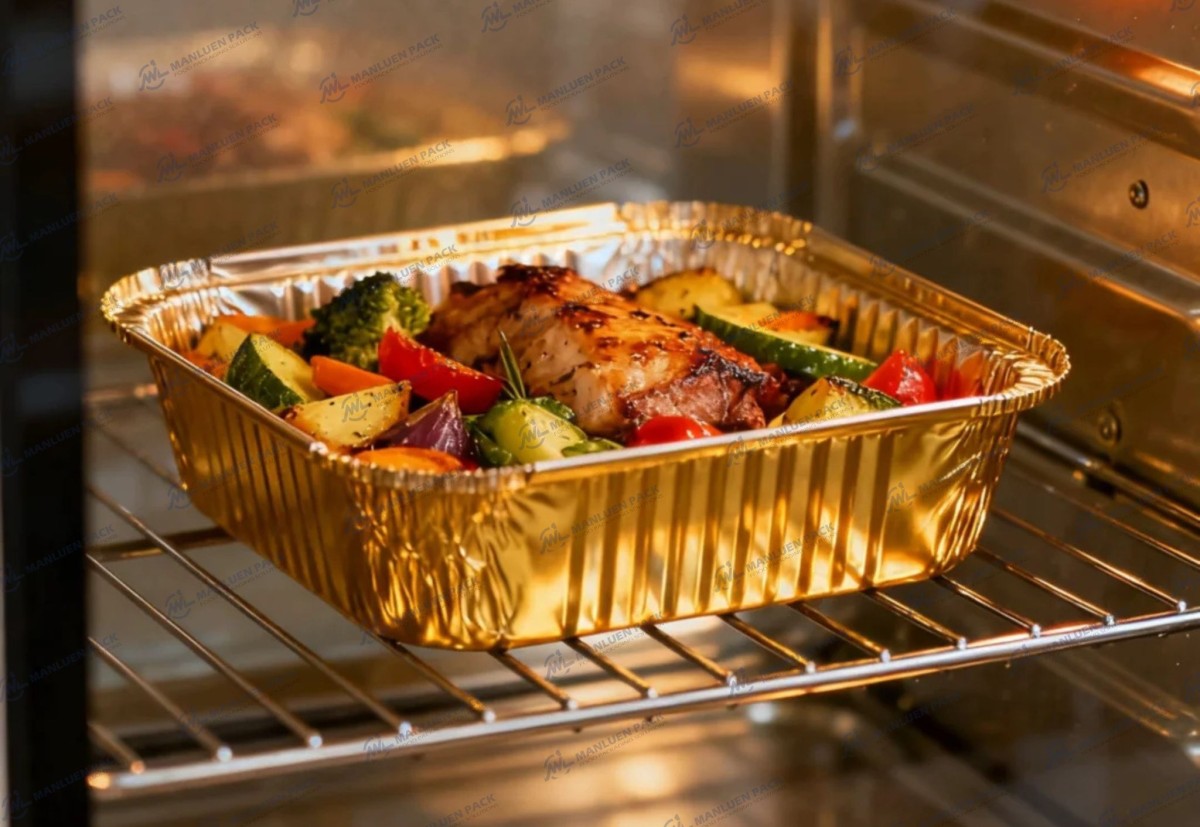
Recipientes de alumínio de papel alumínio funcionam bem para assar, catering, refeições para levar, armazenamento refrigerado e aplicações em congelador.
Conduzem calor, bloqueiam luz e humidade, e empilham de forma eficiente. Estas vantagens tornam-nos úteis em restaurantes, cafés, padarias, operações de preparação de refeições e balcões de alimentos ao retalho.
Não são adequados para todas as situações. Alimentos ácidos ou salgados podem reagir com alumínio nu durante contacto prolongado ou quente. ‘
Uma bandeja de papel alumínio não deve ser colocada no micro-ondas a menos que as instruções do pacote de alimentos e do aparelho permitam especificamente. Tampas também precisam de verificações separadas porque materiais como cartão, PET, PS e outros têm limites diferentes. Este guia explica como usar recipientes de alimentos de papel alumínio de forma segura e como comparar produtos antes de comprar. Os compradores podem consultar a gama de recipientes de papel alumínio da ManLuen e a atual série de produtos de recipientes de papel alumínio enquanto revisam os pontos abaixo.
Por que os negócios de alimentos usam recipientes de papel alumínio
Desempenho de barreira forte
O alumínio oferece uma barreira forte contra luz, oxigénio, humidade e odores. Isto ajuda a proteger a qualidade dos alimentos durante o armazenamento e transporte. O recipiente ainda precisa de uma tampa ou cobertura adequada porque a abertura permanece como a principal via de perda de humidade e contaminação.
Faixa de temperatura útil
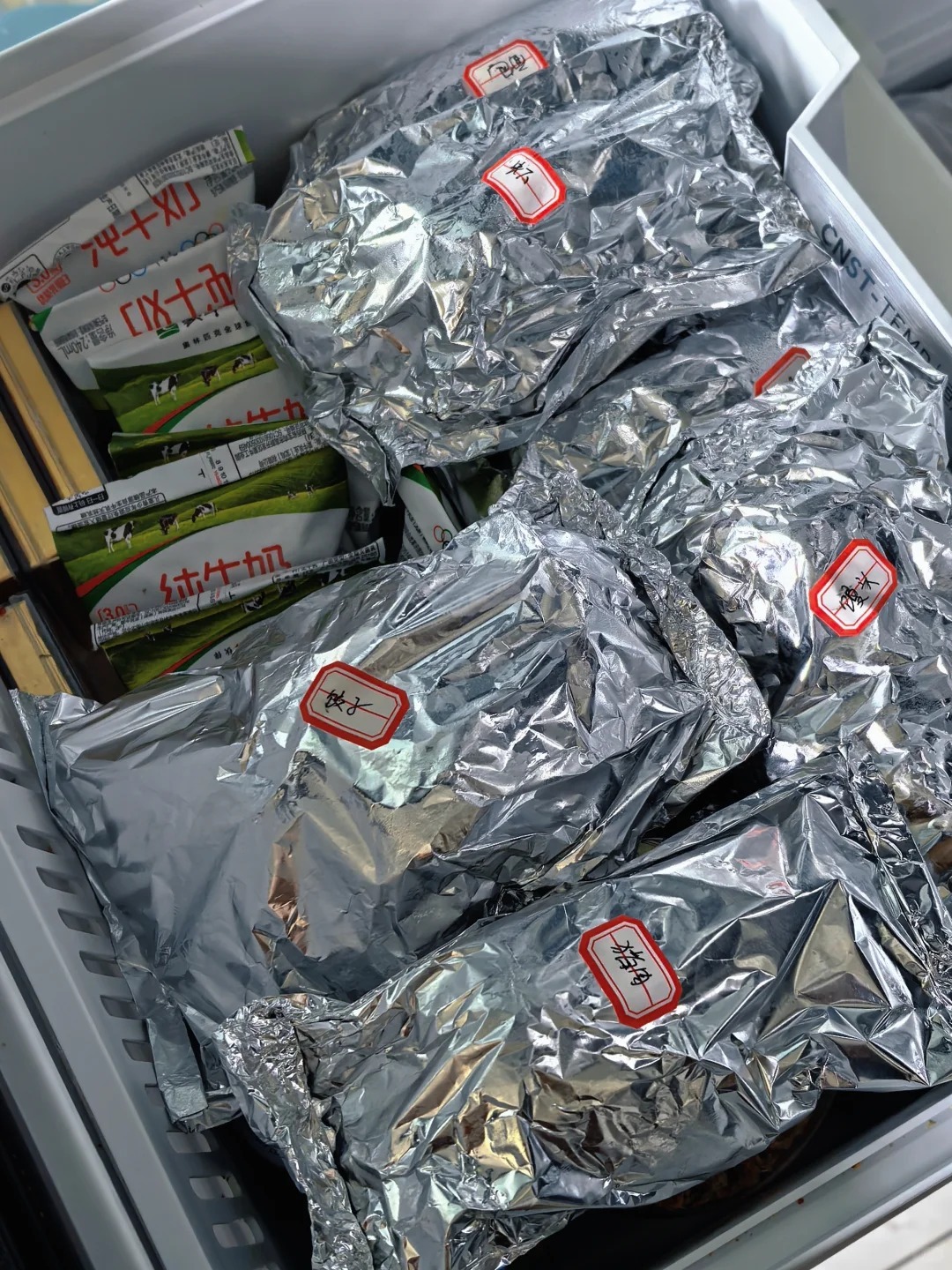
Uma base de alumínio pode suportar melhor o calor do forno convencional e o congelamento do que muitos plásticos de exibição comuns. No entanto, o pacote completo pode ter um limite inferior. Uma tampa de plástico, tampa de cartão, revestimento, adesivo ou componente impresso pode determinar a temperatura utilizável. Use as instruções do produto fornecidas para o SKU exato. Remova qualquer tampa que não seja projetada para uso em forno antes de aquecer. Não coloque uma bandeja de papel alumínio diretamente num elemento de aquecimento exposto ou chama.
Baixo peso e empilhamento fácil
Os recipientes de papel alumínio são leves e encaixam-se de perto quando vazios. Isto pode reduzir o espaço na prateleira e facilitar o manuseio na cozinha. Os compradores devem comparar as dimensões da embalagem, peças por embalagem, configuração do palete e deformações durante o transporte, em vez de julgar a logística apenas pelo peso de uma bandeja.
Planeamento de porções e menu simples
Recipientes de alumínio retangulares e redondos estão disponíveis em tamanhos individuais, familiares, para catering e padaria. Um tamanho fixo de bandeja pode ajudar a equipa a embalar porções consistentes. Recipientes profundos são adequados para ensopados ou refeições assadas, enquanto bandejas rasas são ideais para assados, acompanhamentos e produtos de padaria. Para uma comparação mais ampla com PP, PET, papel, bagaço e outros formatos, consulte o guia da ManLuen sobre materiais de embalagem de alimentos.
WL-1711 e a Série de Recipientes de Alumínio da ManLuen
As imagens de origem neste artigo mostram o WL-1711. A tabela de produtos atual da ManLuen lista o WL-1711 com 170 × 115 × 35 mm e 1.000 unidades por palete. A mesma série inclui várias outras pegadas e profundidades.
| Modelo | Tamanho listado | Peças por palete |
|---|---|---|
| WL-C5 | 120 × 100 × 45 mm | 1,000 |
| WL-C10 | 150 × 115 × 50 mm | 1,000 |
| WL-1711 | 170 × 115 × 35 mm | 1,000 |
| WL-2650 | 168 × 138 × 45 mm | 1,000 |
| WL-1650 | 200 × 110 × 45 mm | 1,000 |
| WL-2114 | 212 × 142 × 45 mm | 1,000 |
| WL-2216 | 225 × 155 × 50 mm | 1,000 |
Estas são dimensões externas, não capacidades internas verificadas. O ângulo da parede, o design da borda e a folga da tampa afetam o volume utilizável. Solicite amostras e embale o menu real antes de definir um tamanho de porção ou publicar uma reivindicação de capacidade.
Cozinhar com um recipiente de papel alumínio é seguro?
Recipientes de alumínio de grau alimentício podem ser adequados para contato com alimentos quando o material, o processo de fabricação e o uso pretendido atendem aos requisitos aplicáveis. A segurança não é estabelecida apenas pelas palavras “grau alimentício”. Os compradores devem confirmar a liga ou especificação, revestimentos, lubrificantes, tampa, tipo de alimento, tempo e temperatura. O alumínio possui uma camada de óxido naturalmente presente, mas isso não o torna completamente inerte sob todas as condições. Sal, vinagre, tomate, citrinos e outros ingredientes ácidos podem aumentar a interação com o alumínio nu, especialmente durante contato prolongado ou aquecimento. Orientações de entidades reguladoras indicam que sal, vinagre, alimentos ácidos e alimentos altamente condimentados podem causar pitting ou descoloração na folha de alumínio. Para pratos ácidos ou salgados, reduza o tempo de armazenamento em alumínio nu ou escolha um recipiente com revestimento adequado para contato com alimentos. Não utilize um recipiente riscado ou gravemente danificado. Guia detalhado da ManLuen, O papel de alumínio é seguro para embalagens de alimentos?, explica a migração, revestimentos e verificações de compra com mais detalhes.
Portugal
A autoridade reguladora regula as substâncias em contato com alimentos de acordo com o seu uso pretendido. O tipo de alimento, o tempo de contato e a temperatura fazem parte da avaliação de segurança. Portanto, o comprador deve solicitar documentação para o recipiente completo, incluindo qualquer revestimento, lubrificante, adesivo, tinta e componente da tampa. Evite tratar “aprovado pela autoridade reguladora” como um certificado universal de embalagem final. O artigo Qual agência aprova embalagens de alimentos? explica como funciona a autorização de contato com alimentos em Portugal.
União Europeia
O Regulamento (CE) nº 1935/2004 fornece o quadro geral para materiais destinados a entrar em contato com alimentos na UE. Exige que os materiais de contato com alimentos evitem transferir constituintes em quantidades que possam colocar a saúde em risco, alterar de forma inaceitável o alimento ou prejudicar suas propriedades sensoriais. O Regulamento da UE nº 10/2011 diz respeito a materiais e artigos plásticos. Pode aplicar-se a uma tampa de plástico ou componente plástico, mas não é a base legal principal para uma bandeja de alumínio. Os compradores devem solicitar aos fornecedores que identifiquem qual regra ou teste se aplica a cada componente. 
Oven, Air Fryer, Microwave, and Freezer Use
| Use | General guidance | What to verify |
|---|---|---|
| Conventional oven | Often suitable for the aluminum base | Maximum temperature, lid removal, coating, depth, and support tray |
| Air fryer | May be suitable when the appliance permits metal trays | Airflow, tray stability, clearance from the element, and appliance instructions |
| Microwave | Do not assume it is safe | Specific food-package instructions and the microwave manufacturer’s manual |
| Freezer | Often suitable for the aluminum base | Lid fit, food expansion, sealing method, and freeze-thaw performance |
Conventional ovens
Foil trays are widely used for baking and reheating. Support thin containers on a baking sheet when moving them, especially when they hold liquid or heavy food. Follow the supplier’s maximum-temperature and time instructions. Remove plastic lids unless the lid documentation expressly allows oven use.
Air fryers
An aluminum container may work in an air fryer if the appliance manufacturer permits metal cookware. The tray must sit securely and allow enough airflow. Keep it away from the heating element. An empty or very light tray can move in strong circulating air, so never operate it in a way that lets the foil contact the element.
Microwave ovens
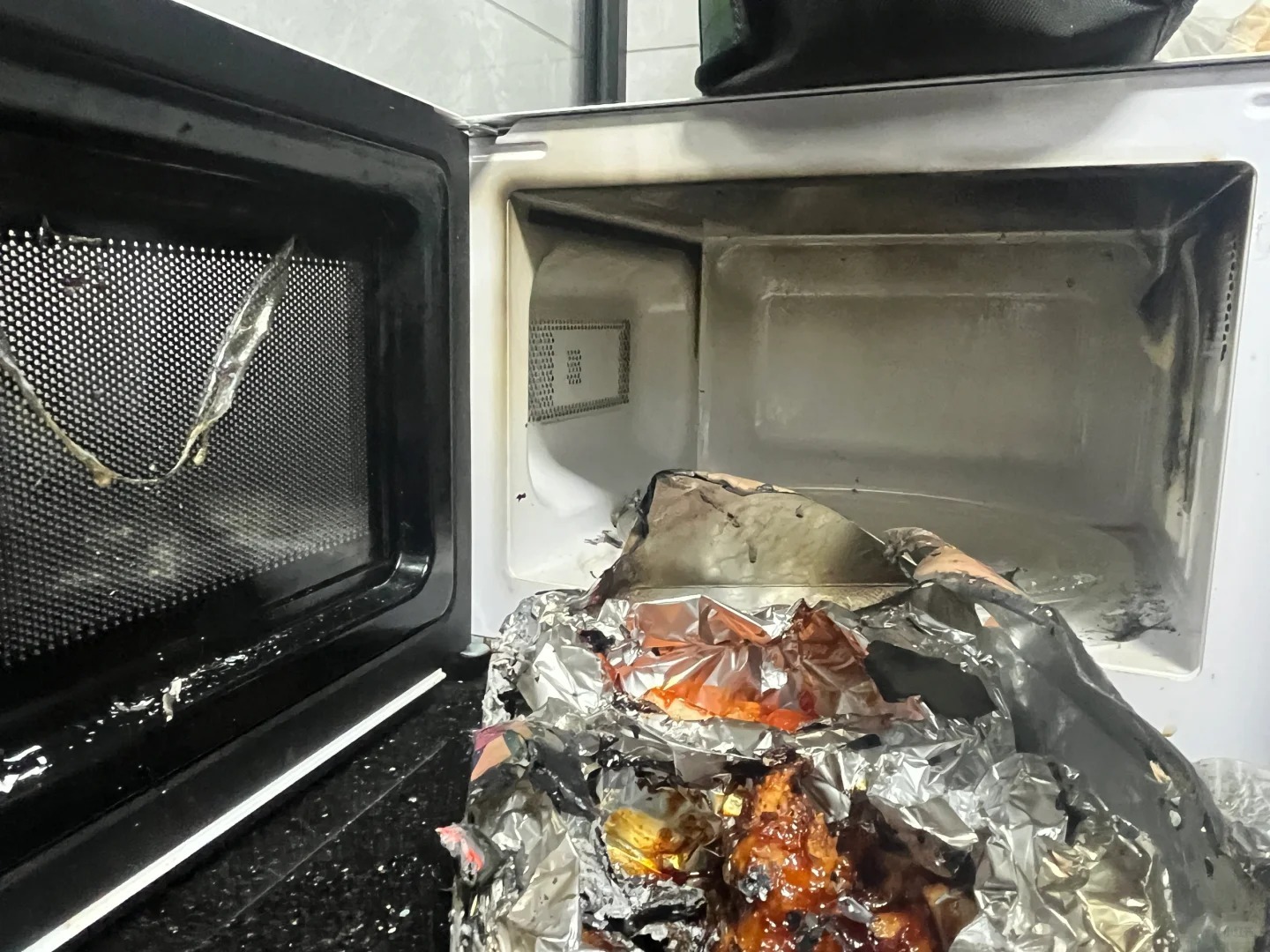
The safest general rule is to transfer food to a clearly microwave-safe container. FDA guidance says metal pans and aluminum foil generally should not be used because metal reflects microwaves and can cause uneven heating or damage. USDA guidance adds that some foods sold in foil containers may be microwaveable when the package provides specific heating instructions. Do not place a foil container in a microwave based only on material marketing. Check both the package instructions and the appliance manual. Stop immediately if arcing or sparking occurs.
Freezers
Aluminum bases can suit frozen storage, but the complete package still needs validation. Leave headspace for expanding food. Test whether the lid stays secure and whether the rim deforms during freezing, stacking, thawing, and transport.
Lids, Sealing, and Delivery Performance
A foil base alone does not make a package leakproof. Delivery performance depends on the rim, lid geometry, crimp, closure method, fill level, food viscosity, and transport position. ManLuen’s product page lists PS/PET lids for one configuration in the foil-container series. That information should not be applied automatically to every model. Ask which lid matches the chosen tray and whether it is suitable for the food temperature and storage method. Before ordering, run a filled-product test:
- Fill the container with the actual meal at the normal serving temperature.
- Clean the rim and close or crimp the lid using the intended process.
- Tilt the package and check each edge.
- Stack it at the expected delivery height.
- Transport it for the normal route and time.
- Check for leakage, lid movement, rim damage, and food contact with the lid.
Thin sauces may need a separate sealed sauce cup. Chilled deli meals may also suit a different food storage container when visibility or snap-lid closure matters more than oven use.
Cost and Operational Considerations
Unit price gives an incomplete picture. Compare the cost of the base, lid, label, sealing process, cartons, storage, freight, damaged units, and labor. Nested foil trays can save shelf space, but they may stick together if handled roughly. Thin walls reduce material use, while heavier gauges may improve rigidity. The best balance depends on fill weight and handling. A lightweight tray that bends under the actual meal can cost more through spills and complaints. Custom printing or embossing can support branding, but buyers should first confirm that the decoration system suits food contact, heating, and recycling requirements. Standard sizes usually offer simpler tooling and lower order requirements than a new custom mold. For additional sourcing comparisons, read how to choose the right food packaging and ManLuen’s overview of aluminum foil packaging for food preparation and storage. 
Recycling and Environmental Claims
Aluminum can be recycled repeatedly, and producing recycled aluminum uses far less energy than producing primary aluminum. The International Aluminium Institute reports a 95.5% difference in primary energy demand between the global primary-aluminum model and the recycled-aluminum datasets used in its comparison. That does not mean every used foil food container will be recycled. Food residue, attached lids, coatings, collection rules, sorting equipment, and local markets affect acceptance. The complete package may contain several materials even when the base is aluminum. Use specific wording. “Aluminum base that may be recyclable where accepted” is more accurate than “100% eco-friendly.” Give customers instructions on removing the lid and clearing food residue when local programs require it. For broader supplier and environmental checks, see Sustainable Food Packaging Trends 2026.
Wholesale Buyer Checklist
Ask for the following information before approving a bulk order:
- model number, dimensions, capacity, rim style, and wall thickness or gauge;
- aluminum specification and any surface coating;
- matching lid material and closure method;
- approved food types, contact time, and temperature range;
- oven, air-fryer, microwave, refrigeration, and freezer instructions;
- food-contact documentation for the destination market;
- migration or composition testing relevant to the stated use;
- pieces per carton, carton dimensions, pallet details, and lead time;
- MOQ for standard and custom versions;
- production samples and a filled-food transport test.
Company-level certificates can support supplier qualification, but they do not replace the report for the exact product. Review ManLuen’s certification information and request the SKU-specific documents with the quotation. Buyers can also compare this article with aluminum foil food containers for takeaway meals and ManLuen’s current food-service aluminum container overview.
Perguntas Frequentes
Can aluminum foil containers go in the oven?
Many aluminum bases are suitable for conventional oven use, but buyers should follow the product’s temperature and time limits. Remove any lid that is not rated for oven use and support flexible trays when moving them.
Can aluminum foil containers go in an air fryer?
They may be suitable when the air-fryer manufacturer allows metal trays. Keep the tray stable, maintain airflow, and prevent contact with the heating element. Follow both the appliance and container instructions.
Can aluminum foil containers go in a microwave?
Do not assume they can. Transfer food to microwave-safe cookware unless the packaged-food instructions and microwave manual specifically permit the foil container. Stop heating immediately if sparking occurs.
Are aluminum foil containers safe for acidic food?
Short contact may be acceptable for an appropriate food-grade product, but acidic and salty foods can increase interaction with bare aluminum. For long storage or heating, use a suitable coated container or another material and follow product-specific instructions.
Are aluminum foil containers leakproof?
Leak resistance depends on the rim, lid, closure, food, and handling. Test the chosen base-and-lid combination with the actual meal. Do not use a general “leakproof” claim without a suitable test.
Are aluminum foil containers recyclable?
The aluminum base may be recyclable where local facilities accept cleaned foil packaging. Remove food residue and separate other components when required. Check local rules before making a recyclability claim.
How can I request samples or a quote?
Send the model, dimensions, food type, fill temperature, lid requirement, quantity, and destination market through ManLuen’s request-a-quote page.
Conclusão
Aluminum foil containers are useful for baking, freezing, takeaway, catering, and prepared meals when the product matches the food and process. Choose the base and lid together. Confirm temperature limits, food-contact documents, sealing performance, carton details, and local recycling conditions. Test samples with the actual meal before ordering at scale. For more practical packaging guidance, browse ManLuen’s food packaging articles.
Fontes e Leitura Adicional
- ManLuen — High Quality Aluminum Foil Containers. Used for the WL-1711 series dimensions, carton quantities, materials, and stated applications.
- U.S. Food and Drug Administration — Food Packaging and Food Contact Substances. Used for the intended-use food-contact framework.
- U.S. Food and Drug Administration — Microwave Ovens. Used for general guidance on metal containers and microwave use.
- USDA Food Safety and Inspection Service — Cooking with Microwave Ovens. Used for the conditions under which packaged food in foil containers may include microwave instructions.
- USDA Food Safety and Inspection Service — Meat and Poultry Packaging Materials. Used for the discussion of aluminum foil and acidic or salty foods.
- EUR-Lex — Regulation (EC) No 1935/2004. Used for the EU’s general food-contact material requirements.
- International Aluminium Institute — Aluminum Recycling Energy Comparison. Used for the comparison between primary and recycled aluminum energy demand.

ManLuen Plastic Packaging Company, especializada na produção de Embalagens de Alimentos de Plástico há mais de 20 anos. Os nossos produtos são feitos de PP virgem e livre de BPA, em conformidade com os padrões da FDA e Europeus.
 PT
 EN
 ZH
 FR
 ES
 KO
 JA