

Introduction
A safe plastic bento box must suit the food, temperature, storage time, and delivery method for which it will be used. Material names alone do not provide that answer. A PP container may suit some hot meals and reheating applications, while a PS or OPS container may be better for chilled display. The exact product specification still matters.
For restaurants, caterers, and food distributors, the wrong container can lead to warped bases, loose lids, leaks, damaged presentation, and customer complaints. The right box protects the meal and makes packing more consistent.
This guide compares PP and PS bento boxes, explains the documents buyers should request, and provides a practical checklist for wholesale orders. You can also compare current disposable bento boxes with lids before requesting samples.
What Is a Plastic Bento Box?
A bento box is a meal container that holds one or more foods in a single package. Many designs use compartments to separate a main dish, rice, vegetables, and side dishes. Other models use one open section for a larger meal.
Disposable plastic bento boxes are common in takeaway restaurants, supermarket prepared-food counters, catering operations, meal-prep services, and delivery kitchens. Their main advantages are low weight, stackability, portion control, and quick cleanup.
The container must still match the menu. A three-compartment box that works for rice and cooked dishes may not suit soup. A clear chilled-food tray may present sushi well but may not be intended for microwave reheating. For a broader overview of available formats, read our guide to disposable plastic bento box packaging.

PP and PS Plastic Bento Boxes: The Main Differences
| Buying factor | PP bento box | PS or OPS bento box |
|---|---|---|
| Common use | Cooked meals, meal prep, takeaway dishes, and some reheating applications | Chilled or room-temperature meals, sushi, bakery items, and display packaging |
| Appearance | Often translucent or colored | Can provide a clear or presentation-focused lid or tray, depending on the grade and design |
| Heat use | Some products are designed for hot filling or microwave reheating | Do not use for heating unless the exact product is specifically designed and documented for it |
| Impact and handling | Usually flexible and resistant to ordinary takeaway handling | Often more rigid; buyers should check brittleness and performance at the intended storage temperature |
| Buyer documentation | Material specification, intended-use statement, food-contact evidence, and temperature limits | Material specification, intended-use statement, food-contact evidence, and a clear restriction on heat use where applicable |
These are general buying differences, not universal product guarantees. Resin formulation, thickness, additives, lid construction, and manufacturing method can change performance. Our food packaging materials guide provides a wider comparison of PP, PET, PS, OPS, paper, aluminum, and fiber-based options.
PP Plastic Bento Boxes for Cooked Meals
Polypropylene is widely used for meal-prep and takeaway containers. It combines low weight with useful flexibility and heat resistance. This makes PP a common option for rice meals, cooked vegetables, pasta, and other prepared foods.
21 CFR 177.1520 covers specified olefin polymers, including polypropylene, subject to its specifications and limitations. The regulation does not mean that every finished PP box is automatically suitable for every food or temperature.
Microwave Use Requires Product-Specific Evidence
Do not approve a PP bento box for microwave use from the resin name alone. Check the manufacturer’s instructions for the exact base and lid. The box should be labeled or documented for the intended reheating conditions.
USDA notes that plastics suitable for microwave ovens are normally labeled for microwave use. It also advises against using packaging that warps or melts during heating. Our detailed guide on microwaving food in plastic containers explains the checks customers and food businesses should follow.
When testing a PP box, use the actual meal and portion size. Fatty foods, sauces, and concentrated hot spots can expose parts of the container to more heat than water-rich foods. Check whether the lid must be removed or vented.
Check the Closure as Well as the Base
A strong PP base does not make a complete package leak-proof. Fill the box with the intended food, close every corner, and tilt it under controlled conditions. Repeat the test after stacking and transport.
Dividers inside a multi-compartment box may separate solid foods without stopping thin sauces. Use a separate sealed sauce cup when necessary.
PS and OPS Bento Boxes for Cold Food and Display
Polystyrene-based packaging is often selected for chilled foods and presentation-focused applications. Depending on the grade and design, it can provide a rigid base, a clear lid, or both. Common uses include sushi, salads, fruit, desserts, and bakery items.
21 CFR 177.1640 addresses polystyrene and rubber-modified polystyrene that meet the regulation’s requirements. As with PP, compliance depends on the complete formulation and intended conditions of use.
Do not present an ordinary PS or OPS bento box as microwave-safe without product-specific evidence. If a chilled-food package may reach the customer with reheating instructions, print the restriction clearly on the label or provide another suitable container.
Presentation and Cold-Chain Performance
For sushi and prepared-food counters, test lid clarity after refrigeration. Condensation, scratching, and poor lid fit can reduce visibility. Check whether garnishes touch the lid and whether pieces move when the tray is carried.
Buyers serving sushi can compare sushi tray options and review our guide to plastic materials for sushi trays. Bakeries should use packaging designed for the height and support needs of their products rather than treating every clear bento box as a cake container.
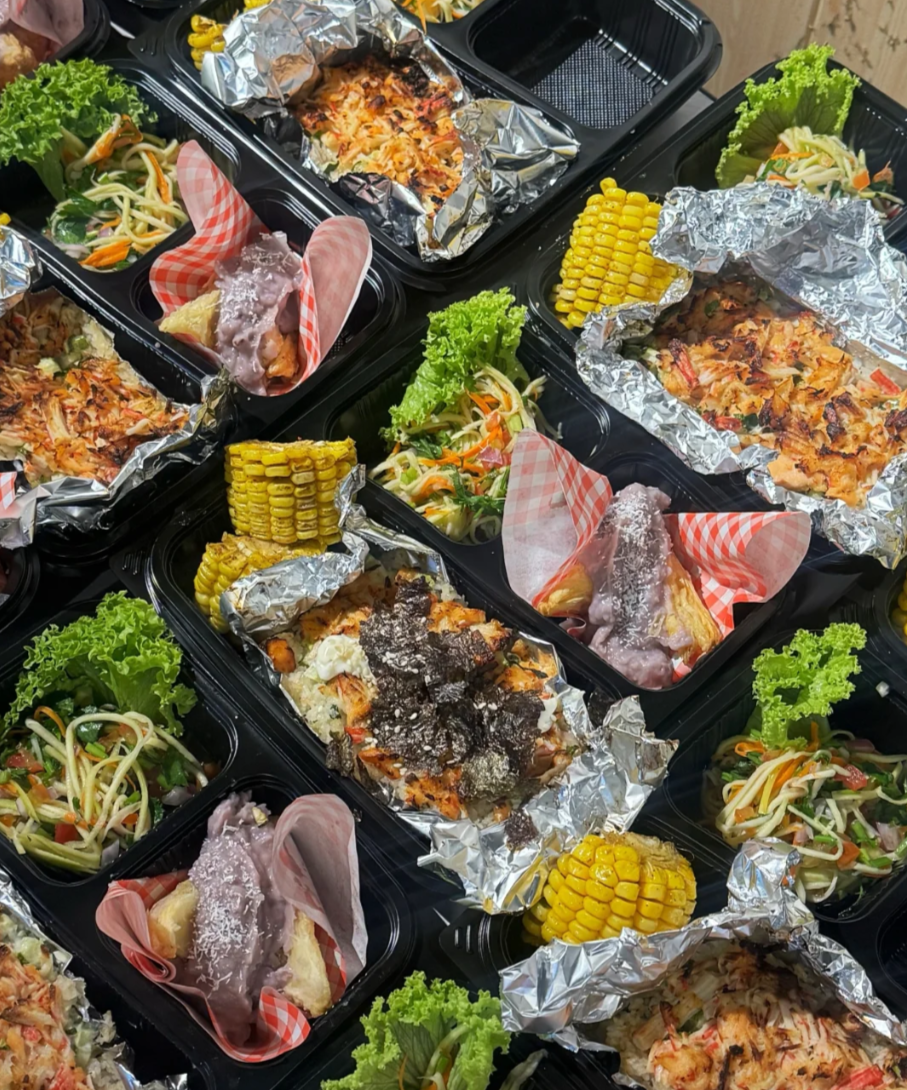
How Safer Packaging Supports a Food Business
Packaging does not create demand by itself, but it can protect the work already invested in the food. A consistent box reduces avoidable handling problems and makes it easier for staff to pack the same meal each time.
Fewer Delivery Problems
A box that fits the portion and closes correctly is less likely to open, bend, or crush the food in transit. This can reduce replacements and complaints. Test the package in the delivery bags, cartons, and stacking pattern used by the business.
Clearer Customer Instructions
Simple storage and reheating instructions reduce misuse. Tell customers whether the container is for chilled storage, hot filling, freezer use, or microwave reheating. State whether the lid must be removed.
More Consistent Portioning
Compartments give kitchen staff a repeatable packing layout. This helps control portions and keeps side dishes away from the main meal. Choose the compartment shape around the food rather than forcing the menu into a standard box.
Better Brand Presentation
A clean, correctly sized package helps food arrive as intended. Color, printing, and labels can support branding, but they should not interfere with lid fit, food visibility, or disposal instructions.
What “Food-Grade” and “FDA Compliant” Should Mean
“Food-grade” is not a complete specification. A buyer should know which material is used, which regulatory basis applies, and which food types and conditions of use the evidence covers.
FDA states that the regulatory status of a food-contact material depends on each substance that makes up the article. Relevant bases can include a regulation in 21 CFR, GRAS status, a prior sanction, a Threshold of Regulation exemption, or an effective Food Contact Notification. An FCN is specific to the named manufacturer or supplier and the stated conditions of use.
Ask the supplier to identify the basis for the base, lid, colorants, and other relevant components. Our guides to what food-grade packaging means and which agency regulates food packaging explain why a general “FDA approved” claim is often too vague.
FDA also separates food-contact uses by food type and temperature. Refrigerated storage, room-temperature storage, hot filling, and reheating in the container are different conditions. A report for cold food does not establish microwave suitability.
For EU sales, request an applicable Declaration of Compliance and supporting evidence under Regulation (EU) No 10/2011. The documentation should match the material, additives, intended food, contact time, and temperature. For a broader regulatory review, see our plastic food packaging compliance guide.
How to Choose the Right Plastic Bento Box
1. Define the Meal and Temperature
List every food that will touch the container. Note whether it is fatty, acidic, dry, or water-based. Record the filling temperature, storage time, and whether customers will reheat it.
2. Select the Layout
Choose one, two, three, or more compartments according to the meal. Check the usable dimensions of each section, not only the total stated capacity.
3. Test the Lid and Transport Process
Pack the normal portion, close the lid, stack several boxes, and move them through a realistic delivery test. Check for loose corners, leaks, crushed lids, and food movement.
4. Review Storage Requirements
Confirm performance during refrigeration or freezing if those uses apply. Materials can behave differently at low temperatures. A box that closes well at room temperature may become brittle or loose after chilling.
5. Check Current Product Documents
Request a specification sheet, food-contact compliance statement, applicable test reports, and written conditions of use for the exact SKU. Check that the product name or model on the documents matches the sample.
6. Compare the Complete Packaging Cost
Include the base, lid, sauce cup, label, carton, freight, and losses from damaged packages. The lowest unit price may not produce the lowest operating cost.
Wholesale Bento Box Buying Checklist
- Exact model: Confirm the SKU, dimensions, capacity, compartment count, base material, and lid material.
- Intended use: State the food type, filling temperature, storage time, delivery conditions, and reheating instructions.
- Samples: Test samples with the actual menu before approving a bulk order.
- Compliance documents: Request current documents for the exact material and target market.
- MOQ and packing: Confirm the minimum order, pieces per carton, carton dimensions, and pallet arrangement.
- Lead time: Separate current stock from made-to-order production and confirm the schedule in writing.
- Customization: Confirm artwork, color, printing method, tooling costs, and any higher MOQ.
- Change control: Require notice before the supplier changes resin, additives, color, thickness, tooling, or production site.
- Inspection: Agree on checks for dimensions, weight, appearance, closure fit, stacking, and carton condition.
Manluen’s food storage container range provides additional formats for meal prep, deli foods, and takeaway service. If the menu also includes soups or small side portions, compare the C-16 16 oz PP deli container and the C-8 8 oz PP deli container with the actual portion and use conditions.
Frequently Asked Questions
Is every PP bento box microwave-safe?
No. PP is commonly used for microwaveable packaging, but the finished box must be designed and documented for that use. Follow the instructions for the exact base and lid.
Can PS bento boxes hold hot food?
Use them only within the supplier’s documented temperature and food-contact limits. Ordinary PS or OPS takeaway packaging should not be assumed suitable for microwave heating or high-temperature filling.
Does a snap-on lid make a bento box leak-proof?
No. Lid fit varies by design and by the food inside. Test the complete package with sauces and transport movement before making a leak-resistant or leak-proof claim.
What is the minimum wholesale order?
MOQ depends on the model, current stock, color, printing, and custom tooling. Request a written quotation for the selected SKU instead of relying on a general range.
What documents should a buyer request?
Ask for the product specification, material information, conditions of use, applicable food-contact compliance statement, and supporting test reports. Confirm that each document covers the exact SKU and target market.
Conclusion
Choose a plastic bento box by intended use, not by material name or price alone. PP is often the better starting point for cooked meals and documented reheating applications. PS or OPS can suit chilled foods and display packaging. In both cases, test the filled package and verify the product-specific documents before placing a wholesale order.
Review Manluen’s manufacturing information and certifications during supplier qualification. To compare samples and current commercial terms, request a quotation with your meal type, temperature, dimensions, quantity, and destination market.
Sources and Further Reading
U.S. Food and Drug Administration. Determining the Regulatory Status of Components of a Food Contact Material.
Used for the component-level compliance framework, regulatory pathways, and conditions attached to Food Contact Notifications.
U.S. Food and Drug Administration
U.S. Food and Drug Administration. Food Types and Conditions of Use for Food Contact Substances.
Used to distinguish refrigerated storage, room-temperature use, hot filling, and reheating applications.
U.S. Food and Drug Administration
Electronic Code of Federal Regulations. 21 CFR 177.1520—Olefin Polymers.
Used for the U.S. regulatory reference covering specified polypropylene and other olefin polymers.
eCFR
Electronic Code of Federal Regulations. 21 CFR 177.1640—Polystyrene and Rubber-Modified Polystyrene.
Used for the U.S. regulatory reference covering qualifying polystyrene materials.
eCFR
USDA Food Safety and Inspection Service. Cooking with Microwave Ovens.
Used for the recommendation to use plastics labeled for microwave use and to avoid packaging that warps or melts.
USDA Food Safety and Inspection Service
European Union. Commission Regulation (EU) No 10/2011 on Plastic Materials and Articles Intended to Come into Contact with Food.
Used for the EU plastics food-contact framework, including composition, restrictions, migration, and compliance documentation.
EUR-Lex

ManLuen Plastic Packaging Company, which is specialized in the production of Plastic Food Packaging for more than 20 years. Our products are made from 100% virgin and BPA-Free PP, PS, and OPS comply with FDA and European Standards.
 EN
 ZH
 FR
 PT
 ES
 KO
 JA