
引言
What is fiber-based packaging? Fiber-based packaging is packaging in which cellulose fiber forms the main structural material. The fiber may come from wood pulp, recovered paper, or agricultural sources such as sugarcane bagasse, bamboo, and wheat straw. It can be made into paper bags, folding cartons, corrugated boxes, molded trays, bowls, clamshells, cup carriers, and protective inserts.
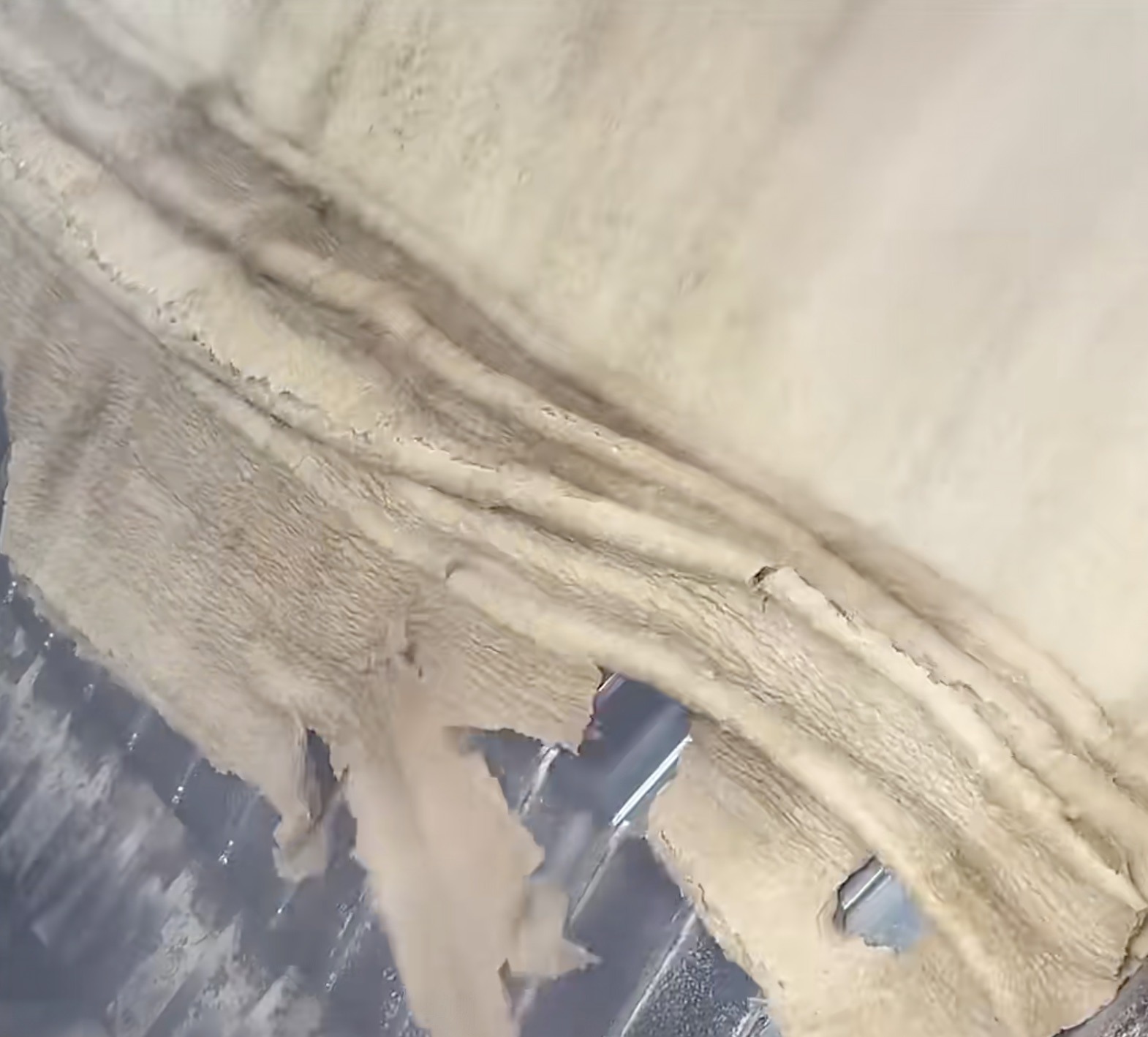
The term describes a broad material family, not one product or manufacturing method. Paper and paperboard are sheet-based fiber materials. Corrugated board combines linerboard with a fluted middle layer. Molded fiber, also called molded pulp, is formed from a fiber slurry into a three-dimensional shape. Bagasse is a raw-material source that can be used in molded fiber; it is not a separate forming process.
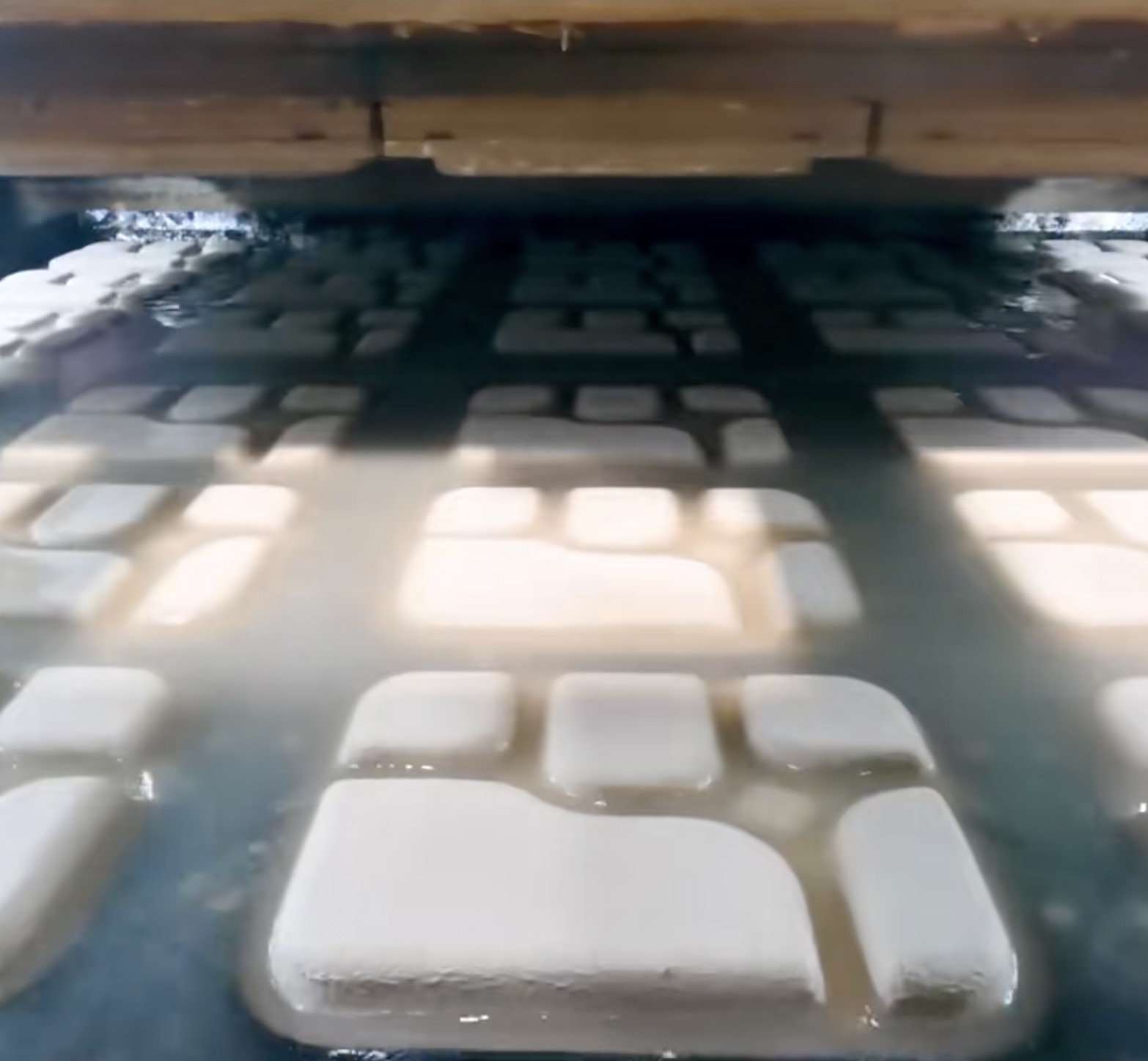
Fiber-based packaging can be a strong choice for dry products, shipping, bakery goods, takeaway food, protective packaging, and other applications where its structure and barrier system match the product. It is not automatically waterproof, greaseproof, recyclable, compostable, or more sustainable than plastic. Buyers must evaluate the finished package, including its fiber source, additives, coatings, adhesives, food-contact conditions, transport performance, and realistic end-of-life route.
Fiber-Based Packaging, Paper Packaging, Molded Fiber, and Bagasse
These terms are related, but they are not interchangeable.
| Term | What it means | Common examples |
|---|---|---|
| Fiber-based packaging | The broad category of packaging whose main structure is made from cellulose fiber | Paper bags, cartons, corrugated cases, molded food trays, and protective inserts |
| Paper and paperboard | Sheet-based fiber materials converted by cutting, folding, gluing, coating, or printing | Wraps, sleeves, bakery boxes, cups, and folding cartons |
| Corrugated board | A layered structure with fluted paper between one or more liners | Shipping cases, pizza boxes, meal-kit boxes, and some drink carriers |
| Molded fiber or molded pulp | Fiber pulp formed and dried in a mold to create a three-dimensional part | Clamshells, trays, bowls, egg cartons, cup carriers, and protective end caps |
| 甘蔗渣 | The fibrous residue left after juice is extracted from sugarcane; it can be pulped and used as a feedstock | Molded plates, bowls, trays, and takeaway containers |
This distinction prevents two common mistakes. First, molded pulp is only one type of fiber-based packaging. Second, a package made with bagasse is normally a molded-fiber package whose feedstock includes sugarcane fiber. For a more focused explanation, see Manluen’s guide to bagasse packaging.
What Materials Are Used in Fiber-Based Packaging?
Fiber selection affects strength, surface quality, appearance, forming behavior, cost, sourcing claims, and the amount of material needed. A finished package may use one fiber source or a controlled blend.
Virgin Wood Pulp
Virgin wood pulp supplies relatively long, strong fibers and is widely used in paper, paperboard, linerboard, and selected molded-fiber products. It can help manufacturers achieve strength, cleanliness, and consistent appearance. When virgin fiber is used, buyers may also request chain-of-custody or responsible-forestry documentation rather than treating all renewable feedstock as equivalent.
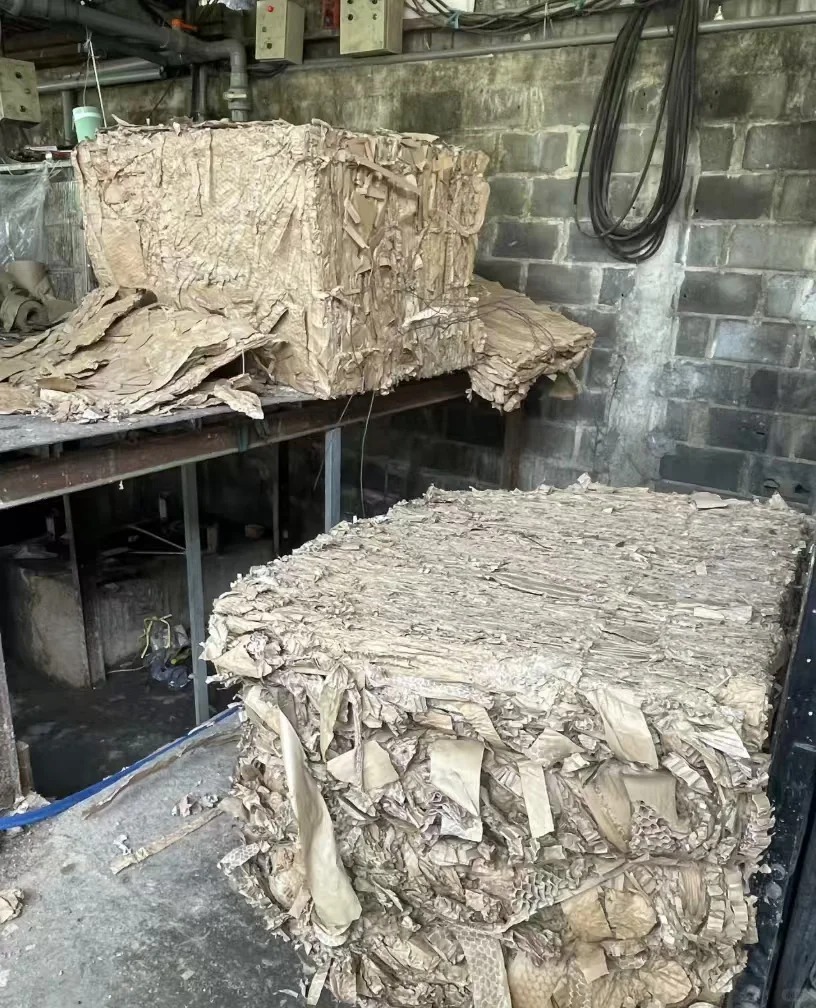
Recovered Paper Fiber
Recovered corrugated board, paperboard, office paper, and other suitable paper streams can be repulped and used in new packaging. Recycled fiber is common in corrugated packaging, egg trays, protective inserts, and transport packaging.
Paper fibers become shorter and weaker through repeated processing, so recycled fiber cannot circulate indefinitely without fresh fiber entering the system. Recycled and virgin fibers therefore play complementary roles. Food-contact suitability must also be assessed for the intended use; the phrase “recycled fiber” alone does not establish that a package is appropriate for direct contact with food.
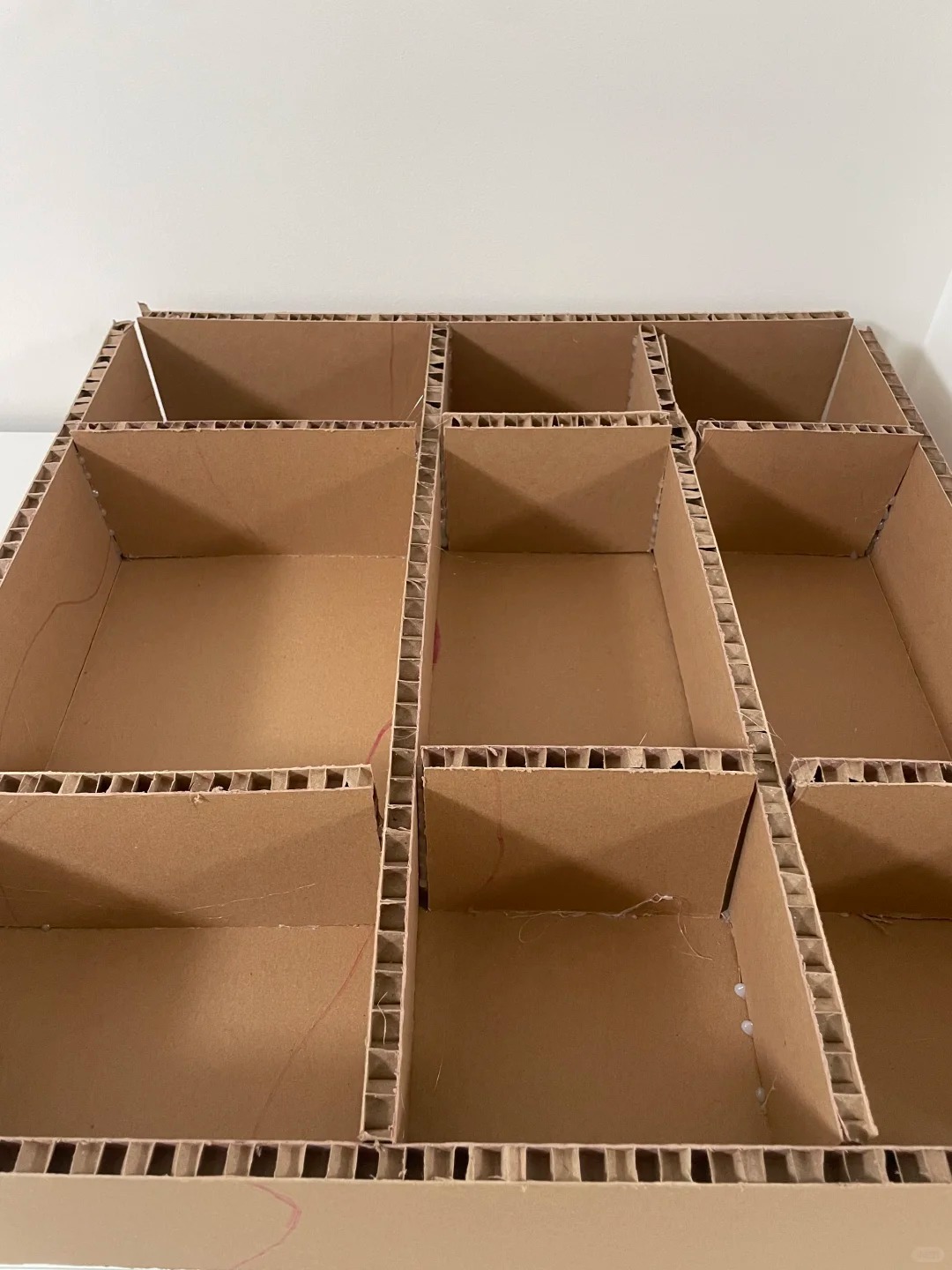
Sugarcane Bagasse
Bagasse is the fibrous material remaining after sugarcane juice extraction. After cleaning and pulping, it can be blended and molded into plates, bowls, trays, and 贝壳式容器. It is especially relevant to foodservice because it can form rigid three-dimensional packages without conventional petroleum-based plastic serving as the main structure.
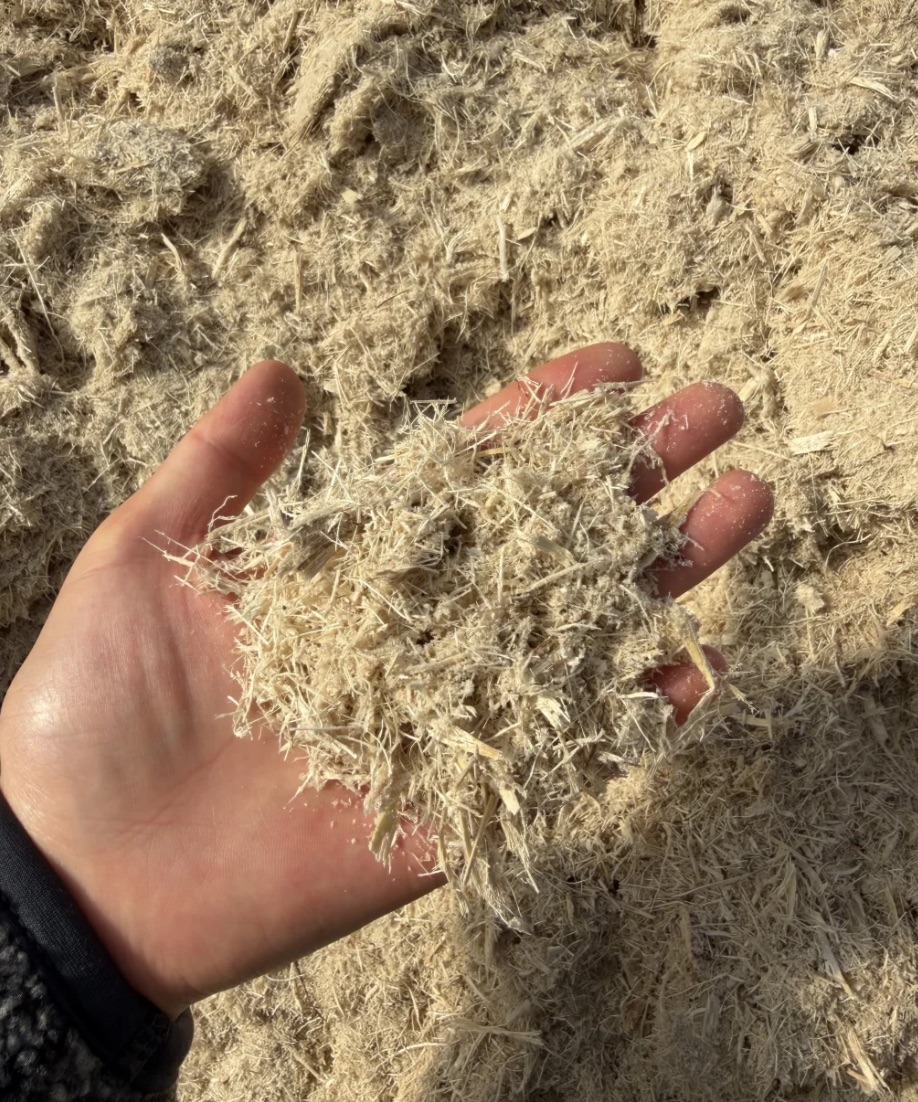
Bamboo, Wheat Straw, and Other Agricultural Fibers
Bamboo, wheat straw, and other plant residues can also be processed into pulp. Their practical use depends on regional supply, fiber preparation, cleanliness, forming equipment, package geometry, and required performance. A fast-growing plant is not automatically the most sustainable choice once transport, processing, yield, energy, additives, and product protection are included.
What Are the Main Types of Fiber-Based Packaging?
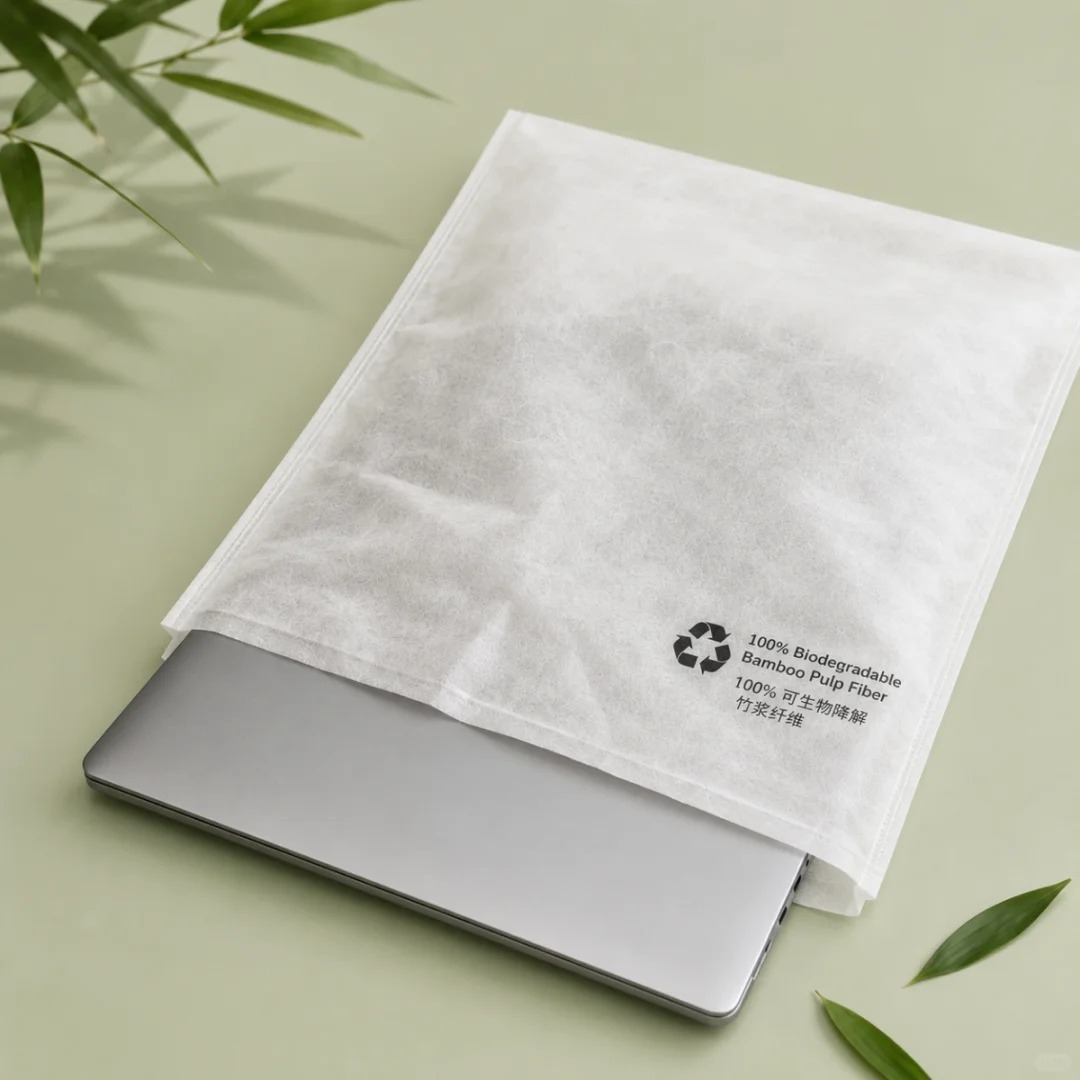
Paper Bags, Wraps, and Sheets
Flexible paper formats are used for bakery goods, dry foods, sandwiches, produce, retail products, and secondary wrapping. Kraft paper is valued for strength and a familiar natural appearance. Printing, windows, grease-resistant treatments, and sealable coatings can expand its uses, but every added component changes the finished structure.
Paperboard Cartons, Sleeves, and Food Boxes
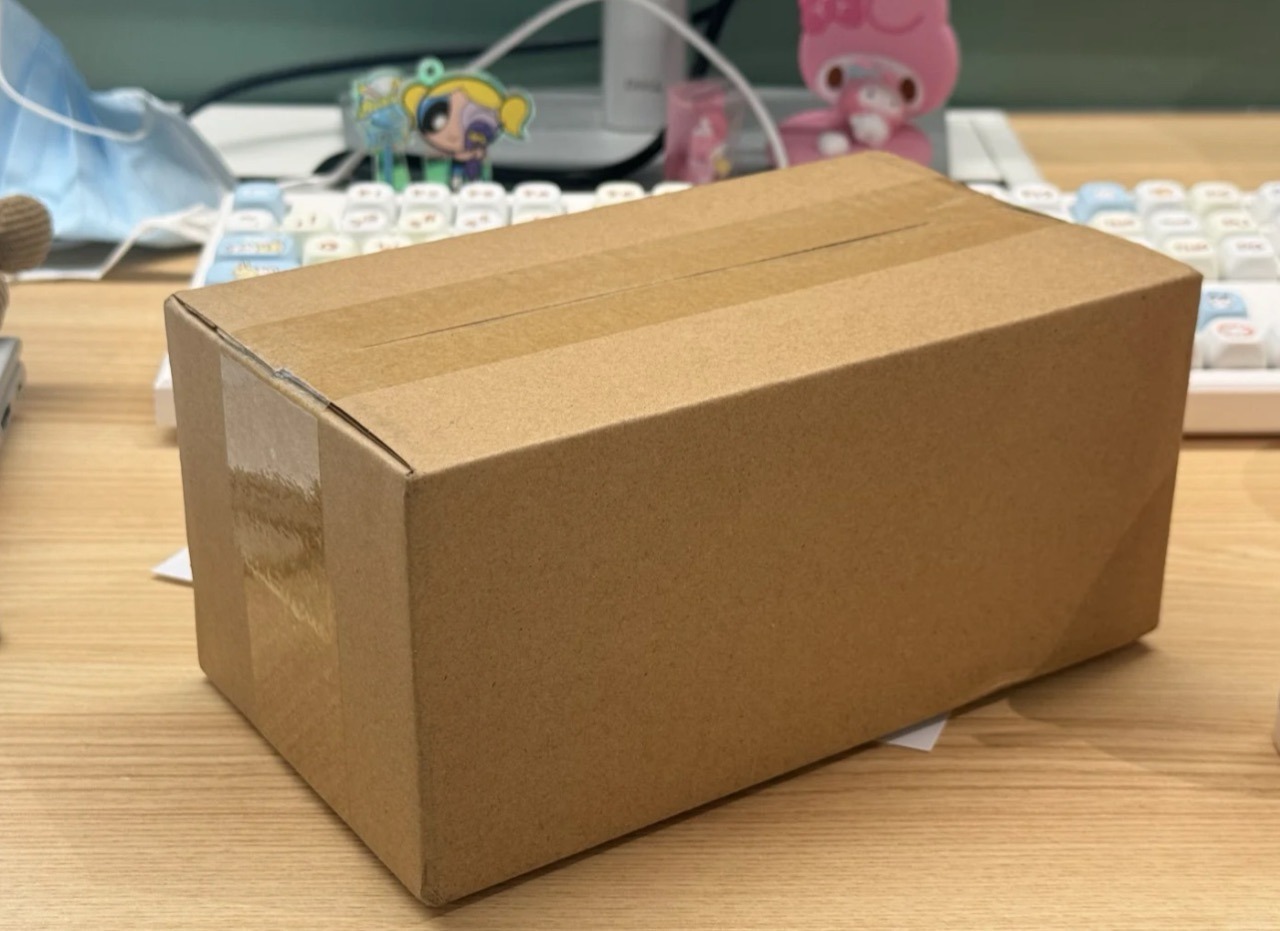
Paperboard is thicker and stiffer than ordinary paper. It can be printed, die-cut, creased, folded, and glued into cartons, sleeves, fry scoops, bakery boxes, and takeaway boxes. Uncoated paperboard works well for many dry applications. Wet, oily, frozen, or long-shelf-life foods may need sizing, a coating, a liner, or a separate inner package.
Corrugated Packaging
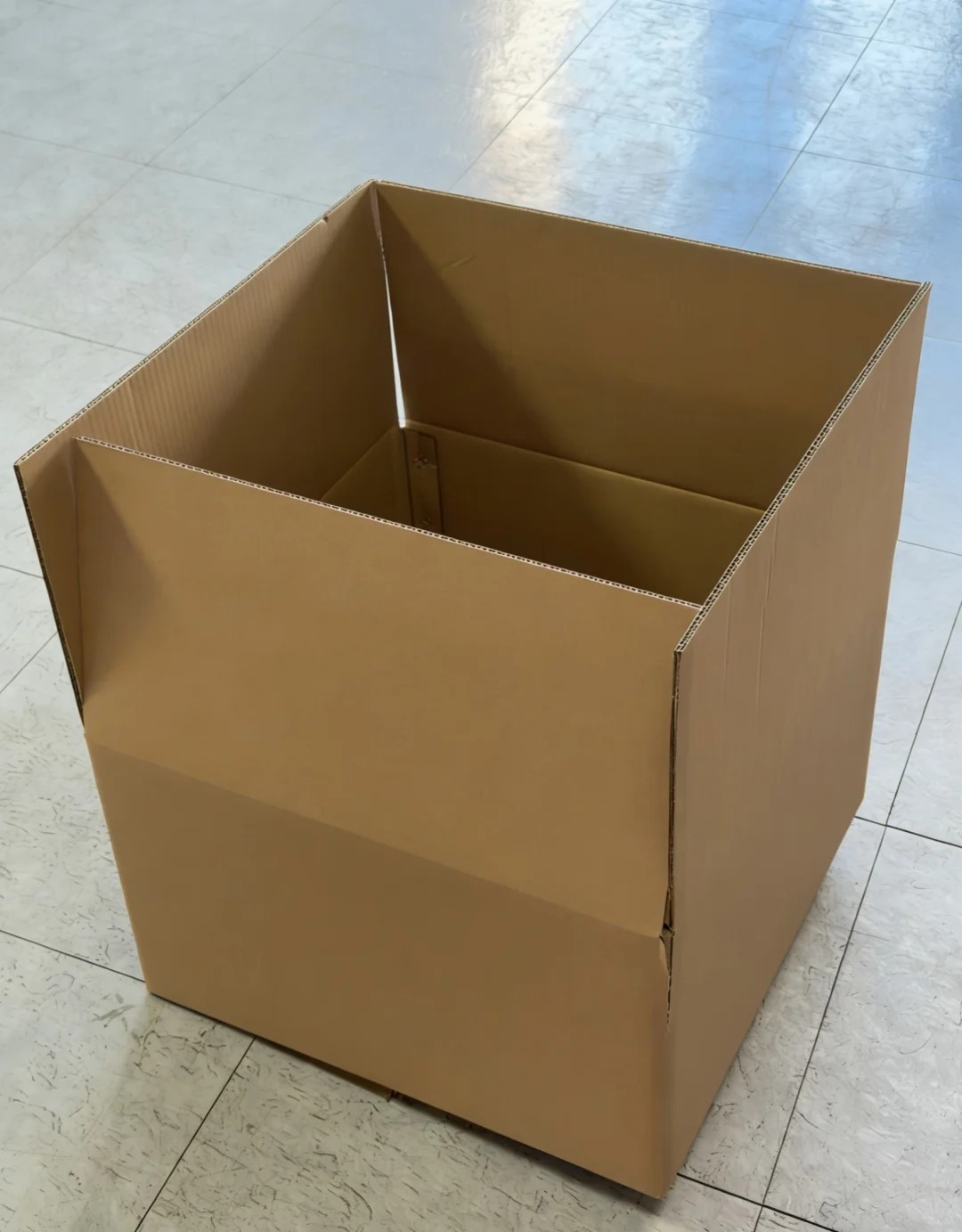
Corrugated board uses one or more fluted layers between liners. The flutes add rigidity, cushioning, and compression strength without requiring a solid thick sheet. Corrugated packaging is widely used for shipping, produce, beverages, pizza, meal kits, and foodservice distribution.
Board grade, flute profile, moisture exposure, ventilation, adhesives, printing, and stacking load all affect performance. A corrugated shipper and a direct-food-contact pizza box may also face different material and compliance requirements.
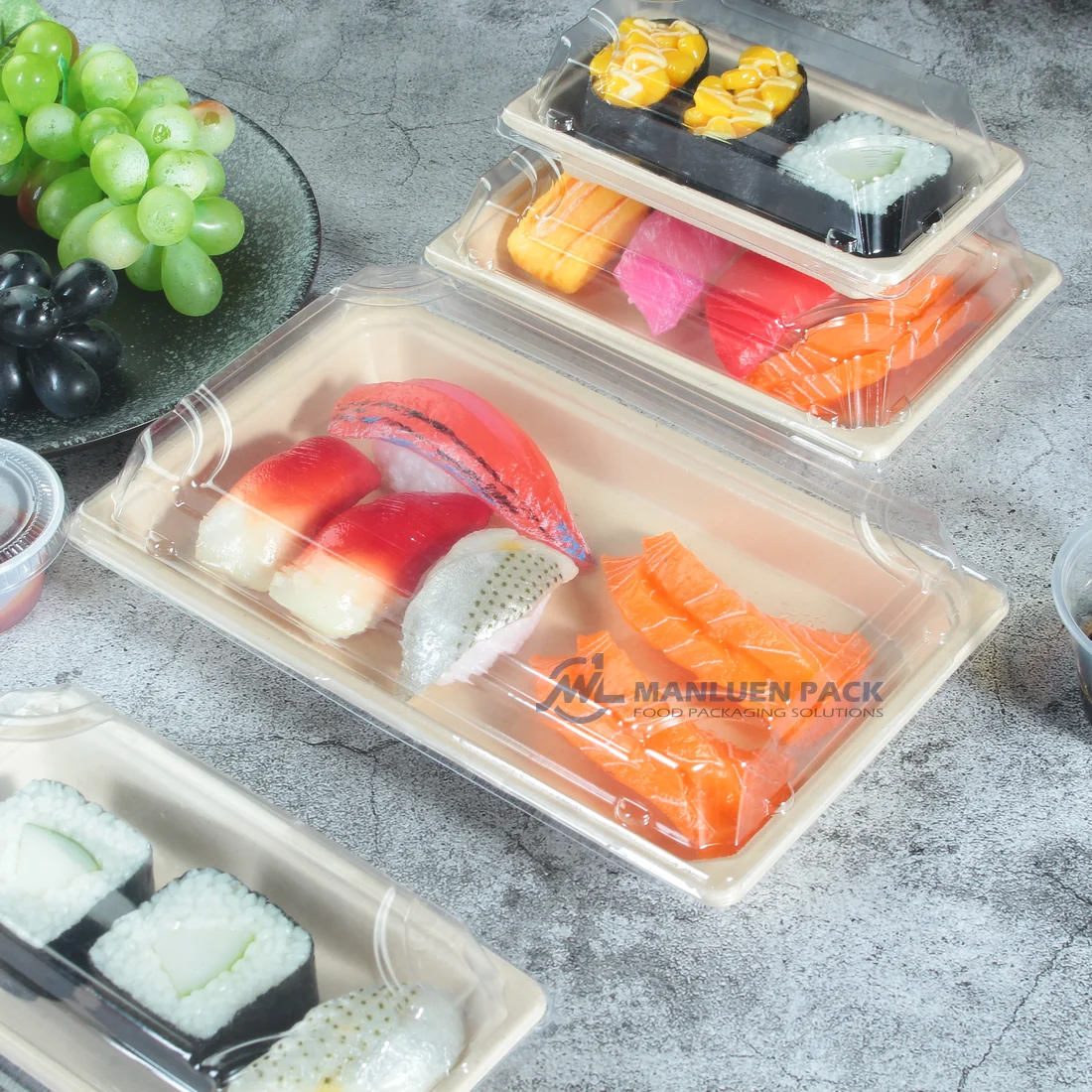
Molded Fiber Packaging
Molded fiber starts with pulp dispersed in water. A forming tool draws fiber onto a screened surface, water is removed, and the wet part is pressed and dried before trimming or other finishing. The process can produce nested three-dimensional items such as trays, bowls, lids, clamshells, cup carriers, egg cartons, and protective inserts.
The common labels “dry press” and “wet press” describe broad process families rather than a universal quality grade:
- Dry-press molded fiber is typically formed, released, and dried with less intensive hot pressing. It often has a more visible fiber texture and is common in egg trays, cup carriers, and protective industrial packaging.
- Wet-press or thermoformed fiber is pressed and dried in heated tooling. It can provide a smoother surface, sharper edges, better dimensional definition, and a more refined appearance for food and retail packaging.
Neither process guarantees a particular barrier, food-contact status, compostability claim, or service temperature. Those properties depend on the pulp formulation, additives, coatings, package design, and validation of the finished article.
How Is Molded Fiber Packaging Made?
- Fiber preparation: Virgin pulp, recovered paper, or agricultural fiber is cleaned and dispersed in water. Refining and blending adjust the fiber network and forming behavior.
- Forming: Vacuum draws the fiber slurry onto a screened mold. Water passes through the screen while a wet fiber layer builds on the tool.
- Transfer and dewatering: The formed part moves to the next tool or drying stage. Mechanical pressure and vacuum remove additional water.
- Pressing and drying: Heat and pressure dry the part and establish its thickness, density, surface finish, and dimensional accuracy.
- Trimming and finishing: Excess material is removed. The part may then be coated, printed, embossed, inspected, nested, and packed.
Tool design controls draft angles, wall transitions, nesting, rim geometry, and local material distribution. Deep walls, sharp corners, narrow ribs, and large flat areas can create forming or drying challenges. Buyers should evaluate samples from production-intent tooling rather than approving a package only from a drawing.
Why Is Fiber-Based Packaging Used for Food?
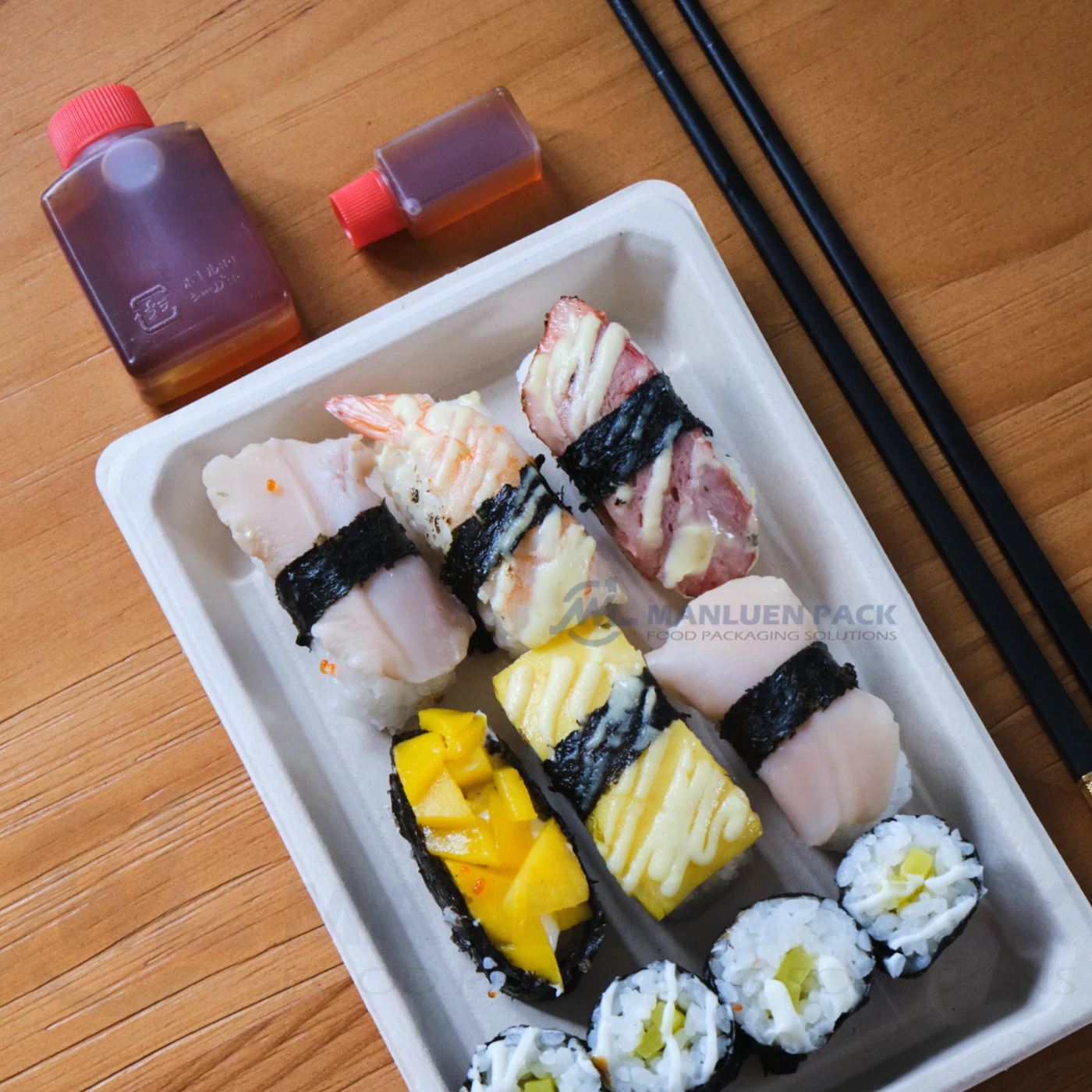
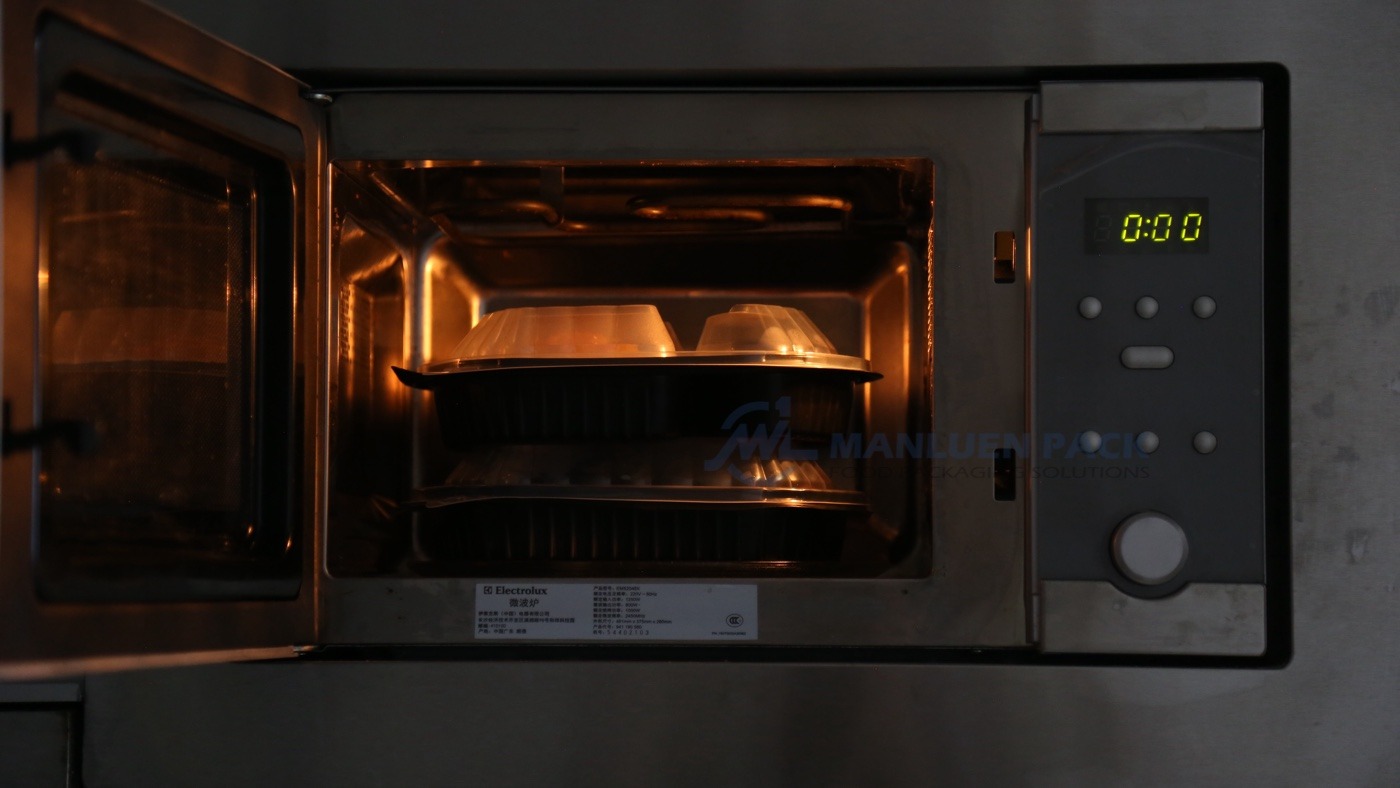
Fiber packaging can combine stiffness, printability, a low-density structure, renewable or recovered feedstock options, and familiar disposal instructions. It also covers a wider range of formats than the word “paper” may suggest.
| Food application | Common fiber format | Main specification questions |
|---|---|---|
| Bakery and dry food | Paper bags, wraps, paperboard trays, and cartons | Grease resistance, printing, window material, closure, and food residue |
| Burgers and takeaway meals | Paperboard boxes and molded-fiber clamshells | Heat, steam, grease, venting, compression, closure, and hold time |
| Salads, deli food, and prepared meals | Molded bowls or trays with a separate lid or lidding film | Moisture, condensation, seal compatibility, cold storage, and visibility |
| Plates and bowls | Molded bagasse, wood pulp, or blended plant fiber | Rigidity, cut resistance, oil resistance, temperature, and soak time |
| Pizza and meal delivery | Corrugated or paperboard boxes | Ventilation, grease, compression, heat retention, and delivery duration |
| Food and beverage transport | Corrugated cases and molded-fiber cup carriers | Stacking, humidity, vibration, drop performance, and load distribution |
Fiber can also be combined with clear lids, lidding films, liners, and other materials when the customer must see the food or when a stronger moisture, oxygen, or seal barrier is required. The resulting package should be evaluated as a complete system, not only by its fiber base.
Can Fiber Packaging Handle Water, Oil, and Hot Food?
It depends on the package. Cellulose fibers readily interact with water, so an untreated fiber structure does not automatically provide long-term resistance to moisture, grease, or liquid food. Geometry and density can slow penetration, but demanding applications usually need additional barrier design.
Moisture and Liquid Resistance
Water can soften a fiber network and reduce stiffness. Internal sizing, surface treatments, water-based dispersions, polymer coatings, films, or other barrier layers may improve resistance. Buyers should specify the actual food, fill temperature, storage temperature, contact time, and acceptable leakage or softening rather than asking only whether a package is “waterproof.”
Oil and Grease Resistance
Greasy foods can stain, wick through, or weaken an unsuitable fiber package. Grease resistance may come from the fiber formulation, densification, surface chemistry, or a separate coating. Performance should be tested with the intended food and hold time because a package that handles a dry pastry may not be suitable for fried food or hot oil.
Hot Food, Freezing, Microwaves, and Ovens
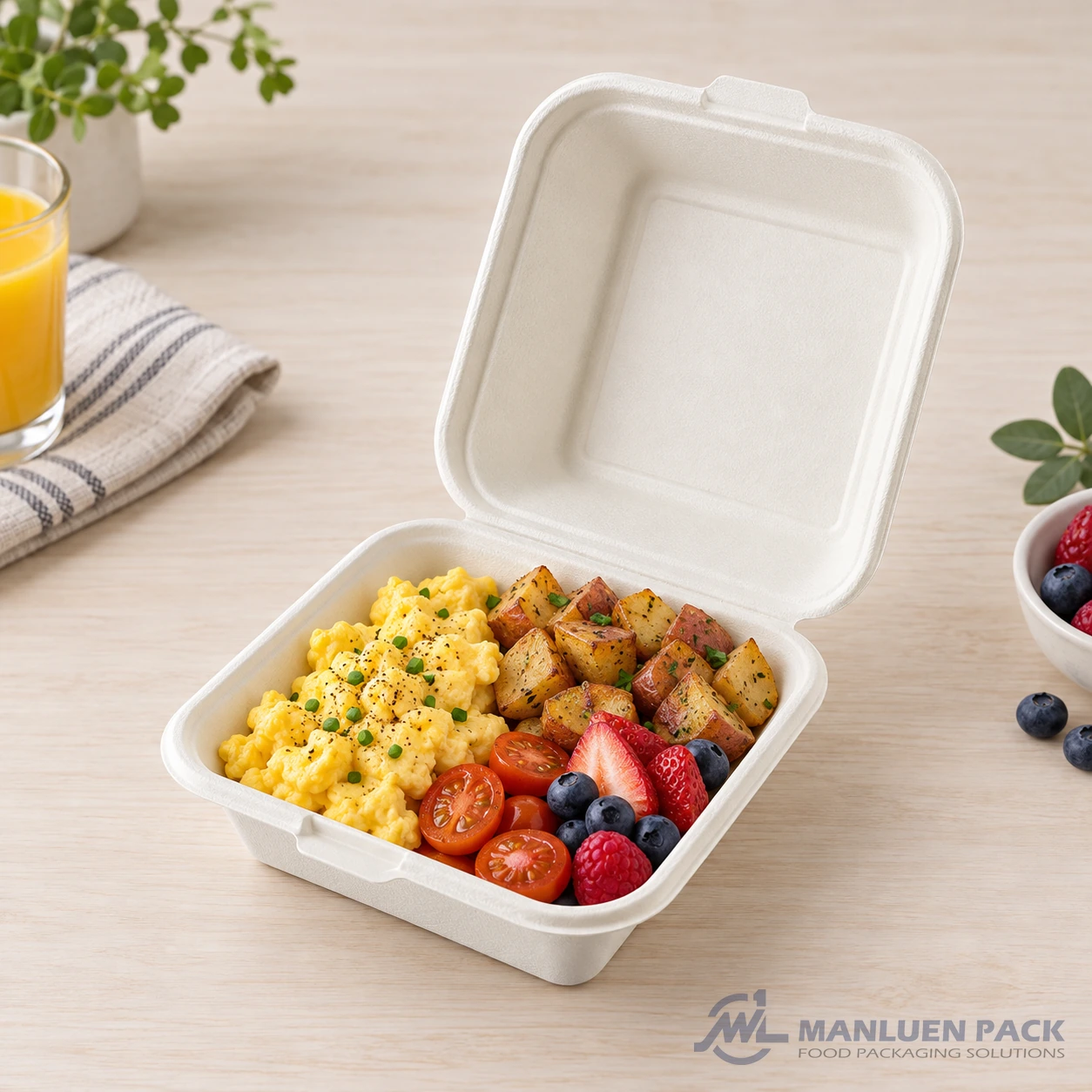
Some molded-fiber packages are designed for hot filling, freezing, or microwave reheating. Others are not. Coatings, adhesives, lids, printed areas, and local wall thickness can set the practical limit even when the fiber base appears unchanged. Oven use is a separate requirement and must never be inferred from a microwave claim.
Ask the supplier for the finished package’s tested conditions of use. The specification should cover the food type, maximum and minimum temperatures, contact time, appliance instructions, and whether the lid must be removed or vented.
Food-Contact Safety and US Compliance
Plant-derived packaging is still food-contact packaging. Natural origin does not remove the need to assess fiber, coatings, adhesives, colorants, processing aids, inks, and other components for their intended conditions of use.
In the United States, 21 CFR 176.170 addresses components of paper and paperboard in contact with aqueous and fatty foods, while 21 CFR 176.180 addresses paper and paperboard in contact with dry food. Other provisions may apply to adhesives, coatings, polymers, colorants, or processing aids. FDA also explains that the regulatory status of every component must be appropriate for its intended use and conditions.
A package should not be described simply as “FDA approved.” FDA authorizations can be substance-, manufacturer-, and use-specific. A buyer needs evidence that the finished construction is compliant for the intended food type, temperature, and contact time. Manluen’s guide to which agency regulates food packaging explains this distinction in more detail.
PFAS and Grease-Resistant Fiber Packaging
PFAS were historically used in some grease-proofing treatments for paper and paperboard. In February 2024, FDA announced that manufacturers were no longer selling PFAS-containing substances for use as grease-proofing agents on paper food packaging in the US market. In January 2025, FDA determined that 35 related Food Contact Notifications were no longer effective because those uses had been abandoned.
This development does not make every fiber package automatically PFAS-free, and it does not replace state requirements or supply-chain verification. Buyers should request a written declaration that covers the specific finished SKU and applicable destination markets. Testing or additional documentation may be necessary when a contract or law sets a defined method or threshold.
Is Fiber-Based Packaging Recyclable?
Many clean paper, paperboard, and corrugated formats can enter established paper-recovery systems. However, “fiber-based” does not guarantee acceptance. Local rules, product size, wet strength, food residue, coatings, laminates, labels, inks, adhesives, and the ability of a mill to separate non-fiber components all affect the outcome.
- Clean corrugated cases and simple paperboard: often have the clearest recycling route where paper collection exists.
- Food-soiled paper: may be rejected because grease or food residue interferes with recovered-fiber quality.
- Plastic-lined or heavily coated fiber: may require repulpability and yield assessment rather than a material-name assumption.
- Small or three-dimensional molded items: may be technically fiber-rich but handled differently by local sorting and collection systems.
The US Federal Trade Commission advises marketers to qualify recyclable claims when appropriate recycling facilities are not available to at least 60 percent of consumers or communities where the item is sold. A technically repulpable package can therefore still require a location-specific claim.
For a deeper look at recovery, fiber sourcing, and lifecycle tradeoffs, see whether cardboard packaging is sustainable.
Is Fiber-Based Packaging Compostable or Biodegradable?
Some fiber products can be compostable, but the claim applies to the complete package, not only its cellulose base. Coatings, polymer liners, inks, labels, adhesives, and additives can change the result. A package may also be designed for commercial composting without being suitable for a home compost pile.
For fiber packages that incorporate polymer coatings or additives, ASTM D6868 is one relevant specification for items designed to be aerobically composted in municipal or industrial facilities. ASTM D6400 is widely used for compostable plastic products and can be relevant to predominantly plastic components or structures. Certification programs evaluate the finished item against their applicable rules; a raw-material certificate should not be presented as certification of a different finished package.
The FTC also requires reliable evidence for compostable claims and says marketers should qualify the claim when the item cannot be composted at home or when suitable municipal or institutional facilities are not widely available. Avoid unspecific claims such as “biodegradable in 90 days” unless the test method, environment, item configuration, and result directly support that wording.
Is Fiber-Based Packaging More Sustainable Than Plastic?
Fiber packaging can use renewable or recovered feedstock and may fit mature paper-recycling systems. It can also replace foam or rigid plastic in applications that do not require transparency, a very high moisture barrier, or repeated reuse. These are real advantages, but they do not make every fiber package environmentally preferable in every application.
A fair comparison should include:
- the source and management of virgin fiber;
- the percentage and quality of recovered fiber;
- energy, water, yield, and emissions during pulping and forming;
- the amount of material required to achieve the needed strength and barrier;
- coatings, laminates, adhesives, and other non-fiber components;
- product protection, food waste, and damage rates;
- transport weight and package cube;
- reuse cycles where a durable system is practical; and
- the collection, recycling, or composting system available after use.
The FTC warns against broad, unqualified claims such as “green” or “eco-friendly.” A more defensible claim identifies a specific attribute, such as a verified recycled-content percentage, certified commercial compostability, or a documented reduction against a stated baseline.
Fiber-Based Packaging vs Plastic Packaging
Neither material family wins every comparison. The useful question is which finished package protects the product with the least practical material and fits the intended supply chain and end-of-life system. Manluen’s overview of 食品包装材料之一 provides the wider context.
| Decision factor | Fiber-based packaging | Plastic packaging |
|---|---|---|
| Feedstock | Can use virgin plant fiber, recovered paper, or agricultural residues | Usually fossil-based, although recycled and bio-based grades also exist |
| Dry strength and print surface | Strong options for cartons, sleeves, cases, and branded takeaway packs | Depends on resin and format; films and molded parts can also print well |
| Water, oil, and leakage | May need sizing, a coating, liner, or hybrid structure | Often provides strong inherent liquid resistance |
| Transparency | Normally requires a separate clear window or lid | Clear rigid and flexible formats are readily available |
| Material efficiency | May require more thickness or mass for some barrier and strength targets | Thin films and molded walls can provide high performance at low weight |
| Recycling | Strong route for many clean, simple paper and corrugated formats | Varies by resin, color, size, format, and local collection |
| Composting | Possible for qualifying complete products with appropriate certification and infrastructure | Possible only for specifically designed and certified compostable structures, not conventional plastic |
| Best-fit examples | Shipping cases, dry foods, bakery boxes, sleeves, molded trays, and cup carriers | Clear chilled displays, leak-resistant containers, barrier films, and durable reusable systems |
A hybrid package may be the best answer when fiber supplies stiffness and printability while a thin liner or lid supplies sealing, visibility, or barrier performance. The tradeoff is that a mixed-material construction may be harder to recycle or compost. Compare the entire system rather than treating material reduction and recovery as separate decisions.
What Should Buyers Specify?
Start with the product and process. A supplier cannot select the right fiber structure from a package name alone.
- Define the product: State the food or non-food item, moisture, fat or oil content, acidity, weight, sharp edges, and sensitivity to odor or contamination.
- Set the conditions of use: Include fill temperature, holding time, refrigeration, freezing, reheating, transport, humidity, and expected shelf life.
- Name the fiber source and recycled content: Ask for the actual formulation range and supporting documentation when sourcing or recycled-content claims matter.
- Specify the forming method and geometry: Confirm dimensions, tolerances, nesting, lid fit, closure force, rim flatness, and stacking performance.
- Define barrier needs: Identify water, grease, oil, oxygen, aroma, condensation, and seal requirements. Ask what coating, treatment, or liner provides each function.
- Review every food-contact component: Fiber, coatings, adhesives, inks, colorants, lids, and additives must be appropriate for the intended market and use.
- Validate physical performance: Use filled-package tests for leakage, compression, drop, vibration, soak, heat, cold, and distribution conditions as relevant.
- Substantiate environmental claims: Obtain certification or test evidence for compostability, a percentage and basis for recycled content, and location-appropriate support for recyclability.
- Approve production samples: Confirm color, odor, surface finish, contamination controls, dimensional consistency, and batch traceability before volume orders.
For a broader material-selection workflow, see how to choose the right food packaging.
常见问题
What is fiber-based packaging made from?
It is made mainly from cellulose fibers. Common sources include virgin wood pulp, recovered paper, sugarcane bagasse, bamboo, wheat straw, and other agricultural fibers. A finished package may also include coatings, adhesives, inks, mineral fillers, binders, or a separate lid.
Is fiber-based packaging the same as paper-based packaging?
Paper-based packaging is part of the wider fiber-based category. Fiber-based packaging also includes molded pulp and other three-dimensional fiber structures that are not made simply by cutting and folding a flat paper sheet.
Is molded pulp the same as molded fiber?
The terms are commonly used for the same packaging family. Both describe fiber dispersed in a slurry and formed into a three-dimensional product. Manufacturers may use the labels differently for specific grades or processes, so the actual construction matters more than the name.
Is bagasse a type of fiber packaging?
Bagasse is a fiber source, not a package type or manufacturing process. When bagasse is pulped and formed in a mold, the finished item is a molded-fiber package made partly or mainly from sugarcane fiber.
Is fiber-based packaging waterproof?
Not inherently. Untreated cellulose absorbs moisture. Water resistance can be improved through fiber refining, sizing, densification, coatings, liners, or barrier layers, but the result must be tested for the intended liquid, temperature, and contact time.
Is fiber-based food packaging microwave-safe?
Some products are designed and tested for microwave use, but the material name does not establish safety or performance. Check the complete package, including coatings, adhesives, inks, lids, and use instructions. Oven suitability must be verified separately.
Does fiber-based packaging contain PFAS?
Some paper food packaging historically used PFAS-containing grease-proofing substances. FDA announced in 2024 that manufacturers were no longer selling these substances for that use in the US, and 35 related FCNs became ineffective in 2025. Buyers should still obtain a product-specific written declaration and review applicable state and contract requirements.
Is all fiber-based packaging recyclable?
No. Clean, simple paper and corrugated packaging often has a strong recycling route, but food contamination, coatings, laminates, adhesives, product size, and local collection rules can prevent recovery. Recyclability must be assessed for the finished package and the market where it is sold.
Is all fiber-based packaging compostable?
No. Compostability depends on the complete construction and the conditions claimed. Certified commercial compostability does not automatically mean home compostability, and a compostable package provides little practical benefit when no suitable collection and processing system exists.
结论
Fiber-based packaging is the broad family that includes paper, paperboard, corrugated board, and molded-fiber products made from virgin, recovered, or agricultural cellulose. Its strengths include structural versatility, printability, renewable and recycled feedstock options, and established recovery routes for many clean paper formats.
The best package is still application-specific. Moisture, oil, temperature, shelf life, food-contact requirements, coatings, transport loads, and local end-of-life systems determine whether fiber, plastic, or a hybrid structure is the responsible choice. Buyers should compare finished-package specifications and evidence rather than relying on labels such as “plant-based,” “eco-friendly,” “recyclable,” or “compostable.”
References
- Electronic Code of Federal Regulations. 21 CFR 176.170: Components of Paper and Paperboard in Contact with Aqueous and Fatty Foods.
- Electronic Code of Federal Regulations. 21 CFR 176.180: Components of Paper and Paperboard in Contact with Dry Food.
- US Food and Drug Administration. Determining the Regulatory Status of Components of a Food Contact Material.
- US Food and Drug Administration. Market Phase-Out of Grease-Proofing Substances Containing PFAS.
- US Federal Trade Commission. Environmental Claims: Summary of the Green Guides.
- ASTM International. ASTM D6868: Compostable End Items Incorporating Plastic or Polymer Coatings or Additives with Paper and Other Substrates.
- Biodegradable Products Institute. Compostability Certification.

万联塑料包装公司专业生产塑料食品包装已有 20 多年的历史。我们的产品由 100% 原生和不含双酚 A 的 PP、PS 和 OPS 制成,符合 FDA 和欧洲标准。
 ZH
ZH  EN
EN  FR
FR  PT
PT  ES
ES  KO
KO  JA
JA