
Introduction
Is glass packaging sustainable? It can be—especially when a container contains substantial recycled glass, is collected through a clean recycling stream, or is reused many times in a well-managed local return system. However, glass is not automatically the lowest-impact packaging material. Making it requires very high furnace temperatures, and its weight can increase transport emissions compared with lighter alternatives.
The most defensible answer is therefore conditional: glass packaging is most sustainable when the complete system keeps the container or its material in circulation while controlling weight, breakage, washing, and transport. A refillable bottle returned locally is a different environmental proposition from a heavy single-use jar shipped a long distance and discarded after one use.
This guide explains the benefits and drawbacks of glass, how recycling and reuse change the result, how glass compares with plastic, aluminum, and paper, and what food-packaging buyers should examine before making an environmental claim.
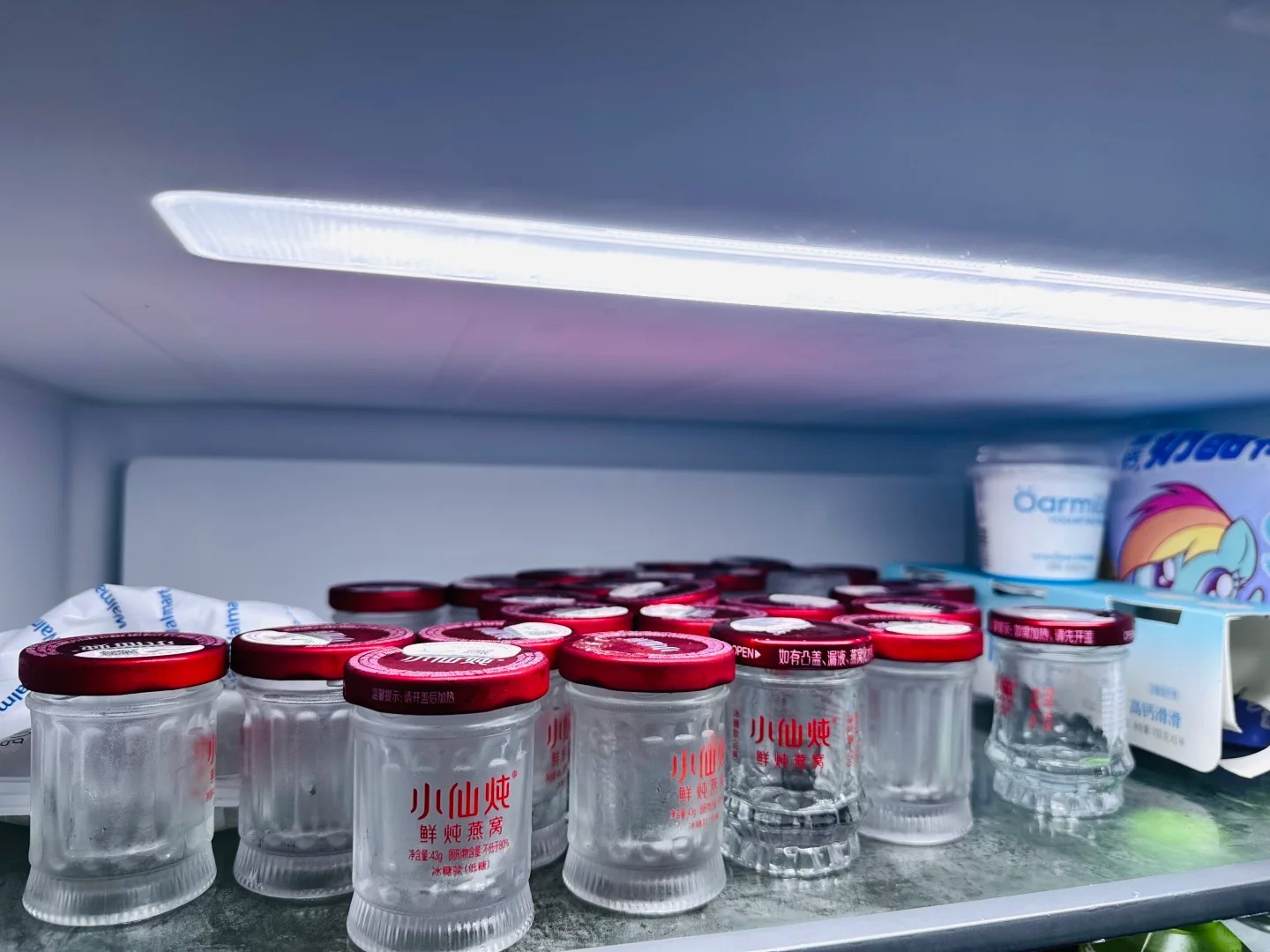
Is Glass Packaging Sustainable? The Short Answer
Yes, glass packaging can be sustainable, but only under the right conditions. Its strongest advantages are that container glass can be recycled into new bottles and jars, recycled cullet can replace virgin raw materials, and refillable containers can spread manufacturing impacts across multiple uses. Its main disadvantages are energy-intensive melting, high package weight, and the risk that breakage or poor collection prevents the intended circular system from working.
| Question | Practical answer |
|---|---|
| Is glass recyclable? | Yes. Properly sorted container glass can be processed into cullet and used in new glass containers. Actual recovery depends on local collection, sorting quality, color requirements, and end-market access. |
| Is recycled glass lower impact? | Usually. Cullet replaces virgin minerals and melts at a lower energy demand than an all-virgin batch. |
| Is reusable glass always better? | No. It performs best with high return rates, enough reuse cycles, efficient washing, low breakage, and short or optimized reverse-logistics routes. |
| Is glass greener than plastic? | Not in every application. Glass may be stronger for reuse and closed-loop recycling, while lightweight plastic can reduce material and transport burdens and may protect some foods more efficiently. |
Why Glass Packaging Can Be Sustainable
1. Container glass can support closed-loop recycling
Bottles and jars collected in suitable condition can be crushed into cullet, cleaned, sorted, and remelted into new containers. This is a major advantage over packaging structures that are technically recyclable but rarely return to the same application. Glass does not need to be downcycled by definition; the material can remain in a bottle-to-bottle or jar-to-jar loop when collection and processing infrastructure support it.
That distinction matters. “Recyclable” describes a material capability, whereas “recycled” describes what actually happened. A sustainability assessment should therefore ask not only whether the package can be recycled, but also whether local programs accept it, whether the recovered glass is clean enough for container production, and whether a nearby end market will use it.
2. Cullet reduces virgin-material demand
Conventional container glass is made primarily from silica sand, soda ash, and limestone. Using recovered cullet displaces part of this virgin batch and reduces the need to extract, process, and transport new minerals. It also diverts suitable glass from disposal.
Color separation can affect how much cullet a manufacturer can use. Clear, amber, and green glass have different quality and color requirements, so mixed or contaminated collection may be less valuable than clean, color-controlled material.
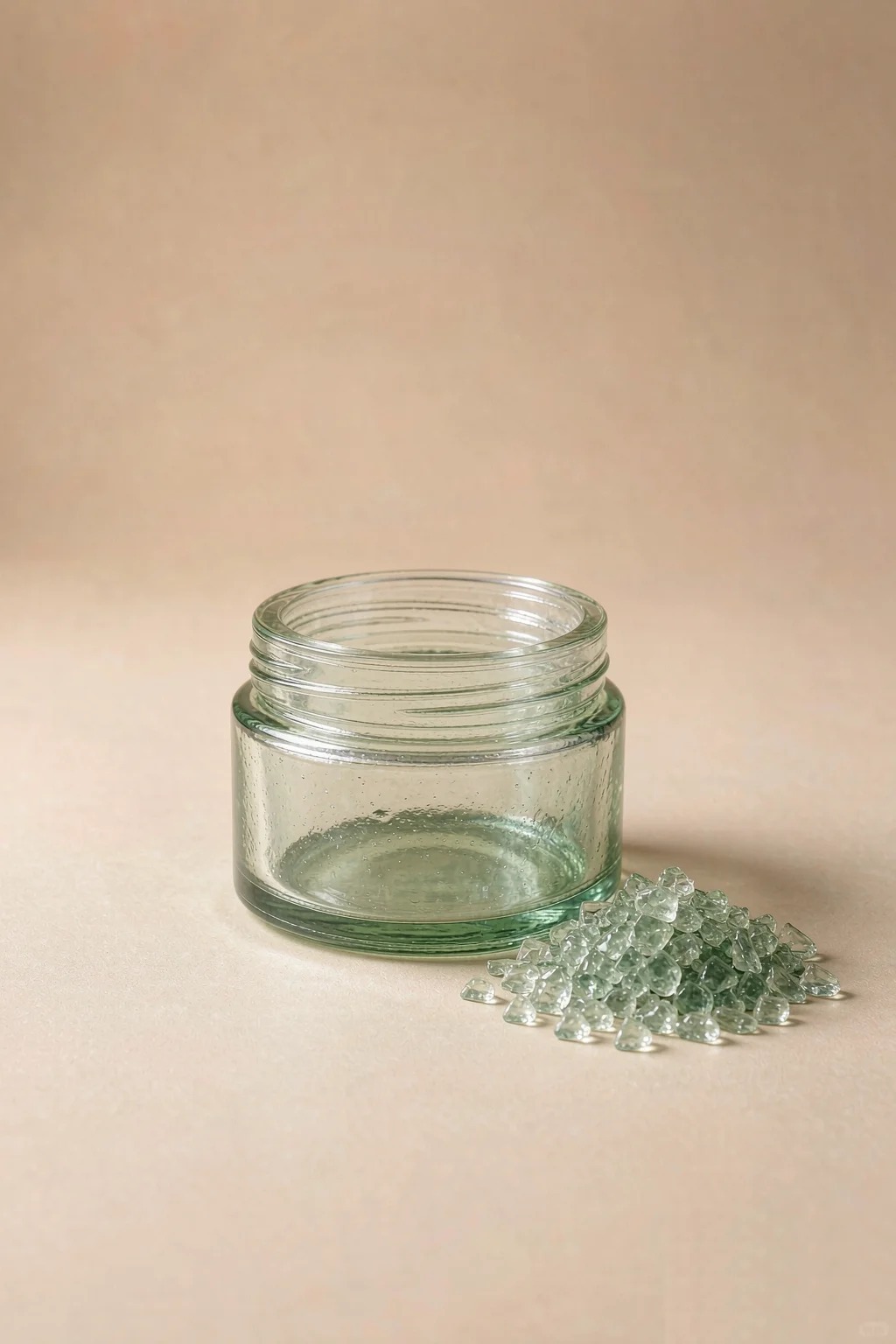
3. Recycled glass can lower melting energy
Cullet requires less energy to melt than a batch made entirely from virgin raw materials. The Glass Packaging Institute states that energy costs fall by roughly 2%–3% for every 10% cullet used in the manufacturing mix. A European container-glass lifecycle study reported by FEVE found that a 100% cullet scenario used 25.4% less melting energy than a 100% virgin-material scenario.
These figures describe manufacturing benefits, not a guarantee that every glass package has the same footprint. Furnace fuel, electricity source, recycled content, container weight, plant efficiency, and transport distance still change the result.
4. Refillable glass can distribute production impacts across many trips
A durable glass bottle or jar can be collected, inspected, washed, and refilled. When it completes enough rotations, its manufacturing burden is shared across multiple uses instead of being assigned to one fill. This is the strongest sustainability case for glass, but the container alone does not create the benefit. The return system does.
What Are the Environmental Drawbacks of Glass Packaging?
High-temperature production
Glass furnaces operate at very high temperatures. Energy used for melting and emissions associated with fuel combustion and raw-material reactions can make the production stage significant. Greater cullet use, lighter containers, efficient furnaces, lower-carbon energy, and improved heat recovery can reduce this burden, but they do not make it disappear.
Transport weight
For the same product volume, a single-use glass package is often heavier than a plastic bottle, pouch, coated carton, or aluminum can. More packaging mass can reduce payload efficiency and raise fuel use, particularly over long distribution routes. A comparison that ignores inbound container transport, filled-product distribution, and empty-container returns may overstate glass’s advantage.
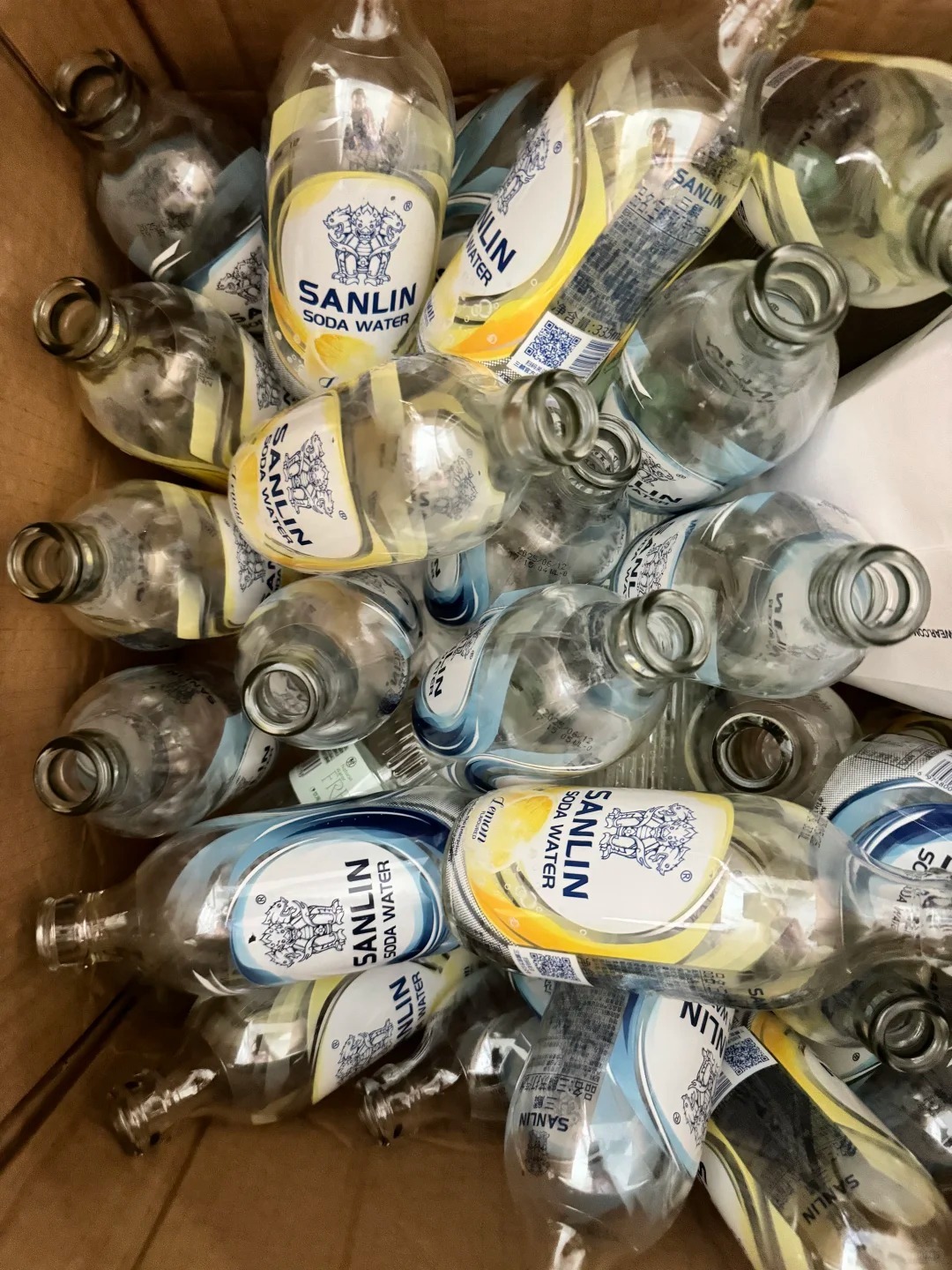
Breakage and product loss
Glass provides a rigid barrier but can break during filling, transport, retail handling, consumer use, or return logistics. Breakage increases packaging loss and may also cause product loss. Because producing the food or beverage can carry more environmental impact than producing its package, preventing spoilage and damage is often more important than minimizing package impact in isolation.
Collection does not guarantee closed-loop recycling
Broken ceramics, heat-resistant cookware, stones, metals, and mixed colors can contaminate recovered glass. Very small fragments can also be difficult to sort in mixed-material facilities. Some collected material becomes aggregate or is discarded rather than returning to new containers. Buyers should avoid treating a recycling symbol or a general claim of recyclability as proof of local bottle-to-bottle recycling.
Single-Use Glass vs Reusable Glass
The distinction between single-use and reusable packaging is more important than the word “glass” alone.
- Single-use glass is manufactured, filled, distributed, used once, and then recycled or discarded. Its performance depends heavily on lightweighting, recycled content, collection, and transport distance.
- Reusable glass adds collection, reverse transport, sorting, washing, inspection, and refilling. Those extra operations create impacts, but successful reuse can avoid manufacturing a new container for each sale.
Lifecycle research consistently shows that the outcome is system-specific. A 2025 peer-reviewed study of wine bottles in Germany found reusable glass favorable in four of five evaluated impact categories under its modeled conditions, while also identifying washing and reverse transport as important burdens. Another beverage-packaging study found strong potential for returnable glass at high return rates but poor carbon performance for disposable glass in the system assessed.
These studies should not be converted into a universal “break-even number.” A refill system’s result changes with bottle design, trip distance, vehicle loading, wash temperature, energy source, loss rate, and the number of successful rotations.
Five questions that determine whether reuse works
- What percentage of containers comes back? Low return rates force the operator to manufacture replacements.
- How many successful rotations are achieved? Theoretical durability is less useful than documented average trips.
- How far do empties travel? Local pooling and efficient backhauls can reduce the penalty of moving heavy empty containers.
- How efficient is washing? Water, heat, detergent, drying, and wastewater treatment belong in the calculation.
- How much breakage and rejection occurs? Damaged, scuffed, or contaminated containers shorten system life.
How Sustainable Is Glass Recycling in Practice?
Recycling performance varies greatly by market. The latest comprehensive U.S. municipal-solid-waste dataset published by the U.S. Environmental Protection Agency covers 2018: approximately 3.1 million tons of glass containers were recycled, equal to a 31.3% recycling rate, while 7.6 million tons of glass were landfilled. The year matters; these figures should not be presented as a 2024 or 2026 national rate.
European industry data reported by FEVE indicates a 79% collection-for-recycling rate across the European glass value chain. That figure is not directly comparable with the U.S. EPA number because geographic scope, reporting methods, and waste systems differ, but it demonstrates how infrastructure and policy can change real-world recovery.
Collection quality is as important as collection quantity. According to the Glass Packaging Institute, deposit-return systems produce substantially more clean, furnace-ready cullet than commingled curbside collection. The organization reports that ten U.S. states currently operate beverage-container deposit programs. Source-separated bins, deposit returns, careful color sorting, and stable local end markets can all improve the chance that a glass container becomes another container.
Is Glass More Sustainable Than Plastic, Aluminum, or Paper?
No packaging material wins every comparison. The correct unit is the complete package delivering the required amount of product—not one gram of material considered by itself. Shelf life, leakage, closures, secondary packaging, transport, recovery, and reuse must all be included.
| 材料 | Potential strengths | Important limitations | Often a good fit when |
|---|---|---|---|
| Glass | Rigid; strong product barrier; can support container-to-container recycling and refill systems | Heavy; breakable; energy-intensive melting; recovery varies by location | Recycled content is high, routes are short, or a high-return reuse system exists |
| 塑料 | Lightweight; versatile; good barrier and seal performance with little material | Recovery varies by resin and format; films, dark colors, and multilayers can be difficult to recycle | Low weight, clarity, impact resistance, leak prevention, or cold-chain performance is essential |
| Aluminum | Lightweight; strong barrier; valuable recycling stream | Primary aluminum production is energy intensive; coatings and format affect suitability | A lightweight, high-barrier package with established metal recovery is needed |
| Paper or carton | Renewable fiber; low weight; efficient shipping and printing | Moisture or oxygen barriers may require coatings and layers that complicate recovery | A simple fiber structure provides enough protection and clean paper recycling is available |
For a wider overview of material properties, see ManLuen’s guide to food packaging materials. Buyers comparing practical formats can also review the company’s food storage container range.
Is Glass Packaging Sustainable for Food?
Glass is well suited to many sauces, preserves, beverages, condiments, and shelf-stable foods because it is rigid, can provide an effective barrier, and allows product visibility. Yet sustainability depends on the entire pack and process.
A food package may include a metal or plastic closure, liner, label, adhesive, tamper-evident component, sleeve, and transport case. These parts affect sealing, separation, recycling, and total material use. A jar body being recyclable does not mean every component follows the same route.
Operational fit also matters. Buyers should validate filling temperature, pasteurization or sterilization conditions, thermal shock, impact resistance, closure compatibility, headspace, line speed, and distribution hazards. A package that fails during processing or allows food loss is not a sustainable choice. ManLuen’s guide on how to choose the right food packaging explains how product, process, and distribution requirements should shape material selection.
What Do Current U.S. Packaging Rules Mean for Glass?
Environmental regulation should be checked by market, package format, and effective date. For example, California’s packaging extended-producer-responsibility program under SB 54 covers a broad range of single-use packaging. CalRecycle states that permanent regulations took effect on May 1, 2026. Producers of covered material generally must participate in an approved producer-responsibility organization plan by January 1, 2027, unless a valid alternative applies.
This does not make every glass format automatically compliant or exempt. Businesses should confirm whether they are a regulated producer, how the specific package is categorized, what reporting or fee obligations apply, and whether recycled-content, labeling, deposit, or local collection rules also affect the product. Food-contact compliance is a separate issue from environmental claims; the relevant material, intended conditions of use, supplier documentation, and applicable jurisdiction must be reviewed. For a U.S.-focused starting point, see what agency regulates food packaging.
How to Make Glass Packaging More Sustainable
Increase verified recycled content
Specify a practical cullet target with the supplier and ask how it is measured. Consider color and appearance tolerances, because demanding perfect clarity or unusual colors can restrict recovered-content options.
Lightweight without compromising performance
Reducing glass mass can lower raw-material use and transport burdens. Lightweighting should be tested against filling pressure, thermal shock, top load, impact, line handling, pallet stability, and consumer use. A fragile package that increases breakage can cancel the material savings.
Design the full pack for recovery
Use closures, labels, inks, adhesives, and decoration that do not unnecessarily disrupt local sorting and remelting. Provide disposal instructions that match the actual destination market rather than using a generic global statement.
Shorten and optimize distribution routes
Source close to filling operations when feasible, maximize pallet and truck utilization, reduce empty space, and use return trips efficiently. Transport planning is especially important for heavy packaging and reusable systems.
Build reuse around measured performance
Track return rate, average rotations, wash energy, water use, breakage, rejection, replacement purchases, and reverse-logistics distance. Claims should be based on the system’s observed performance, not merely on the fact that a bottle is physically refillable.
Support better collection
Where volumes justify it, source-separated collection, deposit arrangements, retail take-back, or direct partnerships with processors can produce cleaner cullet than mixed collection. Confirm that the recovered material has an end market before describing the system as closed loop.
Buyer Checklist: Is Glass the Right Sustainable Package?
- Product protection: Does glass protect shelf life and prevent leakage or contamination under the intended conditions?
- Process compatibility: Has the complete package been tested for filling, heating, cooling, capping, handling, and distribution?
- Container weight: Can the design be lightweighted safely, and how does its filled-pack weight compare with alternatives?
- Recycled content: What verified cullet percentage does the supplier use for this color, plant, and production run?
- Local recovery: Is container glass accepted and actually processed in each sales market?
- Reuse feasibility: What return rate, rotation count, washing efficiency, and breakage rate can the system realistically achieve?
- Closures and labels: Can components be separated or managed by the intended recovery route?
- Transport: What are the supplier-to-filler, distribution, and return distances, and are loads efficiently utilized?
- Evidence: Are environmental claims supported by current, product-specific data rather than broad material assumptions?
- Regulatory scope: Have food-contact rules, labeling requirements, deposit laws, and packaging EPR obligations been checked for the destination market?
常见问题
Is glass packaging 100% sustainable?
No material is impact-free. Glass can be recycled and reused, but it still requires raw materials, high-temperature manufacturing, transport, and an effective recovery system. “100% sustainable” is too broad to substantiate.
Can glass be recycled indefinitely?
Container glass can undergo repeated remelting without the inherent polymer degradation associated with some plastics. In practice, repeated recycling depends on collection, contamination control, color specifications, processing yield, and demand from glass manufacturers.
Does recycled glass save energy?
Yes. Cullet melts more efficiently than an all-virgin batch. GPI reports an approximately 2%–3% energy-cost reduction for every 10% cullet used, while FEVE’s European lifecycle study modeled a 25.4% melting-energy saving for 100% cullet versus 100% virgin raw materials.
Is glass better than plastic for the environment?
Sometimes, but not universally. Refillable glass with high return rates and short routes may perform well, while heavy disposable glass shipped long distances can have a larger climate burden than a lightweight plastic package. Product protection, recycled content, recovery, and transport must be compared for the actual application.
Is reusable glass always the best option?
No. It needs a high return rate, enough successful rotations, efficient washing, low loss, and optimized reverse logistics. Without those conditions, the additional transport and cleaning burdens may outweigh the avoided production.
Why is glass recycling different from one location to another?
Programs differ in collection method, sorting equipment, acceptable colors and formats, contamination, hauling distance, and access to glass manufacturers or other end markets. Buyers should check local guidance instead of assuming that acceptance is universal.
What is the most important sustainability metric for glass packaging?
There is no single universal metric. For single-use glass, container weight, recycled content, transport, and actual recycling rate are central. For reusable glass, return rate and completed rotations should be added, along with washing and reverse logistics. A lifecycle assessment is the best tool for comparing meaningful alternatives on an equivalent product-delivery basis.
结论
Glass packaging is sustainable when its circular advantages work in the real world. High cullet content, lightweight design, clean collection, efficient local transport, and successful reuse can make glass a strong choice. Heavy single-use containers, long routes, low recycling rates, and poorly managed returns can produce the opposite result.
The purchasing question should not be “Is glass good or bad?” It should be: Which complete packaging system protects this product with the lowest credible lifecycle impact in the markets where it will be sold? Compare function first, then container weight, recycled content, reuse performance, logistics, and the actual end-of-life route. That approach produces a defensible decision—and a sustainability claim buyers and customers can trust.
Sources and Further Reading
- U.S. EPA: Glass—Material-Specific Data
- Glass Packaging Institute: Environmental Benefits of Glass Recycling
- Glass Packaging Institute: How Deposit Return Impacts Glass Recycling
- FEVE: Container Glass Life Cycle Assessment
- CalRecycle: Packaging Extended Producer Responsibility
- Cleaner Environmental Systems: Reusable and Single-Use Wine Bottle Life Cycle Study

万联塑料包装公司专业生产塑料食品包装已有 20 多年的历史。我们的产品由 100% 原生和不含双酚 A 的 PP、PS 和 OPS 制成,符合 FDA 和欧洲标准。
 ZH
ZH  EN
EN  FR
FR  PT
PT  ES
ES  KO
KO  JA
JA