
引言
Yes—some foil packaging can be recycled. Clean, plain aluminum foil can go in a recycling cart when the local program accepts it. Rigid foil trays may follow a separate rule. Food-soiled foil and most foil-lined plastic or paper wrappers should stay out of ordinary curbside recycling. Check the exact item against your city or hauler’s current list before you put it in the bin.
The material, its condition, and the local program decide the answer. A package can contain recyclable aluminum and still fail a curbside program because the facility cannot collect, sort, or market that format. The sections below help you identify the package first and choose the right disposal route.
Quick answer: Can foil packaging be recycled?
Clean plain foil may be accepted. Foil trays, pie plates, and takeout containers need their own check. Food-soiled or heavily greasy foil usually stays out of the recycling cart. Shiny chip bags, candy wrappers, coffee bags, and similar pouches often contain plastic, paper, adhesive, and a very thin metallized layer rather than a sheet of aluminum foil. Do not place them in the cart unless your program names that exact format.
If your program rejects foil, keep it out of the cart. Check for an approved drop-off site or scrap-metal recycler, or follow your local instructions for residual trash. Aluminum can be processed as a metal, but that fact does not make every aluminum-looking package curbside recyclable.
First, identify the material
Plain aluminum foil
This is the thin, continuous foil used for cooking, covering food, or lining a container. It is the format people usually mean when they ask about recycling aluminum foil. Even when the material itself is recyclable, a local program may reject it because the pieces are too light, too small, contaminated, or outside the program’s accepted list.
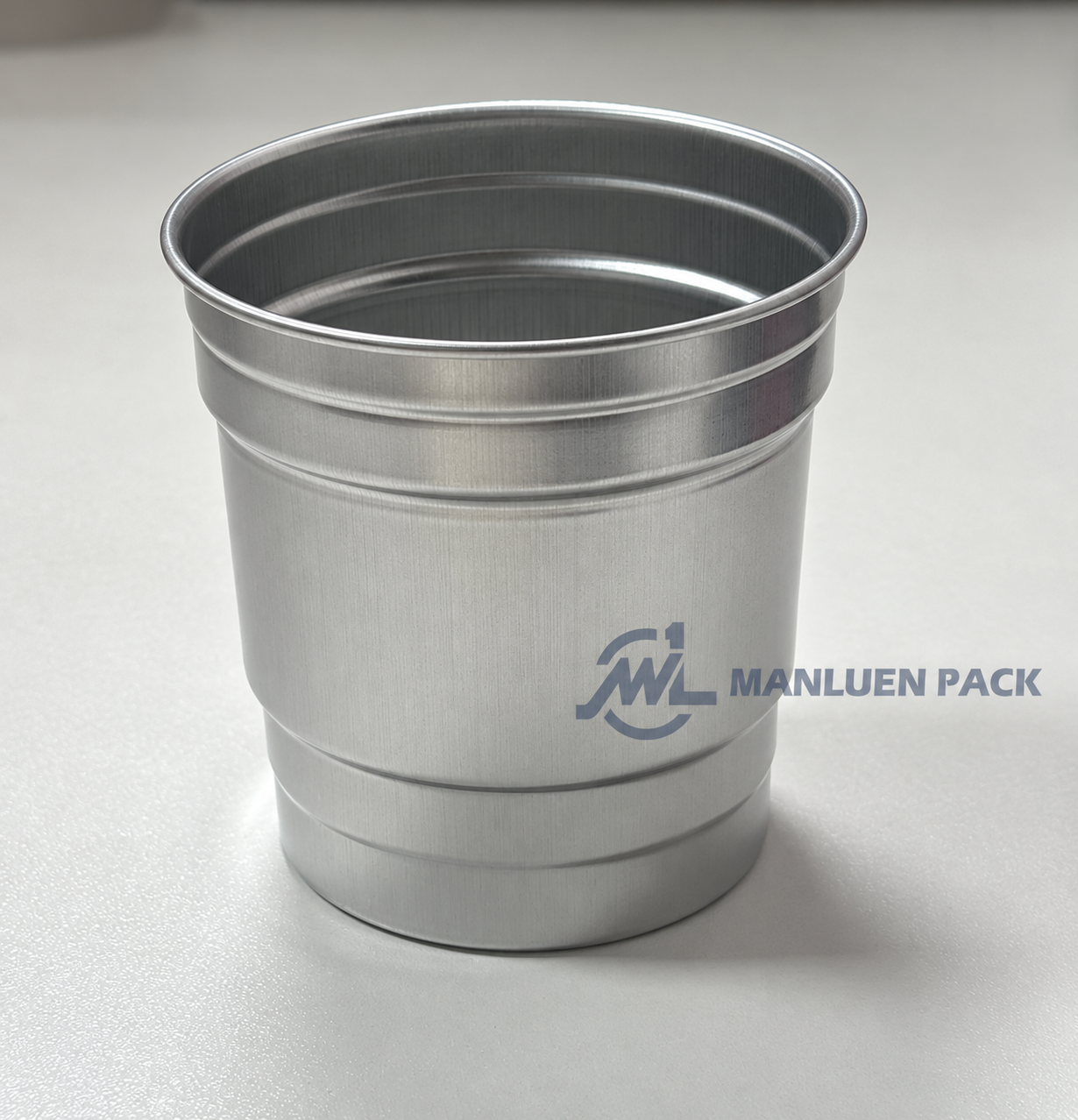
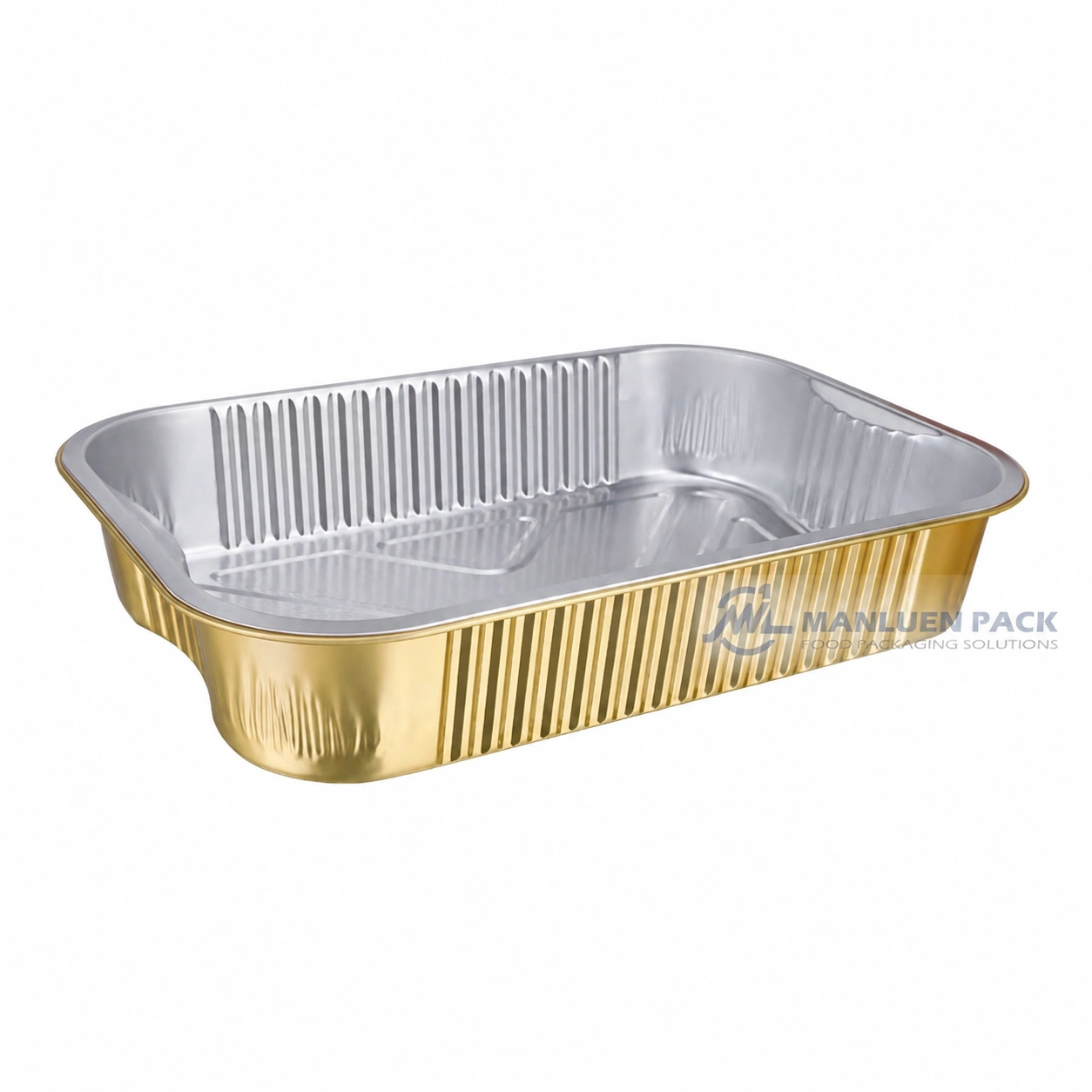
Rigid aluminum containers
Foil trays, pie plates, baking pans, and some takeout containers are shaped, rigid items. A program may handle them differently from loose foil sheets, so look for words such as trays, pans, plates, containers, or lids in the local guide. Empty the container and remove food residue when the program requires it. Do not assume that a lid, coating, or attached plastic piece has the same material as the container.
Foil-lined and metallized packaging
Many snack bags, candy wrappers, energy-bar wrappers, coffee bags, sachets, and pouches combine plastic or paper with an aluminum layer and adhesive. Some use metallized plastic, which has a very thin coating of metal on a plastic film. These materials can look exactly like foil, but they are not the same as a loose sheet of aluminum. Ordinary curbside programs usually do not accept them unless a current local or specialized program specifically says they do.
Do not rely on color or a scrunch test alone
Silver color, shine, a recycling symbol, and the way a package folds can provide clues, but none of them proves that the whole package is recyclable in your area. A scrunch test may be a quick hint for some simple items; it is not a material certification or a recycling permit. When the structure is unclear, check the brand’s packaging information or ask the local program.
Why local recycling rules differ
“Technically recyclable” and “accepted in my curbside cart” are different answers. A local program must collect, sort, bale, and sell a material. Its equipment, contracts, contamination limits, and end markets determine which formats it accepts. That is why two official programs can give different answers without either one being wrong.
For example, the City of Holland, Michigan recycling page lists “Aluminum foil (unsoiled)” as recyclable curbside and “Aluminum foil (soiled with food)” as not recyclable curbside. Frederick County, Maryland accepts aluminum and steel food and beverage containers but lists “Aluminum foil” among items not accepted for curbside recycling. Its list also excludes plastic or foil food wrappers. San José Recycles accepts clean aluminum foil and gives a local instruction to make small pieces into a ball at least two inches wide, while excluding chip bags. These examples show local variation; they do not create a national rule.
To check your own program, start with your city, county, or hauling company’s current accepted-materials page. Search the exact item rather than the broad word aluminum: “aluminum foil,” “foil sheets,” “foil trays,” “pie pans,” “foil lids,” or “snack bags.” Confirm whether the instruction applies to curbside collection, a drop-off site, a transfer station, or a scrap-metal facility. If the page is unclear, call or email the program before you put the item in the cart.
How to prepare aluminum foil when your program accepts it
Only prepare foil for recycling after you confirm that the program accepts it. Remove food, grease, and sauces by scraping, wiping, or rinsing in the way the local instructions allow. Let the foil dry if the program requires dry materials. Do not bundle paper, plastic, food scraps, or other materials inside the foil.
Follow the program’s instructions for loose foil and small pieces. Some communities ask residents to gather small pieces into a ball; others do not give a size rule. San José’s two-inch instruction is a local example, not a universal threshold. Do not turn a local requirement into a nationwide rule, and do not assume that a ball makes dirty or laminated packaging recyclable.
If the foil is baked-on, oily, or too difficult to clean, do not force it into a clean-foil recycling stream. Follow the local guidance for contaminated material. Also follow any local instruction about bags: many programs want recyclables loose, not inside a plastic bag.
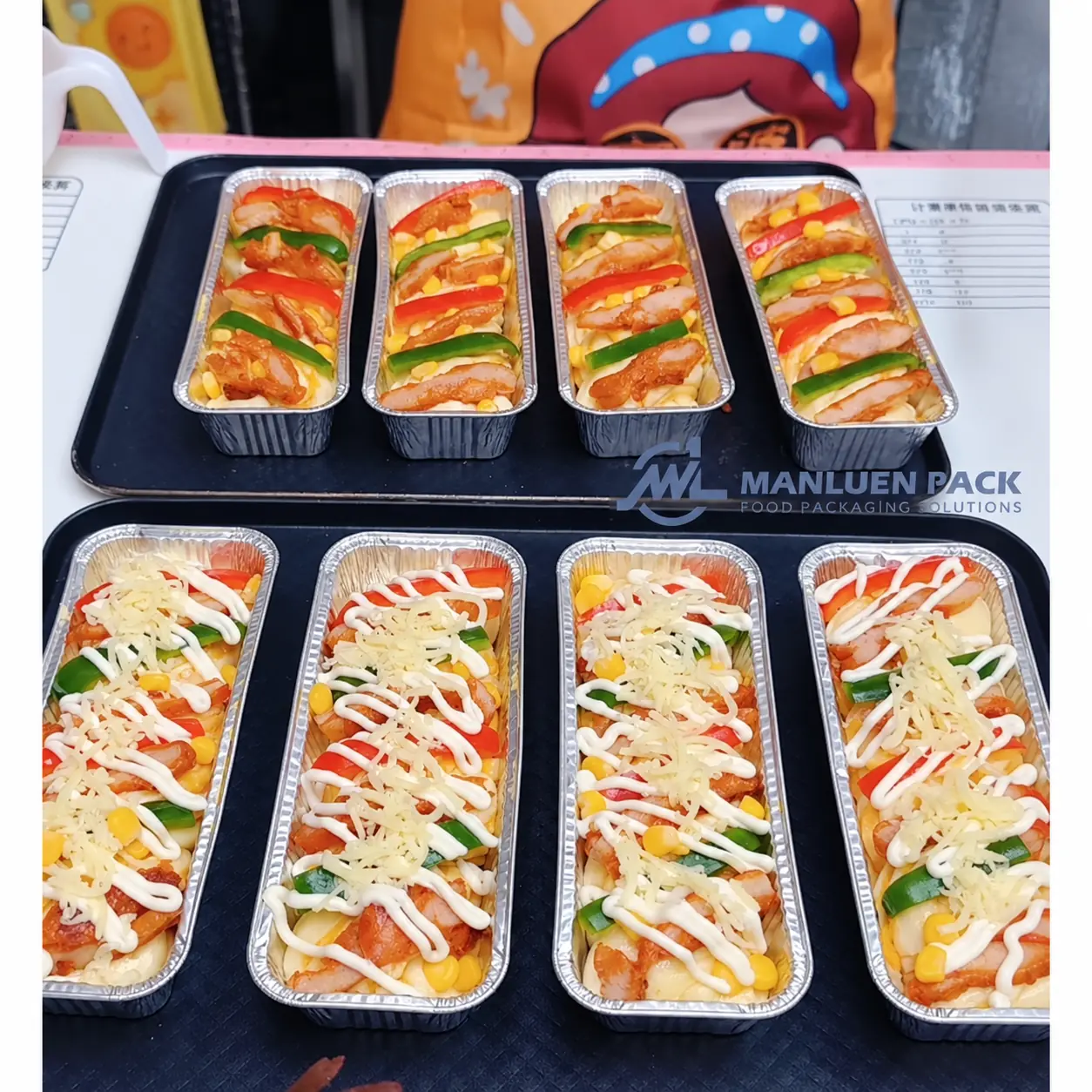
What about foil trays, pie plates, and takeout containers?
Some programs accept rigid aluminum containers more readily than thin foil because their shape is easier to identify and handle. Others reject both. Empty the tray, remove as much food as the local guide requires, and let it dry. Check the exact entry for trays, pans, pie plates, containers, and lids before you place anything in the cart.
Do not flatten a container, remove a coating, or separate a lid unless the local program tells you to. Size limits and preparation rules vary, and a rule written for cans may not apply to a foil tray or a ball of foil.
Why laminated foil packaging usually does not go in the blue bin
A laminated package may contain plastic, paper, aluminum, ink, and adhesive bonded into one flexible structure. A snack bag or coffee pouch can therefore contain aluminum without behaving like an aluminum can or a sheet of cooking foil. The facility would need a way to identify, sort, and market that particular combination, not simply melt the metal layer.
This distinction also explains why “aluminum can be melted” is not a complete answer. Collection and sorting happen before a metal furnace. Thin or loose pieces may not be captured by the same equipment used for rigid containers, and food residue can reduce the value of a load. A composite package adds the separate problem of handling several bonded materials. These are common processing barriers, not proof that every composite is impossible to recover everywhere.
Unless a current program names the exact wrapper or pouch, keep laminated and metallized flexible packaging out of ordinary curbside recycling. A specialized program may exist, but verify its accepted format, service area, cost, and current status before using it.
What to do when your local program does not accept foil
Do not “wishcycle” rejected foil. Putting it in the cart can contaminate the stream or send the item to disposal after collection. Instead, check your municipality’s drop-off or transfer-station instructions. A local scrap-metal recycler may accept clean foil, but ask about the exact material and minimum quantity before making a trip. A brand or mail-in program is another possibility only when its current instructions name your packaging format.
If you cannot find a verified route, follow the local residual-waste instructions. A clear trash instruction is safer than sending an unknown wrapper into a recycling stream that does not accept it.
Reuse comes before recycling
If clean foil is still intact and safe to use, reusing it can keep the material in service longer. Reuse is not the same as material recycling, but it is a practical option before disposal. Avoid reusing torn, heavily contaminated, or unsuitable foil, and follow ordinary food-safety guidance for anything that touches food.
The same principle applies to packaging choices: use only as much single-use material as the job requires, but do not assume that one substitute is automatically better in every situation. Packaging can protect food and prevent product waste, while a multilayer structure can make end-of-life recovery harder. The right comparison depends on the product and the local system.
Frequently asked questions
Can aluminum foil go in the recycling bin?
Sometimes. Clean, plain foil is accepted by some U.S. programs and explicitly rejected by others. Check your local list for aluminum foil, not just aluminum cans.
Does making a foil ball make it recyclable?
Not by itself. Some programs ask residents to gather small pieces into a ball, while others give different instructions. A ball does not remove food contamination or change a laminated wrapper into pure aluminum.
Why can aluminum cans be accepted when foil is rejected?
Cans and foil may enter different parts of a collection and sorting system. Their shape, weight, contamination, and local market value can affect how a program handles them. The ability to melt aluminum does not settle the curbside question.
Are chip bags and shiny candy wrappers made of aluminum foil?
Often they are plastic or paper packaging with a thin metallized layer, or a laminate of several materials. Shiny appearance alone is not enough. Check the package and the local program before treating one as pure foil.
Are foil pans and pie plates recyclable?
They may be, but the answer varies. Some programs list rigid aluminum containers separately and accept them when empty and clean; others reject them. Look for the exact item in the current local guide.
Is tin foil different from aluminum foil?
“Tin foil” is a common household term for aluminum foil. The name does not tell you whether a local recycling program accepts the item. Material and local instructions matter more than the nickname.
What should I do if my city does not accept foil?
Keep it out of the curbside cart. Check an official drop-off, transfer station, or local scrap-metal recycler for the exact format. If no verified option exists, follow the city’s residual-waste instructions.
The simple foil-recycling checklist
First, identify the package: plain foil, a rigid aluminum container, or a laminated/metallized wrapper. Next, check your city, county, or hauler’s current rule for that exact format. If it is accepted, remove food residue, dry it, and follow the local instructions for loose pieces or foil balls. If it is not accepted, keep it out of the cart and use only a disposal or drop-off route that you have verified.
References
These local pages support the examples in this article. Rules can change, so check the current page for your own address before you act on a recommendation.
City of Holland, Michigan. “Residential Recycling.” URL: https://recycleholland.com/
Frederick County, Maryland. “What Can I Recycle?” URL: https://frederickcountymd.gov/3549/What-Can-I-Recycle
San José Recycles. “Aluminum Foil.” URL: https://sanjoserecycles.org/guide/aluminum-foil/

万联塑料包装公司专业生产塑料食品包装已有 20 多年的历史。我们的产品由 100% 原生和不含双酚 A 的 PP、PS 和 OPS 制成,符合 FDA 和欧洲标准。
 ZH
 EN
 FR
 PT
 ES
 KO
 JA