
Introdução
A embalagem de vidro é sustentável? Pode ser—especialmente quando um recipiente contém uma quantidade substancial de vidro reciclado, é coletado através de um fluxo de reciclagem limpo ou é reutilizado muitas vezes num sistema de retorno local bem gerido. No entanto, o vidro não é automaticamente o material de embalagem de menor impacto. Produzi-lo requer temperaturas muito altas no forno, e o seu peso pode aumentar as emissões de transporte em comparação com alternativas mais leves.
A resposta mais defensável é, portanto, condicional: a embalagem de vidro é mais sustentável quando o sistema completo mantém o recipiente ou o seu material em circulação, controlando peso, quebras, lavagem e transporte. Uma garrafa recarregável devolvida localmente é uma proposta ambiental diferente de um frasco de uso único pesado enviado a longas distâncias e descartado após uma utilização.
Este guia explica os benefícios e desvantagens do vidro, como a reciclagem e reutilização alteram o resultado, como o vidro se compara com o plástico, alumínio, e papel, e o que os compradores de embalagens de alimentos devem analisar antes de fazer uma afirmação ambiental.
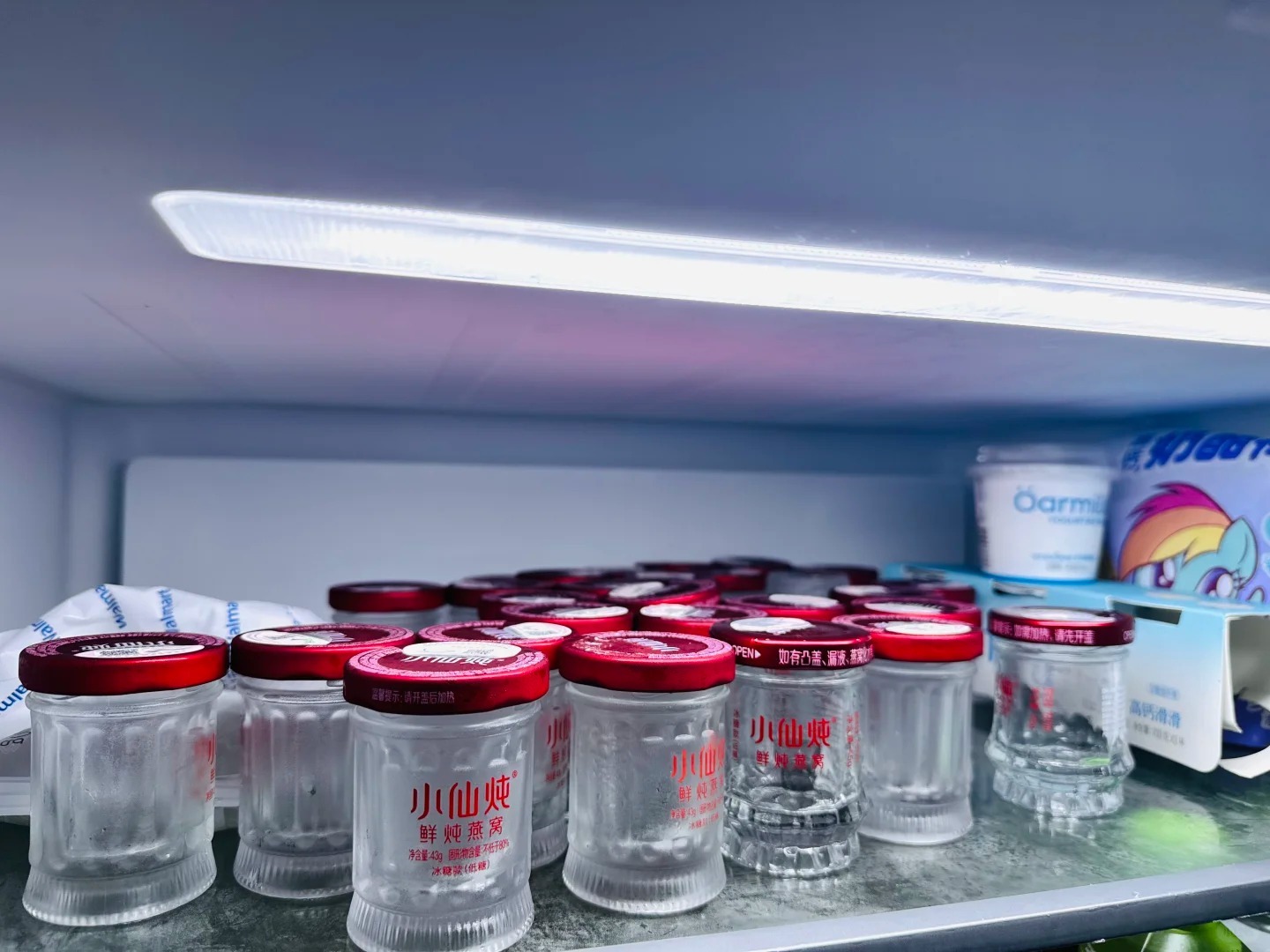
A embalagem de vidro é sustentável? A Resposta Curta
Sim, a embalagem de vidro pode ser sustentável, mas apenas sob as condições certas. As suas maiores vantagens são que o vidro de recipiente pode ser reciclado em novas garrafas e frascos, o vidro reciclado pode substituir matérias-primas virgens, e recipientes recarregáveis podem distribuir os impactos da fabricação ao longo de múltiplos usos. As suas principais desvantagens são a fusão energeticamente intensiva, o peso elevado da embalagem, e o risco de que quebras ou uma recolha deficiente impeçam o funcionamento do sistema circular pretendido.
| Pergunta | Resposta prática |
|---|---|
| O vidro é reciclável? | Sim. O vidro de recipiente devidamente separado pode ser processado em cullet e utilizado em novos recipientes de vidro. A recuperação real depende da recolha local, qualidade da triagem, requisitos de cor e acesso ao mercado final. |
| O vidro reciclado tem impacto menor? | Normalmente. O vidro de refugo substitui minerais virgens e funde-se com uma demanda de energia inferior à de uma mistura totalmente virgem. |
| O vidro reutilizável é sempre melhor? | Não. Desempenha-se melhor com altas taxas de retorno, ciclos de reutilização suficientes, lavagem eficiente, baixa quebra e rotas de logística reversa curtas ou otimizadas. |
| O vidro é mais ecológico do que o plástico? | Nem em todas as aplicações. O vidro pode ser mais resistente para reutilização e reciclagem em ciclo fechado, enquanto o plástico leve pode reduzir cargas de material e transporte e pode proteger alguns alimentos de forma mais eficiente. |
Por que a Embalagem de Vidro Pode Ser Sustentável
1. O vidro de recipiente pode suportar a reciclagem em ciclo fechado
Garrafas e frascos recolhidos em condições adequadas podem ser triturados em refugo, limpos, classificados e remeltados em novos recipientes. Esta é uma grande vantagem sobre estruturas de embalagem que são tecnicamente recicláveis, mas raramente retornam à mesma aplicação. O vidro não precisa ser reciclado por degradação; o material pode permanecer em um ciclo de garrafa para garrafa ou frasco para frasco quando a infraestrutura de recolha e processamento o suportar.
Essa distinção é importante. “Reciclável” descreve uma capacidade do material, enquanto “reciclado” descreve o que realmente aconteceu. Uma avaliação de sustentabilidade deve, portanto, perguntar não apenas se a embalagem pode ser reciclada, mas também se os programas locais a aceitam, se o vidro recuperado é suficientemente limpo para a produção de recipientes e se um mercado final próximo irá utilizá-lo.
2. O refugo reduz a demanda por materiais virgens
O vidro de recipiente convencional é feito principalmente de areia de sílica, cinzas de soda e calcário. O uso de refugo recuperado desloca parte desta mistura virgem e reduz a necessidade de extrair, processar e transportar novos minerais. Também desvia vidro adequado do descarte.
A separação por cor pode afetar quanto refugo um fabricante pode usar. Vidro transparente, âmbar e verde têm requisitos diferentes de qualidade e cor, portanto, uma recolha mista ou contaminada pode ser menos valiosa do que material limpo e controlado em cor.
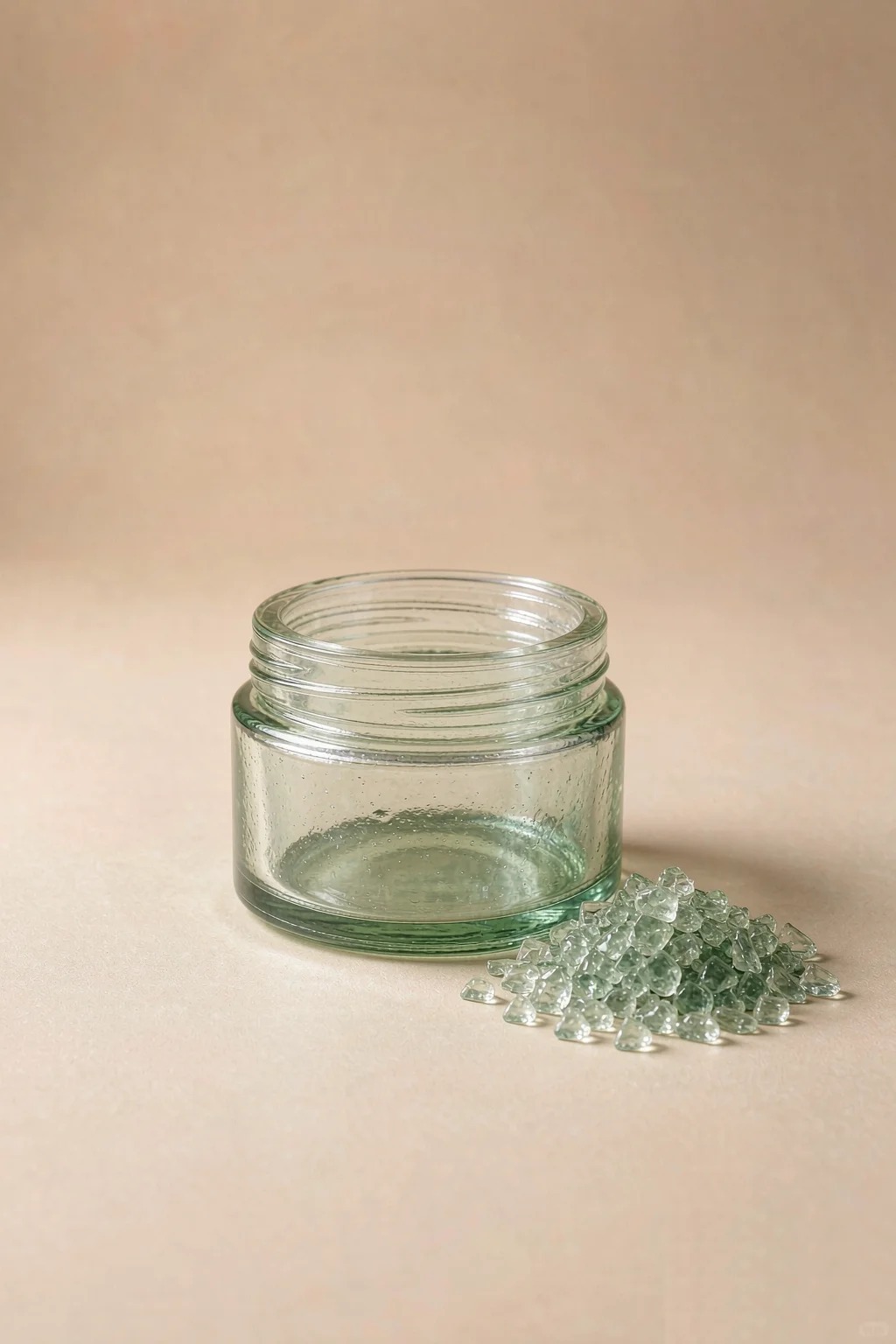
3. O vidro reciclado pode reduzir a energia de fusão
O refugo requer menos energia para fundir do que uma mistura feita inteiramente de matérias-primas virgens. O Instituto de Embalagens de Vidro afirma que os custos de energia caem aproximadamente entre 2% e 3% para cada 10% de refugo utilizado na mistura de fabricação. Um estudo de ciclo de vida de vidro de recipiente europeu, divulgado por FEVE.
Estas figuras descrevem benefícios da fabricação, não uma garantia de que cada embalagem de vidro tenha a mesma pegada. Combustível do forno, fonte de eletricidade, conteúdo reciclado, peso do recipiente, eficiência da fábrica e distância de transporte ainda alteram o resultado.
4. O vidro reutilizável pode distribuir os impactos da produção ao longo de várias viagens
Uma garrafa ou frasco de vidro durável pode ser coletado, inspecionado, lavado e reabastecido. Quando completa o número suficiente de rotações, seu peso de fabricação é compartilhado entre múltiplos usos em vez de ser atribuído a um único enchimento. Este é o argumento mais forte a favor da sustentabilidade do vidro, mas o recipiente sozinho não cria o benefício. O sistema de retorno é que o faz.
Quais são as desvantagens ambientais das embalagens de vidro?
Produção em altas temperaturas
Fornos de vidro operam a temperaturas muito elevadas. A energia usada para derreter e as emissões associadas à combustão de combustível e reações de matérias-primas podem tornar a fase de produção significativa. Maior uso de vidro reciclado, recipientes mais leves, fornos eficientes, energia de baixo carbono e recuperação de calor aprimorada podem reduzir esse impacto, mas não o eliminam.
Peso do transporte
Para o mesmo volume de produto, uma embalagem de vidro de uso único costuma ser mais pesada do que uma garrafa de plástico, saco, cartão revestido ou lata de alumínio. Mais massa de embalagem pode reduzir a eficiência da carga útil e aumentar o consumo de combustível, especialmente em rotas de distribuição longas. Uma comparação que ignora o transporte do recipiente de entrada, a distribuição do produto preenchido e as devoluções de recipientes vazios pode superestimar a vantagem do vidro.
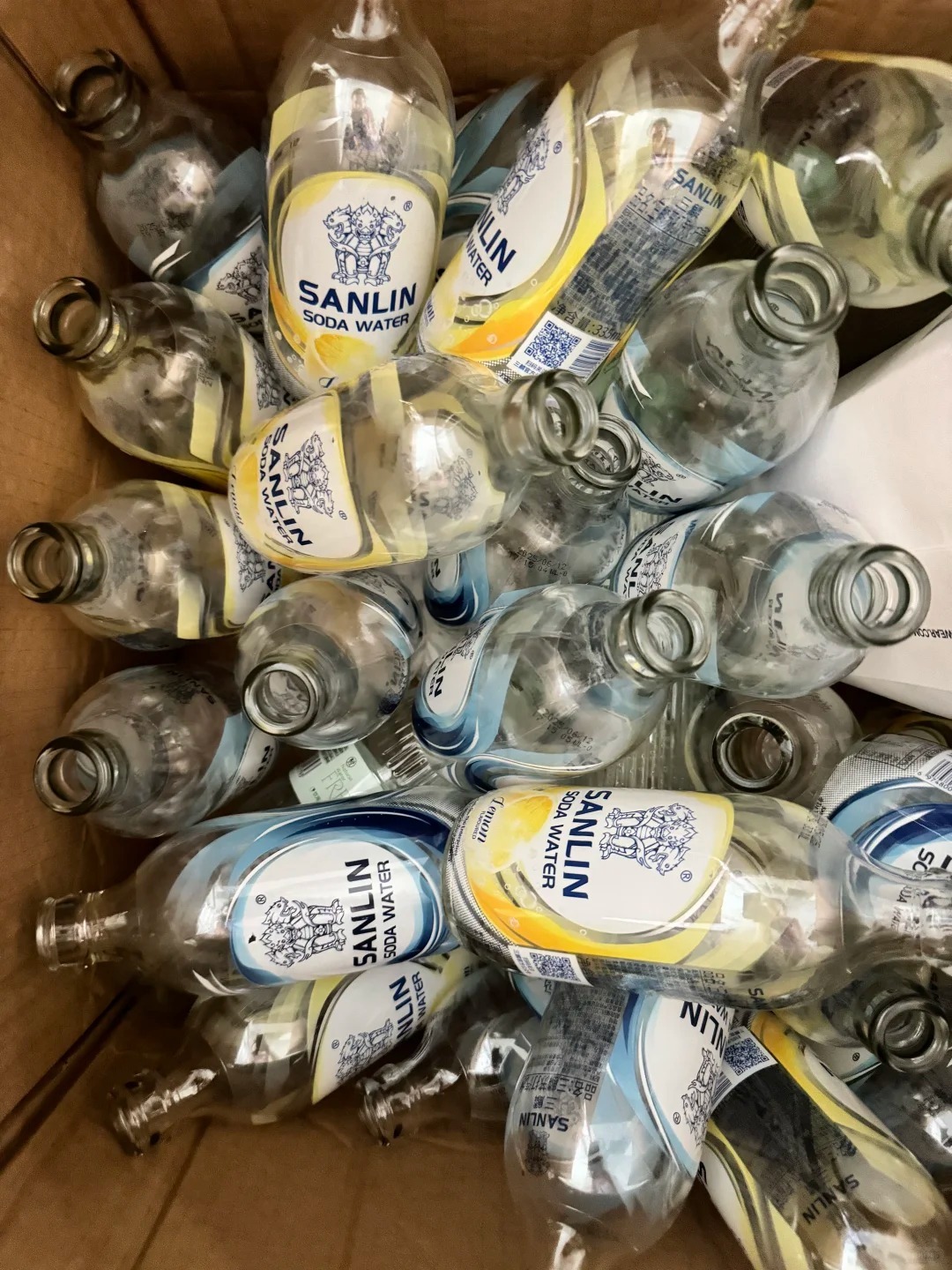
Quebra e perda de produto
O vidro oferece uma barreira rígida, mas pode quebrar durante o enchimento, transporte, manuseio no comércio, uso pelo consumidor ou logística de devolução. A quebra aumenta a perda de embalagem e também pode causar perda de produto. Como produzir o alimento ou bebida pode gerar um impacto ambiental maior do que produzir sua embalagem, prevenir deterioração e danos costuma ser mais importante do que minimizar o impacto da embalagem isoladamente.
A coleta não garante reciclagem em ciclo fechado
Cerâmicas quebradas, utensílios resistentes ao calor, pedras, metais e cores misturadas podem contaminar o vidro recuperado. Fragmentos muito pequenos também podem ser difíceis de separar em instalações de materiais mistos. Alguns materiais coletados tornam-se agregado ou são descartados em vez de retornarem a novos recipientes. Os compradores devem evitar tratar um símbolo de reciclagem ou uma reivindicação geral de reciclabilidade como prova de reciclagem de garrafa para garrafa local.
Single-Use Glass vs Reusable Glass
The distinction between single-use and reusable packaging is more important than the word “glass” alone.
- Single-use glass is manufactured, filled, distributed, used once, and then recycled or discarded. Its performance depends heavily on lightweighting, recycled content, collection, and transport distance.
- Reusable glass adds collection, reverse transport, sorting, washing, inspection, and refilling. Those extra operations create impacts, but successful reuse can avoid manufacturing a new container for each sale.
Lifecycle research consistently shows that the outcome is system-specific. A 2025 peer-reviewed study of wine bottles in Germany found reusable glass favorable in four of five evaluated impact categories under its modeled conditions, while also identifying washing and reverse transport as important burdens. Another beverage-packaging study found strong potential for returnable glass at high return rates but poor carbon performance for disposable glass in the system assessed.
These studies should not be converted into a universal “break-even number.” A refill system’s result changes with bottle design, trip distance, vehicle loading, wash temperature, energy source, loss rate, and the number of successful rotations.
Five questions that determine whether reuse works
- What percentage of containers comes back? Low return rates force the operator to manufacture replacements.
- How many successful rotations are achieved? Theoretical durability is less useful than documented average trips.
- How far do empties travel? Local pooling and efficient backhauls can reduce the penalty of moving heavy empty containers.
- How efficient is washing? Water, heat, detergent, drying, and wastewater treatment belong in the calculation.
- How much breakage and rejection occurs? Damaged, scuffed, or contaminated containers shorten system life.
How Sustainable Is Glass Recycling in Practice?
Recycling performance varies greatly by market. The latest comprehensive U.S. municipal-solid-waste dataset published by the U.S. Environmental Protection Agency covers 2018: approximately 3.1 million tons of glass containers were recycled, equal to a 31.3% recycling rate, while 7.6 million tons of glass were landfilled. The year matters; these figures should not be presented as a 2024 or 2026 national rate.
European industry data reported by afirma que os custos de energia caem aproximadamente entre 2% e 3% para cada 10% de refugo utilizado na mistura de fabricação. Um estudo de ciclo de vida de vidro de recipiente europeu, divulgado por indicates a 79% collection-for-recycling rate across the European glass value chain. That figure is not directly comparable with the U.S. EPA number because geographic scope, reporting methods, and waste systems differ, but it demonstrates how infrastructure and policy can change real-world recovery.
Collection quality is as important as collection quantity. According to the O, deposit-return systems produce substantially more clean, furnace-ready cullet than commingled curbside collection. The organization reports that ten U.S. states currently operate beverage-container deposit programs. Source-separated bins, deposit returns, careful color sorting, and stable local end markets can all improve the chance that a glass container becomes another container.
Is Glass More Sustainable Than Plastic, Aluminum, or Paper?
No packaging material wins every comparison. The correct unit is the complete package delivering the required amount of product—not one gram of material considered by itself. Shelf life, leakage, closures, secondary packaging, transport, recovery, and reuse must all be included.
| Material | Potential strengths | Important limitations | Often a good fit when |
|---|---|---|---|
| Glass | Rigid; strong product barrier; can support container-to-container recycling and refill systems | Heavy; breakable; energy-intensive melting; recovery varies by location | Recycled content is high, routes are short, or a high-return reuse system exists |
| Plástico | Lightweight; versatile; good barrier and seal performance with little material | Recovery varies by resin and format; films, dark colors, and multilayers can be difficult to recycle | Low weight, clarity, impact resistance, leak prevention, or cold-chain performance is essential |
| Aluminum | Lightweight; strong barrier; valuable recycling stream | Primary aluminum production is energy intensive; coatings and format affect suitability | A lightweight, high-barrier package with established metal recovery is needed |
| Paper or carton | Renewable fiber; low weight; efficient shipping and printing | Moisture or oxygen barriers may require coatings and layers that complicate recovery | A simple fiber structure provides enough protection and clean paper recycling is available |
For a wider overview of material properties, see ManLuen’s guide to materiais de embalagem de alimentos. Buyers comparing practical formats can also review the company’s food storage container range.
Is Glass Packaging Sustainable for Food?
Glass is well suited to many sauces, preserves, beverages, condiments, and shelf-stable foods because it is rigid, can provide an effective barrier, and allows product visibility. Yet sustainability depends on the entire pack and process.
A food package may include a metal or plastic closure, liner, label, adhesive, tamper-evident component, sleeve, and transport case. These parts affect sealing, separation, recycling, and total material use. A jar body being recyclable does not mean every component follows the same route.
Operational fit also matters. Buyers should validate filling temperature, pasteurization or sterilization conditions, thermal shock, impact resistance, closure compatibility, headspace, line speed, and distribution hazards. A package that fails during processing or allows food loss is not a sustainable choice.
For takeaway soup, compare disposable hot-soup bowls and lid options against the same serving volume and delivery conditions when evaluating alternatives to glass; material choice and sustainability need separate checks.
ManLuen’s guide on how to choose the right food packaging explains how product, process, and distribution requirements should shape material selection.
What Do Current U.S. Packaging Rules Mean for Glass?
Environmental regulation should be checked by market, package format, and effective date. For example, California’s packaging extended-producer-responsibility program under SB 54 covers a broad range of single-use packaging. CalRecycle states that permanent regulations took effect on May 1, 2026. Producers of covered material generally must participate in an approved producer-responsibility organization plan by January 1, 2027, unless a valid alternative applies.
This does not make every glass format automatically compliant or exempt. Businesses should confirm whether they are a regulated producer, how the specific package is categorized, what reporting or fee obligations apply, and whether recycled-content, labeling, deposit, or local collection rules also affect the product. Food-contact compliance is a separate issue from environmental claims; the relevant material, intended conditions of use, supplier documentation, and applicable jurisdiction must be reviewed. For a U.S.-focused starting point, see what agency regulates food packaging.
How to Make Glass Packaging More Sustainable
Increase verified recycled content
Specify a practical cullet target with the supplier and ask how it is measured. Consider color and appearance tolerances, because demanding perfect clarity or unusual colors can restrict recovered-content options.
Lightweight without compromising performance
Reducing glass mass can lower raw-material use and transport burdens. Lightweighting should be tested against filling pressure, thermal shock, top load, impact, line handling, pallet stability, and consumer use. A fragile package that increases breakage can cancel the material savings.
Design the full pack for recovery
Use closures, labels, inks, adhesives, and decoration that do not unnecessarily disrupt local sorting and remelting. Provide disposal instructions that match the actual destination market rather than using a generic global statement.
Shorten and optimize distribution routes
Source close to filling operations when feasible, maximize pallet and truck utilization, reduce empty space, and use return trips efficiently. Transport planning is especially important for heavy packaging and reusable systems.
Build reuse around measured performance
Track return rate, average rotations, wash energy, water use, breakage, rejection, replacement purchases, and reverse-logistics distance. Claims should be based on the system’s observed performance, not merely on the fact that a bottle is physically refillable.
Support better collection
Where volumes justify it, source-separated collection, deposit arrangements, retail take-back, or direct partnerships with processors can produce cleaner cullet than mixed collection. Confirm that the recovered material has an end market before describing the system as closed loop.
Buyer Checklist: Is Glass the Right Sustainable Package?
- Product protection: Does glass protect shelf life and prevent leakage or contamination under the intended conditions?
- Process compatibility: Has the complete package been tested for filling, heating, cooling, capping, handling, and distribution?
- Container weight: Can the design be lightweighted safely, and how does its filled-pack weight compare with alternatives?
- Recycled content: What verified cullet percentage does the supplier use for this color, plant, and production run?
- Local recovery: Is container glass accepted and actually processed in each sales market?
- Reuse feasibility: What return rate, rotation count, washing efficiency, and breakage rate can the system realistically achieve?
- Closures and labels: Can components be separated or managed by the intended recovery route?
- Transport: What are the supplier-to-filler, distribution, and return distances, and are loads efficiently utilized?
- Evidence: Are environmental claims supported by current, product-specific data rather than broad material assumptions?
- Regulatory scope: Have food-contact rules, labeling requirements, deposit laws, and packaging EPR obligations been checked for the destination market?
Perguntas Frequentes
Is glass packaging 100% sustainable?
No material is impact-free. Glass can be recycled and reused, but it still requires raw materials, high-temperature manufacturing, transport, and an effective recovery system. “100% sustainable” is too broad to substantiate.
Can glass be recycled indefinitely?
Container glass can undergo repeated remelting without the inherent polymer degradation associated with some plastics. In practice, repeated recycling depends on collection, contamination control, color specifications, processing yield, and demand from glass manufacturers.
Does recycled glass save energy?
Yes. Cullet melts more efficiently than an all-virgin batch. GPI reports an approximately 2%–3% energy-cost reduction for every 10% cullet used, while FEVE’s European lifecycle study modeled a 25.4% melting-energy saving for 100% cullet versus 100% virgin raw materials.
Is glass better than plastic for the environment?
Sometimes, but not universally. Refillable glass with high return rates and short routes may perform well, while heavy disposable glass shipped long distances can have a larger climate burden than a lightweight plastic package. Product protection, recycled content, recovery, and transport must be compared for the actual application.
Is reusable glass always the best option?
No. It needs a high return rate, enough successful rotations, efficient washing, low loss, and optimized reverse logistics. Without those conditions, the additional transport and cleaning burdens may outweigh the avoided production.
Why is glass recycling different from one location to another?
Programs differ in collection method, sorting equipment, acceptable colors and formats, contamination, hauling distance, and access to glass manufacturers or other end markets. Buyers should check local guidance instead of assuming that acceptance is universal.
What is the most important sustainability metric for glass packaging?
There is no single universal metric. For single-use glass, container weight, recycled content, transport, and actual recycling rate are central. For reusable glass, return rate and completed rotations should be added, along with washing and reverse logistics. A lifecycle assessment is the best tool for comparing meaningful alternatives on an equivalent product-delivery basis.
Conclusão
Glass packaging is sustainable when its circular advantages work in the real world. High cullet content, lightweight design, clean collection, efficient local transport, and successful reuse can make glass a strong choice. Heavy single-use containers, long routes, low recycling rates, and poorly managed returns can produce the opposite result.
The purchasing question should not be “Is glass good or bad?” It should be: Which complete packaging system protects this product with the lowest credible lifecycle impact in the markets where it will be sold? Compare function first, then container weight, recycled content, reuse performance, logistics, and the actual end-of-life route. That approach produces a defensible decision—and a sustainability claim buyers and customers can trust.
Fontes e Leitura Adicional
- U.S. EPA: Glass—Material-Specific Data
- Glass Packaging Institute: Environmental Benefits of Glass Recycling
- Glass Packaging Institute: How Deposit Return Impacts Glass Recycling
- FEVE: Container Glass Life Cycle Assessment
- CalRecycle: Packaging Extended Producer Responsibility
- Cleaner Environmental Systems: Reusable and Single-Use Wine Bottle Life Cycle Study

ManLuen Plastic Packaging Company, especializada na produção de Embalagens de Alimentos de Plástico há mais de 20 anos. Os nossos produtos são feitos de PP virgem e livre de BPA, em conformidade com os padrões da FDA e Europeus.
 PT
 EN
 ZH
 FR
 ES
 KO
 JA