
Introduction
Paper packaging is packaging made mainly from paper, paperboard, or molded plant fibers. It holds, protects, transports, and displays products. Common examples include paper shopping bags, cereal cartons, corrugated shipping boxes, paper cups, and molded pulp trays. Manufacturers choose different paper materials and structures to match the product’s weight, shape, and protection needs. [1][2]
Some paper packaging also contains coatings, adhesives, plastic films, or aluminum layers. These components help it resist liquids, grease, or oxygen. A paper-based package is therefore not necessarily plastic-free, and its complete construction determines its performance and recycling options.
What Are the Main Types of Paper Packaging?
Paper packaging ranges from flexible bags and wrapping sheets to rigid boxes and fitted protective inserts. Each format serves a different purpose. Understanding these differences makes it easier to choose packaging that protects a product without adding unnecessary material.

Paper Bags and Wrapping Paper
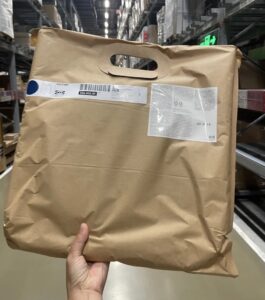
Paper bags carry groceries, clothing, takeaway meals, and other everyday purchases. Wrapping paper protects surfaces, separates products, and improves presentation. Businesses often use kraft paper for bags because it offers useful strength and tear resistance.
Lighter tissue papers work well around delicate products or inside retail packaging. Food wrapping papers may need grease-resistant treatments or other barriers. Ordinary paper does not automatically provide the protection required for oily, wet, or hot foods.
Folding Cartons
Folding cartons are paperboard boxes used for cereal, medicine, cosmetics, toothpaste, and many other retail products. Manufacturers print, cut, and crease paperboard sheets before folding and gluing them into shape.
Many folding cartons ship flat before filling, which saves storage space. Some hold products directly, while others surround an inner bag, bottle, or tray. That inner component may provide moisture protection, sealing, or cushioning that the carton cannot supply alone. [2]
Corrugated Boxes
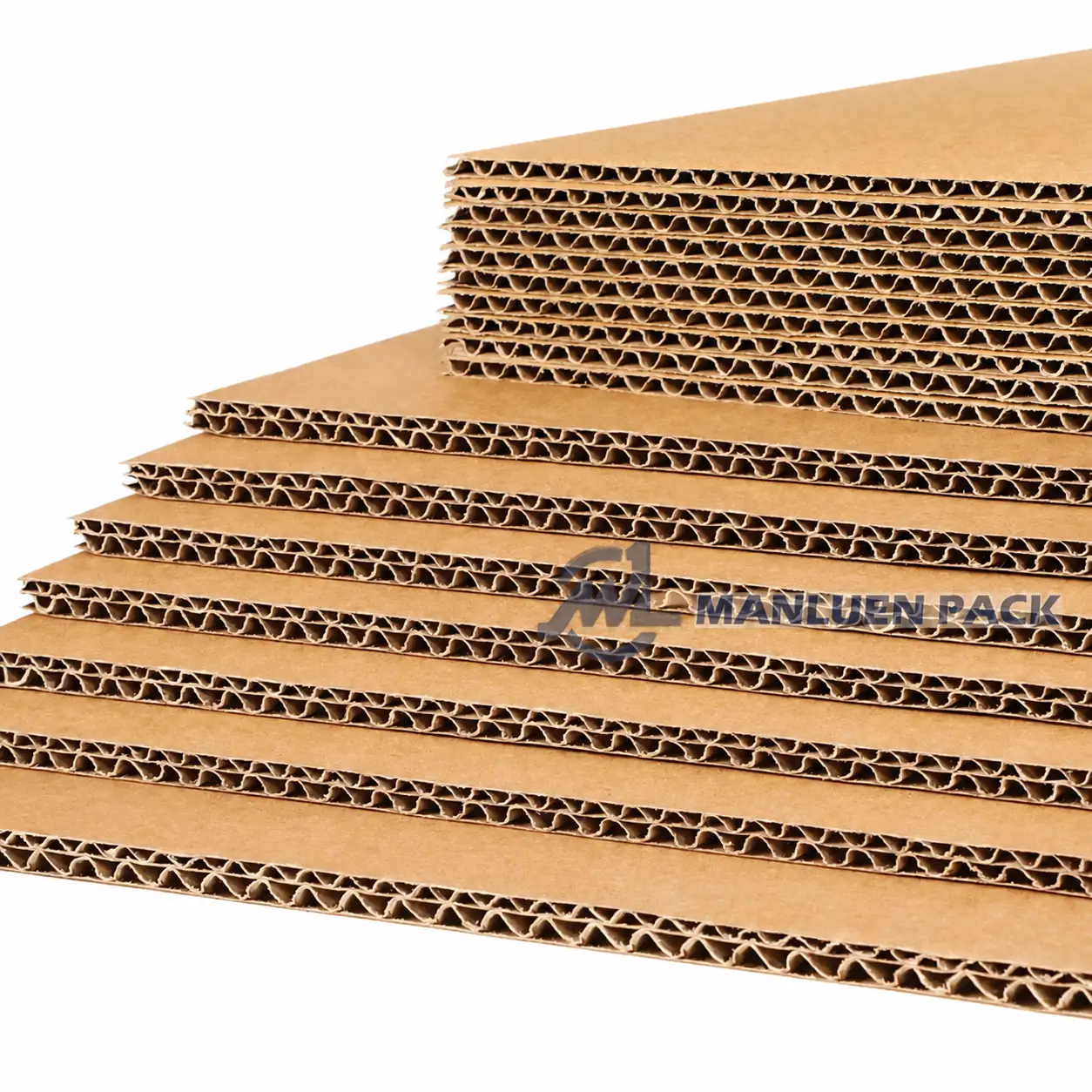
Corrugated boxes use flat liner sheets joined to a fluted paper layer. This structure gives the board useful stiffness and compression resistance without making it excessively heavy.
A typical single-wall board contains two liners and one fluted layer. Double-wall and triple-wall constructions add layers for more demanding applications. Manufacturers select the board grade and box design according to product weight, stacking loads, humidity, and shipping conditions.
Businesses use corrugated packaging for e-commerce deliveries, warehouse storage, produce distribution, and retail displays. A suitable box protects the contents as part of a complete system that may also include inserts, cushioning, and tape.
Rigid Boxes
Rigid boxes use thick board covered with printed or decorative paper. Most remain assembled during storage and shipping rather than folding flat.
Their firm structure and substantial feel suit jewelry, electronics, cosmetics, and gift sets. However, rigid boxes often require more storage space than folding cartons. Magnets, ribbons, foam inserts, and laminated wraps can also make the finished package harder to separate for recycling.
Molded Pulp and Molded Fiber Packaging
Manufacturers form molded fiber packaging from a wet fiber mixture, then dry or press it into shape. Egg cartons and cup carriers are familiar examples. More precise designs create fitted inserts for glassware, electronics, and appliances.
These inserts hold products in position and distribute forces during handling. Their protective performance depends on shape, fiber composition, thickness, and environmental conditions. A molded insert still needs testing with the product it will protect.
Paper Cushioning and Padded Mailers
Paper cushioning includes folded pads, crumpled paper, expandable honeycomb wraps, and other structures that limit movement inside a shipping box. Paper-padded mailers combine an outer envelope with a cushioning layer for smaller products.
These formats can replace some plastic protective materials. The replacement must still perform its job, however. A glass bottle, a sharp component, and a moisture-sensitive device need different kinds of protection.
Multiwall Sacks and Fiber Drums
Multiwall sacks use several layers of paper to contain products such as flour, grain, animal feed, and cement. Some include liners or barrier layers to control moisture and prevent fine powders from escaping.
Fiber drums provide a more rigid container for bulk materials. Their lids, bases, closures, and liners may use other materials. Buyers should therefore assess the whole container rather than treating its paper sidewall as a complete material specification.
Paper Cups and Composite Containers
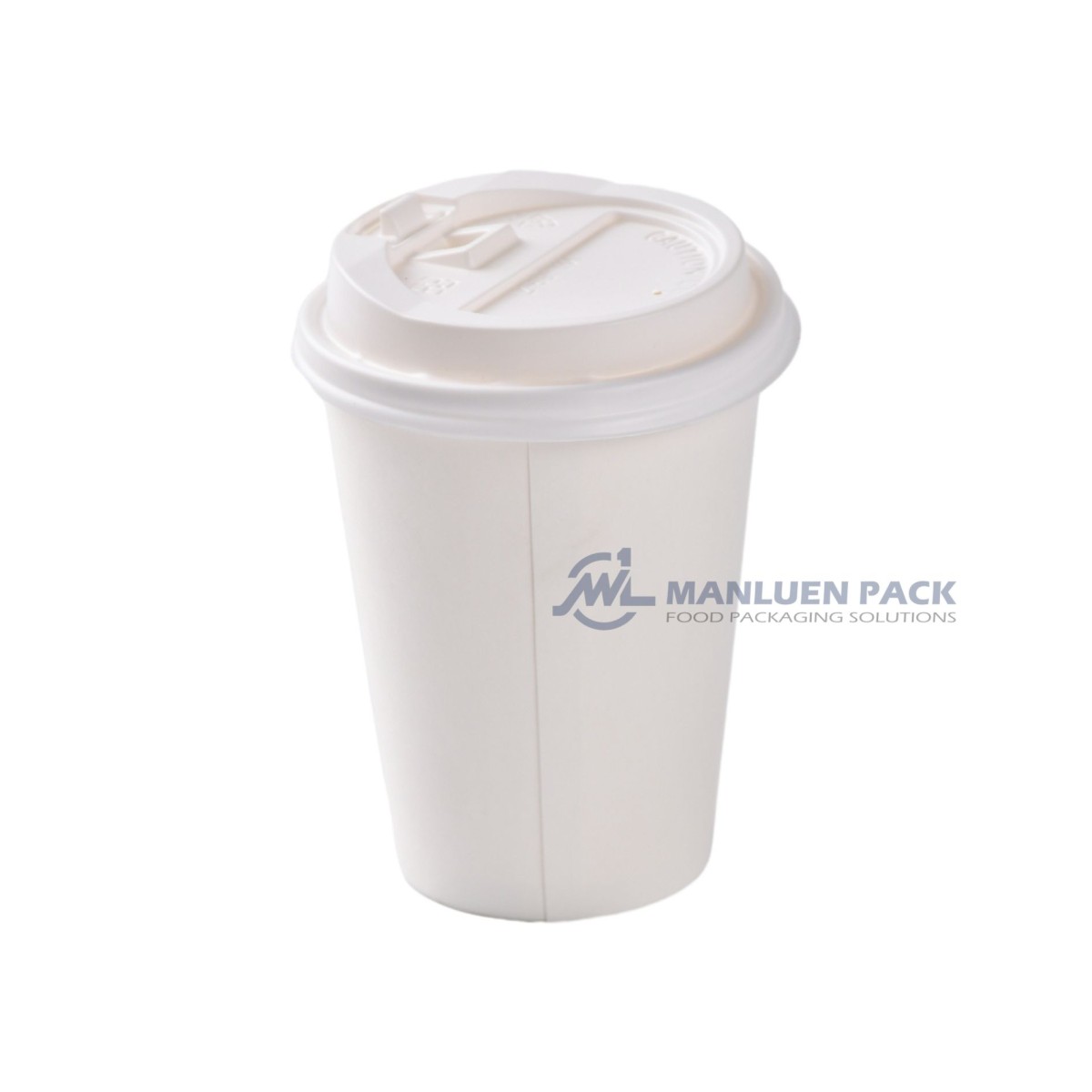
Paper cups, soup bowls, and many takeaway containers need barriers to resist liquids or grease. Beverage cartons and composite paper cans combine paperboard with other materials to provide sealing and preservation.
These formats belong to the broader paper-based packaging category, but they do not necessarily follow the same recycling route as an ordinary paper bag or shipping box.
Paper, Paperboard, and Cardboard: What Is the Difference?
Paper usually describes thinner, more flexible material used for bags, wraps, and labels. Paperboard generally describes thicker, stiffer material used for cartons and formed containers. Standards and applications draw the boundary differently, so a single weight threshold does not explain every product.
Corrugated board describes a layered structure rather than a single thick sheet. Its fluted medium distinguishes a shipping box from the solid paperboard used in a cereal carton.
“Cardboard” is an informal term that people apply to several board products. One person may mean corrugated board, while another means the thick board inside a gift box. Buyers should use the specific material name and confirm its construction.
Grammage and thickness also measure different properties. Two boards with the same weight per square meter can differ in thickness, stiffness, density, and printing quality.
What Is Paper Packaging Made Of?
Cellulose fibers form the foundation of paper packaging. Manufacturers obtain these fibers from wood, recovered paper, and other plant sources. Bamboo, sugarcane bagasse, and agricultural residues can also provide suitable fibers for certain applications.
Virgin fibers come from newly processed plant material. Recycled fibers come from recovered paper that mills pulp, clean, and turn into new products. Manufacturers may use either source or combine them to achieve the required strength, appearance, and processing performance.
The finished package often contains more than fibers. Adhesives hold layers and seams together. Printing inks carry branding and product information. Coatings help paper resist grease, moisture, or gases.
These additions explain why “paper-based,” “plastic-free,” and “single-material” do not mean the same thing. Paper may provide the structure while another material supplies the barrier.
What Is Paper Packaging Used For?
Paper packaging contains products, protects them during distribution, and makes them easier to handle and store. It also carries instructions, identification, barcodes, and branding.
A grocery bag helps customers carry purchases. A corrugated case protects an order through sorting and delivery. A medicine carton provides information, while a cosmetic box supports product presentation and recognition.
The same material can serve different packaging levels. A paperboard tray touching food acts as primary packaging. A carton around individually wrapped products serves as secondary packaging. A shipping case groups those cartons for transport.
The package’s relationship to the product determines its role. Its material alone does not establish whether it is primary, secondary, or transport packaging.
What Are the Main Benefits of Paper Packaging?
Flexible Structures and Applications
Manufacturers can fold paperboard into cartons, form fibers into fitted inserts, or combine paper layers into shipping structures. This flexibility allows paper packaging to serve products with very different shapes and handling requirements.
The best design uses the material where it performs well. A fitted insert can reduce movement, while a properly sized carton can eliminate unnecessary empty space.
Good Printability and Brand Presentation
Paper and paperboard provide useful surfaces for logos, images, instructions, and product details. Different grades support different printing results, from a natural kraft appearance to a smooth white retail carton.
Printing and structural design can also improve the opening experience. Clear instructions, easy access, and a package that holds the product securely often matter more than elaborate decoration.
Established Recycling Routes
Many common paper formats have established collection and recycling systems. Clean corrugated boxes, suitable paper bags, and many paperboard cartons can return to mills as recovered fiber. Local acceptance still determines what customers should place in their recycling bins. [3]
This advantage depends on the finished package. Coatings, contamination, and added components can change its suitability for a particular recycling system.
Renewable and Recovered Fiber Options
Paper packaging can use renewable plant fibers and recovered paper. Recycled fibers keep useful material in circulation, while responsibly sourced virgin fibers provide properties needed for certain applications.
Neither source guarantees a low environmental impact by itself. Manufacturers must also consider production, transport, material efficiency, and disposal.
What Are the Limitations of Paper Packaging?
Untreated paper generally offers limited resistance to water, grease, and gases. Moisture can weaken its structure, and oily products may stain or penetrate it. Food and beverage applications often need a coating, liner, or composite layer.
Paper is also not always the lightest or least expensive solution. A replacement for thin plastic packaging may require more material to perform the same task. Rigid structures can increase storage and shipping volume.
Manufacturing paper consumes water, energy, and processing chemicals. Adding decorative components or complex barriers may create further recovery challenges. Businesses should weigh these factors against the package’s protective performance rather than relying on a general environmental claim.
Is Paper Packaging Better Than Plastic?
Neither material is the best choice for every product. A useful comparison asks both packages to deliver the same protection under the same conditions.
Plastic can provide moisture resistance and sealing with relatively little material. Paper can provide stiffness, printability, and established recycling routes in many markets. The result depends on the package design, required shelf life, transport conditions, and local waste system.
Product loss matters too. A package that uses less material but causes more broken goods or spoiled food may create a worse overall result.
Businesses should compare complete packaging systems rather than individual materials. Life cycle assessments can help, but their findings remain specific to the product, location, and assumptions used.
Is Paper Packaging Sustainable?
Paper packaging can support more responsible material use when manufacturers source fibers appropriately, avoid unnecessary packaging, and design for available recovery systems. Its environmental performance still depends on the complete life cycle.
Recycled fibers reduce demand for newly processed fiber and keep recovered paper in use. Virgin fibers can supply strength and replenish fibers lost during recycling. Both have a role, depending on the application.
Alternative fibers also deserve a balanced assessment. Bamboo, bagasse, and straw can broaden raw-material options, but “tree-free” does not automatically mean lower impact. Cultivation, processing, energy use, and transportation still matter.
Businesses should first examine package size and product protection. Removing an unnecessary layer or improving a poor fit may offer a more practical benefit than changing materials without a clear performance reason.
Is Paper Packaging Recyclable?
Many paper packages are recyclable, but not every paper-based product belongs in a standard paper collection.
Recycling mills turn recovered paper into pulp, remove unwanted material, and use the fibers to make new products. The collection program and receiving mills determine which packaging formats the system can handle. The U.S. Environmental Protection Agency advises consumers to check local guidance for specific materials and containers. [3]
Food residue, heavy contamination, plastic films, aluminum layers, and certain treatments can complicate processing. That does not make every coated paper unrecyclable. It means the full construction and available facilities determine the answer.
Paper cups, beverage cartons, and padded mailers need particular attention. Consumers should empty them, separate components where instructed, and follow local collection rules.
Paper fibers also change during processing, and the system loses some material in each cycle. No single fixed number of recycling cycles applies to every paper product. Claims that all paper can be recycled exactly five or seven times oversimplify the process.
Is Paper Packaging Biodegradable or Compostable?
Paper fibers can biodegrade, but a finished package may also contain coatings, inks, adhesives, and other components. Those ingredients can change how the package behaves after disposal.
Biodegradable means a material can break down through biological activity under particular conditions. Compostable makes a more specific claim about breakdown in a defined composting environment. Industrial composting and home composting do not provide the same conditions.
A compostability claim should cover the complete package, not just its paper base. The Federal Trade Commission’s Green Guides also call for evidence and appropriate qualifications when businesses make environmental claims. [4]
Landfills create different conditions from composting systems. Breakdown can slow, and anaerobic decomposition can generate methane. A biodegradable label does not make littering or landfill disposal harmless.
Water-soluble materials require another distinction. Dissolving in water does not prove biodegradability or establish that a package belongs in a drain or toilet.
How Do You Choose the Right Paper Packaging?
Start with the product. Its weight, dimensions, fragility, and sensitivity determine the protection required.
A garment needs different packaging from a glass bottle. Hot food needs different barriers from a dry cosmetic product. Frozen goods must cope with cold storage and condensation, while bulk powders need suitable seams and closures.
Next, consider the journey. The package must withstand filling, handling, stacking, storage, and delivery. It should also work with the business’s packing equipment and fit the customer’s disposal options.
Compare total cost rather than unit price alone. Tooling, assembly, freight, storage, packing speed, and damaged-product returns can outweigh a small saving on materials.
Test samples before committing to a large order. Depending on the application, useful checks include compression, drop, vibration, leakage, sealing, and performance under expected temperature and humidity.
Which Paper Materials Are Used for Packaging?
Kraft Paper and Kraft Paperboard
Kraft materials use fibers produced through the kraft pulping process. Manufacturers value them for strength and use them in bags, wraps, liners, and board products.
Unbleached kraft often has a brown appearance, but kraft materials can also be bleached or treated. Color alone does not establish recycled content, food-contact suitability, or environmental performance.
SBS, FBB, and Recycled Paperboard
SBS, or solid bleached sulfate, provides a white paperboard surface suited to high-quality printing. FBB, or folding boxboard, typically combines multiple layers to provide stiffness at relatively low weight.
Coated recycled boards and duplex grades serve many other carton applications. Specifications vary by supplier and market, so buyers should compare technical data rather than abbreviations alone.
Greyboard and Coated Art Paper
Greyboard often forms the core of a rigid box. A separate printed paper wraps the outside and supplies the visible finish.
The two materials perform different jobs. The board provides structure; the wrap provides appearance. Assessing them separately helps buyers understand both manufacturing choices and disposal challenges.
Specialty Food Papers and Coatings
Greaseproof paper resists oils and fats. Glassine offers a dense, smooth surface for selected wrapping and interleaving uses. Baking paper serves heat-related applications within its stated limits, while waxed paper serves different wrapping and moisture-control tasks.
Cupstock and other foodservice boards often require a functional barrier. PE, PLA, and water-based coatings provide different properties and recovery options. Water-based does not necessarily mean plastic-free, and PLA does not automatically make a finished package home compostable.
Is Paper Packaging Safe for Food?
Paper packaging can safely contact food when its complete construction meets the requirements for its intended use.
The assessment includes fibers, coatings, inks, adhesives, and possible contaminants. It also considers food type, contact time, and temperature. A dry biscuit carton and a hot soup container face different conditions.
Some substances can migrate from packaging into food. The practical risk depends on the substance, migration level, and exposure. The FDA evaluates food-contact substances in relation to their intended uses and supporting safety information. [5]
Recycled paper also needs an application-specific assessment. Its suitability depends on sourcing, processing, barriers, and applicable rules. Neither a blanket approval nor a blanket rejection provides useful guidance.
Businesses should request appropriate compliance documents and use limitations. A paper container should enter an oven or microwave only when the manufacturer specifies that use.

How Is Paper Packaging Made?
Manufacturers first prepare fibers from plant material or recovered paper. They pulp, clean, and process the material to achieve the properties required.
For paper and paperboard, they form the fiber mixture into a sheet, remove water, press it, and dry it. Further treatment can improve surface quality, printing, or barrier performance.
Converters then print, cut, crease, fold, and glue the material into packaging. Corrugators bond fluted medium to liners. Rigid-box makers form thick board structures and apply outer wraps.
Molded fiber follows a different route. Equipment shapes wet pulp, removes water, and dries or presses the part. Some products also require trimming or surface treatment.
How Can Paper Packaging Be Customized?
Good customization starts with structure. A package should fit the product, open easily, and protect its contents before it adds decorative features.
Printing gives the package its identity. Embossing, debossing, foil stamping, varnishes, windows, and specialty surfaces expand the design options. Metallic, pearlescent, and holographic effects can create a distinctive appearance.
These choices also affect production and recovery. Added films, windows, magnets, and other components can change how easily customers separate and recycle the package. Designers should balance appearance with function, cost, and disposal.
What Innovations Are Expanding Paper Packaging?
Expandable honeycomb wraps, precision-molded inserts, and paperboard multipack carriers extend paper’s protective uses. New barrier systems aim to improve grease and moisture resistance. Designers also explore alternative fibers and paper-based locking mechanisms.
Each innovation needs evidence. A successful drop test applies to a particular product and package. A compostability claim applies to a defined construction and set of conditions.
The most useful innovations protect products, perform reliably in production, and offer a credible disposal route. Novelty alone does not make a package better.
Frequently Asked Questions
Is all paper packaging plastic-free?
No. Paper cups, food containers, and other formats may contain plastic coatings, windows, or laminates. Check the complete material specification.
Is brown paper more sustainable than white paper?
Not necessarily. Color does not establish sourcing, manufacturing impact, recycled content, or recyclability.
Can paper packaging be waterproof?
Barrier treatments can improve water resistance. The level and duration of protection depend on the finished package and its intended use.
Is paper packaging cheaper than plastic?
Sometimes. Compare the complete system, including material use, storage, freight, packing, and product damage.
Can coated paper packaging be recycled?
Some coated papers have suitable recycling routes. Acceptance depends on the coating, package construction, and local facilities.
Can paper packaging go in a home compost bin?
Only when the complete product is suitable for home composting. A paper base alone does not prove that it is.
Which paper packaging works best for fragile products?
Corrugated structures, molded fiber inserts, and paper cushioning can all work. The right combination depends on the product and shipping conditions and should undergo appropriate testing.
Conclusion
Paper packaging includes bags, cartons, shipping boxes, molded inserts, and composite containers. Manufacturers use these formats to contain, protect, transport, and present products.
Its value depends on matching the material and structure to the task. Paper is not automatically plastic-free, recyclable, compostable, or suitable for food contact.
The best choice protects the product, uses material efficiently, and fits the recovery systems available where customers will dispose of it.
References
[1] American Forest & Paper Association — Paper Packaging
Overview of common paper-based packaging formats and applications.
https://www.afandpa.org/paper-wood-products/packaging
[2] Paperboard Packaging Council — What Is Paperboard Packaging?
Explains folding cartons, rigid boxes, and paperboard packaging applications.
https://paperbox.org/what-is-paperboard-packaging/
[3] U.S. Environmental Protection Agency — How Do I Recycle Common Recyclables?
Provides recycling guidance and explains why local collection rules matter.
https://www.epa.gov/recycle/how-do-i-recycle-common-recyclables
[4] Federal Trade Commission — Environmental Claims: Summary of the Green Guides
Explains requirements and qualifications for recyclable, compostable, and other environmental claims.
https://www.ftc.gov/business-guidance/resources/environmental-claims-summary-green-guides
[5] U.S. Food and Drug Administration — Understanding How the FDA Regulates Substances That Come into Contact with Food
Explains the assessment of food-contact substances and their intended uses.

ManLuen Plastic Packaging Company, which is specialized in the production of Plastic Food Packaging for more than 20 years. Our products are made from 100% virgin and BPA-Free PP, PS, and OPS comply with FDA and European Standards.
 EN
 ZH
 FR
 PT
 ES
 KO
 JA