
PLA是什么?性能、用途、堆肥和回收
引言
PLA 是什么? PLA,或聚乳酸,是一种热塑性聚酯,通常由从可再生农业原料如玉米、甘蔗、甜菜或木薯中获得的糖类制成。制造商将其用于透明杯子、冷食容器、托盘、盖子、薄膜、纤维、3D打印线材以及部分医疗产品。.
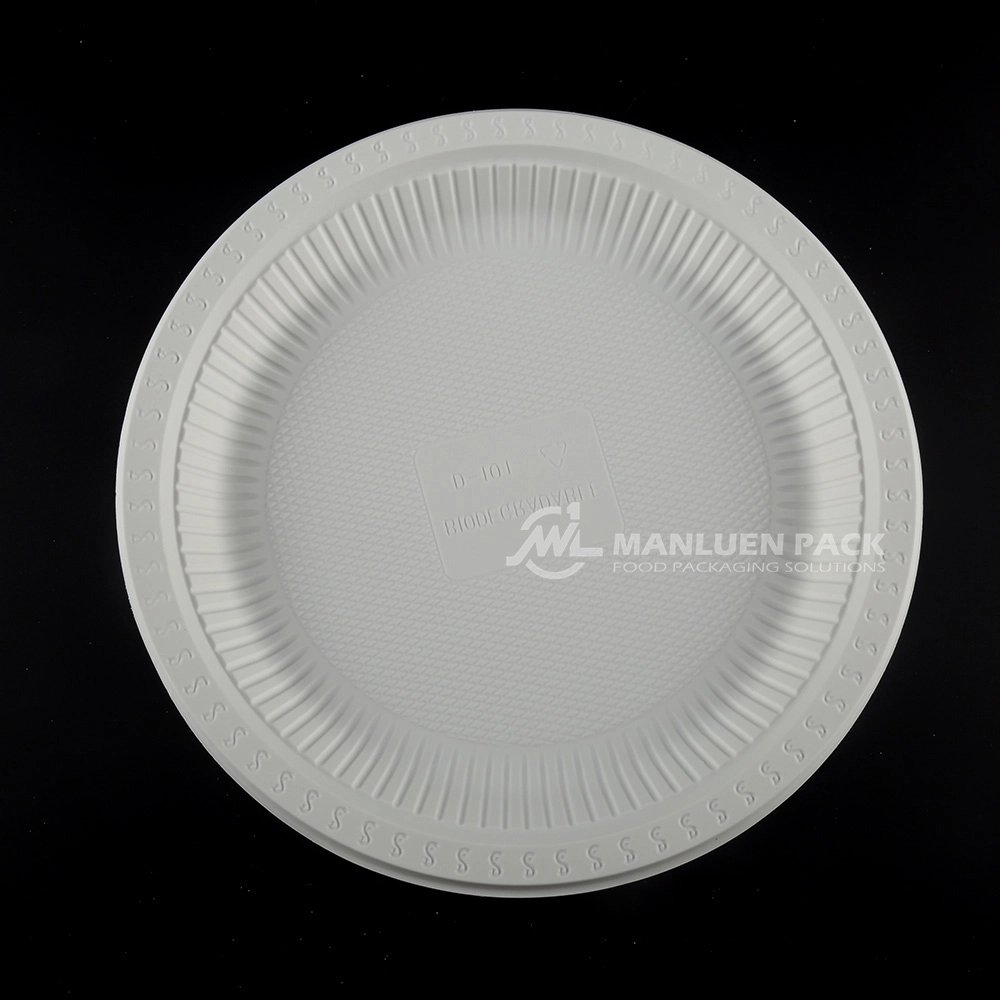
PLA 是生物基的,但仅凭这一点并不意味着每个 PLA 产品都能在土壤、海水、垃圾填埋场或家庭堆肥中迅速生物降解。大多数以包装为目的的可堆肥 PLA 旨在工业堆肥的受控条件下分解。其真正的环境效果取决于成品包装、相关认证、收集系统、污染程度以及当地基础设施的可用性。.
对于食品包装买家来说,PLA 可以提供优异的透明度、实用的刚性以及用于冷藏或中等温度敏感应用的可再生原料。其局限性包括在标准等级中的较低耐热性、相较某些传统塑料的脆性、适度的防潮和阻气性能,以及有限的专用堆肥或回收渠道。本文将解释 PLA 的制造方式、分子结构如何影响性能、其适用场景以及买家在采购前应核实的事项。.
PLA 代表什么?
PLA 代表 聚乳酸. 。更为化学精确的名称是 聚(乳酸). 。尽管在其常用名称中有“酸”字,PLA 实际上是一种聚酯:其长链高分子包含由乳酸衍生的单元形成的酯键。.
PLA 不应与乳酸本身混淆。乳酸是一种用作起始单体的小分子;而 PLA 是由这些单体聚合而成的高分子量聚合物。聚合物的分子量、立体化学、添加剂、结晶度以及加工历史都影响成品 PLA 的性能。.
PLA 是由什么制成的?
商业用 PLA 通常始于富含碳水化合物的作物。淀粉或糖被转化为可发酵的糖类,微生物将这些糖发酵成乳酸,然后通过化学工艺将乳酸转化为聚合物。.
常用的原料包括:
- 玉米淀粉或玉米糖;;
- 甘蔗和甜菜;;
- 木薯及其他富含淀粉的作物;以及
- 潜在的未来原料,如农业残余物或其他非食用生物质,前提是技术和商业上可行。.
作物来源本身并不决定成品包装的质量。树脂配方、聚合物纯度、分子结构、片材挤出、成型条件、添加剂以及成品设计也都非常重要。.
生物基不等同于可生物降解
这些术语描述不同的属性:
- 生物基 描述某种材料中部分或全部碳的来源。生物基塑料可能部分或全部由可再生的生物资源如甘蔗、玉米、淀粉或纤维素制成。然而,生物基并不自动意味着可生物降解、堆肥或可回收。生物基聚合物在使用寿命结束时可能表现得与传统的化石基塑料类似。.
- 可生物降解 描述材料在特定环境条件下,通过生物活动在一定时间内分解的能力。该术语不应被用作保证某个物品在任何环境中都能快速消失的通用保证。温度、湿度、氧气、微生物活性、材料厚度和处理条件都可能影响生物降解的速度和程度。.
- 可堆肥 比可生物降解更具体的说法。堆肥产品必须在特定堆肥条件下满足生物降解、物理破碎和堆肥质量的定义要求。例如,工业堆肥包装可能需要控制的温度和湿度,可能在家庭堆肥或自然环境中无法以相同方式分解。.
- 可回收 指包装是否在现有的回收系统中能够被实际收集、分类、处理并转化为有用的二次材料。仅有技术上的可回收性是不够的。标签、粘合剂、涂层、食物残留、多层结构、包装尺寸、当地收集规则、分拣技术以及回收材料的需求都可能影响包装在实际中的回收情况。.
塑料可以是生物基的,但不一定容易生物降解;而可生物降解塑料可以部分或全部由化石源原料制成。因此,买家应分别评估每个声明。.
PLA是如何制造的?
1. 生产可发酵糖
当生产以淀粉作物为原料时,淀粉被提取并水解成更简单的糖,如葡萄糖。糖类作物可以通过适当的糖提取和纯化流程进入生产过程。.
2. 将糖发酵成乳酸
选择的微生物将糖发酵成乳酸。工艺控制和纯化很重要,因为乳酸的光学异构体和纯度会影响最终聚合物的结构和性能。.
3. 聚合乳酸单体
可以采用两种主要路线。直接缩聚在去除水的同时连接乳酸分子,但高分子量材料的高效生产需要精心控制。主要的商业路线通常将乳酸转化为环状中间体——乳酰内酯,然后开环形成长链PLA。这被称为开环聚合。.
4. 将PLA树脂转化为片材、薄膜或零件
根据需要对聚合物进行配料,并以树脂颗粒的形式供应。.
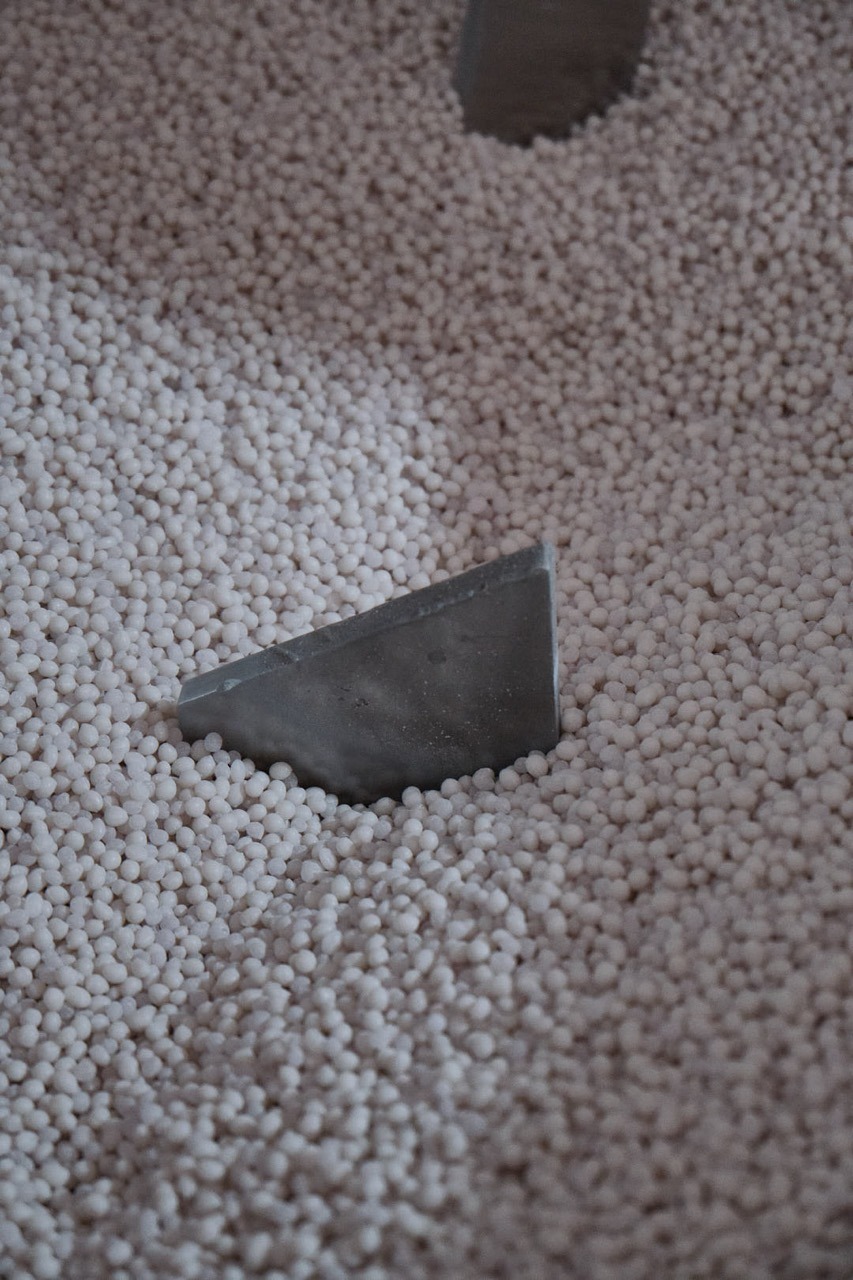
颗粒可以被熔化并挤出成片材或薄膜,注塑成型,纺成纤维,或作为3D打印丝材挤出。.
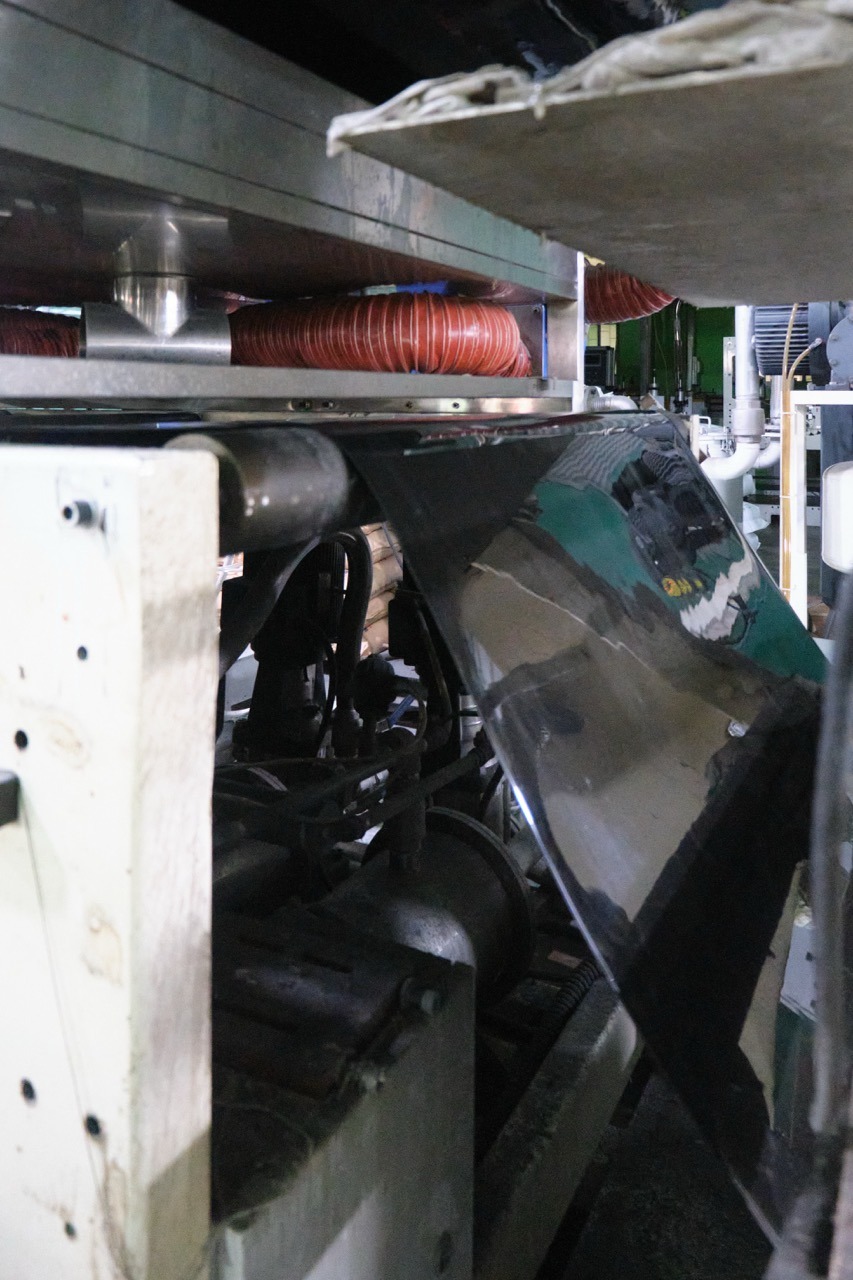
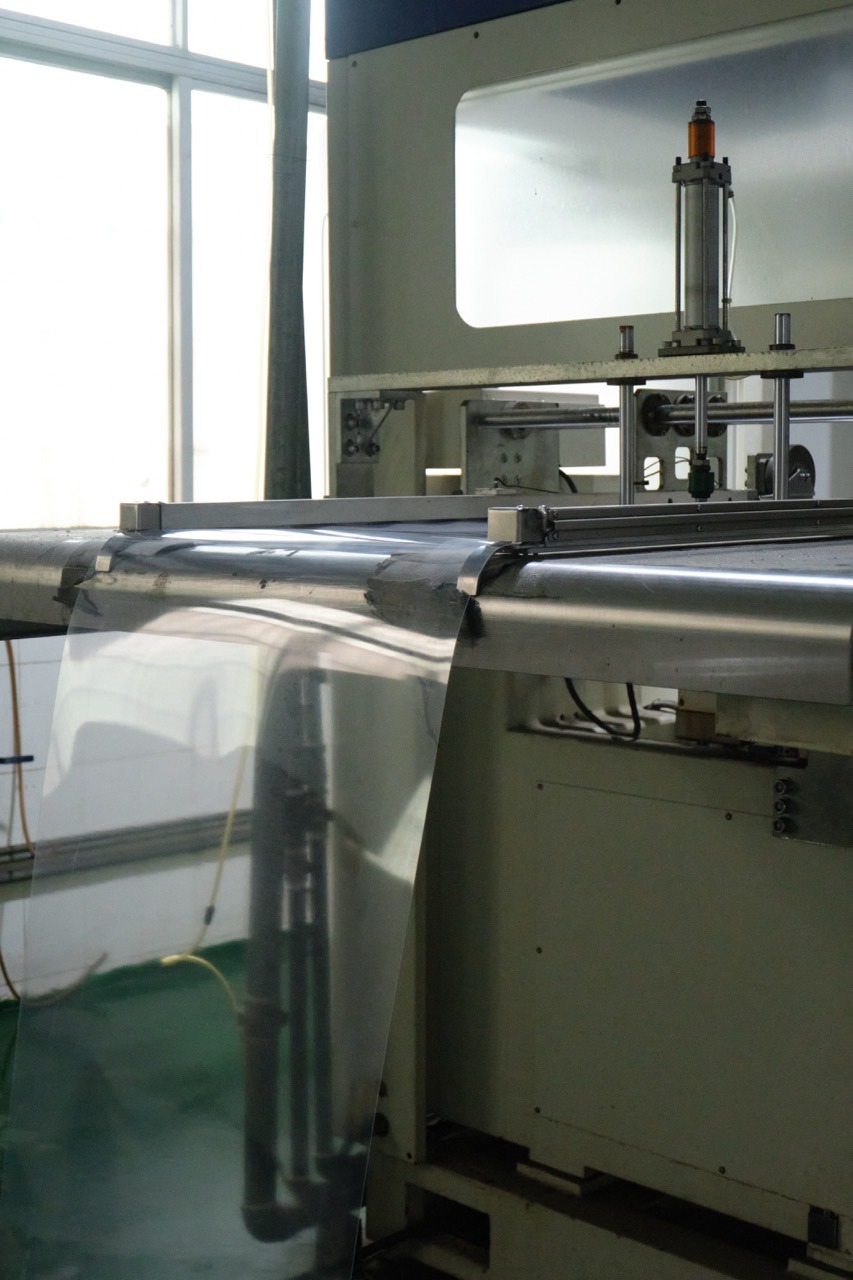
在食品容器生产中,挤出工艺创造出连续的平板片材;; 热成型 然后对该片材进行加热并塑造成三维托盘、杯子、盖子或贝壳式容器。挤出工艺制造片材,而热成型则重新塑形。.
For chilled sushi packaging, use the sushi tray size and capacity chart to define the footprint and piece layout before selecting the tray and lid materials.
PLA结构:为何立体化学和结晶度重要
乳酸存在两种镜像异构体,通常描述为L型和D型。它们在聚合物中的排列导致不同的PLA结构:
- PLLA 主要含有L-乳酸单元,在适当条件下可以形成半结晶区域。.
- PDLA 主要含有D-乳酸单元。.
- PDLLA 包含更随机的混合物,通常更无定形。.
这些区别不仅仅是学术上的。大部分无定形的PLA可以提供良好的透明度,但在相对较低的温度下容易软化。更高的结晶度可以提高在高温下的尺寸稳定性,尽管这可能会改变透明度、加工性能、成型窗口和降解速率。.
加工商可以通过选择等级、控制退火、成核剂、立体复合物形成、聚合物共混物、冲击改性剂、增塑剂、纤维、填料或链扩展剂来修改PLA。每种方法都涉及权衡。改善韧性、耐热性或加工性能的改性剂也可能影响透明度、食品接触安全性、可堆肥认证、密封性或可回收性。因此,应在成品配方和零件上验证性能,而不能仅凭“PLA”一词推断。”
PLA的主要性能
| 性能 | 对包装的实际意义 |
|---|---|
| 透明度 | 无定形等级可以提供高透明度,便于产品展示。. |
| 刚度 | PLA感觉清脆坚硬,能很好地定义形状,但薄或设计不良的零件在冲击下可能会破裂。. |
| 耐热性 | 标准无定形PLA在许多塑料食品容器能承受的温度下会变形。经过改性或结晶的等级可能表现更佳,但成品仍需测试。. |
| 湿气和气体阻隔性 | PLA在某些食品方面具有良好的性能,但并非自动具有高阻隔性能。保质期需求可能需要涂层、多层结构或使用不同材料。. |
| 可印刷性和成型性 | PLA可以在设备和工艺参数适合所选等级时进行印刷、密封、挤出、热成型、注塑,以及制成薄膜或纤维。. |
| 密度 | 零件重量不能仅凭厚度判断;设计师应比较提供等效保护的完整包装。. |
为什么标准PLA的耐热性有限
许多透明包装级别的PLA在很大程度上是非晶态的。当暴露在足够的热量下,它们的聚合物链会获得流动性,导致部件变软、收缩、变形或失去尺寸稳定性。实际性能取决于树脂等级、壁厚、结晶度、载荷、接触时间、包装几何形状和制造历史。因此,单一的“最大PLA温度”并不能适用于所有包装。.
什么是CPLA和耐热PLA?
CPLA通常指结晶化PLA。制造商鼓励结晶化,可能会使用成核剂或其他配方变化以提高耐热性。其结果通常是不透明的,而非晶态。耐热PLA配方可用于特定的盖子、餐具或餐具用品,但买家应要求提供具体物品和预期用途的测试数据。“CPLA”并不自动意味着可放入烤箱或微波炉安全。.
For a hot soup application, compare soup bowl materials and compatible lids against the required filling temperature and contact time rather than relying on the PLA or CPLA label alone.
PLA与PLA+
PLA+是市场标签,而非一种通用的化学规格。它通常描述为经过混合或复合以改善韧性、可印刷性、耐热性能或其他性能的PLA。由于配方因供应商而异,不应假设PLA+具有与未改性PLA相同的食品接触许可、可堆肥性或终端处理方式。.
PLA的加工方式?
PLA可以通过几种成熟的塑料制造方法进行加工:
- 板材挤出和热成型 用于杯子、托盘、盖子和折叠式容器;;
- 薄膜挤出 用于包装膜、标签和部分柔性结构;;
- 注塑成型 用于硬质部件和餐具用品;;
- 纤维纺丝 用于纺织品、非织造布和卫生用品;以及
- 丝材挤出 用于材料挤出3D打印。.
PLA在熔融加工过程中对湿气和热敏感。树脂通常需要适当干燥,加工者必须控制熔体温度和停留时间,以限制分子量的损失。在一个清洁、受控的生产过程中产生的废料有时可以重新研磨并按验证比例重复使用,但反复热处理可能会改变其性能。.
食品包装中的PLA
PLA在包装中最著名的是用于冷藏或常温食品的透明、刚性或半刚性产品。它可以考虑用于:
- 冷饮杯及配套盖子;;
- 沙拉、水果、, 熟食, 、甜点容器;;
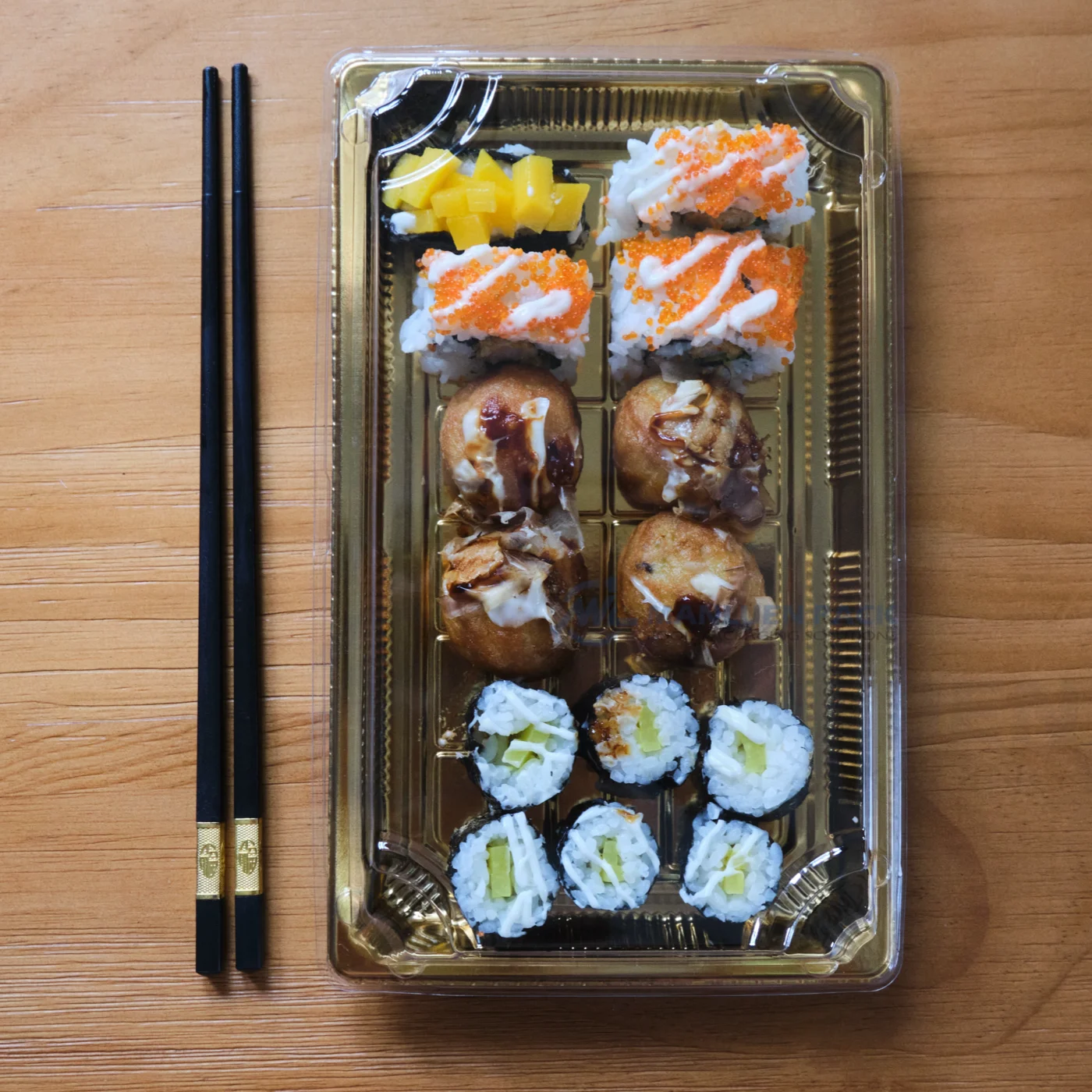
- 用于 寿司托盘 和 便当盒;
- 贝壳式容器 农产品或烘焙食品的透明盖子;;
- 窗户、薄膜、标签及部分涂层纸结构;以及
- 用于 蛋糕容器的透明组件.
这些是潜在的应用场景,并不意味着每个类别中的每个项目都是由PLA制成。正确的材料取决于食品的温度、油脂和湿度、抗跌落性、密封方式、保质期目标、运输、陈列和处理路线。请参见更广泛的比较 食品包装材料之一 当PLA只是多个候选材料之一时。.
PLA通常最适合的场景
当包装需要高透明度和刚性、携带冷藏或常温产品,并在具有适当有机物或专业回收计划的市场中分销时,PLA通常最强。对于热灌装、高温运输、长时间热暴露、苛刻的冲击条件或需要强氧气或湿气屏障的产品,则不太适合选择PLA。.
PLA食品安全吗?
PLA可以用于食品接触应用,但“PLA”是一个等级和配方的家族,而不是全面的法规批准。在中国,成品食品接触材料必须具有针对其预期食品类型和使用条件的有效法规依据。该依据可能依赖于适用的法规、有效的食品接触通知或其他认可的授权。.
中国的食品药品监督管理部门维护食品接触物质的库存,并描述从灭菌和热灌装到冷藏或冷冻存储的使用条件。涵盖特定条件下某一PLA配方的通知并不批准所有的PLA树脂、添加剂、着色剂、涂层、粘合剂或成品包装。.
买家应要求提供:
- 确切的树脂和添加剂声明;;
- 预期食品和使用温度的法规依据;;
- 必要时的迁移或符合性测试;;
- 关于印刷油墨、涂层、粘合剂和多层组件的信息;以及
- 可追溯性和变更控制文件。.
有关更详细的说明,请参见 哪个机构批准食品包装的指南.
PLA可生物降解吗?
在适宜的条件下,PLA是可生物降解的,但这个答案不完整,未说明环境和时间框架。温度、湿度、微生物、部件厚度、分子量、结晶度和包装设计都影响降解速度。.
PLA的降解通常始于水驱动的酯键水解。这会缩短长的聚合物链并降低分子量。微生物在链断裂充分后,更容易吸收较小的降解产物。热和湿度会加快这一过程;冷或干燥的环境则会显著减慢。结晶区域也比非晶区域更能抵抗水解。.
因此,PLA杯在工业堆肥、后院堆肥、土壤、海水或填埋场中的表现可能截然不同。“可生物降解”绝不应被解读为允许乱扔垃圾的许可。.
PLA可堆肥吗?
许多PLA配方可以用来制造工业堆肥的产品,但堆肥性属于 成品, ,而不仅仅是基础树脂。厚度、颜料、标签、油墨、粘合剂、涂层和附加组件可以决定包装是否通过认可的测试。.
工业堆肥与家庭堆肥
工业堆肥设施可以维持控制的温度、湿度、通气和停留时间。家庭堆肥通常在较低且不太稳定的温度下进行。获得工业堆肥认证的包装不应被描述为家庭堆肥,除非完整产品有单独的证据支持该声明。.
在中国,ASTM D6400是一个常用的塑料和成品在市政或工业设施中进行好氧堆肥的规范。认证和明确标签可以帮助识别符合条件的产品,但接受程度仍取决于接收设施。一些堆肥场即使获得认证,也可能不接受包装,因为存在分类难题、污染、工艺限制或地方政策。.
中国联邦贸易委员会的绿色指南也要求环境声明必须有适当的证据和限定。如果大部分目标受众无法获得合适的堆肥设施,未经限定的堆肥声明可能会误导消费者。.
PLA在海洋中会生物降解吗?
工业堆肥性并不意味着海洋生物降解性。在2023年的一项同行评审的海洋水族馆研究中,无定形和半结晶的PLA样品在260天后仅显示出约0.15–0.19%的重量损失,类似于该实验中的聚苯乙烯对照。这个结果不应推广到所有海洋环境,但它说明了为什么不能将PLA包装宣传为在海洋中快速消失。.
PLA可以回收吗?
PLA在技术上是可回收的,但在许多市场中实际获取仍有限。除非当地回收计划明确接受,否则不应自动放入普通的混合塑料回收箱。.
机械回收
干净的PLA可以被分类、粉碎、清洗、再熔融并转化为新材料。主要挑战包括收集量、与其他塑料的分离、食品污染、添加剂,以及在反复加工过程中分子量或性能的损失。专用回收渠道比非控制性混合效果更佳。.
化学回收
化学或原料回收工艺可以将PLA分解为乳酸、乳酰或其他有用的中间体。这些途径可能比反复熔融加工更有效地回收材料价值,但其商业可用性、能耗、纯度要求和经济性因地区和设施而异。.
为什么分类很重要
PLA在透明包装中可能类似PET,但两种聚合物的加工行为不同。流入PET中的不需要的PLA可能会造成质量问题,就像PET污染会影响PLA流一样。因此,可靠的识别、光学分拣、源头分离收集和足够的容量都非常重要。.
PLA 生命周期终点选择
| 路线 | 何时可能有效 | 主要限制 |
|---|---|---|
| 再利用 | 仅当包装设计、测试、清洁并作为可重复使用系统管理时。. | 许多PLA食品包装设计为一次性使用,可能无法承受反复加热或清洗。. |
| 机械回收 | 干净、源头分离的PLA,配备专用收集和再加工设施。. | 有限的收集和分类基础设施。. |
| 化学回收 | 适合接受PLA并能回收有用化学构建块的设施。. | Not broadly available; economics and environmental performance are process-specific. |
| Industrial composting | A certified finished item is collected with an accepted organic-waste stream and processed at a compatible facility. | Certification does not guarantee local acceptance or collection. |
| Energy recovery | Where controlled waste-to-energy is part of the local waste system. | Material value is lost and emissions depend on the facility and energy system. |
| Landfill | May be the default where no recovery route exists. | Landfills are not designed to provide industrial composting conditions, so rapid breakdown should not be assumed. |
There is no universally best route for every PLA package. A credible decision considers the local collection system, contamination, transport, processing efficiency, and whether the package prevents food waste. Product protection can outweigh small differences in package material if failure causes the food to be discarded.
PLA vs. PET, PP, and PS
| Decision factor | PLA | PET | 聚丙烯 | PS |
|---|---|---|---|---|
| Typical feedstock | Primarily renewable sugars | Usually fossil-based; recycled content can be available | Usually fossil-based | Usually fossil-based |
| 透明度 | High in amorphous grades | High in clear grades | Usually translucent, though clarified grades exist | Can be clear or foamed |
| Heat performance | Limited in standard clear grades; improved grades exist | Grade- and process-dependent | Often preferred for hot-food and microwave-oriented applications, subject to validation | Typically limited; application-dependent |
| Toughness | Stiff but can be brittle | Generally tough | Good toughness and hinge performance | Rigid but can be brittle |
| Common recovery route | Industrial composting or dedicated recycling where available | Established bottle recycling in many markets; acceptance of trays varies | Recycling access varies by format and location | Recycling access is often limited |
| Typical food-packaging fit | Clear cold cups, produce, salads, bakery and deli display | Bottles, clear trays, lids and clamshells | Hot or cold tubs, microwave-oriented containers, lids and reusable items | Trays, lids, cups and foam serviceware where permitted |
This table describes general tendencies, not a purchasing specification. Resin grade, additives, thickness, package geometry, processing, food type, and regional waste systems can change the answer.
Advantages of PLA
- Renewable feedstock: commercial PLA can replace some fossil-derived polymer carbon with carbon from agricultural sugars.
- High clarity: useful for cold-food merchandising and product visibility.
- Good stiffness and forming detail: helpful for lightweight rigid packaging when the design controls brittleness.
- Established processing options: PLA can be extruded, thermoformed, injection molded, spun, and printed with suitable equipment and controls.
- Potential industrial-composting route: certified finished items can fit selected organics programs that explicitly accept them.
Limitations of PLA
- Heat sensitivity: ordinary clear grades may distort in hot filling, microwaving, warm transport, or direct sunlight.
- Brittleness: impact resistance and crack propagation require attention in material selection and package design.
- Barrier limitations: some foods need more moisture, oxygen, aroma, or grease protection than a simple PLA structure provides.
- Processing sensitivity: moisture and excessive heat can reduce molecular weight during conversion.
- Infrastructure gap: technical compostability or recyclability does not create a local collection and processing system.
- Claim complexity: the finished package may contain non-PLA labels, inks, adhesives, coatings, or layers that change its compliance and end-of-life outcome.
PLA Uses Beyond Food Packaging
PLA is also used in 3D-printing filament, fibers and nonwovens, agricultural products, consumer goods, and selected biomedical applications. Medical-grade PLA and related copolymers can be engineered for absorbable sutures, fixation devices, or drug-delivery systems. These specialized, tightly controlled materials should not be equated with packaging-grade PLA, and their performance does not establish the safety or degradation behavior of a food container.
What Buyers Should Specify
- Define the actual use: food type, fill temperature, storage temperature, contact time, refrigeration or freezing, reheating, and transport exposure.
- Set performance requirements: clarity, stiffness, drop resistance, seal strength, leak resistance, barrier, stack load, and shelf life.
- Identify the exact material: resin grade, percentage of PLA, modifiers, colorants, coatings, labels, inks, and adhesives.
- Verify food-contact compliance: request documentation for the complete formulation under the intended conditions of use.
- Verify environmental claims: obtain certification for the finished item and write claims that match the actual disposal environment.
- Confirm local acceptance: ask the recycler or composter whether it accepts that specific format; do not rely only on a resin logo.
- Test production parts: evaluate dimensions, wall distribution, impact, sealing, nesting, denesting, temperature exposure, and distribution performance.
- Compare whole systems: include package weight, product protection, transport, food waste, recovery rate, and the realistic end-of-life route.
常见问题
Is PLA plastic?
Yes. PLA is a thermoplastic polyester. Its common renewable feedstock does not make it non-plastic.
Is PLA made from corn?
It can be. Corn-derived glucose is a common feedstock, but sugarcane, sugar beet, cassava, and other carbohydrate sources can also be used.
Is PLA the same as CPLA?
No. CPLA generally means crystallized PLA formulated or processed for improved heat resistance. It is often more opaque and behaves differently from a standard clear amorphous PLA package.
Can PLA go in a home compost bin?
Not unless the finished item has credible home-compostability evidence and the instructions match the actual conditions. Industrially compostable PLA commonly needs higher, controlled temperatures that a backyard pile may not maintain.
Can PLA go in a recycling bin?
Only when the local program explicitly accepts PLA. It should not be assumed to belong in a PET, PP, or general mixed-plastic stream.
Is PLA microwave-safe?
Do not assume so. Standard clear PLA has limited heat resistance. Microwave suitability must be established for the exact resin, package design, food, time, temperature, and applicable regulatory conditions.
Does PLA contain petroleum?
The main polymer carbon can come from renewable sugars, but a finished product may include fossil-derived additives, coatings, inks, adhesives, or other components. A bio-based claim should specify what was measured and which part of the product it covers.
Is PLA better than PET or PP?
Not in every application. PLA may be attractive for clear cold-food packaging where renewable feedstock and an accepted composting or dedicated recycling route matter. PET may offer stronger established recycling in some markets, while PP often performs better in higher-temperature and impact-demanding applications. The best choice is the lightest practical system that protects the food and has a credible local recovery route.
结论
PLA is a versatile bio-based thermoplastic polyester, not a material that automatically disappears after use. Its renewable feedstock, clarity, stiffness, and compatibility with common conversion methods make it useful for cold-food packaging and many non-packaging applications. Its heat sensitivity, brittleness, barrier limits, and uneven recovery infrastructure require equally careful attention.
The most defensible purchasing decision begins with the product and use conditions, then works outward to material grade, package design, regulatory documentation, certification, and the waste system that actually exists in the destination market. When those elements align, PLA can be a credible option. When they do not, a different material or reuse system may produce the better overall result.
来源与延伸阅读
- US Food and Drug Administration: Inventory of Food Contact Substances Listed in 21 CFR
- US Food and Drug Administration: Food Types and Conditions of Use for Food Contact Substances
- US Federal Trade Commission: Environmental Claims—Summary of the Green Guides
- ASTM International: Standard Specification for Labeling of Plastics Designed to Be Aerobically Composted
- Farah, Anderson and Langer: Physical and Mechanical Properties of PLA, and Their Functions in Widespread Applications
- Castro-Aguirre et al.: Poly(lactic acid)—Mass Production, Processing, Industrial Applications, and End of Life
- Velghe et al.: Review of Processing Degradation of Poly(lactic acid) and Its Prevention
- Ruggero et al.: Degradation of PLA in a Simulated Marine Environment
- Román-Ramírez et al.: Recycling of PLA by Mechanical and Chemical Methods

万联塑料包装公司专业生产塑料食品包装已有 20 多年的历史。我们的产品由 100% 原生和不含双酚 A 的 PP、PS 和 OPS 制成,符合 FDA 和欧洲标准。
 ZH
 EN
 FR
 PT
 ES
 KO
 JA