
Is Sustainable Packaging More Expensive?
Sustainable packaging can cost more than conventional packaging, but the difference depends on the material, package design, order quantity, and manufacturing requirements. Some recycled paperboard options can compete with conventional alternatives on price, while compostable mailers and specialized protective packaging may carry a higher upfront cost.
The purchase price tells only part of the story. A smaller box may reduce shipping expenses, a better-fitting insert may reduce product damage, and a simpler design may lower printing costs. However, specialized materials can also require additional testing, higher minimum order quantities, or changes to existing packing processes.
To determine whether sustainable packaging is more expensive, compare equivalent packaging specifications first, then calculate the total cost of purchasing, shipping, handling, storing, and disposing of each option.
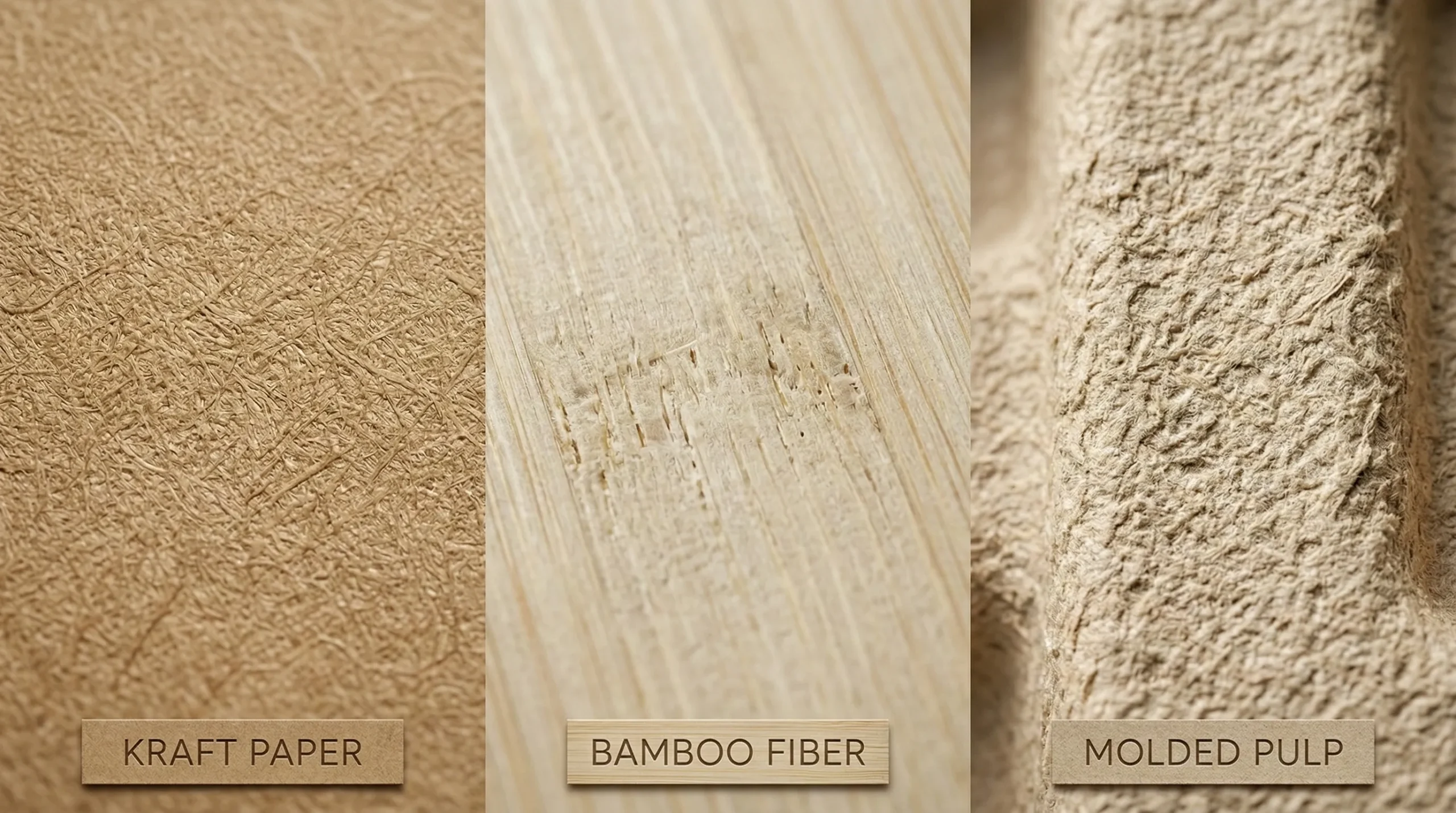
How Much Does Sustainable Packaging Cost?
There is no single price premium for sustainable packaging. Recycled corrugated boxes, compostable mailers, molded-fiber inserts, and certified paperboard have different cost structures.
The following table uses indicative prices published by TruePack Global in its 2026 packaging sourcing benchmark [1]. The figures are useful for preliminary budgeting, but they are not independently verified market averages or directly comparable supplier quotations.
| Tipo de Embalagem | Conventional Cost | Sustainable Alternative | Sustainable Cost |
| Corrugated shipping box, 12 × 10 × 6 in | $0.75–$1.20 | 100% recycled-content corrugated | $0.85–$1.45 |
| Mailer box, 10 × 8 × 4 in | $1.20–$2.00 | FSC-certified mailer box | $1.40–$2.40 |
| Poly mailer | $0.08–$0.15 | Compostable mailer | $0.18–$0.35 |
| Tissue paper, per sheet | $0.03–$0.06 | Recycled tissue with soy-based ink | $0.05–$0.09 |
| Void fill, per order | $0.05–$0.12 | Paper-based void fill | $0.08–$0.20 |
Source: TruePack Global’s 2026 sourcing benchmark. Prices are indicative and may vary by specifications, order quantity, supplier, and purchasing terms.
The table illustrates why businesses should compare specific packaging products rather than rely on a single industry-wide premium. Recycled corrugated boxes may carry a relatively modest increase, while compostable mailers can cost substantially more than conventional plastic alternatives.
Can Sustainable Packaging Cost the Same as Conventional Packaging?
Yes. Some sustainable options can achieve price parity with conventional packaging, particularly when the materials are widely available, the design is straightforward, and production volumes are sufficient.
Recycled corrugated packaging is one option worth evaluating. Its price depends on board grade, recycled content, strength requirements, dimensions, and supplier availability. A well-designed paper package may also cost less than an oversized conventional package because it uses less material.
However, businesses should not assume that every sustainable material will reach price parity. Compostable films, custom molded-fiber inserts, and specialized barrier packaging may require additional processing, tooling, or testing.
The most reliable approach is to obtain quotes for equivalent products and confirm that each option meets the same performance requirements.

What Determines the Cost of Sustainable Packaging?
Material Type and Availability
Material selection is one of the biggest factors affecting packaging costs. Conventional plastics benefit from established production systems, while some recycled, bio-based, or compostable materials require more specialized processing or sourcing.
Recycled paperboard, recycled plastic, kraft paper, compostable films, and molded fiber each have different manufacturing requirements. Their prices also respond differently to raw material availability and demand.
The intended application matters just as much. A simple paper mailer has different requirements from a moisture-resistant pouch or a protective insert for fragile electronics. Compare materials designed to perform the same function rather than treating every sustainable alternative as interchangeable.
Size, Thickness, and Design
Packaging dimensions directly affect material consumption, storage, and transportation. An oversized box uses more board and often requires additional void fill, while a better-fitting design may reduce both.
Thickness and structural strength require similar attention. Reducing material weight may lower costs, but a package that fails during shipping can create larger expenses through damaged products, replacements, and returns.
The goal is to use the least material necessary to meet protection requirements, not simply to choose the lightest option.
Order Volume and Minimum Order Quantity
Small orders often carry higher per-unit costs because setup, tooling, and production preparation must be spread across fewer packages. Larger orders can reduce these costs, although the savings depend on the material and manufacturing process.
Minimum order quantities also affect purchasing decisions. A supplier may offer an attractive price for 10,000 compostable mailers, but that price is less useful to a business that needs only 1,000 units.
Large orders can create additional storage and cash-flow costs. Businesses should balance unit-price savings against demand, warehouse capacity, and the risk of holding excess inventory.
Printing, Customization, and Supplier Availability
Custom artwork, multiple printing colors, special coatings, unusual dimensions, and complex closures can increase packaging costs. Simplifying a design may reduce production steps and finishing expenses, but the actual savings depend on the printing method, order size, and existing manufacturing setup.
Supplier availability also matters. Specialized materials or certification requirements may narrow the supplier pool, reducing price competition and purchasing flexibility.
When comparing suppliers, evaluate the quoted price alongside quality consistency, delivery reliability, lead times, payment terms, and alternative sourcing options.
Unit Price vs. Total Cost: What Should Businesses Compare?
A package with a higher unit price can sometimes cost less to use. Conversely, a low-priced package can become expensive if it increases labor, freight, product damage, or waste-handling costs.
The U.S. Environmental Protection Agency explains that more lightweight and efficient packaging can reduce waste and create opportunities for cost savings [2]. Businesses should apply this principle by evaluating the full cost of their packaging operations rather than focusing exclusively on the purchase price.
How to Calculate the Total Cost of Packaging
A practical packaging cost model should account for the purchase price, inbound freight, packing labor, outbound shipping impact, storage, inventory management, damage, returns, and applicable disposal or compliance costs.
A simplified formula is:
Total packaging cost = purchase cost + inbound freight + packing labor + outbound freight impact + storage and inventory + damage and returns + disposal and compliance costs.
Subtract verified savings to calculate the net cost. Avoid double-counting fees already included in supplier or freight quotations.
For ecommerce businesses, cost per successful shipment is particularly useful because it considers the packaging needed to deliver an order successfully, not just the price of the package itself.
A Worked Example: Conventional vs. Sustainable Packaging
Consider an ecommerce business comparing two packaging options. The sustainable package costs more to purchase, but its design reduces packing time and shipping expenses while providing better product protection.
The following figures are hypothetical and demonstrate how the calculation works. They are not actual supplier quotations or industry averages.
| Cost per Successful Shipment | Conventional Packaging | Sustainable Packaging |
| Packaging purchase price | $0.80 | $0.92 |
| Inbound freight | $0.04 | $0.04 |
| Packing labor | $0.12 | $0.09 |
| Outbound freight impact | $0.20 | $0.13 |
| Storage and inventory | $0.03 | $0.03 |
| Damage and return costs | $0.08 | $0.03 |
| Disposal and compliance | $0.02 | $0.01 |
| Total cost per shipment | $1.29 | $1.25 |
In this example, the sustainable package costs $0.12 more to purchase but saves $0.16 across the other cost categories. The total cost falls by $0.04 per successful shipment.
At 100,000 shipments per year, that difference would equal $4,000 in annual savings, assuming the figures accurately reflect actual operations and shipment volume remains constant.
The result could change if the new package does not reduce freight expenses or damage rates. Businesses should measure these variables during a pilot rather than assume that projected savings are guaranteed.
Hidden Costs That Can Change the Result
Shipping and dimensional efficiency: A lightweight package may reduce freight costs, but dimensions can matter just as much as weight. Right-sizing can reduce material consumption and improve loading efficiency. Actual savings depend on carrier pricing, package dimensions, and distribution conditions.
Packing time and labor: A package that folds quickly and closes securely may reduce handling time. A material that requires additional sealing or protective layers may increase labor costs instead.
Product damage and returns: Packaging must protect products during storage, handling, and transportation. A cheaper material that increases damage can cost more overall, while a well-designed insert may reduce replacement expenses.
Inventory and storage: Bulk purchasing may lower unit prices but increase warehouse requirements, cash commitments, and the risk of obsolete packaging. The best order quantity balances purchasing discounts against inventory exposure.
Waste disposal: Recycling and composting options depend on local collection systems and processing facilities. A compostable package may be useful where appropriate commercial composting is available, but it may not reduce disposal costs where facilities cannot accept it.
Brand value: Sustainable packaging may support brand positioning and customer trust. However, these benefits should be evaluated using relevant sales, retention, or customer-feedback data rather than assumed to produce guaranteed financial returns.
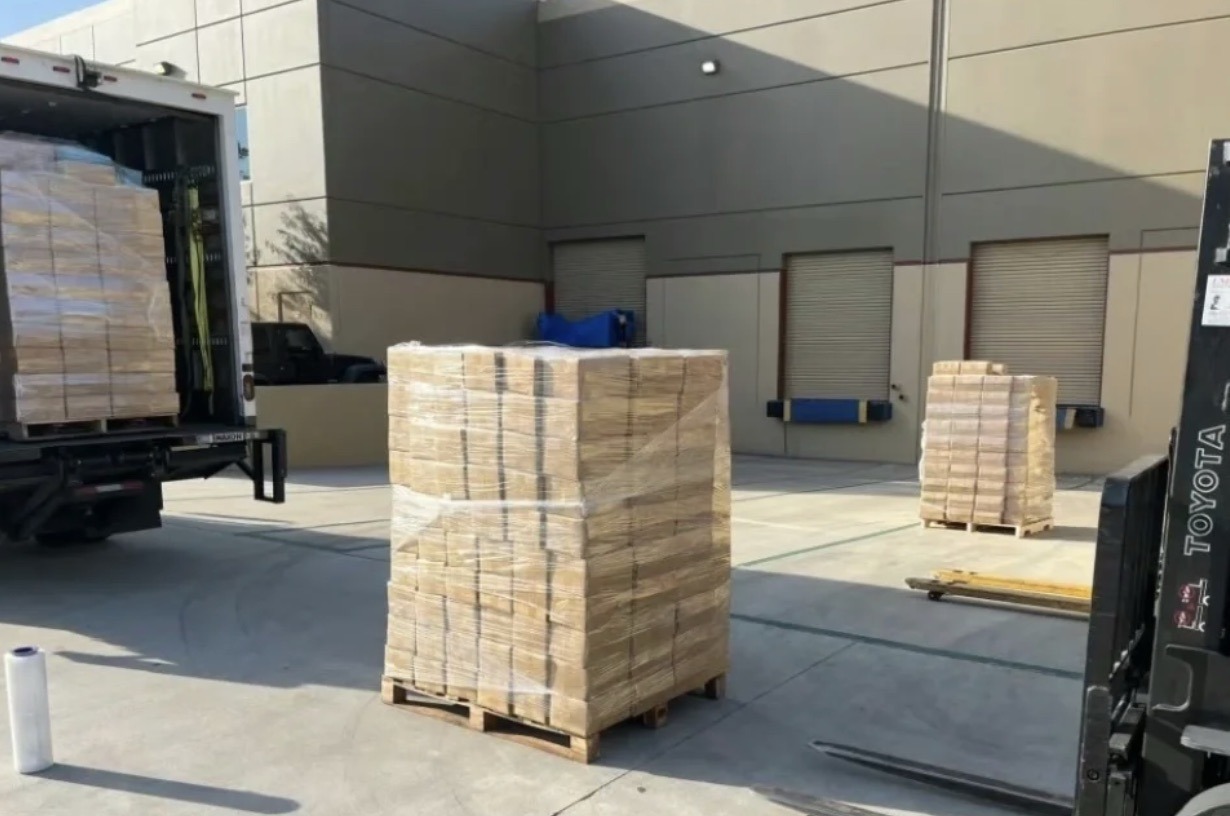
How Different Sustainable Packaging Materials Compare
Recycled Corrugated Packaging
Recycled corrugated packaging can be a practical choice for shipping boxes and secondary packaging. Its cost depends on board grade, recycled content, strength requirements, dimensions, and supplier availability.
Confirm that the selected board protects the product throughout the intended shipping process. If it requires additional reinforcement, the initial price advantage may disappear.
FSC-Certified Kraft and Paperboard
FSC-certified paper packaging can help businesses demonstrate that their paper and wood-based materials meet specified sourcing requirements.
Costs depend on board type, certification arrangements, printing, and supplier pricing. FSC certification does not automatically mean that a package will be cheaper, recyclable in every local system, or superior on every environmental measure.
Buyers should verify which product and supply-chain claims the certification covers.
Recycled Plastic Packaging
Recycled-content plastic can reduce reliance on virgin plastic while retaining the functional advantages of conventional plastic packaging.
Its price depends on recycled resin availability, material quality, thickness, color, processing requirements, and recycled content. For applications that need moisture resistance or flexible protection, recycled plastic may be worth comparing with compostable films and paper-based alternatives.
Compostable Flexible Packaging
Compostable mailers and pouches can suit specific packaging applications, but they may carry a higher price, especially at lower order volumes. Material composition, thickness, printing, sealing performance, and testing requirements all affect cost.
Certification and disposal conditions also matter. The Biodegradable Products Institute (BPI) distinguishes commercial compostability from home compostability, with separate certification requirements [3]. A compostability claim does not guarantee that every municipality or composting facility will accept the package.
Businesses should verify the applicable certification and local processing options before choosing this material.
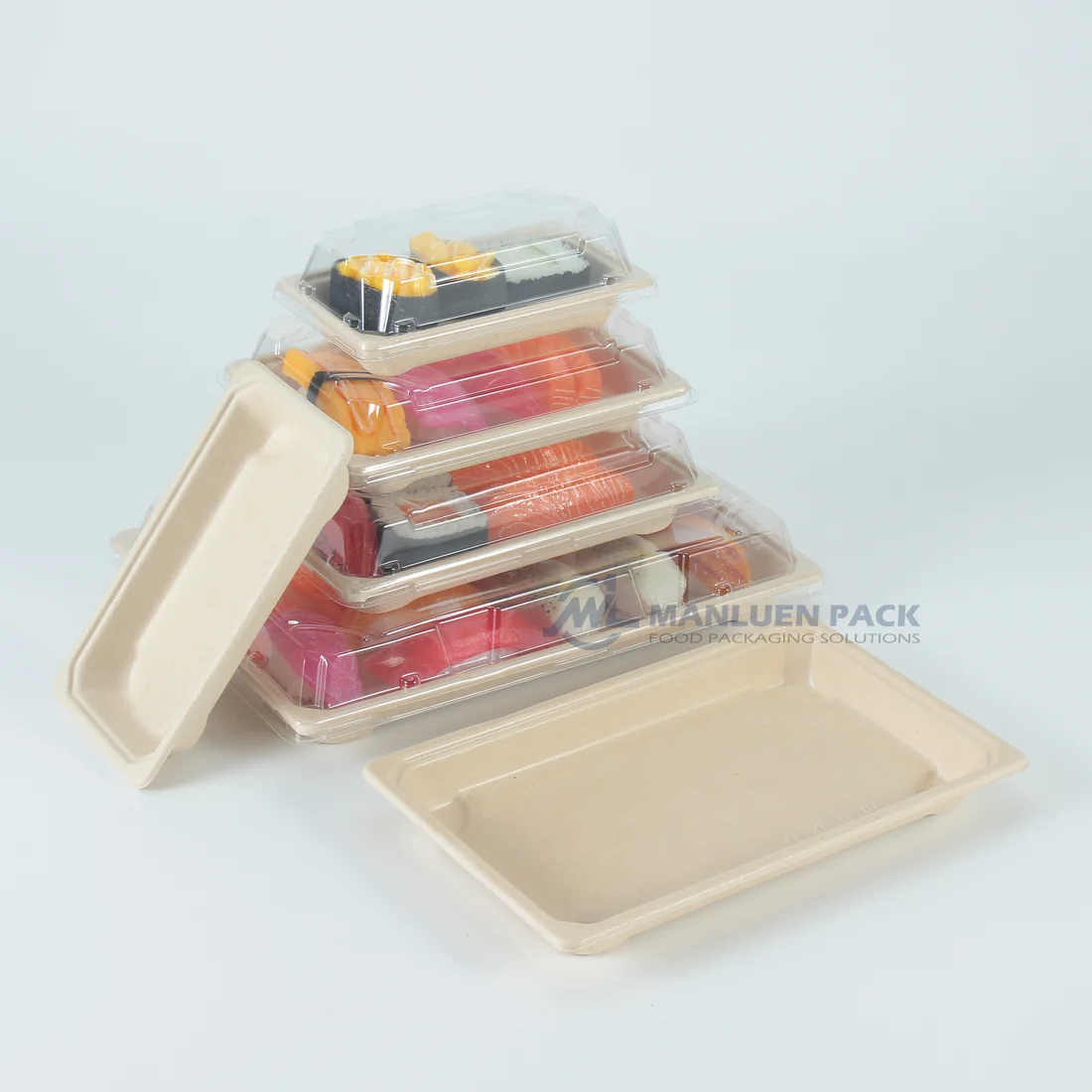
Bagasse and Molded-Fiber Packaging
Bagasse containers and molded-fiber inserts can serve foodservice, protective packaging, and product presentation applications.
For food businesses, heat resistance, grease resistance, moisture performance, and food-contact requirements influence the specification. For protective packaging, structural strength and fit are important.
Custom molded-fiber products may also require tooling, creating a different cost structure from standard designs.
Reusable, Glass, Metal, and Other Alternatives
Reusable packaging, glass, and metal may suit specific applications, but each requires a separate cost assessment.
Reusable systems involve collection, cleaning, return transport, inspection, replacement, and the number of times each package is reused. Glass and metal also have application-specific weight, handling, and protection requirements.
There is no universal winner across all packaging formats. The best option is the one that meets the product’s performance and environmental requirements at an acceptable total cost.

How Much Do Sustainable Packaging Certifications Add to the Cost?
Certification can affect packaging costs, but the impact varies by material, supplier, product, and certification scheme.
For paper packaging, buyers may need to verify sourcing claims associated with FSC certification. For recycled plastic, they may require evidence of recycled content and supply-chain traceability. For compostable products, they may need testing and certification to support specific claims.
These requirements can create costs for testing, documentation, supply-chain controls, and product qualification. Some expenses may already be included in the supplier’s price rather than charged separately for each unit.
When requesting a quote, ask which certification applies to the finished product, which organization issued it, and whether the price includes required testing or documentation.
Avoid relying on broad descriptions such as “eco-friendly” or “biodegradable” as proof of a specific environmental property. The evidence should match the claim being made.
How EPR Regulations AffectPackaging Costs
Extended Producer Responsibility (EPR) programs can change packaging economics by requiring covered producers to help fund the collection, recycling, or management of packaging waste.
In the United States, packaging EPR operates through state-level laws rather than one unified federal framework. As of 2026, seven states have enacted packaging-specific EPR laws: California, Colorado, Maine, Maryland, Minnesota, Oregon, and Washington. Their definitions, exemptions, reporting requirements, fee structures, and implementation timelines differ [4].
Businesses selling across state lines should first determine whether they qualify as covered producers and which packaging materials fall within the applicable rules.
Can Sustainable Packaging Reduce EPR Fees?
Some programs adjust fees according to material characteristics or other environmental criteria. Where these rules apply, packaging design and material composition may affect compliance costs.
However, switching to recyclable or compostable packaging does not automatically eliminate EPR obligations. The result depends on the specific program and its fee methodology.
Businesses should verify current rules and fee schedules before including projected EPR savings in a packaging business case.
What About Global Packaging Regulations?
Packaging regulations and recovery systems differ across markets. The European Union’s Packaging and Packaging Waste Regulation establishes requirements relating to packaging design, reuse, recyclability, and waste management [5].
For companies selling internationally, a package may face different labeling, reporting, recyclability, and end-of-life requirements in different destinations.
A packaging decision that works well in one market may not be suitable in another. Businesses should evaluate the markets they serve rather than assume that one material or certification satisfies every requirement.
Are Consumers Willing to Pay More for Sustainable Packaging?
Consumer research can help businesses understand how packaging affects purchase decisions, but stated preferences and actual buying behavior are not the same.
Surveys often ask whether consumers support sustainable products or would pay more for environmentally responsible packaging. These questions measure attitudes, but they do not guarantee that customers will accept a higher price at checkout.
Woola reported an experiment involving two Estonian ecommerce stores where customers could choose to pay an additional fee for sustainable packaging. Across 7,753 completed checkouts, 458 customers selected the option, a rate of approximately 5.9% [6].
The experiment illustrates how expressed preferences may differ from purchasing decisions. However, it involved only two stores in one market, so its result should not be generalized to all consumers or product categories.
For businesses, the practical lesson is to test customer response rather than assume that customers will cover the full packaging premium. A company may absorb the cost, incorporate it into product pricing, or offer an optional packaging upgrade. The best approach depends on margins, customers, order values, and brand positioning.
Sustainable Packaging in 2025: Top Barriers for Packaging Purchasers
Packaging purchasers face more than a price comparison when evaluating sustainable alternatives. The main obstacles involve the interaction between cost, performance, supply reliability, and compliance.
Higher upfront costs and budget constraints can make it difficult to approve a packaging change, even when the long-term economics appear favorable. A complete cost comparison helps distinguish unavoidable premiums from costs that may be reduced through design changes or better purchasing terms.
Minimum order quantities and inventory risk create another challenge. Specialized materials may require larger orders, tying up cash and increasing storage requirements. A staged rollout can reduce the risk of committing to a large order before the new package has been tested.
Supplier availability and reliability also affect purchasing decisions. Not every supplier can provide the required material, certification, quality consistency, and delivery schedule. Buyers should compare qualified suppliers and confirm that specifications remain consistent across quotes.
Packaging performance and product protection must remain a priority. Moisture resistance, structural strength, sealing, shelf life, and food-contact requirements may limit the available alternatives. Testing the actual package under realistic conditions helps avoid costly failures after implementation.
Certification, compliance, and disposal infrastructure can add further uncertainty. Procurement teams need appropriate documentation and a practical end-of-life route for the materials they select.
These barriers are interconnected. A material may offer an attractive unit price but poor availability, or it may perform well while requiring a minimum order that creates excessive inventory. A successful procurement decision evaluates the complete combination of cost, performance, supply, and compliance.
How to Reduce the Cost of Switching to Sustainable Packaging
Start with packaging products that account for a substantial share of annual purchasing. A small per-unit saving can become meaningful when applied across a large, stable order volume.
Next, review package dimensions, material usage, and protective design. Right-sizing a box, reducing excess void fill, or improving an insert’s fit may lower material consumption and improve transport efficiency. Test the revised design to ensure that it still protects the product.
Simplifying printing and finishing may also help. Ask suppliers to quote both the current design and a simpler alternative so that you can compare actual production costs.
Request quotations at several realistic order quantities. Compare unit prices with the total inventory commitment, storage needs, and time required to consume the stock. Give every supplier the same dimensions, material requirements, thickness, printing, performance criteria, and order quantity.
Finally, run a pilot before scaling. Test the new packaging on a limited number of products or in a specific region, then measure purchase price, packing time, shipping impact, damage rates, and customer feedback.
A simple scorecard can help businesses evaluate the results:
| Metric | What to Measure |
| Unit purchase cost | Actual cost per package |
| Cost per shipment | Total packaging and related operating costs per successful order |
| Packing time | Time required to prepare each order |
| Damage and returns | Costs associated with packaging-related failures |
| Freight impact | Changes in shipping weight, dimensions, and loading efficiency |
| Inventory exposure | MOQ, storage requirements, and stock commitment |
| Compliance costs | Applicable testing, certification, reporting, and fees |
| End-of-life costs | Actual waste-handling and processing expenses |
Use the pilot results to decide whether to expand the change across more products. This helps separate projected savings from benefits the business has actually achieved.
What Does Sustainable Packaging Research Say About Cost?
Research can help businesses understand packaging trade-offs, but different studies answer different questions. A material comparison may focus on environmental impact, while an economic analysis examines financial consequences. Neither automatically establishes the total cost for a specific business.
A 2025 study published in Sustentabilidade evaluated smart Tetra Pak packaging through lifecycle and economic analysis [7]. It found that the additional sensor and antioxidant components increased production costs by 38.66% compared with conventional packaging. Under the study’s average-case scenario, the smart packaging system reduced the climate-change impact by 29.17%, largely through the modeled reduction in food waste.
This is a useful example of why cost and environmental performance must be evaluated together. However, the study concerns a specific smart packaging design, and its results should not be treated as a general cost estimate for recycled or compostable packaging. The authors also note that their preliminary economic analysis excluded labor and equipment depreciation.
Consumer research requires similar care. A 2025 study in Frontiers in Psychology examined willingness to pay for green express packaging in ecommerce using questionnaire and eye-tracking methods [8]. Such research can help explain consumer preferences, but its findings do not establish what every customer will pay in a real transaction.
When reviewing a sustainable packaging research paper, check the publication date, sample, material specifications, comparison method, and system boundaries. Determine whether the analysis includes manufacturing alone or extends to transport, use, and end-of-life.
Lifecycle assessment and cost analysis should also remain distinct. Lifecycle assessment evaluates environmental impacts within a defined system boundary, while cost analysis evaluates economic consequences. Businesses may need both, but one should not substitute for the other.
The strongest packaging decisions combine credible research with supplier quotations and actual operating data.
Perguntas Frequentes
Is sustainable packaging always more expensive than conventional packaging?
No. Some sustainable alternatives cost more, while others can compete closely with conventional packaging. The result depends on material, design, order volume, performance requirements, and supplier pricing.
How much more does sustainable packaging cost?
There is no universal percentage. Published estimates vary by packaging type and purchasing conditions. Compare quotes for equivalent specifications and confirm what each price includes before using a premium estimate for budgeting.
What is the cheapest sustainable packaging option?
There is no single cheapest option for every application. Recycled corrugated packaging or a simpler paper-based design may be competitive for some shipping applications, while other products may require specialized materials. The right choice depends on performance and actual supplier quotes.
Is recycled packaging cheaper than virgin packaging?
It can be, but not always. Recycled-material prices depend on supply, quality, processing, specifications, and demand. Obtain quotes for equivalent packaging and verify that both options meet the same requirements.
Does compostable packaging cost more than recyclable packaging?
Compostable packaging can carry a higher price than conventional or recyclable alternatives, but the difference varies. Compare the complete product specification, certification requirements, order quantity, and available end-of-life options.
How does order volume affect sustainable packaging costs?
Larger orders can reduce per-unit costs by spreading setup and production expenses across more packages. However, they also increase inventory and cash commitments. The best order quantity balances price against demand and storage requirements.
Do sustainable packaging certifications increase costs?
Certification and supporting documentation can add costs, although some expenses may already be included in the supplier’s price. Confirm the specific certification, what it covers, and whether the finished package meets your requirements.
Can sustainable packaging reduce shipping costs?
Yes, if it reduces billable weight or dimensions, improves loading efficiency, or eliminates unnecessary packaging. However, material weight alone does not determine freight savings. Compare actual carrier charges and package dimensions.
What are EPR fees, and how do they affect packaging costs?
Extended Producer Responsibility fees help fund packaging waste management under applicable programs. Requirements vary by jurisdiction, so businesses should verify whether they are covered and how the relevant program calculates fees.
Are consumers willing to pay more for sustainable packaging?
Some consumers are, but stated willingness to pay does not always translate into actual purchases. Businesses should test customer response in their own market rather than assume that customers will cover the additional cost.
What are the main barriers for sustainable packaging purchasers?
Common barriers include higher upfront costs, minimum order quantities, supplier availability, performance requirements, certification, compliance, and uncertainty about disposal infrastructure. Their importance varies by product and market.
How can a business compare sustainable packaging quotes fairly?
Use identical specifications for dimensions, material, thickness, printing, performance, and order quantity. Then compare freight, lead time, tooling, certification, and other charges. For the final decision, evaluate total cost rather than unit price alone.
Final Thoughts: Is Sustainable Packaging Worth the Cost?
Sustainable packaging is not automatically more expensive, but neither does it guarantee savings. Some materials carry a higher upfront price, while others may offer competitive pricing or reduce costs through better design and operations.
The most reliable approach is to compare equivalent packaging specifications, calculate the total cost of using each option, and verify the result through supplier quotes and real-world testing.
Start with the packaging products that matter most to your business. Review their price, performance, and operational impact, then test practical alternatives before committing to a full transition.
The goal is not simply to choose the package with the lowest price or the strongest environmental claim. It is to find a packaging solution that meets your product requirements, supports your sustainability objectives, and makes financial sense over time.
References
1.TruePack Global. “Sustainable Packaging Costs in 2026: What D2C Brands Actually Pay.” February 22, 2026. Read the pricing benchmark. Commercially published sourcing benchmark; its figures should be treated as indicative rather than independently verified market averages.
2.U.S. Environmental Protection Agency (EPA). “Sustainable Packaging.” Read the EPA guidance. Covers packaging efficiency, waste reduction, and sustainable materials management.
3.Biodegradable Products Institute (BPI). “Compostability Certification.” Read the certification requirements. Explains commercial and home compostability certification and the applicable standards.
4.American Bar Association, Section of Environment, Energy, and Resources. Maggie Pahl, “Producers Pay for Packaging: Seven States Enact Extended Producer Responsibility Laws.” July 2026. Read the EPR overview.
5.European Commission. “Packaging Waste.” Read the official EU overview. Covers EU packaging rules and the Packaging and Packaging Waste Regulation.
6.Woola. “Is Sustainable Packaging More Expensive?” Last updated July 2, 2025. Read the consumer checkout experiment. Reports results from two Estonian ecommerce stores and discusses the limitations of the experiment.
7.Stramarkou, M., Boukouvalas, C., Fragkouli, D. N., Tsamis, C., & Krokida, M. “Evaluating the Sustainability of Tetra Pak Smart Packaging Through Life Cycle and Economic Analysis.” Sustentabilidade, 17(11), 4810, May 23, 2025. Read the research paper.
8.Frontiers in Psychology. “Consumer Willingness to Pay for Green Express Packaging in E-Commerce: An Eye-Tracking Experiment Analysis.” July 22, 2025. Read the original research.

ManLuen Plastic Packaging Company, especializada na produção de Embalagens de Alimentos de Plástico há mais de 20 anos. Os nossos produtos são feitos de PP virgem e livre de BPA, em conformidade com os padrões da FDA e Europeus.
 PT
 EN
 ZH
 FR
 ES
 KO
 JA