
Introduction
Disposable plastic bento boxes are widely used by restaurants, takeout operators, meal-prep businesses, caterers, and food-service chains. One container can hold a complete meal while keeping different foods organized.
However, buyers should not select a box by price, capacity, or compartment count alone. Food temperature, portion size, lid design, transport conditions, material, and destination market all affect the final choice. Our guide on how to choose the right food packaging explains how these factors apply across other container formats.
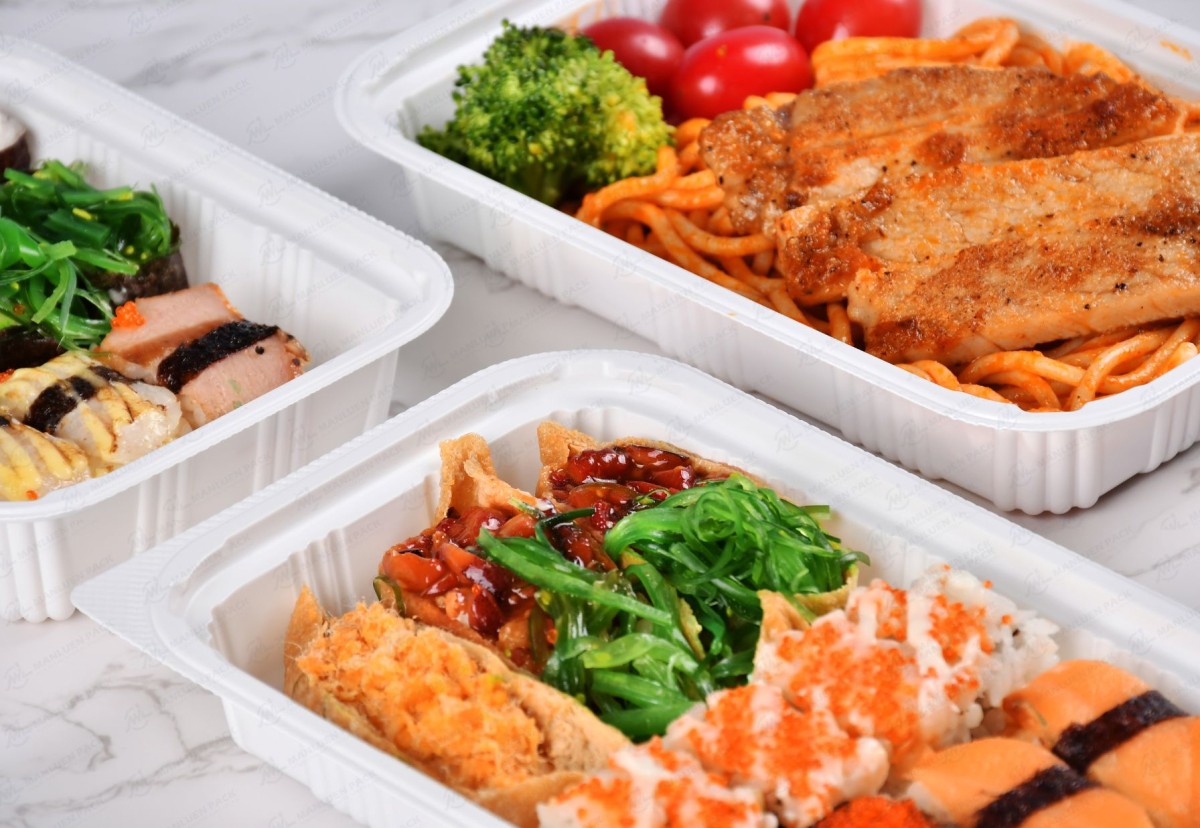
This article focuses on how commercial buyers can compare disposable bento boxes before ordering in volume. You can also read our guides to disposable plastic bento packaging e to-go bento boxes for more information about takeaway applications.
What Are Disposable Plastic Bento Boxes?
A disposable plastic bento box is a food container made to hold one meal. Many designs divide the box into separate sections for rice, meat, vegetables, side dishes, sauces, or other meal components.
Because the box directly holds the food, it normally acts as primary packaging. Our guide to the three types of food packaging explains how primary packaging differs from the secondary cartons and tertiary shipping packaging used farther along the supply chain.
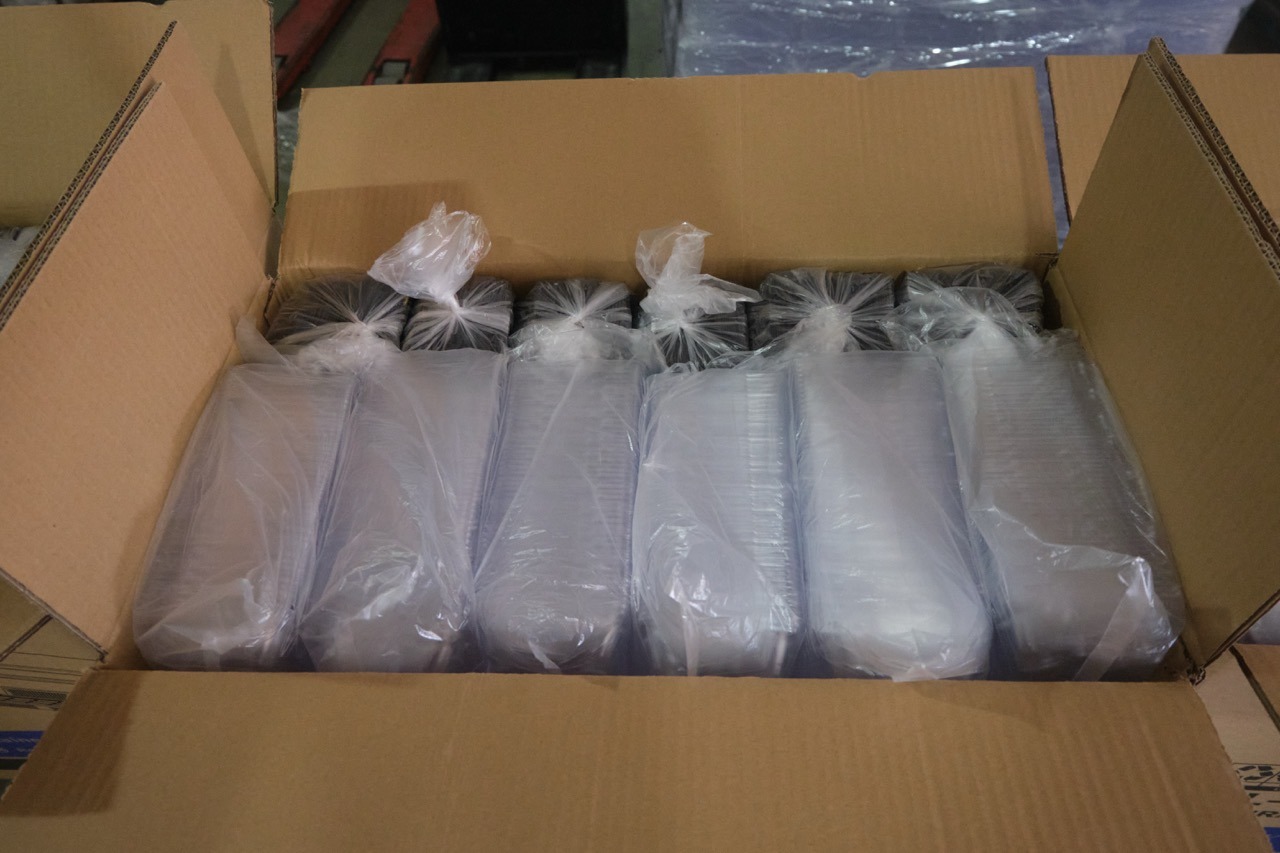
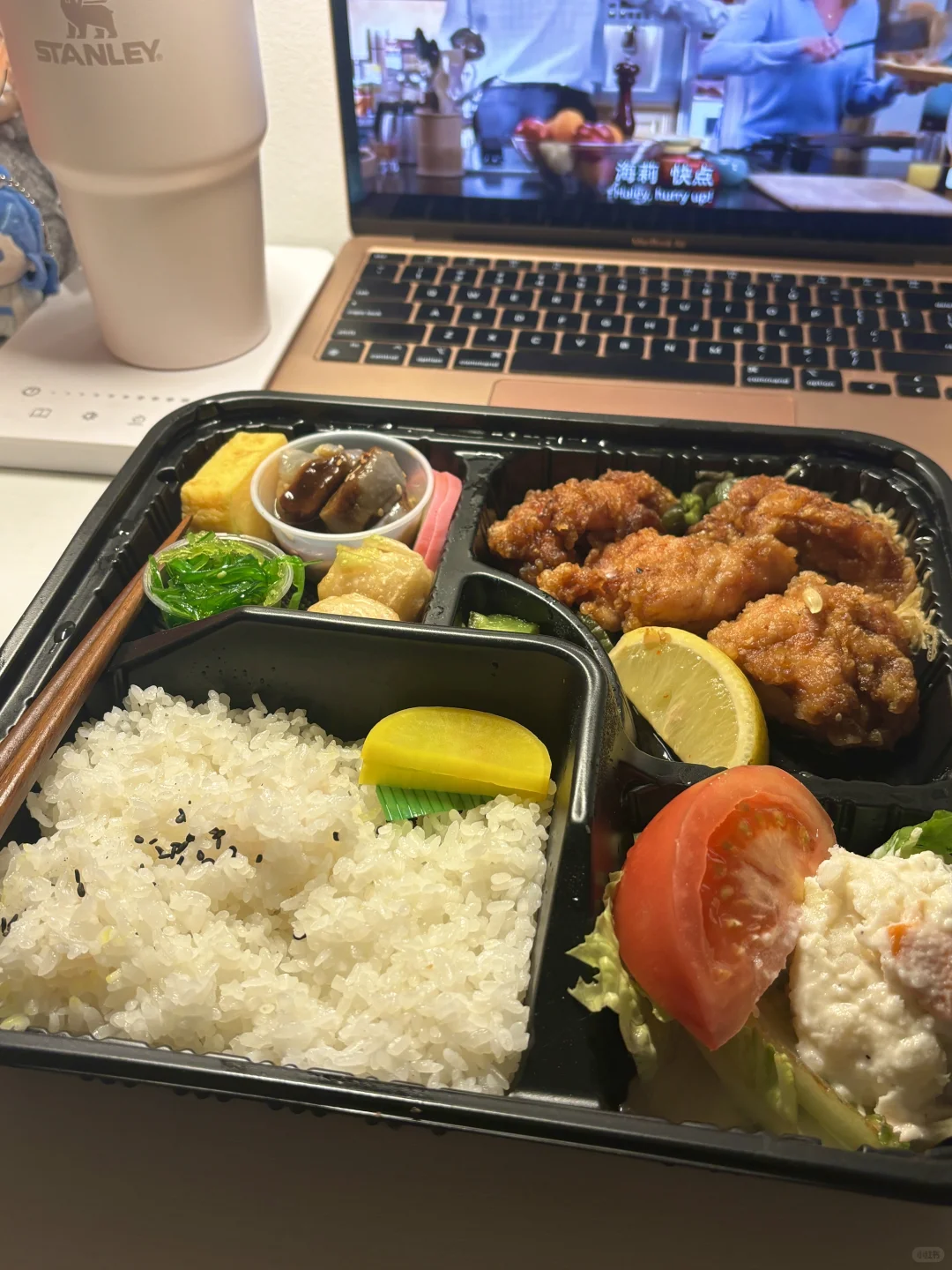
The bento format works well for set meals. Kitchen staff can portion the food before service and pack the whole order in one container. A restaurant may use a single-compartment box for noodles or rice dishes. Three- and five-compartment boxes can separate a main dish from several sides.
The word “bento” describes the meal format. It does not refer to one fixed container specification. Bento boxes differ in length, width, depth, material, compartment layout, lid construction, and carton quantity.
Buyers should compare actual products instead of assuming that all disposable bento boxes perform in the same way. Manluen supplies bento boxes as part of a wider range of food storage containers. Our guide to Japanese-style disposable bento boxes provides more background on the development of this packaging format.
Choose the Material for the Food
Start with the food and its expected temperature. A cold salad, a hot rice meal, and a meal intended for reheating place different demands on the container.
PP, PET, PS, and other polymers do not offer the same performance. Our food packaging materials guide provides a broader comparison of plastics, paper-based packaging, metal, glass, and plant-fiber materials.
| Material | Common Packaging Use | What the Buyer Should Confirm |
|---|---|---|
| PP | Hot-food containers and some reheating applications | Temperature limits, microwave instructions, food-contact documents, and the current SKU specification |
| PET | Cold foods and products where clear presentation is important | Temperature range and whether the finished container is intended for reheating |
| PS | Lightweight food-service trays and containers | Intended food temperature, storage conditions, and application |
| Other plastic constructions | Use depends on the resin, additives, and finished design | Material declaration, intended use, test evidence, and destination-market requirements |
Polypropylene belongs to the olefin polymer family addressed in 21 CFR 177.1520. This does not mean that every PP container automatically meets every food-contact or heating requirement. The formulation, finished article, food type, temperature, and conditions of use still matter.
The same caution applies to microwave claims. Do not assume that a container is suitable for microwave heating because it is made from PP. Check the product label, intended conditions of use, and current SKU specification. For a fuller explanation, see our guide on microwaving food in plastic containers.
The base and lid may also use different materials. A heat-resistant base does not prove that its clear lid can remain attached during reheating. Confirm the instructions for both parts.
Choose the Compartment Count and Size
Match the compartment count to the menu. More compartments are not always better. Every divider reduces the continuous space available for larger foods.
| Compartimentos | Typical Meal Layout | Common Applications |
|---|---|---|
| 1 | One open food area | Noodles, pasta, rice dishes, salads, and meals that do not need separation |
| 2 | Main dish and side | Rice and protein, entrée and vegetables, or other two-part meals |
| 3 | Main dish, grain, and side | Restaurant set meals, meal prep, takeaway lunches, and combination meals |
| 5 | Main dish and several smaller portions | Catering, tasting portions, multi-side meals, and structured meal sets |
Do not choose a box by stated capacity alone. Measure the actual serving. Check the top length and width, bottom footprint, depth, and usable space inside each compartment.
A large piece of chicken may not fit a narrow compartment even when the total container capacity appears sufficient. Sauces may also cross low dividers when a container moves during delivery.
Two boxes with similar outside dimensions can have different divider positions and usable internal space. This matters when a restaurant changes suppliers or introduces a new portion size.
For exact dimensions, compartment layout, lid pairing, and carton information, confirm the current SKU specification before ordering.
Check the Lid and Test the Box
The base and lid should be evaluated as a matched set. A suitable container with the wrong lid can cause problems during packing, stacking, and delivery.
When the parts are supplied separately, record the container SKU and its compatible lid SKU. Check the rim, closure points, lid height, and fit around the entire perimeter.
A visual inspection is useful, but it cannot replace a test with the real menu. Use the following process before approving a large order:
- Fill the box with the normal meal and serving weight.
- Close the lid using the same method followed by kitchen staff.
- Tilt and move the container to simulate handling.
- Check whether liquids escape or food moves between compartments.
- Stack several filled boxes and inspect the lower containers for deformation.
- Place the boxes inside the delivery bag, carton, or carrier used during service.
- Repeat the test under the intended hot, cold, refrigerated, or reheating conditions.
Do not describe a box as leak-proof simply because the lid closes firmly. Soup, oil, sauces, steam, vibration, and package orientation can change the result. Test the exact product with the actual food.
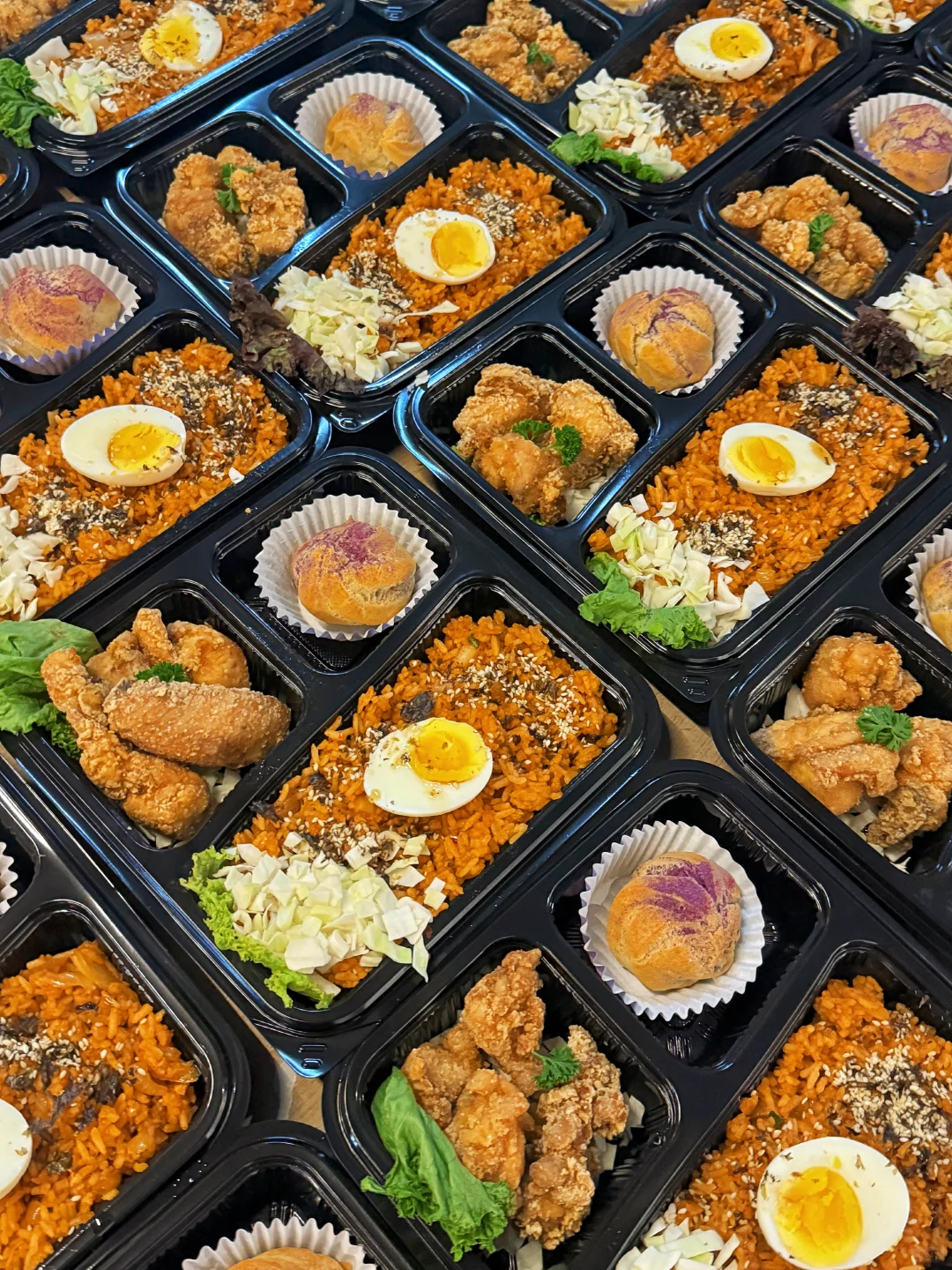
Stackability also affects daily operations. A box may perform well on a counter but deform when several filled containers are stacked during delivery. Wholesale buyers should check both filled-box performance and carton packing efficiency.
Food-Contact Compliance
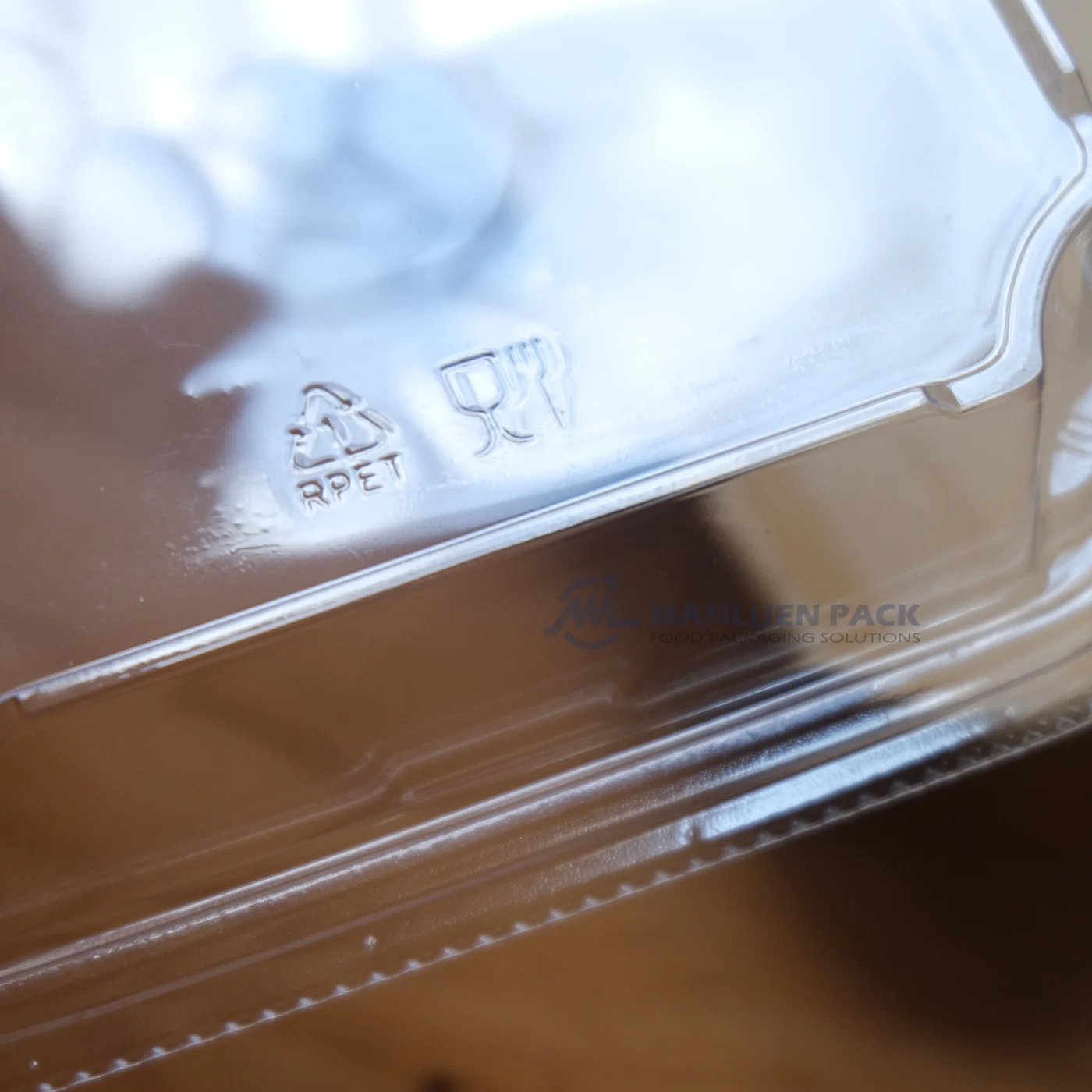
Check food-contact compliance at SKU level. Do not apply a document for one product to another product simply because both are described as PP bento boxes.
Buyers often ask whether a disposable food container is “FDA approved.” That wording can be misleading because the FDA does not normally approve every finished food package as a complete product. Our article on which agency regulates food packaging explains how FDA oversight, food-contact substances, and other U.S. authorities fit together.
For the U.S. market, 21 CFR Part 177 covers several polymers used as indirect food additives. Section 177.1520 addresses certain olefin polymers. Buyers must still compare the applicable requirements with the material, formulation, food type, temperature, and intended conditions of use.
For the EU market, Commission Regulation (EU) No 10/2011 sets specific rules for plastic materials and articles intended to contact food. These include compositional and migration requirements.
Microwave use needs separate confirmation. USDA FSIS microwave guidance advises consumers to use plastics that are specifically labeled for microwave use. For commercial buyers, this means that the resin name alone does not support a microwave claim.
Before approving a product, request documents that match the exact SKU, destination market, intended food contact, and expected conditions of use. Buyers can review Manluen’s certifications information and request current product-specific documents where applicable.
Wholesale Buyer Checklist
A clear RFQ reduces repeated emails and makes supplier quotations easier to compare. Prepare the following information before requesting pricing:
- Food application: Rice meal, noodles, salad, catering set, meal prep, or another specific menu.
- Service condition: Hot fill, cold food, refrigerated display, takeaway, delivery, or reheating.
- Compartment layout: One, two, three, five, or another configuration.
- Dimensions: Required length, width, depth, and usable portion space.
- Material: Required resin or performance conditions.
- Lid: Compatible lid, closure style, lid height, and display requirements.
- Quantidade: Expected order volume.
- Destination: Country or market where the packaging will be used.
- Customization: Printing, labeling, color, or other requirements.
- Logistics: Pieces per carton, carton dimensions, and packing configuration.
- Documents: Product specifications and applicable food-contact evidence for the selected SKU.
MOQ, price, production time, carton packing, and customization conditions vary by product and order. Confirm each term for the selected SKU rather than relying on a fixed number from a general article.
Buyers reviewing current demand, materials, regulations, and supplier factors can read Manluen’s disposable bento box market guide. Information about the manufacturer is available on the Manluen About Us page.
Manluen Bento Box Options
Manluen offers several disposable bento box formats for commercial food packaging. The range includes single-compartment and divided boxes for different menus.
O WL-1C disposable bento takeout box provides one open food area. The WL-2C two-compartment bento box separates two meal components. Buyers who need three sections can review the WL-3C three-divider bento box.
O WL-8305 disposable bento to-go box provides another multi-compartment option. Confirm its current dimensions, material, lid configuration, packing quantity, and intended conditions of use before ordering.
For volume orders, send Manluen the required compartment count, food application, dimensions, quantity, destination, and customization requirements through the request a quote page.
Perguntas Frequentes
Are disposable plastic bento boxes microwave-safe?
Some products are designed for microwave use, while others are not. Do not decide from the words “plastic” or “PP” alone. Check the exact SKU, product label, intended temperature conditions, and supporting specification.
Which plastic is suitable for hot food?
PP is commonly used for hot-food packaging. However, acceptable conditions depend on the finished product. Confirm the current SKU specification when the container will be hot-filled or reheated.
How many compartments should a restaurant choose?
Match the number to the menu. One compartment works for foods that can share the same space. Two compartments separate a main dish and side. Three compartments suit many complete meals. Five compartments can hold several smaller portions. Test the normal serving before ordering.
How can I check whether the lid fits correctly?
Confirm the specified base-and-lid pairing, then test physical samples. Fill the container with the real meal. Close it, tilt it, stack it, and put it through a normal delivery cycle. Do not rely only on appearance.
What documents should wholesale buyers request?
Request the current product specification and applicable food-contact documents for the exact SKU and destination market. If the supplier makes a temperature, microwave, or other performance claim, request evidence that covers the intended conditions of use.
Can disposable bento boxes be customized?
Customization depends on the product, quantity, manufacturing process, and requested design. Include the SKU or dimensions, order quantity, destination, printing requirements, and artwork details in the RFQ.
Conclusão
The right disposable plastic bento box starts with the meal. Define the food, serving size, temperature, compartment layout, and delivery conditions first. Then compare the material, dimensions, lid pairing, carton packing, and supporting documents for each SKU.
Test samples with the actual menu before placing a large order. This gives you direct evidence about portion fit, food separation, closure, stacking, and transport performance.
Restaurants, caterers, meal-prep companies, food-service chains, and distributors can browse Manluen’s bento box range e request a quotation based on their food, quantity, destination, and packaging requirements.
Sources and Further Reading
- Electronic Code of Federal Regulations — 21 CFR Part 177: Indirect Food Additives: Polymers
- Electronic Code of Federal Regulations — 21 CFR 177.1520: Olefin Polymers
- EUR-Lex — Commission Regulation (EU) No 10/2011 on Plastic Food-Contact Materials
- USDA Food Safety and Inspection Service — Cooking Safely in the Microwave Oven

ManLuen Plastic Packaging Company, especializada na produção de Embalagens de Alimentos de Plástico há mais de 20 anos. Os nossos produtos são feitos de PP virgem e livre de BPA, em conformidade com os padrões da FDA e Europeus.
 PT
PT  EN
EN  ZH
ZH  FR
FR  ES
ES  KO
KO  JA
JA