
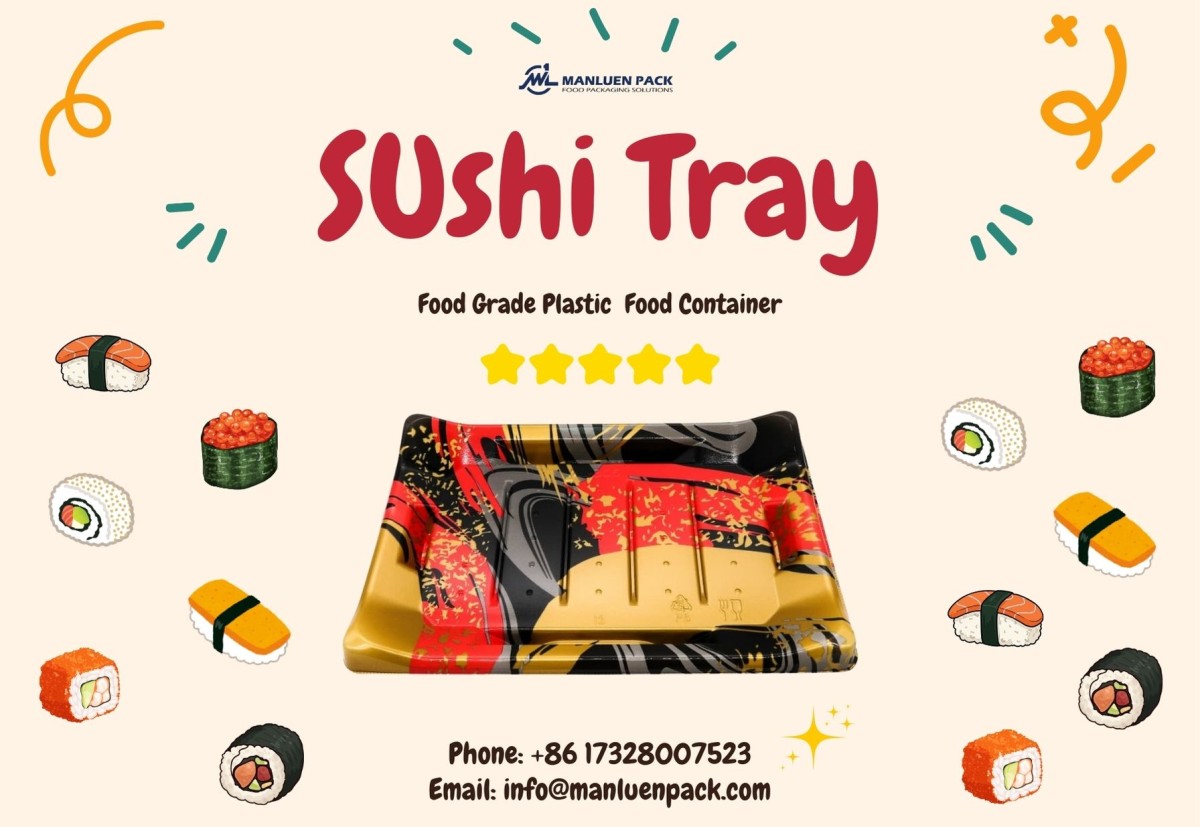
Walk into any thriving sushi spot or scroll through popular food delivery apps, and you’ll quickly realize: the sushi tray is more than just a holder for rolls and sashimi.
It’s the first thing customers see, the guardian of freshness, and a silent brand ambassador that shapes perceptions. For sushi business owners, choosing the right plastic sushi tray isn’t a trivial decision—it’s the key to turning casual orders into repeat business, and ordinary catering gigs into rave-worthy events.
In an industry where 68% of customers say packaging affects their likelihood to reorder, your disposable sushi trays hold the power to stand out in a crowded market.
Gone are the days when sushi plastic tray was seen as a “necessary evil.”
Today’s high-quality disposable plastic sushi tray combines durability, functionality, and visual appeal—solving the very pain points that once made sushi packaging a headache. From a sushi to go box that keeps rice fluffy for hours to a showstopping sushi boat tray that steals the spotlight at parties, the right sushi containers transform how customers experience your food.
Let’s dive into how to leverage these unsung heroes to elevate your sushi, delight your customers, and grow your business—all with the reliable, cost-effective plastic sushi tray at the center.
Why Modern Plastic Sushi Trays Are Non-Negotiable for Success
Critics might dismiss plastic packaging, but for sushi operators, the plastic sushi tray offers unmatched benefits that directly translate to better business outcomes.
The global disposable tray market report 2024 emphasizes that food service providers prioritize plastic for its “unbeatable combination of cost-efficiency, barrier protection, and versatility”—and sushi is no exception. Unlike fragile alternatives, sushi trays made from food-grade plastic resist moisture, prevent crushing, and maintain temperature control—critical for preserving the delicate balance of flavors in sushi.
Consider the triple-seal technology used in premium sushi tray with lid designs: three layers of sealing (inner wall, top rim, and outer edge) create an airtight barrier that locks in freshness and stops sauce leaks.
A Los Angeles-based sushi chain recently switched to these trays and saw complaints about “soggy rolls” drop by 73% in just two months. “Our sushi to go containers used to be our biggest customer complaint,” says the chain’s operations manager. “Now, we get comments like ‘tastes just like dining in’—all because of a better disposable plastic sushi tray.”
Cost is another major win. Bulk purchasing of sushi containers cuts per-unit expenses by 30-40% compared to specialty materials, and their lightweight design reduces shipping costs for catering orders.
For small businesses and large chains alike—from neighborhood spots to whole foods sushi platter suppliers—this means more profit margin without sacrificing quality.
Tailor Your Plastic Sushi Trays to Every Customer Scenario
No two sushi orders are the same, and your sushi tray selection shouldn’t be either. The most successful sushi businesses match their packaging to the customer’s use case—whether it’s a quick grab-and-go lunch, a family dinner, or a corporate catering event.
This level of attention to detail doesn’t just solve problems; it makes your brand feel thoughtful and customer-centric.
- Grab-and-Go: Compact Sushi Containers That Fit Lifestyles
The grab-and-go market is booming, with 45% of sushi sales now coming from customers picking up meals on their way to work or errands.
For these orders, sushi take out box (or sushi take away box) needs to be compact, easy to carry, and spill-proof. Opt for small plastic sushi tray sizes that fit in purses, backpacks, or car cup holders—perfect for individual plate of sushi or 2-3 roll orders.
Add a secure sushi container with lid that snaps shut, and you’ll eliminate the “leaky sauce in my bag” nightmare that drives negative reviews.
Pro tip: Pair these trays with complementary plastic fruit containers for side edamame and salad container plastic for miso soup. Matching your sushi packaging to these add-ons creates a cohesive look that feels premium, even for a $10 lunch.
Add a tiny sushi roll cutter (packaged in a mini container for sushi) as a free bonus—customers will remember the extra effort and choose you over competitors.
- Catering: Large Sushi Trays That Wow (and Work Hard)
When customers search for sushi party trays near me, they’re not just buying food—they’re buying a hassle-free way to impress guests.
For these high-value orders, large sushi tray and sushi boat tray are your best assets. Choose compartmentalized sushi party tray designs that keep nigiri, sashimi, and rolls separate—no more mixed flavors or messy presentations. A sushi boat serving tray (made from durable plastic that mimics traditional wood) adds a festive touch to birthday parties, office celebrations, or wedding showers.
Take inspiration from whole foods sushi platter standards: clear plastic sushi tray lets the vibrant colors of your sushi shine through, making the platter look more appetizing.
A Miami-based catering company used this trick and saw sushi platter delivery orders increase by 28%—guests were posting photos of the colorful trays on Instagram, driving organic referrals. Add your logo to the tray’s lid, and every party becomes a marketing opportunity.
For corporate events, stackable sushi trays are a game-changer. They’re easy to transport, save space in event fridges, and reduce setup time for busy caterers.
“We used to spend 20 minutes arranging sushi on glass platters,” says a catering manager. “Now, we pop a party sushi tray out of the cooler and it’s ready to serve—saves us hours every week.”
- Dine-In: Japanese Sushi Plates That Enhance the Experience
Don’t overlook dine-in customers—sushi plates matter here too. Disposable japanese sushi plates (made from sturdy plastic styled to look like traditional ceramic) are cost-effective and hygienic, especially for busy peak hours.
They’re also lighter than glass, reducing server fatigue and breakage costs. For premium orders like omakase, use thicker sushi plate options that feel substantial—customers associate weight with quality, just like they do with fresh fish.
Turn Your Plastic Sushi Tray Into a Profit Driver (No Extra Budget Needed)
Your sushi tray isn’t just a cost center—it’s a tool to boost revenue. The key is to use packaging to increase perceived value, encourage upsells, and reduce waste.
Here are actionable strategies backed by real sushi business success stories:
Upsell with “Complete Party Packs”
Create a bundled offer: a large sushi tray, 4 japanese sushi plates, a sushi boat serving tray, and 10 sushi to go containers for leftovers—all for $10 more than individual pricing.
Customers love the “one-stop shop” convenience, especially for last-minute parties. A Denver sushi spot launched this pack and saw average catering order values jump from $85 to $120.
Reduce Waste (and Costs) with Right-Sized Trays
Stop using oversized sushi containers for small orders—this wastes plastic, makes portions look skimpy, and drives up material costs.
Stock three sizes: small (for 1-2 rolls), medium (for a plate of sushi), and large (for sushi platter). A Seattle-based shop did this and cut packaging costs by 19% in three months—plus, customers commented that portions “looked bigger” in properly sized trays.
Leverage Local SEO with Tray-Focused Content
When posting on social media or your website, tag content with sushi party trays near me, sushi tray whole foods, and sushi platter delivery—and always include photos of your sleek plastic sushi tray setups.
Use captions like “Our leak-proof disposable plastic sushi tray makes takeout taste like dine-in” or “Perfect sushi tray for party—no mess, all impress.” Local customers searching for catering will find you first, and the visual content will convince them to order.
Debunking Myths: Why Plastic Sushi Trays Are Better Than You Think
Some business owners worry that plastic sushi tray feels “cheap” or harms their brand. But modern plastic packaging has come a long way—and customer perceptions are changing.
A 2025 consumer survey found that 62% of sushi eaters prioritize “freshness and convenience” over packaging material. When you explain the benefits (leak-proof, keeps sushi fresh longer), customers appreciate the practicality.
Another myth: “Plastic isn’t premium.” But high-quality sushi plastic tray can mimic the look of ceramic, wood, or glass—at a fraction of the cost.
A New York City sushi bar uses matte black plastic sushi serving tray for its premium rolls, and customers regularly ask if the trays are “custom ceramic.” The trick is to choose thick, high-grade plastic with clean lines—avoid flimsy, translucent options that look cheap.
Final Takeaway: Your Sushi Tray Is Your Silent Salesperson
Every sushi tray that leaves your shop tells a story about your brand.
A sturdy disposable plastic sushi tray says “we care about your order.” A visually appealing sushi party tray says “we want your event to be perfect.”
A leak-proof sushi to go box says “we respect your time.” In a competitive market where sushi chains like Sushiro are winning customers with value for money, your packaging can be the difference between a one-time order and a loyal fan.
Ready to elevate your business?
Start small: swap your current sushi containers for high-quality plastic sushi tray with secure lids. Track customer feedback—you’ll likely see fewer complaints and more positive reviews. Then, expand to sushi boat tray and large sushi tray for catering.
Before long, your sushi packaging will stop being an afterthought and start being a reason customers choose you, time and time again.

ManLuen Plastic Packaging Company, which is specialized in the production of Plastic Food Packaging for more than 20 years. Our products are made from 100% virgin and BPA-Free PP, PS, and OPS comply with FDA and European Standards.
 EN
EN  ZH
ZH  FR
FR  PT
PT  ES
ES  KO
KO  JA
JA