
Introduction
Tamper evident packaging is designed to leave visible evidence when a package has been opened, breached, or interfered with before it reaches the consumer.
The concept became widely recognized after the 1982 Tylenol tampering crisis, which led FDA to establish federal tamper-evident packaging requirements for most over-the-counter human drug products. Those rules do not create a universal tamper-evident mandate for ordinary food packaging, but the basic principle is highly relevant to foodservice and retail: if package integrity has been compromised, the consumer should be able to see it.
This matters in supermarkets, bakeries, restaurants, commissaries, prepared-food operations, and third-party delivery. Food may pass through several hands before consumption, and a visible integrity feature helps the recipient determine whether the package appears to have remained closed.
This guide explains what tamper evident packaging means, how it works, the main systems used for food packaging, the U.S. regulatory landscape, and how buyers should select and validate a design. For a broader comparison of plastics, paper, fiber, metal, and glass, see our guide to food packaging materials.
What Is Tamper Evident Packaging? The Quick Answer
Tamper evident packaging uses an indicator or barrier that changes visibly after first access.
Common examples include:
- a broken tear strip;
- a fractured molded tab;
- a punctured or removed film;
- a missing shrink band;
- a separated security label;
- a peeled foil membrane.
The key word is evident. The package does not have to be impossible to open. Instead, access should create a clear and persistent change that an ordinary consumer can recognize.
A practical tamper-evident system should:
- remain intact during normal filling, packing, transport, storage, and delivery;
- create clear evidence after first opening;
- work reliably with the complete package, including the container, lid, seal, label, food, and filling process.
Tamper evidence provides an integrity signal. It does not by itself prove that food is safe, prevent every deliberate attack, extend shelf life, or replace sanitation, temperature control, traceability, and food-contact compliance.
What Tamper Evident Packaging Actually Means
The most widely cited U.S. regulatory definition appears in 21 CFR § 211.132. It describes a tamper-evident package as one containing one or more indicators or barriers to entry that can reasonably be expected to provide visible evidence to consumers if breached or missing.
That regulation applies to covered OTC human drug products rather than ordinary food packaging, but it offers several useful design principles.
The evidence should be visible
A consumer should be able to recognize that a feature has been broken, lifted, punctured, removed, or altered.
Examples include:
- a frangible bridge that breaks;
- a printed tear band that separates;
- a film that cannot be removed without visible damage;
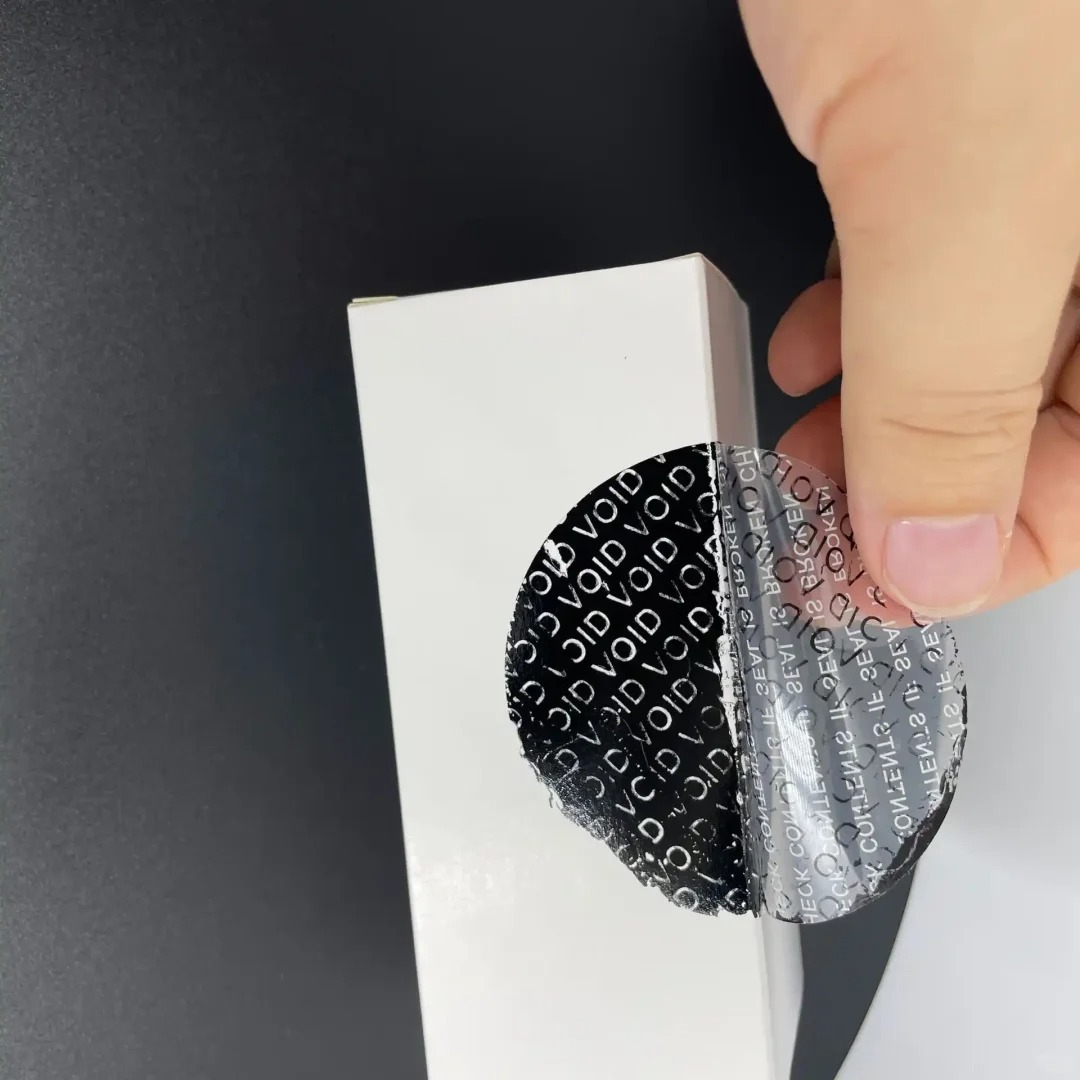
- a VOID label that reveals a message when lifted.

Normal distribution should not trigger the feature
A feature that breaks during case packing, refrigeration, transport, or delivery creates false alarms and unnecessary waste.
The packaging should remain intact under normal handling while still responding clearly to first access.
The feature should be difficult to restore unnoticed
A removable generic sticker may provide weak evidence if it can be peeled away and reapplied.
Stronger systems may use:
- destructible materials;
- VOID-revealing labels;
- frangible geometry;
- branded security patterns;
- irreversible seals.
ISO 21976:2018 provides requirements and guidance for tamper-verification features used on medicinal product packaging. It is not a food-packaging certification, but its terminology and verification approach can still be useful for packaging engineers.
How Does Tamper Evident Packaging Work?
Tamper-evident systems generally create visible evidence in four ways:
- Fracture: a tab, bridge, ring, or strip breaks.
- Separation: a film, membrane, label, or band moves away from its original position.
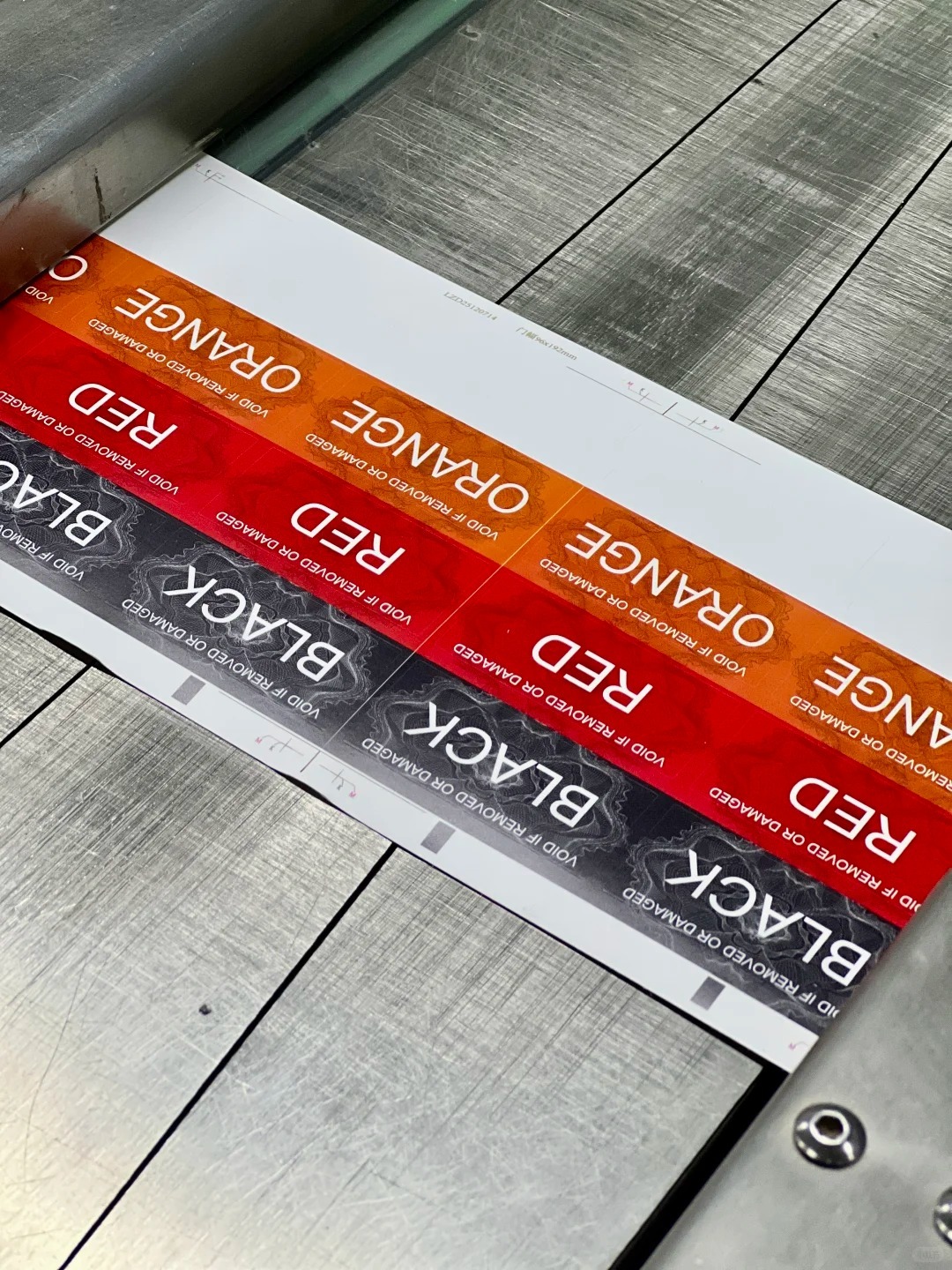
- Material change: a label delaminates, tears, or reveals a VOID message.
- Missing component: a band, strip, ring, or membrane that should be present is no longer there.
The intact and opened conditions should be easy to distinguish without special equipment.
For foodservice applications, the feature should also support fast packing, secure transport, practical opening, and safe disposal.
Why Is Tamper Evident Packaging Important for Food?
Food may pass through multiple handling stages between preparation and consumption. Tamper-evident features help businesses and consumers identify whether the package appears to have remained closed.
Visible integrity check
A clear seal, tab, or breakaway feature gives consumers an immediate indication of first access.
This can be especially useful for:
- prepared foods;
- chilled deli products;
- bakery items;
- beverages;
- sauces;
- delivery orders.
Complaint and rejection procedures
When an acceptable package condition is clearly defined, employees can identify units that should be:
- rejected;
- remade;
- quarantined;
- investigated.
This is more effective when combined with lot identification and handling records.
Discouraging casual interference
Tamper evidence is primarily a detection mechanism rather than an absolute security barrier. However, visible and irreversible evidence may also discourage casual opening because interference is more likely to be noticed.
Supporting customer trust
A consistent, reliable closure can help demonstrate that the business has considered package integrity during handoff.
The benefit disappears when labels fall off, tabs arrive broken, or closures are applied inconsistently.
Eight Common Types of Tamper Evident Food Packaging
| System | Visible Evidence | Common Food Applications | Main Check |
|---|---|---|---|
| Integrated breakaway tab | Tab or bridge breaks | Clamshells, deli tubs, bakery containers | False breaks and opening force |
| Peelable film seal | Film lifts, tears, or punctures | Sushi, fruit, prepared meals, deli foods | Seal integrity and contamination |
| Shrink band | Band must be torn or cut | Bottles, jars, cups, condiments | Fit and reapplication resistance |
| Breakaway closure ring | Ring separates from cap | Beverages, sauces, liquid foods | Torque and bridge strength |
| Tear strip | Strip detaches permanently | Bakery packs, trays, cartons | Controlled tearing |
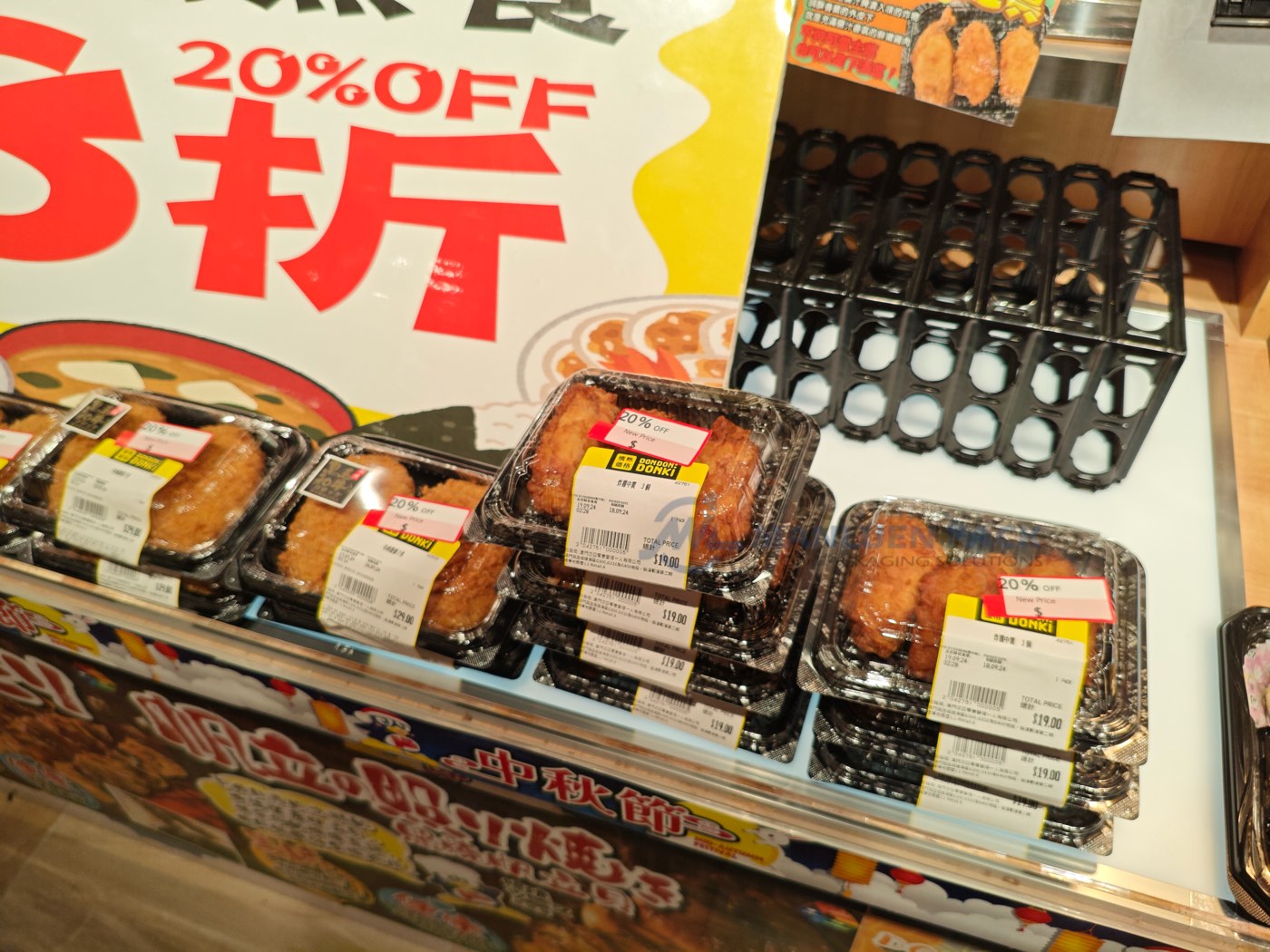
| Security or VOID label | Label tears or reveals pattern | Delivery packs, branded items | Adhesion under moisture and cold |
| Foil or induction membrane | Membrane peels or punctures | Sauces, jars, dry foods | Rim and sealing compatibility |
| Sealed delivery bag | Closure must be torn | Restaurant delivery | Bag seal and package-level integrity |
1. Integrated Breakaway Tabs
Integrated tabs or frangible bridges are molded or thermoformed into the container and lid.
First opening breaks the feature, making access visible without requiring a separately applied label.
These systems are commonly used for:
- deli tubs;
- clamshells;
- bakery packs;
- prepared-food containers.
Buyers should verify that the feature survives normal distribution but does not require excessive opening force or create sharp edges. When comparing hinged formats, review the available clamshell containers, then confirm whether the selected model includes the required first-opening evidence. Buyers considering fiber formats can also review the trade-offs discussed in our guide to biodegradable clamshell packaging.
2. Peelable Film Seals
A lidding film is sealed to the flange of a rigid tray, tub, or cup.
Opening requires peeling or puncturing the film, creating clear evidence of access.
Performance depends on:
- tray material;
- flange flatness;
- lidding-film structure;
- sealant compatibility;
- machine settings;
- food contamination at the rim;
- storage conditions.
For chilled foods such as sushi, cut fruit, and prepared meals, condensation and low-temperature performance are especially important. Buyers sourcing these formats can compare Manluen sushi trays and read the 2026 sushi tray sourcing guide.
3. Shrink Bands
Shrink bands fit across the cap-to-container interface and must be cut or torn before opening.
They are commonly used for:
- bottles;
- jars;
- sauces;
- condiments;
- beverages.
Buyers should verify:
- fit;
- perforation;
- shrink quality;
- resistance to slipping off intact;
- compatibility with recycling objectives.
4. Breakaway Closure Rings
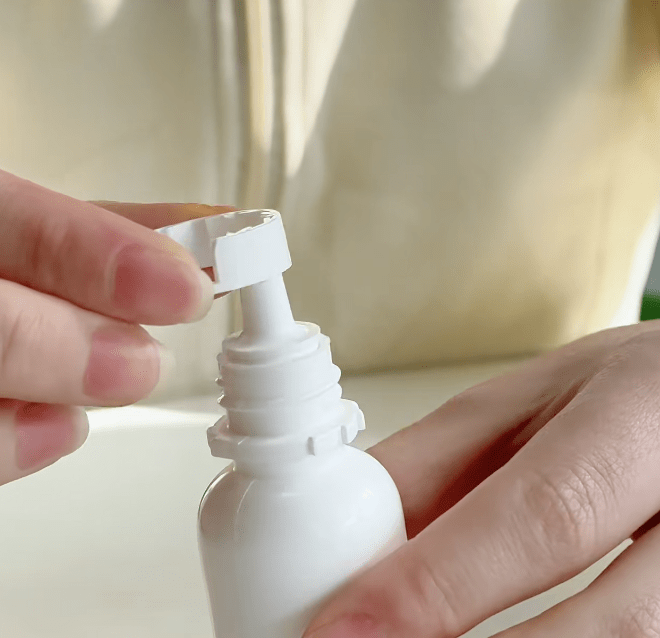
Many beverage and liquid-food closures use a ring connected to the cap by small bridges.
When the cap is opened, the bridges break and the ring changes position.
Performance depends on:
- neck finish;
- cap dimensions;
- application torque;
- bridge geometry;
- temperature.
Both under-torquing and over-torquing can affect package integrity.
5. Tear-Away Strips
A removable strip may run around a tray, lid, carton, or molded closure.
The strip must be removed before the main opening feature becomes accessible.
This system is useful for:
- bakery packaging;
- cake containers;
- party trays;
- prepared-food packs.
The tear path should be predictable and should not leave sharp edges or require tools.
6. Tamper-Evident Labels and VOID Seals
Labels can bridge a lid and base, secure an outer carton, or close a delivery bag.
Options include:
- destructible labels;
- VOID labels;
- paper seals;
- security tapes.
They are easy to add to existing packaging but must be matched carefully to the surface and environment.
Potential challenges include:
- condensation;
- oil;
- cold storage;
- textured fiber;
- curved surfaces.
A label that detaches during refrigeration is not an effective integrity feature.
7. Foil or Induction-Sealed Membranes
A membrane sealed beneath a cap creates visible first-opening evidence when peeled or punctured.
Common applications include:
- sauces;
- dressings;
- condiments;
- spreads;
- dry foods;
- beverages.
The complete system should be validated, including:
- container resin;
- neck finish;
- liner construction;
- sealing equipment;
- product chemistry;
- fill temperature.
Foil and multilayer structures may also affect recyclability.
8. Sealed Food-Delivery Bags
For restaurant delivery, an outer sealed bag can show whether the order bundle was opened after leaving the restaurant.
Common systems include:
- permanent adhesive strips;
- tear strips;
- destructible labels;
- security tape.
The outer bag should not replace secure individual food containers.
Soups, beverages, and sauces still require leak-resistant packaging, and foods requiring temperature control must still be handled appropriately.
Tamper Evident vs Tamper Resistant, Child Resistant, and Tamper Proof
| Term | Primary Function | What It Does Not Automatically Prove | Buyer Guidance |
|---|---|---|---|
| Tamper evident | Shows visible evidence of access | That access was impossible | Specify the exact evidence feature |
| Security or theft resistant | Deters or delays unauthorized access | That opening leaves visible evidence | Define the actual threat |
| Child resistant | Designed to resist access by young children | Tamper evidence | Use applicable PPPA and 16 CFR Part 1700 requirements |
| Tamper proof | Suggests tampering cannot occur | A realistic absolute guarantee | Avoid the claim |
For procurement, the clearest approach is to describe exactly what should happen after first access.
For example:
The molded bridge must remain intact during distribution and break visibly before the lid can be lifted.
That is more useful than simply stating “tamper evident.”
Match the Tamper-Evident Feature to the Food Application
| Food or Channel | Common Feature | Why It Fits | Key Validation Point |
|---|---|---|---|
| Sushi and chilled prepared food | Peelable film or breakaway tab | Preserves visibility and shows first access | Condensation and seal contamination |
| Hot takeaway meals | Breakaway tab or sealed bag | Fast packing without separate tray sealing in some systems | Heat distortion and leakage |
| Soups and liquid foods | Breakaway closure, membrane, or band | Combines evidence with liquid closure | Leak performance and fill temperature |
| Cakes and bakery products | Tear strip, tab, or bridging label | Maintains visibility and gives clear first opening | Cracking and easy opening |
| Third-party delivery | Sealed outer bag plus secure containers | Shows whether the order bundle was opened | Adhesion, bag damage, and temperature control |
How to Choose the Right Tamper Evident Packaging
1. Define the risk and the required evidence
Start by identifying the main concern. If the package format is still undecided, first review how to choose the right food packaging for the product, process, and distribution channel.
- unauthorized access;
- accidental opening;
- delivery interference;
- substitution;
- leakage;
- retail handling.
Then define exactly what should change after first access.
2. Document the food and use conditions
Record:
- food type;
- fat and acid content;
- fill temperature;
- storage temperature;
- holding time;
- reheating method;
- pressure changes;
- condensation;
- whether the rim may become oily or wet.
These factors can affect labels, films, seals, caps, and molded features.
3. Choose the opening experience
The feature should balance security with accessibility.
Consider:
- elderly consumers;
- limited dexterity;
- gloved foodservice staff;
- risk of sharp edges;
- loose fragments;
- opening instructions.
4. Check equipment and line speed
Different systems require different equipment.
Examples:
- film seals may require tray sealers and validated sealing windows;
- shrink bands require application and heat-shrink equipment;
- integrated tabs may reduce secondary operations but require new tooling.
Compare total system cost rather than unit price alone.
5. Verify food-contact status separately
Ask for documentation tied to the actual material grade and intended use.
Avoid relying on a vague “FDA approved” statement. The FDA regulates food-contact substances through specific legal pathways and conditions of use, not through a blanket approval for every finished container. Our guides explain which agencies regulate food packaging and what food-grade packaging means in practice.
Relevant documentation may include:
- material identity;
- applicable regulatory basis;
- intended food type;
- temperature;
- contact time.
6. Move shortlisted designs into production-representative validation
Do not approve a feature based only on an empty hand sample.
Validation should use:
- actual materials;
- actual decoration;
- actual food;
- actual filling conditions;
- actual distribution conditions.
What Should Consumers Do If a Tamper-Evident Feature Is Broken?
If a seal, tab, ring, film, membrane, or band is broken, missing, lifted, or punctured:
- do not rely only on the food’s appearance or smell;
- keep the package and order or receipt information;
- photograph the damaged feature if practical;
- contact the retailer, restaurant, delivery platform, or manufacturer;
- follow the business’s replacement, refund, quarantine, or reporting procedure.
A damaged feature does not automatically prove deliberate tampering. It may result from manufacturing or transport damage.
However, once the integrity feature is compromised, it can no longer provide its intended assurance.
Frequently Asked Questions
What is tamper evident packaging?
Tamper evident packaging uses an indicator or barrier that provides visible evidence when a package has been opened or interfered with. Examples include broken tabs, punctured films, torn bands, separated labels, and peeled membranes.
Is tamper evident packaging legally required for food in the U.S.?
There is no single federal rule requiring every ordinary food package to use a tamper-evident feature. The well-known requirement in 21 CFR § 211.132 applies to covered OTC human drug products.
Does tamper evident mean tamper proof?
No. Tamper evident means interference should leave visible evidence. It does not mean access is impossible.
Is a tight snap-on lid tamper evident?
Not necessarily. A tight lid becomes tamper evident only when first access creates a clear and persistent signal that the consumer can recognize.
What is the best tamper-evident option for takeout?
There is no universal best solution. Breakaway tabs work well for many tubs and clamshells, film seals suit chilled prepared foods, and sealed bags can provide order-level evidence during delivery.
Can tamper-evident food packaging be recyclable?
Yes, but recyclability depends on the complete construction and the local recycling system. Labels, adhesives, seals, inks, food residue, color, and material compatibility can all affect the result.
Is ISO 21976 a food-packaging standard?
No. ISO 21976:2018 applies to tamper-verification features for medicinal product packaging. It may provide useful design concepts, but it is not a food-container certification.
How can a buyer verify a supplier’s tamper-evident claim?
Ask the supplier to identify the exact feature, provide intact and opened samples, supply drawings and acceptance criteria, explain production controls, and support testing using the real food and distribution conditions.
Conclusion
Tamper evident packaging makes first access visible. For foodservice and retail applications, its value lies in giving businesses and consumers a clear package-integrity signal during storage, display, transport, and delivery.
The best solution is not the package with the most seals or barriers. It is the simplest reliable system that survives normal distribution, creates unmistakable evidence after opening, remains practical for the consumer, and matches the food-contact and market requirements of the application.
For customized food containers, trays, lids, and other foodservice packaging, buyers can share their product type, temperature range, distribution channel, target market, evidence requirements, and equipment constraints with Manluen. Production-representative samples and filled-product validation should be completed before commercial approval. More application and sourcing topics are available in our food packaging guides.
References
Electronic Code of Federal Regulations. 21 CFR § 211.132: Tamper-Evident Packaging Requirements for Over-the-Counter Human Drug Products.
Used for the controlling US definition, scope, feature-design principles, and labeling requirements for covered OTC drug products.
Electronic Code of Federal Regulations
U.S. Food and Drug Administration (FDA). CPG Sec. 450.500: Tamper-Resistant Packaging Requirements for Certain Over-the-Counter Human Drug Products.
Used for the regulatory history, performance principle, and examples of tamper-evident packaging technologies and limitations.
U.S. Food and Drug Administration
Electronic Code of Federal Regulations. 21 CFR Part 117: Current Good Manufacturing Practice, Hazard Analysis, and Risk-Based Preventive Controls for Human Food.
Used to explain the federal food-safety framework and why it should not be misrepresented as a universal food-packaging tamper-seal mandate.
Electronic Code of Federal Regulations
U.S. Food and Drug Administration (FDA). Food Packaging & Other Substances that Come in Contact with Food: Information for Consumers.
Used to distinguish food-contact authorization from tamper-evident performance and to explain that intended use matters.
U.S. Food and Drug Administration
International Organization for Standardization. ISO 21976:2018—Packaging: Tamper Verification Features for Medicinal Product Packaging.
Used for the international tamper-verification reference and to clarify that the standard applies to medicinal product packaging, not food certification.
International Organization for Standardization
Springer. Tamper-Evident Packaging.
Used as an academic second source for the principles, terminology, and technical background of tamper-evident package design.
Springer Nature Link
METTLER TOLEDO. How to Ensure Tamper-Evident Pharmaceutical Packaging.
Used as an industry quality-assurance reference for inspection of package components and applied tamper-evident features; the pharmaceutical context is not presented as a food regulation.
METTLER TOLEDO
Google Patents. US20190112110A1: Tamper Evident Clamshell Container.
Used as a technical example of how first-opening evidence can be built into clamshell geometry, not as proof of commercial performance or regulatory compliance.
Google Patents
Just Drinks. Henkel Gets Grant for Tamper-Evident Container Cap with Tear-Away Tab.
Used as an industry example of continuing innovation in tear-away tamper-evident closure design.
Just Drinks
Gallego-Schmid, A., Mendoza, J. M. F., and Azapagic, A. Environmental Impacts of Takeaway Food Containers.
Used to explain that life-cycle results for aluminum, polypropylene, and extruded-polystyrene takeaway containers involve scenario-specific trade-offs rather than a universal material winner.
Journal of Cleaner Production
European Union. Regulation (EU) 2025/40 on Packaging and Packaging Waste.
Used for the PPWR application date, substances-in-packaging requirements, and food-contact packaging PFAS thresholds relevant to packaging placed on the EU market.
EUR-Lex
eCaps Direct, GlobalPak, Waipak, and Nelmar. Tamper-Evident Packaging Product and Application Resources.
Used only as industry examples for shrink bands, neck bands, bottle seals, security bags, and delivery applications; product suitability must be independently verified.
eCaps Direct | GlobalPak | Waipak | Nelmar

ManLuen Plastic Packaging Company, which is specialized in the production of Plastic Food Packaging for more than 20 years. Our products are made from 100% virgin and BPA-Free PP, PS, and OPS comply with FDA and European Standards.
 EN
EN  ZH
ZH  FR
FR  PT
PT  ES
ES  KO
KO  JA
JA