
Introduction
Yes, you can heat food in a glass container in the microwave. Check the container first. Use it only if the label or manufacturer allows microwave heating. The word glass alone tells you very little.
A food storage container, drinking glass, decorative bowl, and reused pasta-sauce jar may look similar. They do not always serve the same purpose. Check the design, condition, decorations, and lid before you heat one
Quick Answer: Look for a microwave-safe mark. Check for cracks, chips, severe scratches, and metal parts. Check the lid separately and vent it as directed. Avoid sudden temperature changes.
For leftovers, choosing the right container is only part of safe reheating. The USDA recommends reheating leftovers to 165°F (74°C) and checking the temperature with a food thermometer after the recommended standing time.
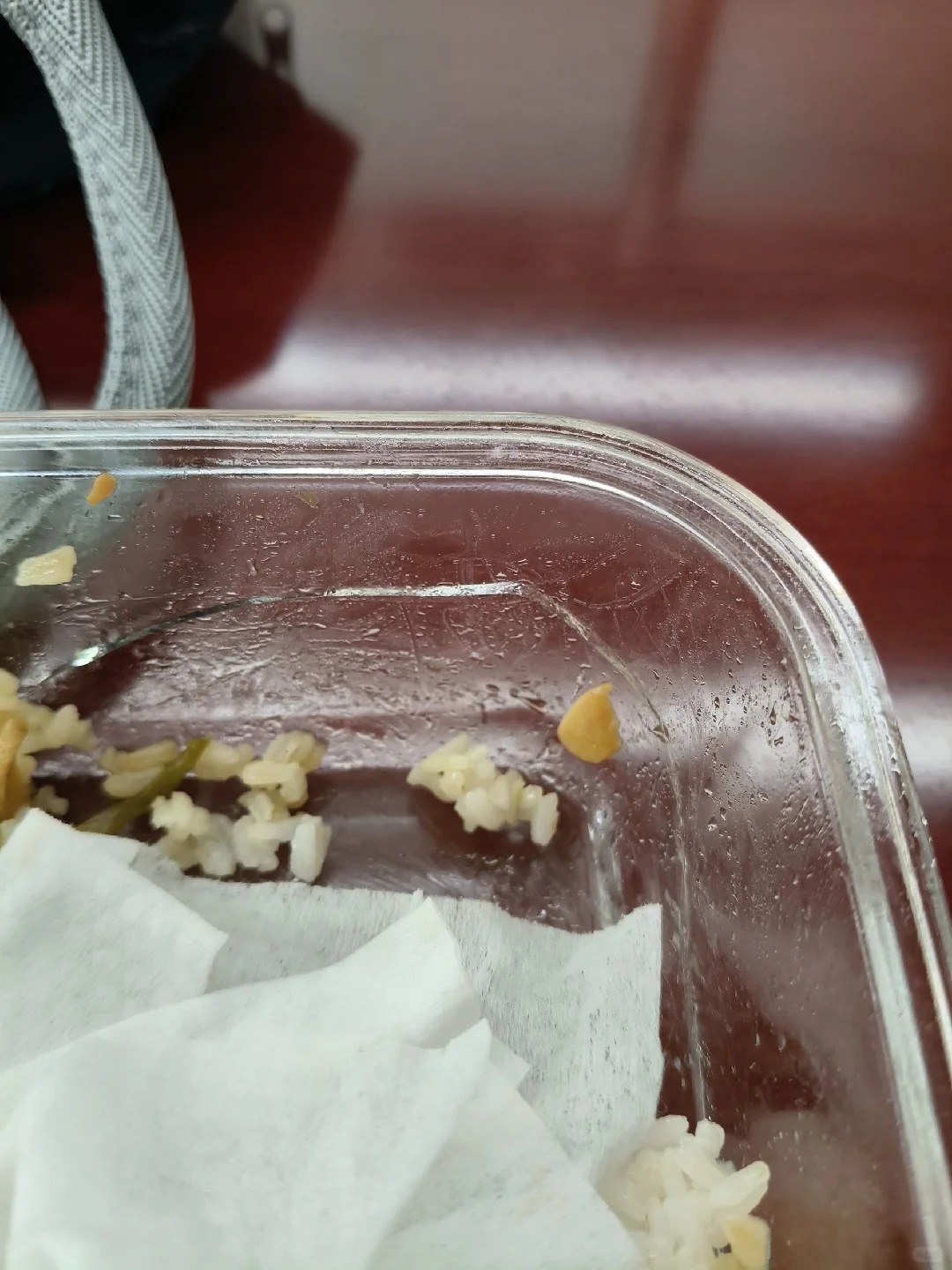
Food-Safe vs Microwave-Safe: What Is the Difference?
Food-safe and microwave-safe describe different things. A container that is suitable for food contact is not automatically designed for microwave heating.
What Food-Safe Means
Food-safe means a product is suitable for contact with food under its approved conditions of use.
The FDA explains that food-contact substances include materials used in packaging, cookware, preparation surfaces, and related components. Its safety framework considers both the substance and how the product is intended to be used.
A container may be suitable for refrigerated storage, serving, or room-temperature food contact without being designed for microwave heating.
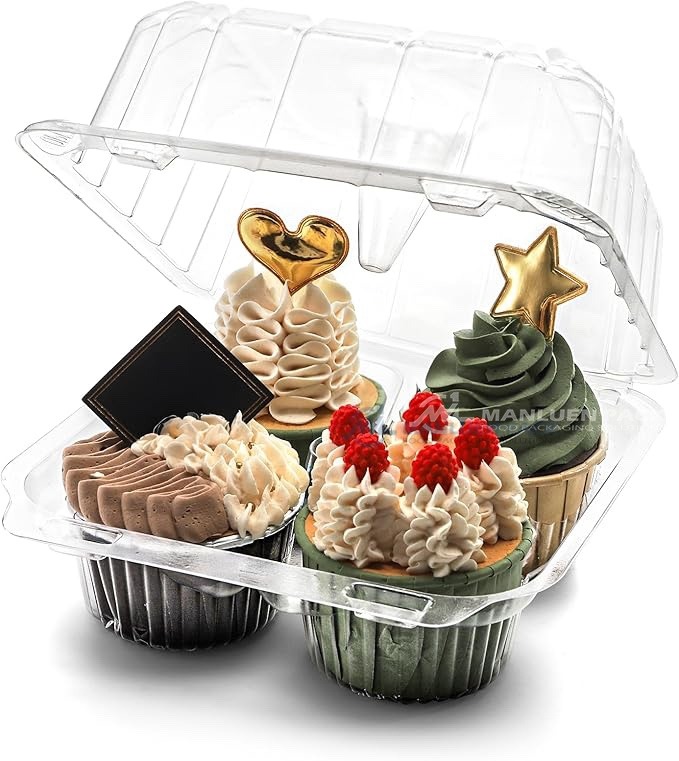
What Microwave-Safe Means
Microwave-safe is a product-specific claim. It means the manufacturer allows that item to be used in a microwave under the stated conditions. Those instructions may also explain whether a lid should be removed, loosened, or vented during heating.
Bottom line: Food-contact suitability does not automatically mean microwave suitability. Check the rating for the complete container and the heating method you plan to use.
How to Tell If a Glass Container Is Microwave-Safe
1. Look for a Microwave-Safe Mark or Written Instructions
Check the bottom of the container, packaging, product page, or care guide for the words “microwave-safe,” a microwave-use symbol, or clear heating instructions.
Do not judge microwave suitability by:
- The thickness of the glass
- The weight of the container
- The color or appearance
- Whether it worked in the past
2. Check Every Component
The glass base, plastic lid, silicone gasket, steam valve, and locking clips may have different ratings.
A microwave-safe glass base does not automatically mean the lid or other accessories can also be used in the microwave.
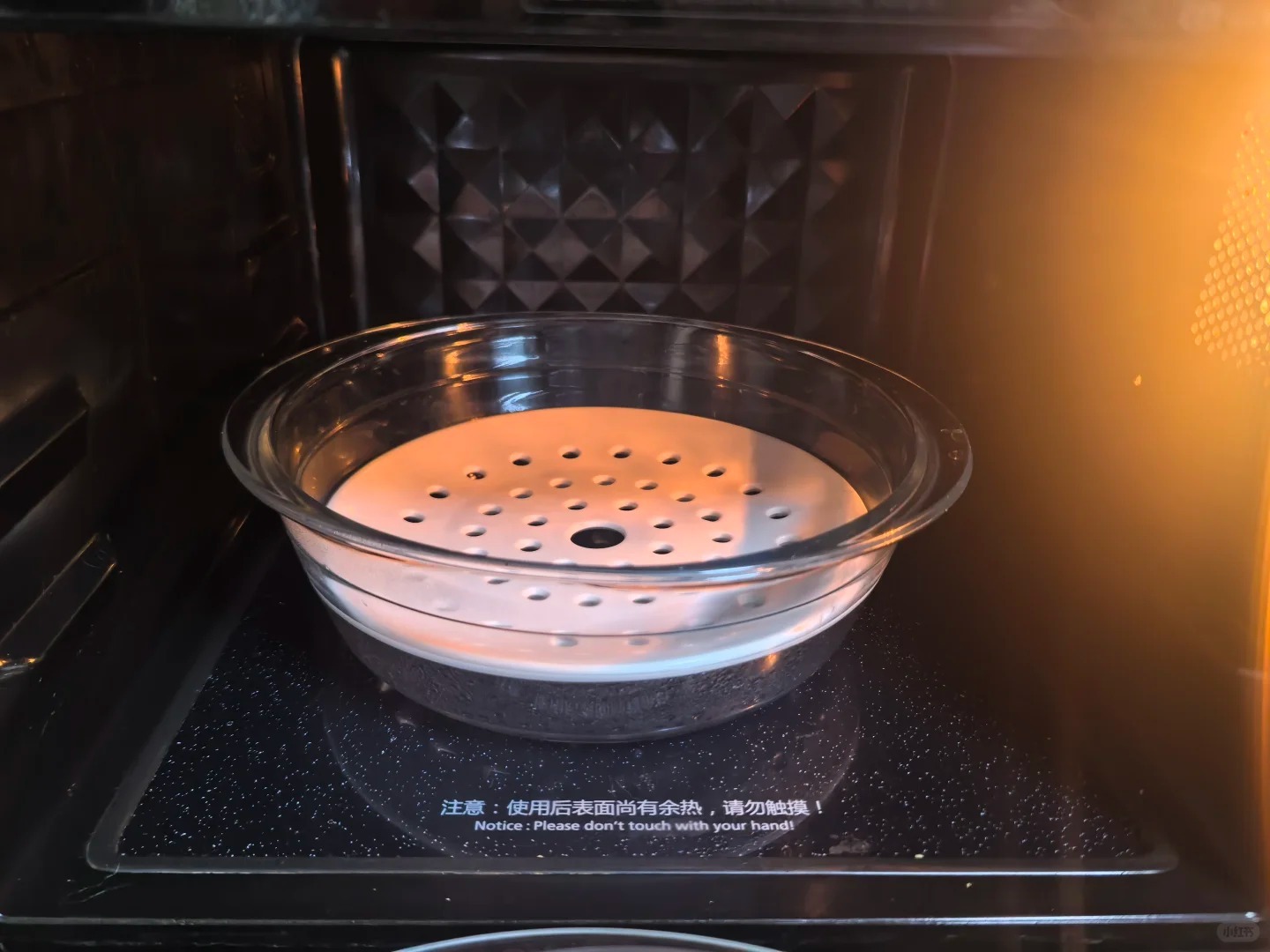
3. Inspect the Container Before Every Use
Do not microwave glass containers with:
- Cracks
- Chips
- Damaged edges
- Severe scratches
Damage can create weak areas that reduce the container’s ability to handle heating conditions.
4. Rule Out Metal
Do not microwave glass containers with metal lids, metal bands, metallic clips, gold or silver rims, or other metallic decorations unless the manufacturer specifically approves that use.
5. Treat Separate Appliance Ratings Separately
Microwave-safe, oven-safe, freezer-safe, and dishwasher-safe are separate ratings. Confirm each use instead of assuming one rating covers them all.
| Check | Use It? | Why |
|---|---|---|
| Marked microwave-safe and undamaged | Yes, as directed | The manufacturer allows microwave use under stated conditions. |
| No label or instructions | Do not assume | Appearance and glass type alone do not confirm suitability. |
| Cracked, chipped, or severely scratched | No | Damage may weaken the container. |
| Metal lid, trim, clip, or decoration | No | Metal can spark or interfere with microwave operation. |
| Microwave-safe base but unknown lid | Check lid instructions first | Different components may have different ratings. |
Why Some Glass Containers Work in Microwaves
Microwave ovens mainly heat food by transferring energy into water and other components inside the food. The heated food then transfers heat to the container, which is why a microwave-safe glass container can still become hot during reheating.
Glass generally allows microwave energy to reach the food, unlike metal. However, this does not mean every glass item is suitable for microwave use.
The container must also handle the heating conditions created during use, including temperature changes, uneven heating, and the way the product was designed to be used.
This is why a microwave-safe food container may be suitable while a decorative bowl, unknown vintage dish, or ordinary storage jar may not be.
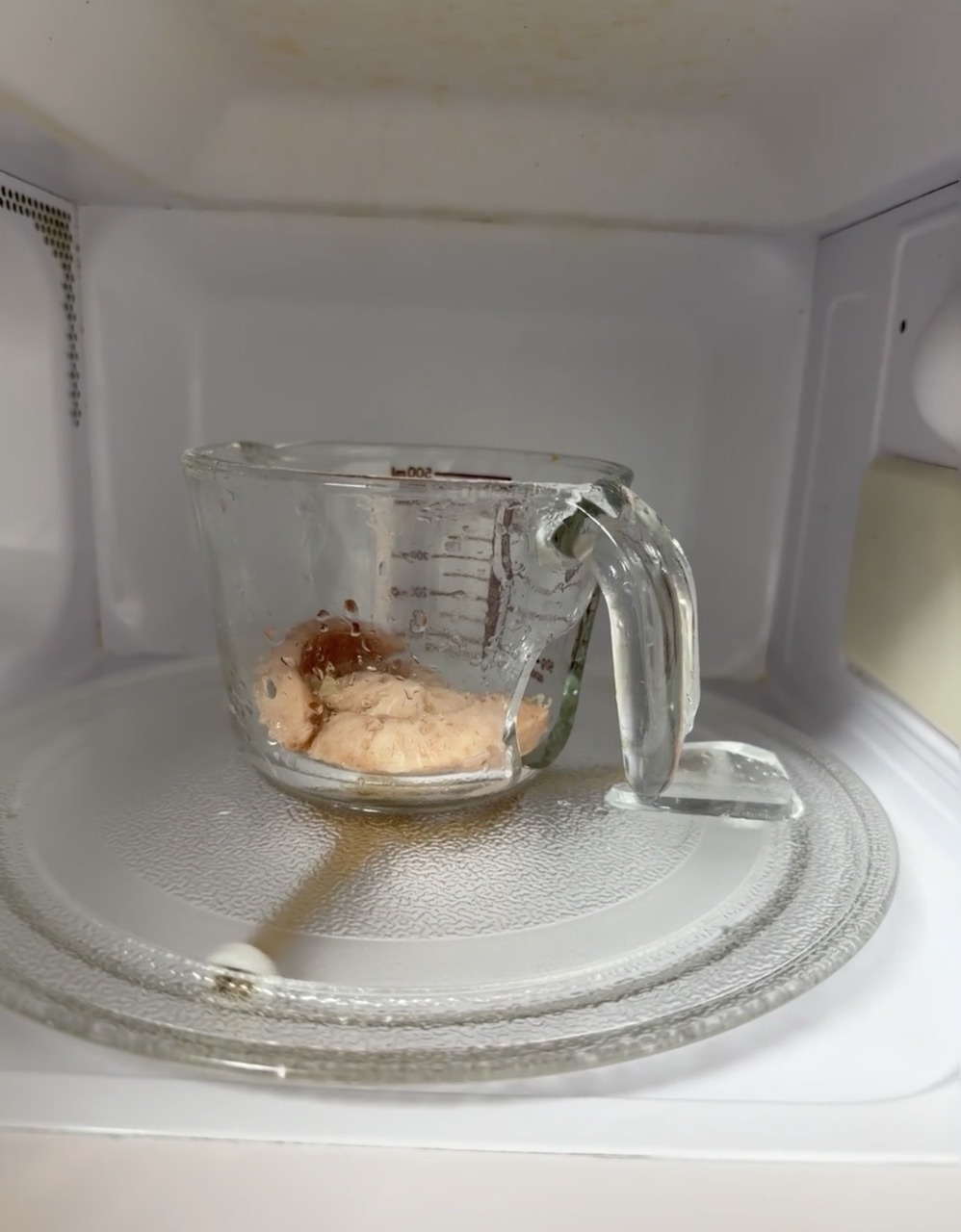
Types of Glass Containers and Microwave Considerations
Glass is a group of materials with different properties. The type of glass can affect performance, but it cannot replace a microwave-use rating for the finished product.
| Glass Type or Product | General Characteristic | Microwave Decision |
|---|---|---|
| Borosilicate glass | Often selected for products where resistance to temperature changes is important. | Use only when the specific product is labeled or documented for microwave use. |
| Tempered glass | Heat-treated to improve mechanical strength. | Tempering alone does not make a product microwave-safe. Follow product instructions. |
| Soda-lime glass | Common in household glassware, jars, and some cookware. | Some products are microwave-safe and others are not. Check the exact item. |
| Glass-ceramic cookware | Designed for certain cooking or serving applications. | Use only for appliances and conditions approved by the manufacturer. |
| Decorative, crystal, vintage, or unknown glass | Materials, decorations, damage, and intended use may be uncertain. | Do not microwave without reliable manufacturer guidance. |
Statements such as “borosilicate is always safe” or “tempered glass can always go in a microwave” are too broad.
The important question is not only what the glass is made of. It is whether the finished product was designed, labeled, and approved for the heating method you want to use.
Thermal Shock: Why Glass Can Break During Reheating
Glass can break when different areas of the container heat or cool at different speeds. This creates internal stress, often called thermal stress or thermal shock.
Situations That Increase Thermal Stress
- Moving a frozen or very cold container directly into heating when the product is not rated for that transition
- Placing hot glass on a cold, wet, or metal surface
- Adding cold liquid to hot glass
- Heating food unevenly so one area becomes much hotter than another
- Using glass that is cracked, chipped, or severely scratched
Avoid sudden temperature changes. Do not heat empty or nearly empty glassware. Stop using glass that is broken, chipped, cracked, or severely scratched.
Do not apply a universal waiting time to every glass container. Some products are designed for refrigerator-to-microwave use, while others are not. Follow the instructions for the exact container you are using.
How to Heat Food in a Glass Container in the Microwave: 7 Steps
Choosing the right glass container is only the first step. You also need to use it correctly during reheating.
Follow these steps before, during, and after heating food in a glass container.
- Confirm microwave approval.Check the container label, packaging, or care instructions before heating. Only use glass containers that are approved for microwave use.
- Inspect the glass.Check for cracks, chips, damaged edges, or severe scratches. Do not microwave damaged glass.
- Check the lid and accessories.Follow the instructions for lids, seals, vents, and other components. Remove, loosen, or adjust them as directed.
- Avoid sudden temperature changes.If the container is frozen or very cold, confirm that the product allows that transition before heating.
- Heat food in a suitable way.Use the recommended heating settings when available. Stir food when needed to distribute heat more evenly and avoid unnecessary extended heating.
- Allow steam to escape.Do not tightly seal an ordinary storage container during microwave reheating. Follow the product instructions for venting.
- Handle the container carefully after heating.Use dry potholders or oven mitts when needed. Place hot glass on a dry, heat-safe surface and allow leftovers to stand before checking the final temperature.
The USDA recommends reheating leftovers to 165°F (74°C) and checking the temperature with a food thermometer after standing time.
Source: USDA Food Safety and Inspection Service
Can You Microwave a Glass Container With the Lid On?
It depends on the lid design and the manufacturer’s instructions. The glass container and the lid are separate components, and they may have different heating requirements.
Plastic Lids
Check the lid’s own instructions before microwaving. Some lids may need to be removed, loosened, offset, or vented during heating.
A microwave-safe glass base does not automatically mean that the attached plastic lid can also be heated.
Silicone Gaskets and Valves
Some containers include silicone seals, valves, or other accessories. Check the product instructions for each component rather than assuming the material name alone determines microwave suitability.
Why Venting Matters
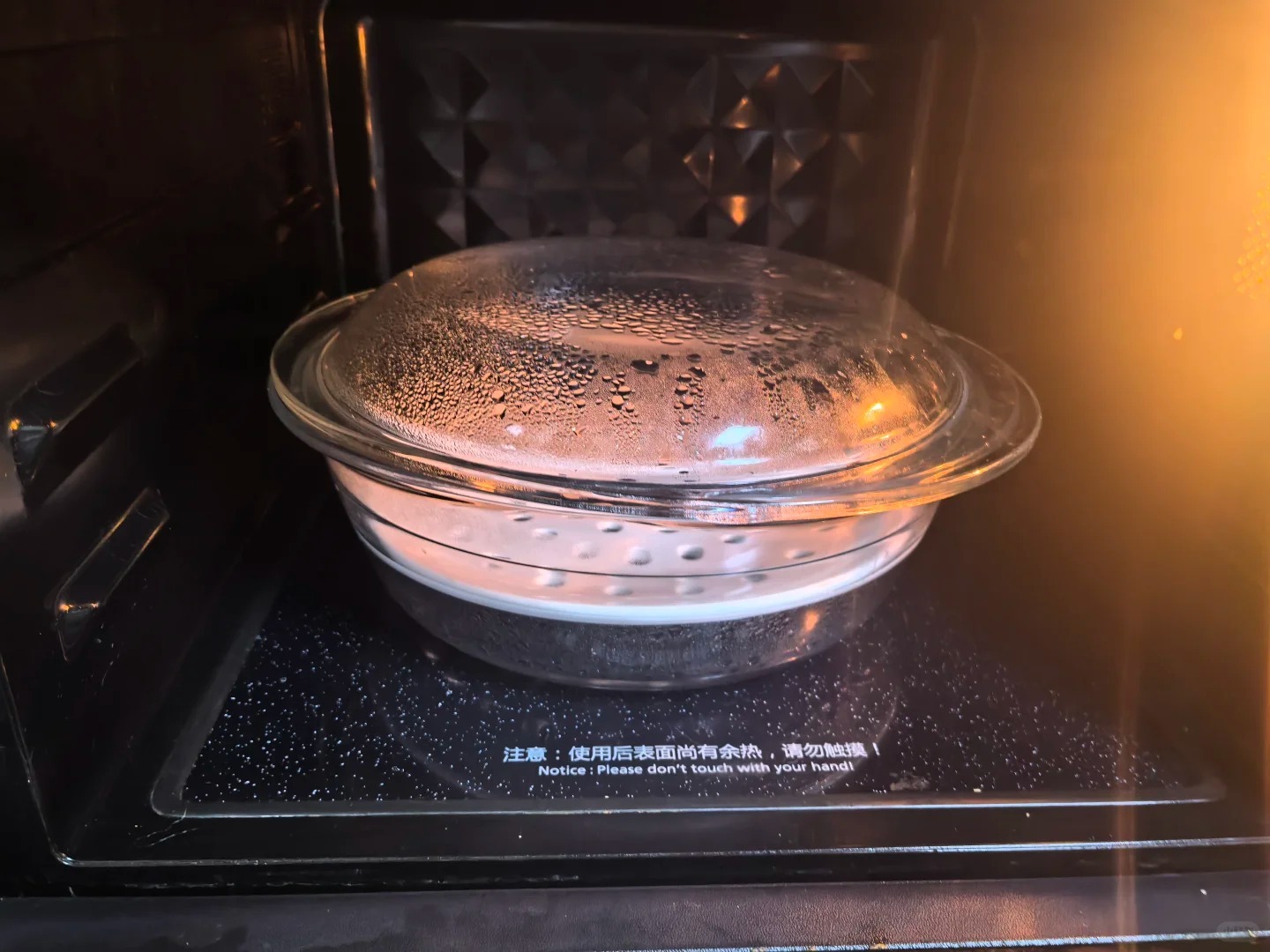
Food and liquids release steam during reheating. A tightly sealed container can trap steam and build pressure.
Follow the manufacturer’s instructions for steam release and lid placement when heating covered glass containers.
Can You Reheat Frozen Food in a Glass Container?
You can reheat frozen food in a glass container only when the container is designed and labeled for that use.
A freezer-safe rating does not automatically mean that the container can move directly from frozen storage into microwave heating.
Before reheating frozen food:
- Check whether the container is approved for both freezer storage and microwave use.
- Inspect the glass and lid for damage.
- Follow any instructions about thawing, defrosting, power settings, or venting.
- Avoid sudden temperature changes that are not allowed by the product instructions.
If the container does not have clear guidance for freezer-to-microwave use, transfer the food to a container that is labeled for the heating method you plan to use.
Microwave-Safe Does Not Mean Oven-Safe or Air-Fryer-Safe
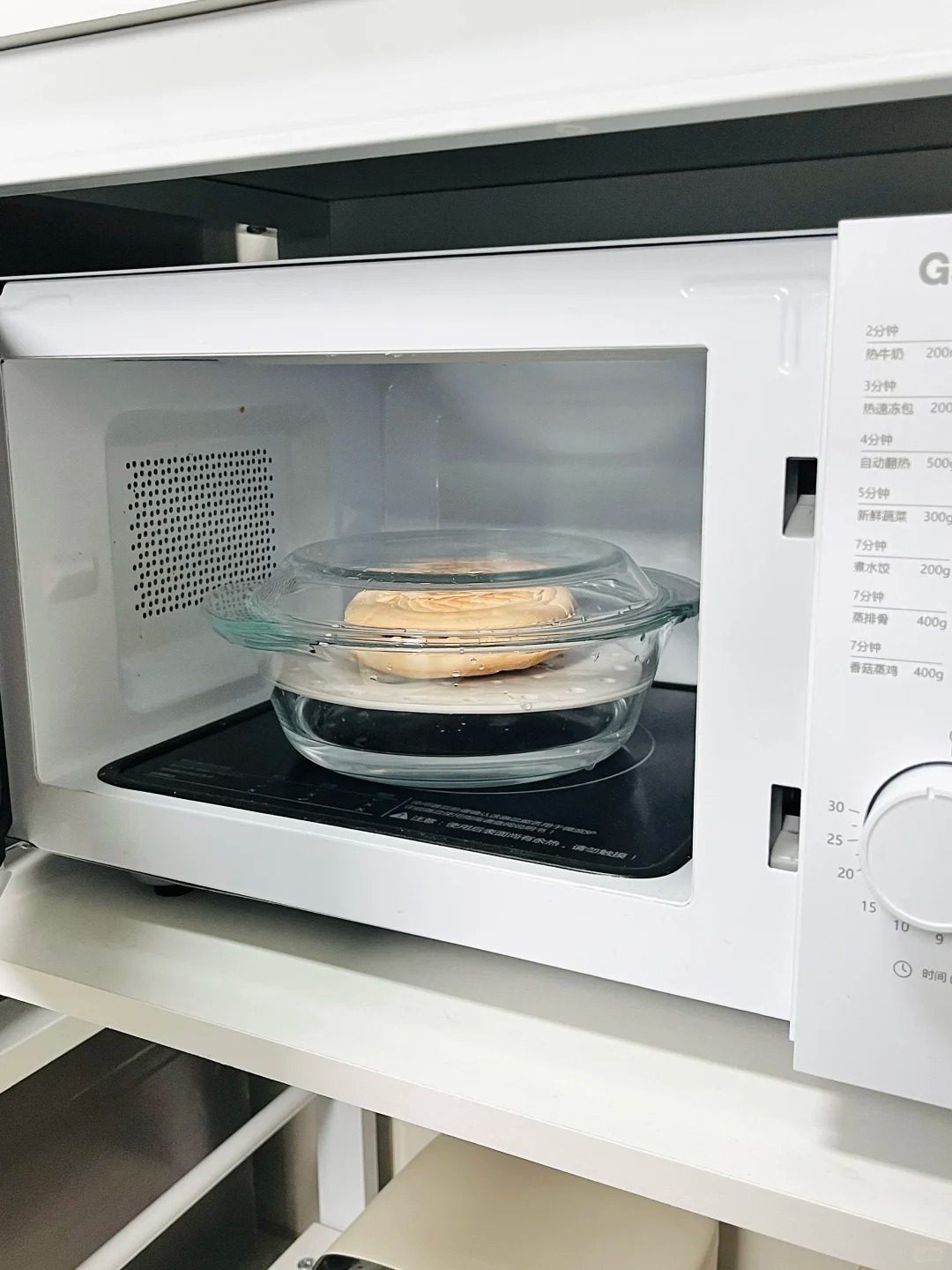
Different appliances create different heating conditions. A microwave-safe rating does not automatically cover oven or air fryer use.
Can a Microwave-Safe Glass Container Go in the Oven?
Only use a glass container in an oven if it is specifically labeled oven-safe or the manufacturer allows oven use.
Microwave heating and conventional oven heating expose containers to different conditions. Always check the instructions for the exact product before using it in an oven.
Can a Glass Container Go in an Air Fryer?
Only use a glass container in an air fryer when the manufacturer approves that application.
Air fryers use circulating hot air and create a different heating environment from microwaves. Check that the container fits properly and is rated for that type of use.
Do not assume that a container is suitable for an air fryer simply because it is made of glass or labeled microwave-safe.
Glass vs Plastic Containers for Reheating Food
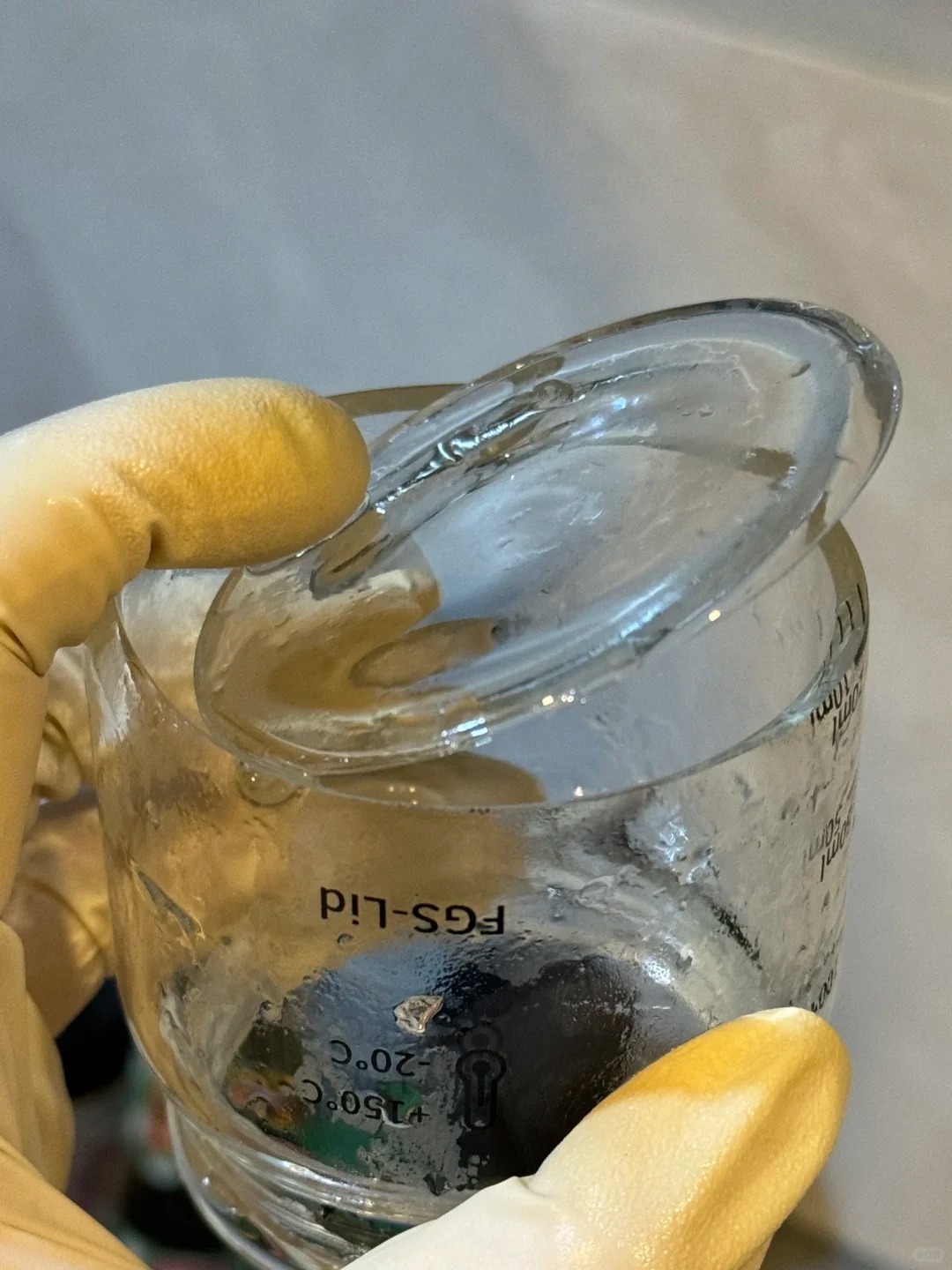
Both glass and plastic containers can be suitable for reheating when the finished product is designed, labeled, and used for that purpose.
The better choice depends on the specific container, its design, and the heating method involved.
| Factor | Glass | Plastic |
|---|---|---|
| Microwave decision | Requires product-specific microwave approval. | Requires product-specific microwave approval. |
| Odor and staining | Often resists odor absorption and staining. | Performance varies depending on material, food type, and use. |
| Handling | Heavier and breakable. | Lighter and generally easier to transport. |
| Condition check | Do not use cracked, chipped, or severely scratched containers. | Do not use damaged, warped, cracked, or heavily worn containers. |
| Food packaging use | Storage glass should not automatically be treated as a reheating container. | Takeout or storage packaging should not be microwaved unless it is labeled for that purpose. |
Glass is often chosen for reusable food storage because it resists odors and staining and can be used repeatedly. Plastic can offer lighter weight and convenience.
In both cases, the container’s instructions matter more than general assumptions about the material.
How to Heat Food in a Glass Container Without a Microwave
Conventional Oven
Use a glass container in the oven only when it is specifically labeled oven-safe. Follow the product instructions for temperature limits, covers, and placement.
A microwave-safe rating alone does not confirm oven suitability.
Transfer to Suitable Cookware
If a glass container is not rated for a specific heating method, move the food to cookware designed for that application.
Avoid Direct Heat Unless Approved
Do not place ordinary glass food containers on stovetops, burners, grills, broilers, or open flames unless the product is specifically designed for those conditions.
Common Mistakes to Avoid
- Assuming all glass is microwave-safe:Glass type or appearance alone does not confirm microwave suitability.
- Ignoring the lid:Lids, seals, and accessories may have separate instructions from the glass base.
- Heating damaged glass:Cracks, chips, and severe scratches can weaken the container.
- Leaving metal attached:Remove metal lids, bands, clips, and decorations unless the manufacturer specifically approves them.
- Heating empty or nearly empty glassware:Do not heat empty or nearly empty glass products.
- Creating sudden temperature changes:Follow product instructions for freezer, refrigerator, heating, and cooling transitions.
- Using one rating for every appliance:Microwave-safe, oven-safe, freezer-safe, and air-fryer suitability are separate product claims.
- Reheating leftovers without checking the food:Follow USDA guidance and confirm reheated leftovers reach 165°F.
Can You Test an Unknown Glass Container?
Clemson Home & Garden Information Center describes a simple screening test for unmarked dishes and containers.
- Place the empty glass container in the microwave beside a glass measuring cup filled with one cup of water.
- Heat both items on high for one minute.
- Carefully check the container temperature.
If the container remains cool while the water heats, it may be suitable for microwave use. If the container becomes warm or hot, it may not be suitable.
This test has limits. It does not prove that the container can handle thermal shock, repeated heating, freezer-to-microwave transitions, or hidden damage. It also does not replace manufacturer instructions or microwave-safe labeling.
Source: Clemson Home & Garden Information Center: Microwave Food Safety
Frequently Asked Questions
Can you heat food in a glass container in the microwave?
Yes, if the specific container is labeled microwave-safe, has no damage, contains no unapproved metal parts, and is used according to the manufacturer’s instructions.
Is all glass microwave-safe?
No. Glass products differ in design, decoration, condition, and intended use. The product rating determines whether it should be microwaved.
Can you microwave a glass container with a plastic lid?
Only when the lid is approved for microwave use. Follow instructions about removing, loosening, offsetting, or venting the lid.
Can you microwave glass straight from the fridge?
It depends on the container. Follow the product instructions rather than applying a universal waiting time.
Can you put frozen glass directly in the microwave?
Only when the container is specifically designed and labeled for that transition.
Can you microwave a Mason jar or pasta-sauce jar?
Do not assume storage jars are microwave containers. Check for reliable instructions or transfer the food to a labeled microwave-safe container.
Can an empty glass container go in the microwave?
No. Avoid heating empty or nearly empty glassware.
Does microwave-safe glass automatically go in the oven?
No. Microwave-safe and oven-safe are separate ratings for different heating conditions.
Why does a microwave-safe glass container get hot?
Heat transfers from the food into the container. Microwave-safe does not mean the container will stay cool during use.
Conclusion
You can heat food in a glass container in the microwave when that exact product is approved for microwave use and remains in good condition.
Before heating, check four things: the microwave-use label, the condition of the glass, the instructions for lids and accessories, and whether the container is approved for the temperature transition involved.
If the container is decorative, vintage, reused, damaged, or unlabeled, do not assume it is suitable for microwave heating. Transfer the food to a clearly labeled microwave-safe container when necessary.
After reheating leftovers, follow USDA guidance and confirm the food reaches 165°F with a food thermometer.
References
U.S. Food and Drug Administration (FDA). Food Packaging & Other Substances That Come Into Contact With Food—Information for Consumers
Used for the definition of food-contact substances and the role of intended conditions of use.
U.S. Food and Drug Administration
U.S. Department of Agriculture, Food Safety and Inspection Service. Cooking With Microwave Ovens
Used for microwave reheating guidance, standing time, and the 165°F leftover reheating recommendation.
USDA Food Safety and Inspection Service
Clemson Cooperative Extension. Microwave Food Safety
Used for the one-minute water-cup screening test for unmarked dishes and containers.
Clemson Home & Garden Information Center

ManLuen Plastic Packaging Company, which is specialized in the production of Plastic Food Packaging for more than 20 years. Our products are made from 100% virgin and BPA-Free PP, PS, and OPS comply with FDA and European Standards.
 EN
EN  ZH
ZH  FR
FR  PT
PT  ES
ES  KO
KO  JA
JA