
소개
Choosing a sushi tray supplier in China is not simply a matter of finding the lowest unit price.
The tray must fit the food, close securely, survive chilled display and transport, and meet the food-contact rules of the country where it will be sold. The supplier must also be able to reproduce the approved sample across every production run.
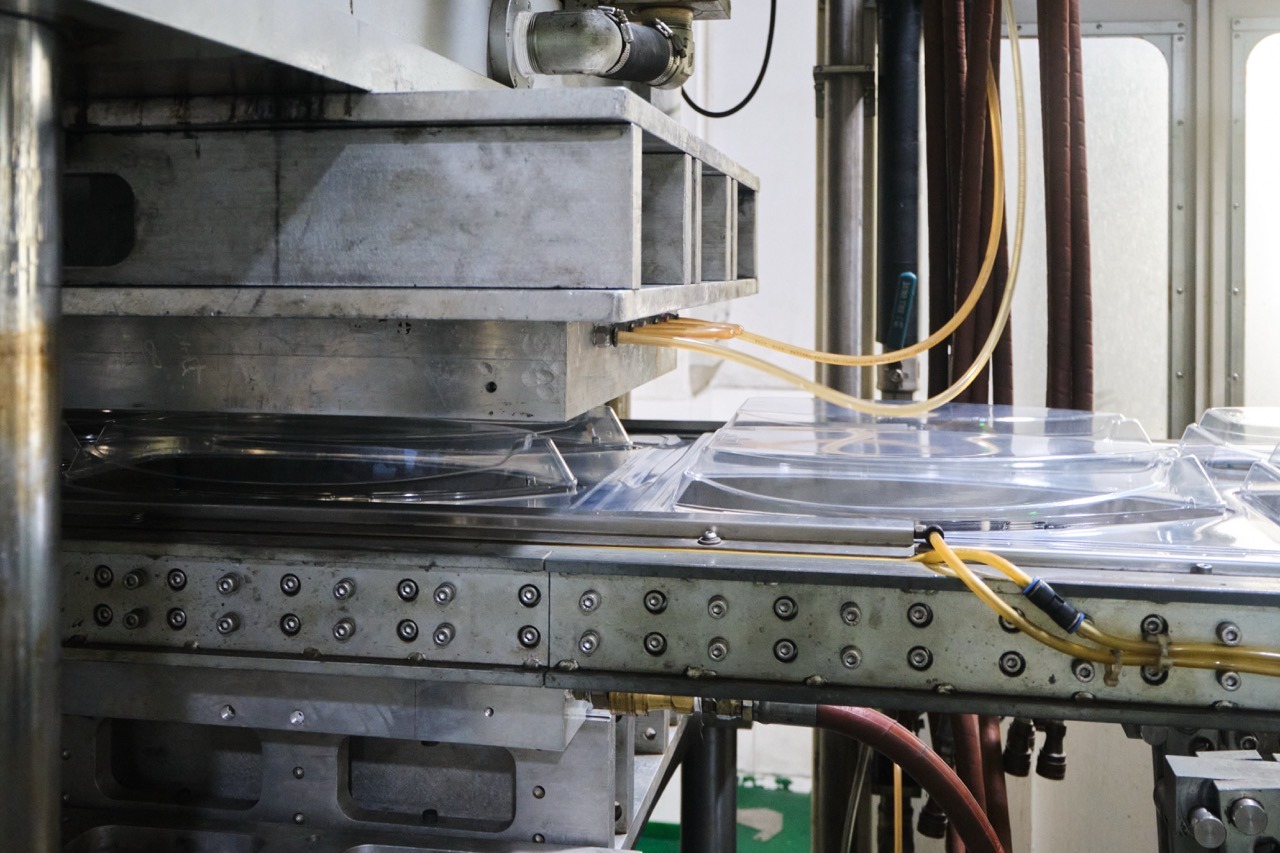
Start by defining the tray you need. Then compare suppliers against the same written specification. Ask for product-specific test documents, inspect samples with real food, and agree on quality standards before paying a deposit. Buyers who are still comparing formats can review ManLuen’s 초밥 트레이 범위 and the guide to choosing sushi tray sizes for 6, 12, 20, 40, and 100 pieces.
This guide explains how to assess materials, compliance records, factory capability, samples, quality control, pricing, tooling, and shipping. For wider market context, see the 2026 Japanese sushi tray market and sourcing guide.
Why Buyers Source Sushi Trays from China
China has a large food-packaging supply base. Buyers can find standard sushi trays, decorative Japanese-style trays, party platters, molded-fiber bases, and custom thermoformed formats from one market. This range makes China useful for distributors, restaurant groups, supermarkets, and packaging brands that need several sizes or materials.
The main advantages are production choice, established tooling capability, and access to both standard and customized products. They do not guarantee that every supplier is suitable. A low quotation can hide thin material, poor lid fit, weak cartons, unverified resin, or expensive tooling. Compare the complete offer, not just the unit price.
A capable supplier should be able to explain its forming process, tooling ownership, material controls, inspection points, packing method, and production records. It should also provide a realistic lead time based on the selected model, order quantity, printing, tooling, and current factory schedule.
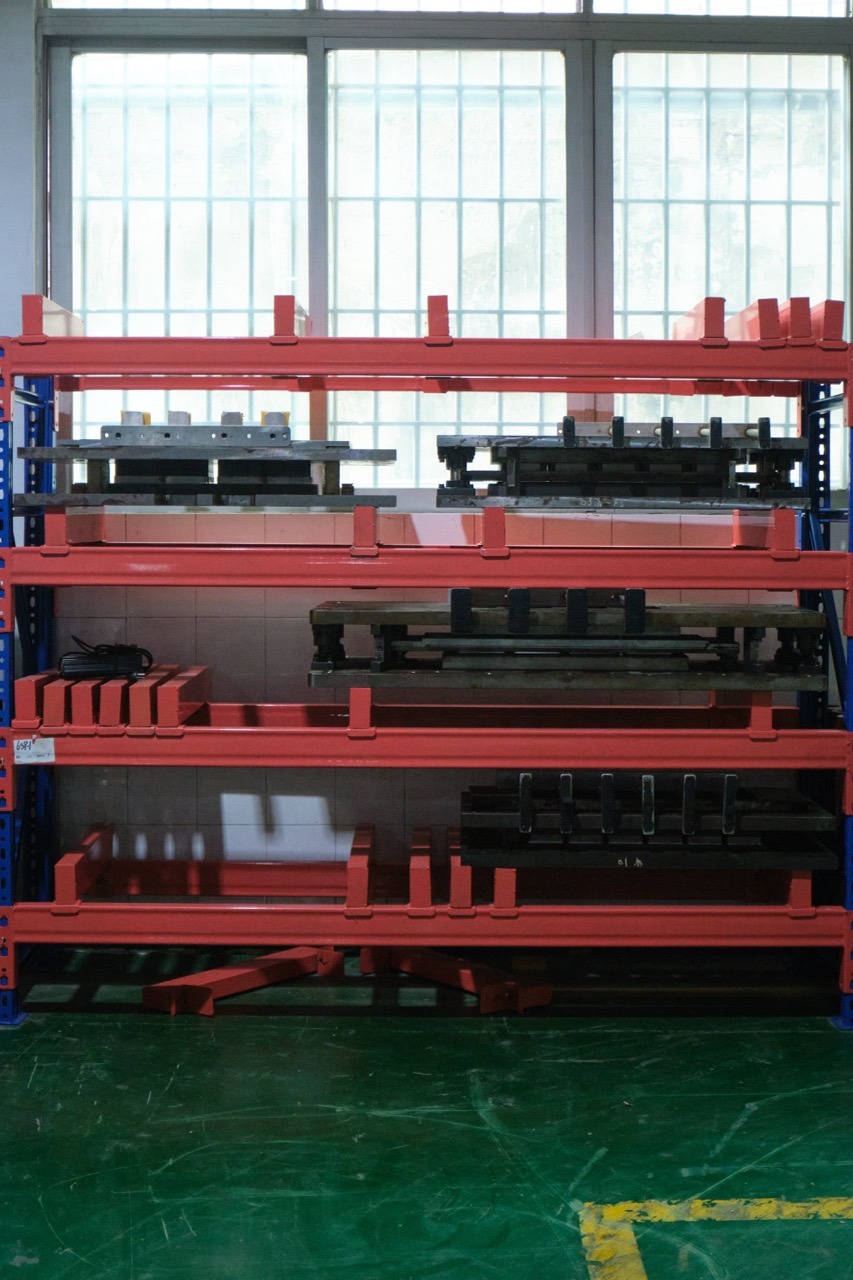
Step 1: Write the Product Specification Before Requesting Quotes
Suppliers cannot quote the same product if each receives a different description. Prepare one specification sheet and send it to every shortlisted factory. Include:
- Food type: nigiri, rolls, sashimi, gunkan, side dishes, or mixed sets
- Portion size or expected piece count
- Base and lid dimensions, including usable internal height
- Material requested for the base and lid
- Food temperature at filling and expected storage temperature
- Chilled display, pickup, delivery, catering, or party-platter use
- Required lid style, anti-fog performance, sealing method, and tamper evidence
- Base color, pattern, label area, printing, and private-label requirements
- Units per carton, carton size limits, pallet requirements, and target order quantity
- Destination market and the compliance documents you require
Do not choose a tray by external length alone. Check its internal area, corner shape, lid height, and usable food space. A tray may look large on a drawing but still crowd tall rolls or garnished nigiri. If the range includes several menu sizes, create a product-to-tray matrix and test every portion before approving the order.
Step 2: Choose the Material for the Actual Use
Material names are not performance guarantees. Resin grade, thickness, additives, forming quality, and the finished design all affect the result. The supplier should identify the exact base and lid materials instead of describing the whole pack as simply “plastic.” The broader food packaging materials guide explains the main material families, while the sushi tray material guide focuses on plastic options used for sushi.
| 재질 | Common sushi-packaging role | Points to verify |
|---|---|---|
| PS | Rigid or decorative bases for chilled display | Impact strength, brittleness at low temperature, intended food-contact use, and local acceptance |
| OPS | Clear lids where presentation matters | Crack resistance, lid fit, fogging, and temperature limits |
| PET | Clear lids and some chilled-food trays | Clarity, recycled-content claim where applicable, temperature conditions, and recycling guidance |
| PP | Trays requiring better heat tolerance or flexibility | Actual resin grade, finished-container test results, and whether the exact SKU is approved for reheating |
| Bagasse or molded fiber | Natural-looking bases for takeaway and prepared-food presentation | Oil and moisture resistance, coating, PFAS statement, lid compatibility, and substantiation for compostability claims |
Do not assume that a recycling code makes a container microwave-safe. Heating instructions must apply to the finished SKU and its intended conditions of use. Most sushi is packed, stored, and displayed cold, so clarity, condensation control, and lid security may matter more than heat resistance. The guide to choosing food packaging for the product and distribution system provides a wider decision framework.
If sustainability is part of the brief, define the claim precisely. “Eco-friendly” is too vague for a purchase specification. State whether you need recycled content, reduced material weight, a recyclable mono-material design, certified industrial compostability, or another measurable outcome. Review the 2026 sustainable packaging supplier guide before accepting environmental claims.
Step 3: Verify Food-Contact Compliance for the Destination Market
There is no universal certificate called “FDA approved packaging.” In the United States, food-contact compliance depends on the substance, its intended use, and the applicable authorization. The FDA explains that food-contact substances may be subject to regulations, prior sanctions, GRAS status, a threshold exemption, or a Food Contact Notification. Plastic polymers are also addressed in 21 CFR Part 177. For a practical explanation of the agencies and documents involved, read what agency regulates food packaging in the United States.
For the European Union, plastic food-contact materials fall within the general framework of Regulation (EC) No 1935/2004 and the specific rules in Regulation (EU) No 10/2011. Buyers should request the Declaration of Compliance and supporting testing appropriate to the exact material, food type, temperature, and contact time.
Documents to Request
- A product specification showing the exact SKU, base material, lid material, dimensions, weight, color, and intended use
- A Declaration of Compliance or equivalent supplier statement for the destination market
- Migration or food-contact test reports that identify the tested material or product, test conditions, date, laboratory, and applicable standard
- Statements covering restricted substances relevant to the material and market, including PFAS where required
- Traceability information linking resin, production batch, finished goods, and shipment
- Copies of current quality-system or packaging-site certificates, if these form part of the supplier qualification
Check whether each document really covers the item you plan to buy. A test report for a different resin, thickness, color, factory, or product family may not support your SKU. A laboratory report is evidence of a test; it is not the same as a continuing product certification.
ISO 9001 covers a quality management system. It does not approve a sushi tray or prove food-contact compliance. ISO also states that it does not perform certification itself, so confirm the certification body, scope, site, issue date, expiry date, and applicable edition. BRCGS Packaging Materials can provide useful evidence about a packaging site and its management controls, but it also does not replace product-specific legal documentation. ManLuen buyers can review the company’s certification and testing information and should still request the current report for the selected SKU.
Step 4: Confirm That You Are Evaluating the Real Factory
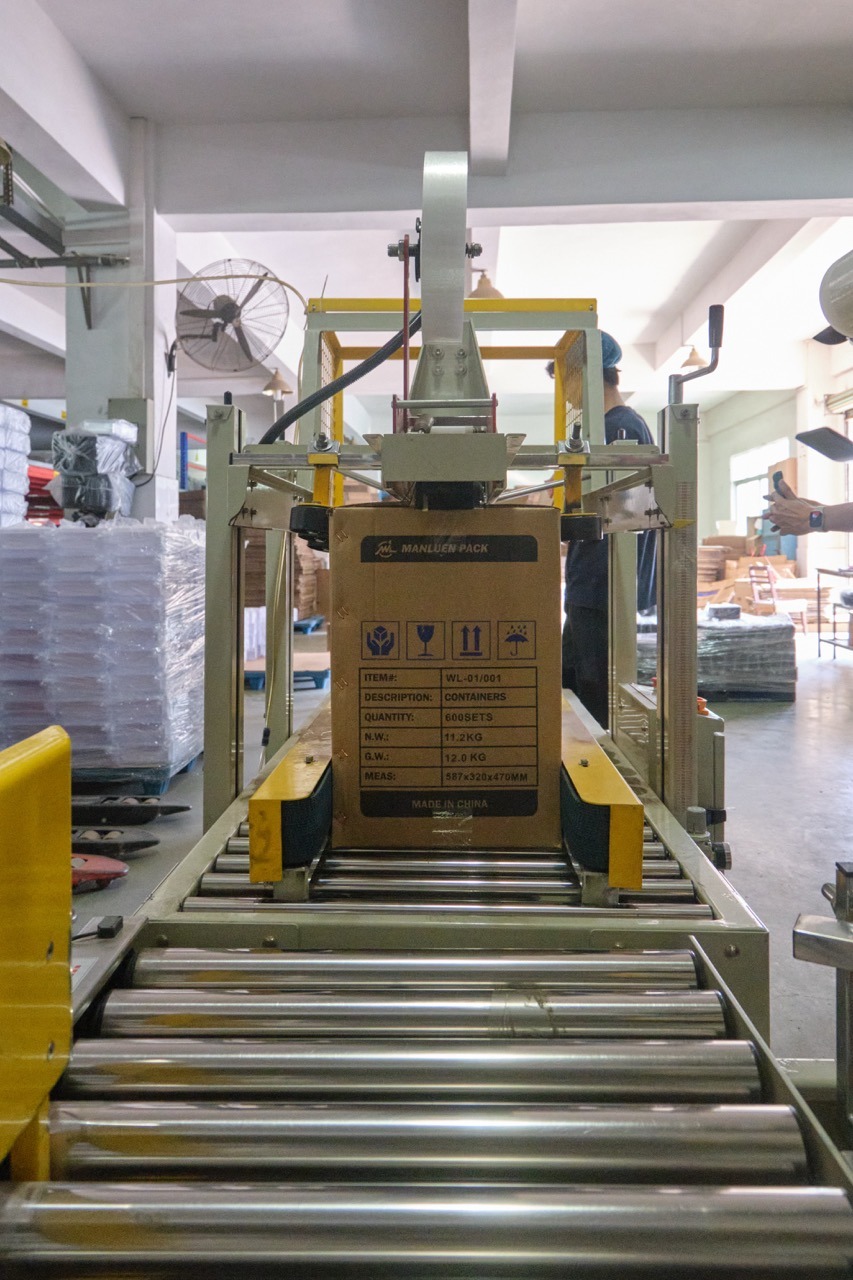
A trading company can be a useful sourcing partner, but buyers should know who manufactures the trays and who controls the tooling, material, inspection, and corrective actions. Ask for the legal company name, factory address, business licence, export entity, and bank beneficiary. Names should be consistent across the quotation, contract, invoice, certificates, and test reports.
During an on-site or live video audit, ask to see:
- Raw-material receiving and identification
- Thermoforming, injection-molding, or molded-fiber production lines used for the item
- Tooling storage and mold identification
- In-process inspection records and measuring equipment
- Finished-goods quarantine and release areas
- Batch coding and traceability records
- Carton packing, warehouse conditions, and loading procedures
- Recent production records for products of similar material and complexity
Do not accept a capacity figure without context. Ask how many lines can run your product, the normal output per shift, the changeover time, scheduled maintenance, peak-season loading, and backup plan. Then request a lead time for your actual order rather than relying on a generic promise.
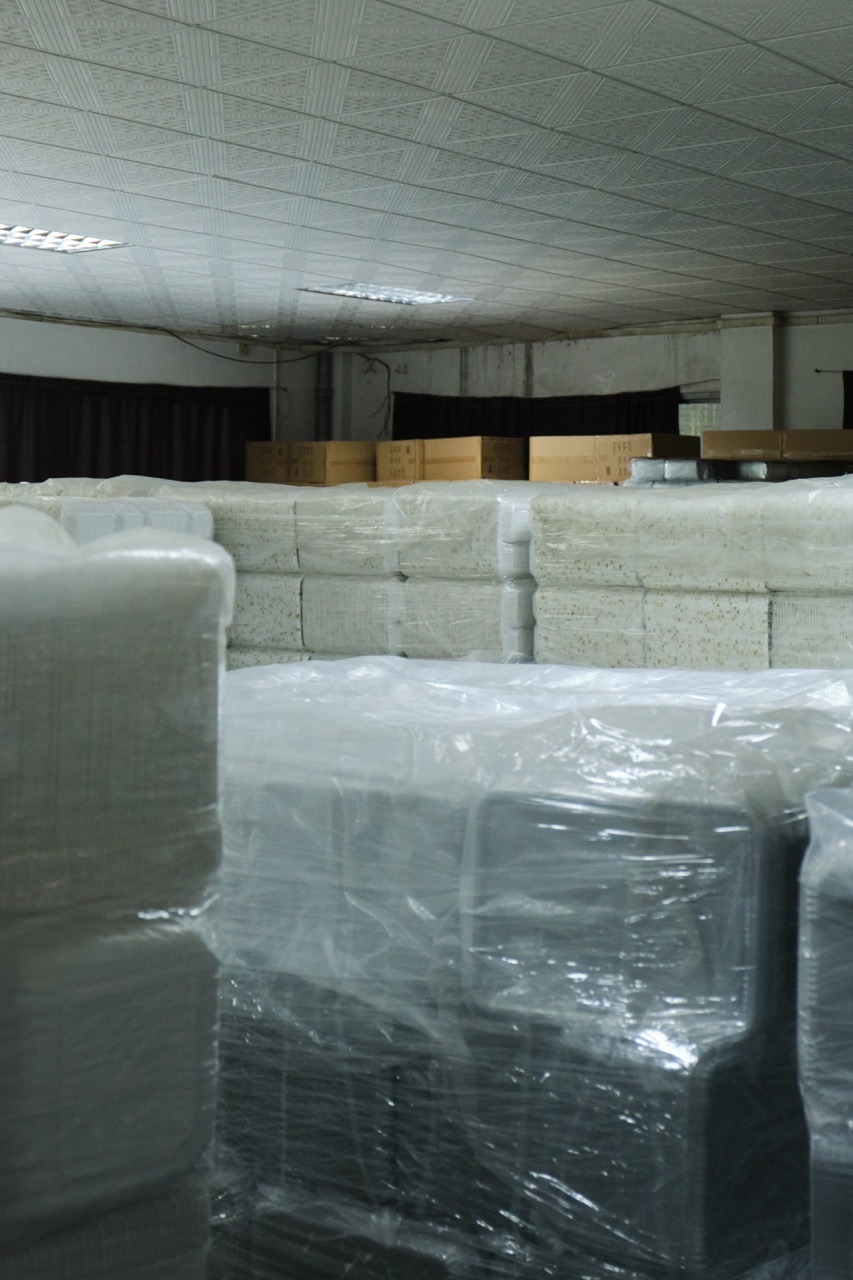
Step 5: Test Samples with Real Sushi and Real Handling
A clean empty sample can hide problems. Test the tray in the same way your restaurant, supermarket, or customer will use it. Use the planned food portion, labels, storage temperature, and delivery route.
- Measure it. Check the base, lid, internal height, rim, nesting, and unit weight against the drawing.
- Check lid fit. Close and reopen every sample. Look for loose corners, stress whitening, cracks, sharp edges, and lids that pop open.
- Run a chilled test. Fill the tray, refrigerate it, and check clarity, condensation, rigidity, odor, and appearance after the expected holding time.
- Simulate delivery. Stack filled trays in the delivery bag or carton and reproduce vibration, tilting, and normal handling.
- Test labels and seals. Confirm that labels adhere under refrigeration and do not interfere with opening or food visibility.
- Keep an approved sample. Sign and date the final sample or specification. Use it as the reference for production and inspection.
For small single portions, the WL-B03 red-and-gold sushi tray is one example of a compact decorative format. Larger assortments need a different footprint and lid height, such as the WL-11 party sushi tray. These examples show why buyers should test the exact model rather than approve a material name or catalogue photo.
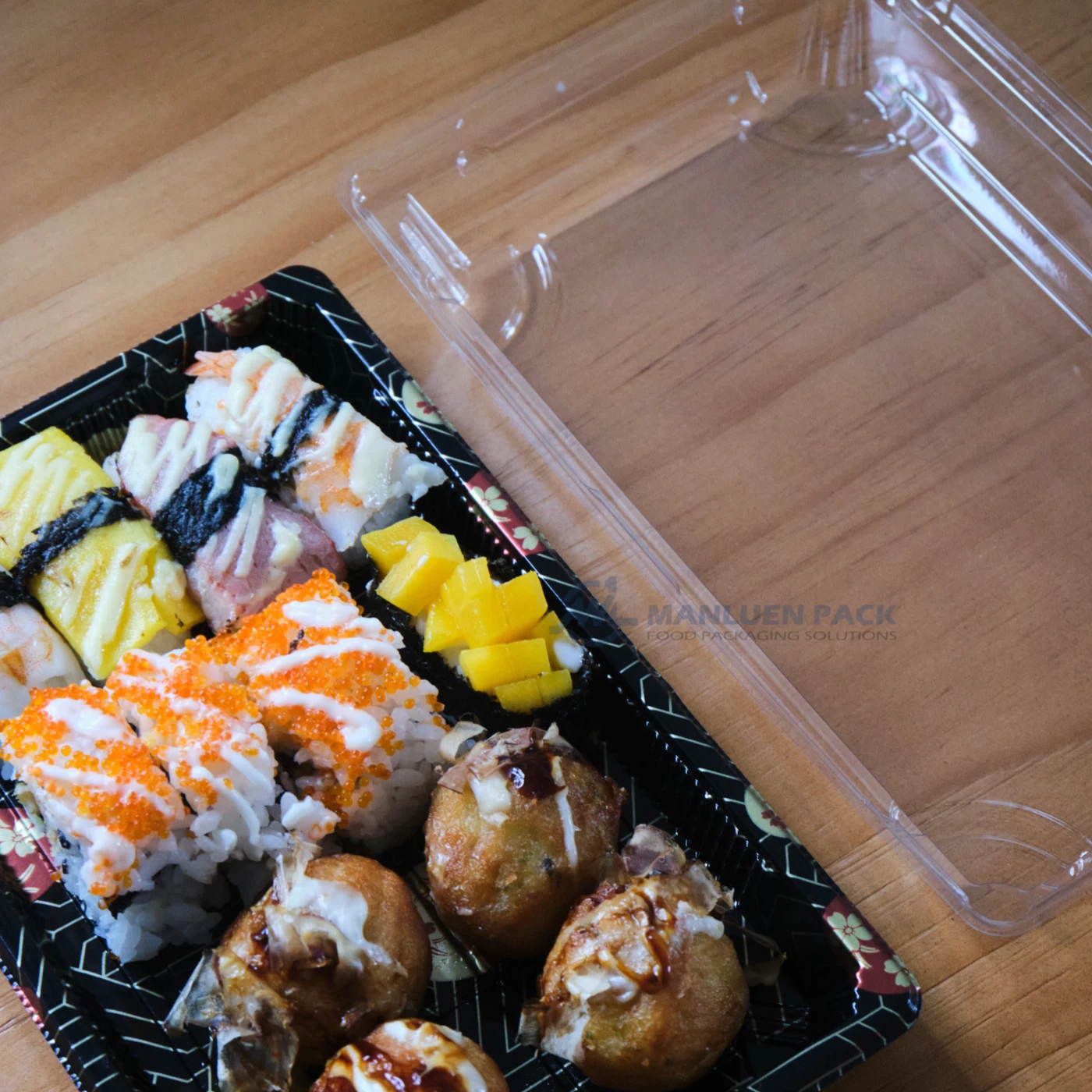
Step 6: Put Quality Requirements in Writing
“Good quality” cannot be inspected. Build a specification that defines measurable requirements. Include dimensions and tolerances, unit weight, material, color, appearance, rim condition, lid retention, stacking, carton packing, barcode, labeling, and odor. Define critical, major, and minor defects before production begins.
Agree on a sampling and acceptance plan suitable for the order and risk. The ISO 2859 series is commonly used for inspection by attributes, but the selected inspection level and acceptance limits must be stated in the purchase agreement. Food-contact contamination, wrong material, sharp edges, or a non-closing lid may require stricter treatment than a small cosmetic mark.
A sound control plan normally includes incoming-material checks, first-piece approval, in-process checks, finished-goods inspection, and pre-shipment release. For important or first orders, consider an independent inspection. Give the inspector the approved specification, reference sample, packing requirements, and defect classification. A generic instruction to “check quality” is not enough.
Step 7: Compare Complete Commercial Terms
Ask every supplier to quote the same specification and Incoterm. The quotation should separate:
- Unit price and price breaks by quantity
- Minimum order quantity for a standard model and for customization
- Tooling, plate, printing, or color-matching charges
- Sample and courier costs
- Inner packing, carton quantity, carton dimensions, gross weight, and pallet option
- Production lead time after artwork, sample, and deposit approval
- Payment terms and accepted currency
- Incoterm, named port or place, and quotation validity
- Tool ownership, maintenance, storage, and refund conditions
MOQ, lead time, tooling price, and freight change with the design, material, production schedule, destination, and shipment size. Treat fixed numbers found in general articles as examples only. Obtain written figures for the specific order.
FOB gives the buyer more control over the main transport, while CIF includes cost, insurance, and freight to the named destination port. Neither term covers every cost after arrival. State the named place and Incoterms edition in the contract, and have a freight forwarder calculate the landed cost. The wholesale party tray sourcing guide covers similar questions for larger serving formats.
Step 8: Prepare Shipping and Import Documents
Light, bulky packaging can be driven by volume rather than weight. Ask for the finished carton dimensions, pieces per carton, carton gross and net weight, and loading plan before confirming the order. Compare LCL and FCL on total landed cost, not freight alone. A loading estimate must use the actual carton and container plan; there is no reliable universal number of sushi trays per container.
Confirm document responsibilities before shipment. Depending on the transaction and destination, the file may include:
- Commercial invoice
- Packing list
- Bill of lading or air waybill
- Certificate of origin when required
- Product specification and applicable compliance documents
- Inspection report if agreed
- Insurance document where applicable
The importer remains responsible for meeting local customs and product rules. Confirm the tariff classification, duties, labelling, and food-contact obligations with a qualified customs broker or legal adviser before ordering. Do not rely on the supplier’s HS code or duty estimate without checking it for the destination country.
Supplier Red Flags
- The company refuses to identify the manufacturing site.
- The legal name or bank beneficiary changes without a clear explanation.
- Certificates, test reports, and quotations show different company names or addresses.
- The supplier sends a food-contact report that does not identify the resin, product, intended use, or test conditions.
- It describes every product as “FDA approved,” “microwave-safe,” or “100% recyclable” without product-specific support.
- It will not provide samples or resists a pre-shipment inspection.
- The quotation omits material, thickness or weight, carton data, tooling ownership, or the named Incoterm place.
- The lead time is unusually short but the supplier cannot show available capacity or a production plan.
- The price is far below comparable quotations and the supplier will not explain the difference.
Examples of Sushi Tray Formats to Discuss with a Supplier
A useful supplier should offer more than one shape and help match the format to the menu. The following ManLuen products illustrate different sourcing briefs:
- WL-B03 plastic sushi display tray: a compact red-and-gold format for individual portions and chilled display.
- WL-11 large sushi tray: an extra-large format for group orders, catering, and party assortments.
- WL-07 bagasse sushi tray: a molded-fiber base with a fitted clear lid for takeaway and prepared-food presentation.
- WL-09 large bagasse sushi box: a larger molded-fiber format for assorted sushi and shared portions.
These formats are not interchangeable. Confirm the exact dimensions, base and lid material, packing quantity, intended use, and current test documentation before ordering. Buyers who want a broader comparison can read the guide to disposable plastic sushi tray options.
A Practical RFQ Template
Send a short, complete request instead of asking only for a catalogue and “best price.” You can adapt this format:
Please quote a sushi tray and fitted clear lid for chilled takeaway and retail display. The tray must hold [food/portion], with target internal dimensions of [dimensions]. Preferred base material is [material], and the lid material is [material]. The product will be sold in [country/market]. Please provide the product specification, food-contact compliance documents, sample cost, MOQ, unit prices at [quantities], carton data, tooling or printing charges, production lead time, payment terms, and [FOB named port/CIF named port] price. Please also confirm whether the quoted model is standard or custom and who owns any new tooling.
Attach a drawing, reference image, menu portion, artwork, and inspection requirements when available. Ask the supplier to list every assumption and exception in its reply.
자주 묻는 질문
What is the best material for a sushi tray?
There is no single best material. PS, OPS, PET, PP, and bagasse serve different purposes. Choose according to food temperature, chilled-display needs, lid clarity, delivery conditions, local rules, and environmental goals. Verify the exact material combination and finished-product performance.
Are sushi trays from China FDA approved?
The phrase “FDA approved tray” is usually misleading. U.S. compliance depends on the food-contact substance, its authorization, and the intended conditions of use. Ask for the regulatory basis and supporting documents for the exact base and lid materials. The FDA’s food packaging and food-contact substance information explains this framework.
Can a plastic sushi tray go in the microwave?
Only if the supplier’s instructions and product-specific evidence cover microwave use. A resin code or the word PP does not prove that every finished container and lid are suitable for heating. Most sushi trays are designed for chilled food and should not be heated unless the exact SKU is clearly approved for it.
What MOQ should I expect?
MOQ depends on whether the product is a stocked standard model or a custom design, as well as the color, printing, material, production process, and carton configuration. Ask for separate MOQs for samples, plain stock, custom color, printing, and new tooling.
How should I verify a Chinese sushi tray supplier?
Confirm the legal company and manufacturing site, review the relevant certificates and product reports, conduct a factory audit or live video review, test samples, agree on a measurable specification, and arrange inspection. Pay to the verified contracting entity and put quality remedies in the purchase agreement.
What should I send when requesting a quote?
Send the food type, portion or piece count, dimensions, base and lid material, temperature and storage conditions, destination market, required documents, order quantity, customization, carton limits, delivery location, and preferred Incoterm. A clear RFQ produces quotations that can actually be compared.
결론
The right sushi tray supplier is the one that can repeatedly make the specified product, support its food-contact claims, and deliver it under clear commercial terms. Define the application first. Verify the factory and documents. Test the exact sample with real food. Then put the approved specification, inspection plan, tooling ownership, lead time, and remedies into the purchase agreement.
ManLuen supplies standard and customized sushi trays for restaurants, supermarkets, distributors, and food-service brands. To compare models or request product-specific documents and samples, send ManLuen your sushi tray specification.
References
U.S. Food and Drug Administration. Food Packaging & Other Substances that Come in Contact with Food. Used for the U.S. food-contact substance and intended-use framework.
U.S. Food and Drug Administration
Electronic Code of Federal Regulations. 21 CFR Part 177—Indirect Food Additives: Polymers. Used for the U.S. regulatory reference for food-contact polymers.
Electronic Code of Federal Regulations
European Union. Regulation (EC) No 1935/2004 on materials and articles intended to come into contact with food. Used for the EU framework requirements.
EUR-Lex
European Union. Regulation (EU) No 10/2011 on plastic materials and articles intended to come into contact with food. Used for the EU plastic food-contact requirements and Declaration of Compliance discussion.
EUR-Lex
International Organization for Standardization. Certification. Used to distinguish ISO standards from third-party certification.
International Organization for Standardization
International Organization for Standardization. ISO 28590:2017, Sampling procedures for inspection by attributes—Introduction to the ISO 2859 series. Used for the discussion of written sampling plans.
International Organization for Standardization
BRCGS. Packaging Materials Issue 7 FAQ. Used for the packaging-site management-system context.
BRCGS

ManLuen 플라스틱 포장 회사는 20년 이상 플라스틱 식품 포장 생산에 특화되어 있습니다. 저희 제품은 100% 순수 원료와 BPA-Free PP, PS, OPS로 만들어졌으며, FDA 및 유럽 표준을 준수합니다.
 KO
 EN
 ZH
 FR
 PT
 ES
 JA