
Introduction
Can you microwave food in a plastic container?
Yes—but only with the right plastic, under the right conditions, and with a clear understanding of what a microwave-safe label actually means.
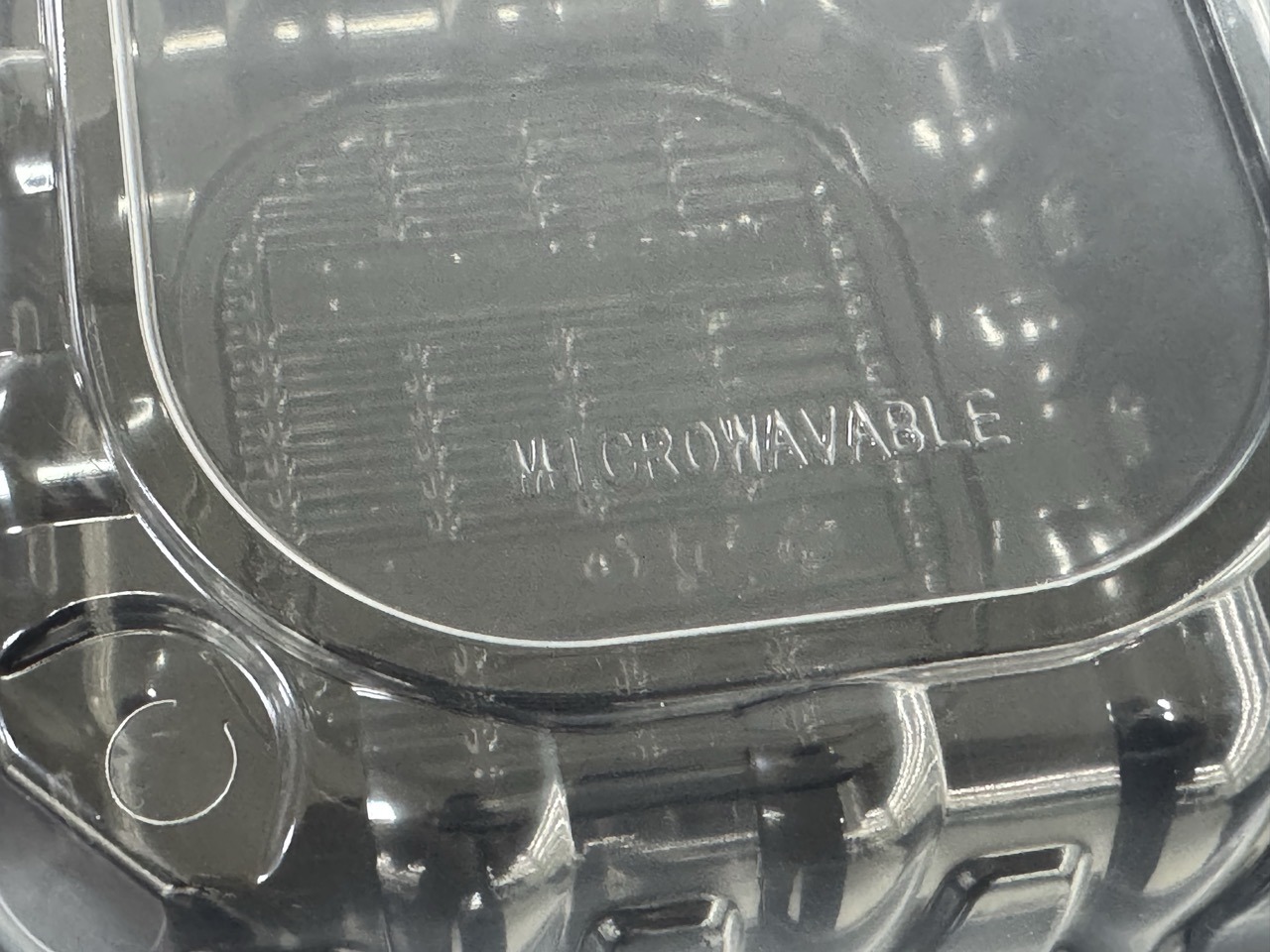
Most US households reheat leftovers in whatever container is closest: a takeout clamshell, a margarine tub, a leftover yogurt cup, or a reusable food container that has been through the dishwasher hundreds of times. Some choices are appropriate for reheating. Others are designed only for cold storage or single use.
This food packaging guide explains which plastic containers are suitable for microwave use, how to read resin codes, what the FDA regulates, what recent research says about microplastic release, and how to choose safer alternatives. It also provides a practical decision framework you can use before reheating food tonight.
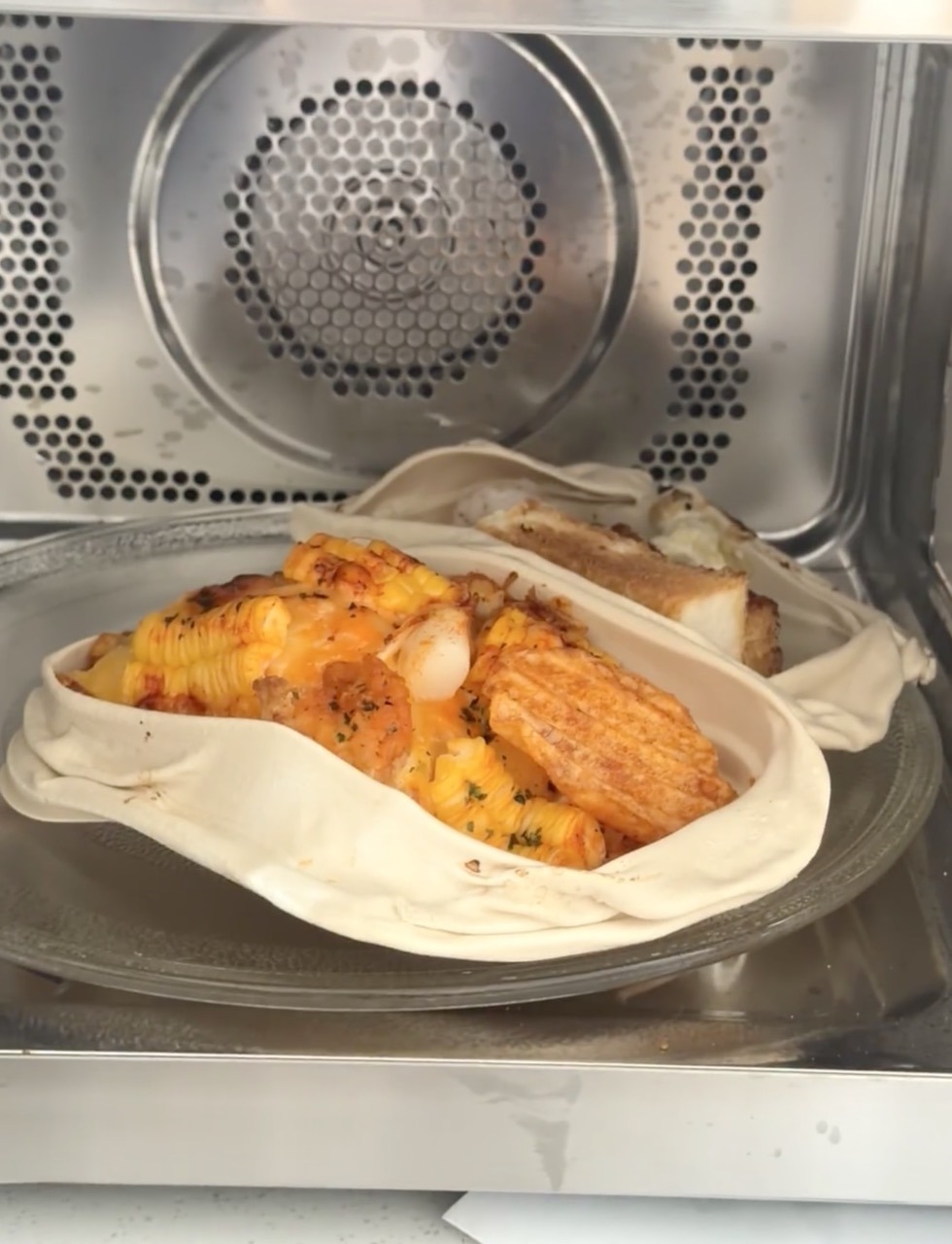
Can You Microwave Food in a Plastic Container? The Short Answer
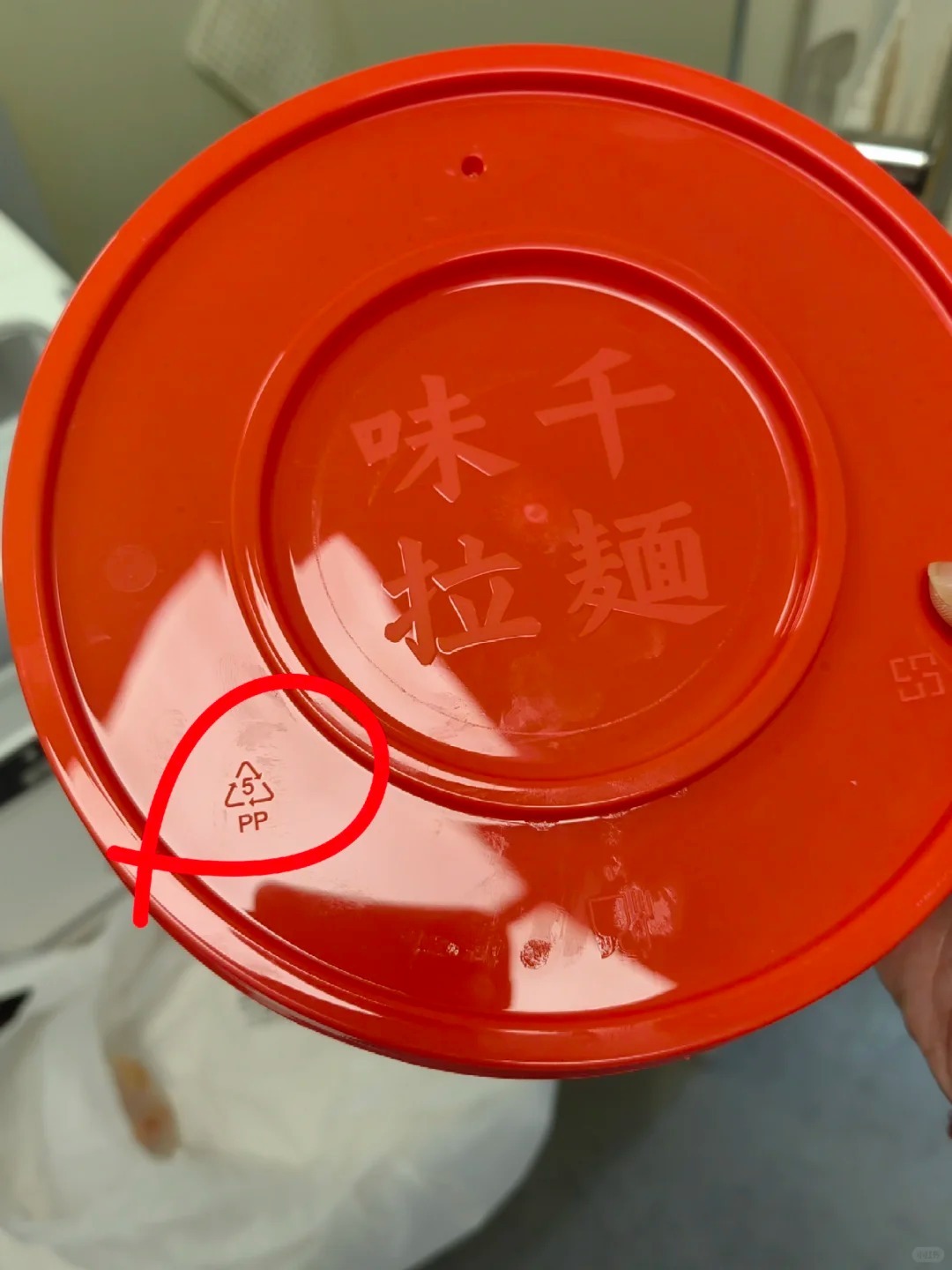
If you only have time to read one section, remember this: you can microwave food in a plastic container only when the container is specifically labeled microwave-safe and is in good condition. Among common food-contact plastics, polypropylene, identified by resin code #5 PP, is the most widely used option for microwave-safe food containers.
However, the resin code alone is not enough. A #5 PP yogurt cup, margarine tub, or disposable container may be designed for refrigerated storage rather than reheating. Always check the manufacturer’s microwave-use instructions.
What “microwave-safe” means
A microwave-safe label generally indicates that a container can withstand intended microwave heating without melting, cracking, warping, or catching fire. It does not necessarily mean that no chemical compounds or microscopic plastic particles can migrate into food under every condition.
Food-contact materials in the United States are regulated by the FDA according to their intended use. The assessment can include the type of food, contact time, temperature, and expected conditions of use. A container approved for cold storage is not automatically approved for hot food or microwave reheating.
“Won’t melt” is not the same as “nothing migrates”
Microwave performance has two separate dimensions:
- Structural performance: whether the container remains intact during heating.
- Chemical performance: whether substances from the material migrate into food.
A container may remain visibly intact but still be unsuitable for heating if it was not tested for hot, greasy, or acidic foods. For this reason, use the microwave-safe label, manufacturer instructions, material type, and container condition together—not just appearance—as your decision criteria.
Can You Microwave Food in a Plastic Container by Resin Code?
The resin identification code is the triangle of arrows with a number from 1 to 7. It identifies the primary plastic resin, but it is not, by itself, a universal safety certification. The following table provides a practical starting point for common food containers.
| Code | Polymer | Common Uses | Microwave Guidance |
|---|---|---|---|
| #1 PET | Polyethylene terephthalate | Water bottles, clear takeout clamshells, salad containers | Generally avoid unless explicitly labeled for microwave use |
| #2 HDPE | High-density polyethylene | Milk jugs, some bottles, butter tubs | Use only when specifically rated for microwave heating |
| #3 PVC | Polyvinyl chloride | Cling film and non-food packaging | Do not microwave unless the product is explicitly designed and labeled for it |
| #4 LDPE | Low-density polyethylene | Squeeze bottles, bread bags, freezer bags | Generally not suitable for reheating hot food |
| #5 PP | Polypropylene | Reusable food containers, deli tubs, soup containers | Commonly suitable when labeled microwave-safe |
| #6 PS | Polystyrene, including foam | Foam cups, foam takeout boxes, egg cartons | Do not microwave |
| #7 Other | Mixed or other resins | Polycarbonate, acrylic, PLA blends, specialty plastics | Do not assume safety; follow the product’s specific instructions |
#1 PET: Common in clear takeout containers
Polyethylene terephthalate, or PET, is widely used for bottled beverages, salad boxes, sushi trays, and clear takeout clamshells. These products are commonly designed for cold or room-temperature food and are often intended for single use.
A clear container may look sturdy, but appearance does not indicate microwave suitability. Unless the package specifically states that it is microwave-safe, transfer the food to glass or ceramic before reheating.
#2 HDPE: Stable, but not automatically microwave-safe
High-density polyethylene has good chemical resistance and is used for products such as milk jugs and some food tubs. However, many HDPE containers are made for refrigerated or room-temperature storage rather than hot food.
Do not place a #2 container in the microwave simply because it has a higher heat tolerance than PET. Look for an explicit microwave-safe symbol or manufacturer instruction.
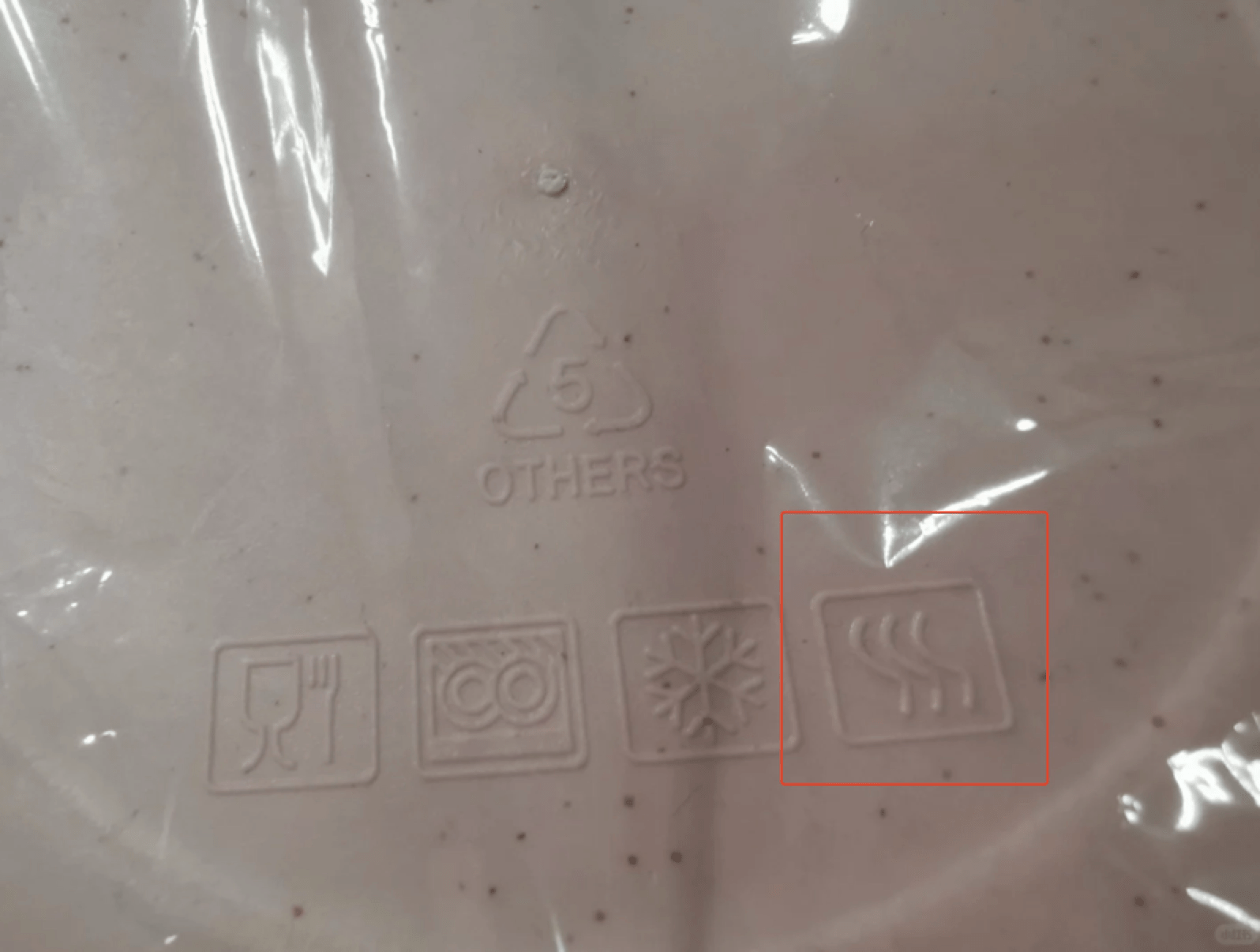
#5 PP: The most common microwave-safe food plastic
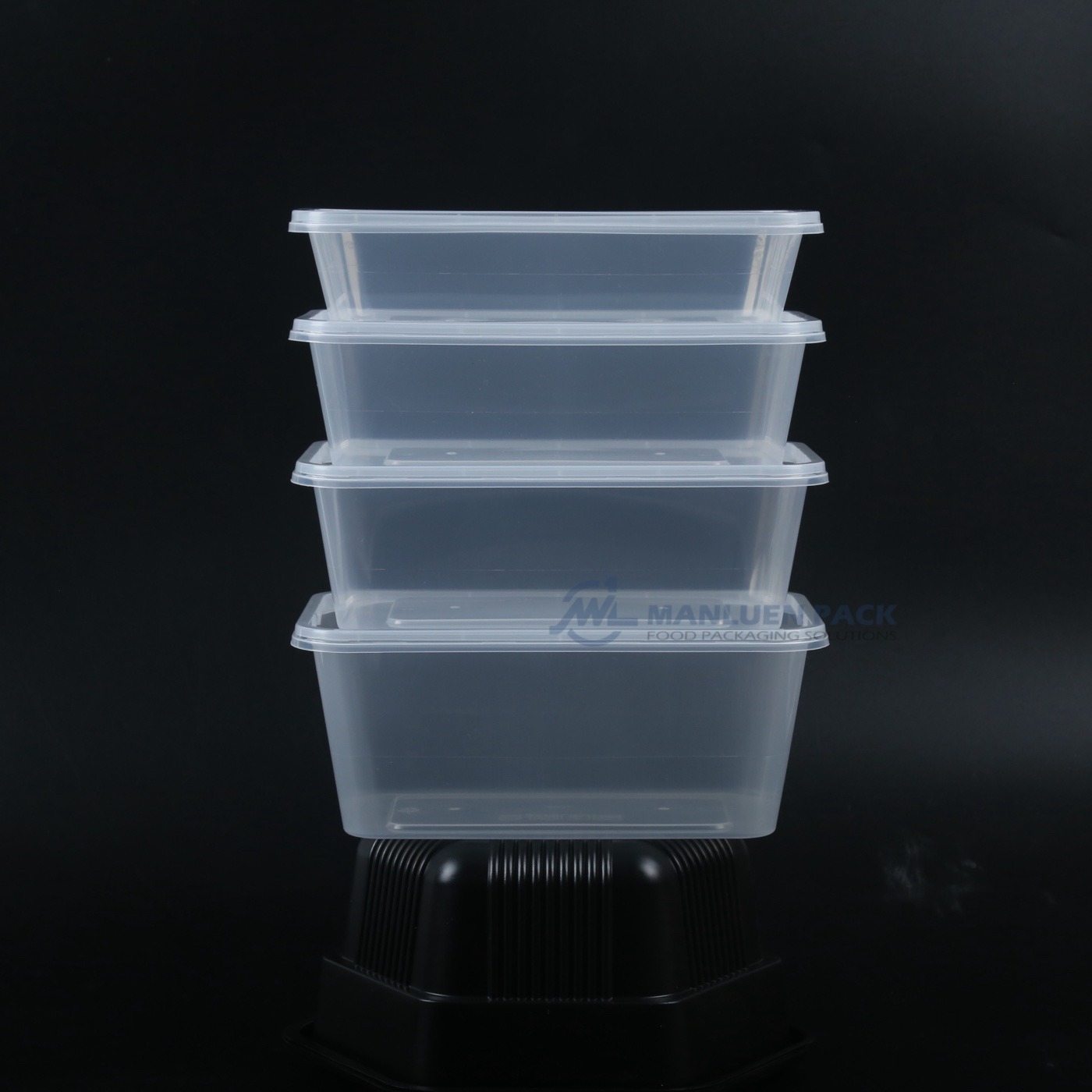
Polypropylene is the workhorse of microwave food packaging. It has a relatively high heat tolerance compared with many other common food plastics and is frequently used for hot soup containers, deli tubs, reusable storage containers, and prepared-meal packaging. Examples designed for reheating include the WL-50 50 oz microwave-safe deli bowl and the WL-2024 24 oz microwave-safe meal-prep bowl.
Choose food-grade, BPA-free polypropylene from a supplier that can provide documented food-contact compliance. Reputable packaging manufacturers commonly support their material claims with batch inspection, production controls, and market-specific documentation, such as FDA food-contact compliance for products sold in the United States.
Even with #5 PP, check the label. The specific formulation, wall thickness, lid, colorant, and intended use can affect whether the container is approved for microwave reheating. For a product-format example, see how a microwave-safe PP flip-top container is matched to its intended use.
#6 PS and foam: Do not microwave
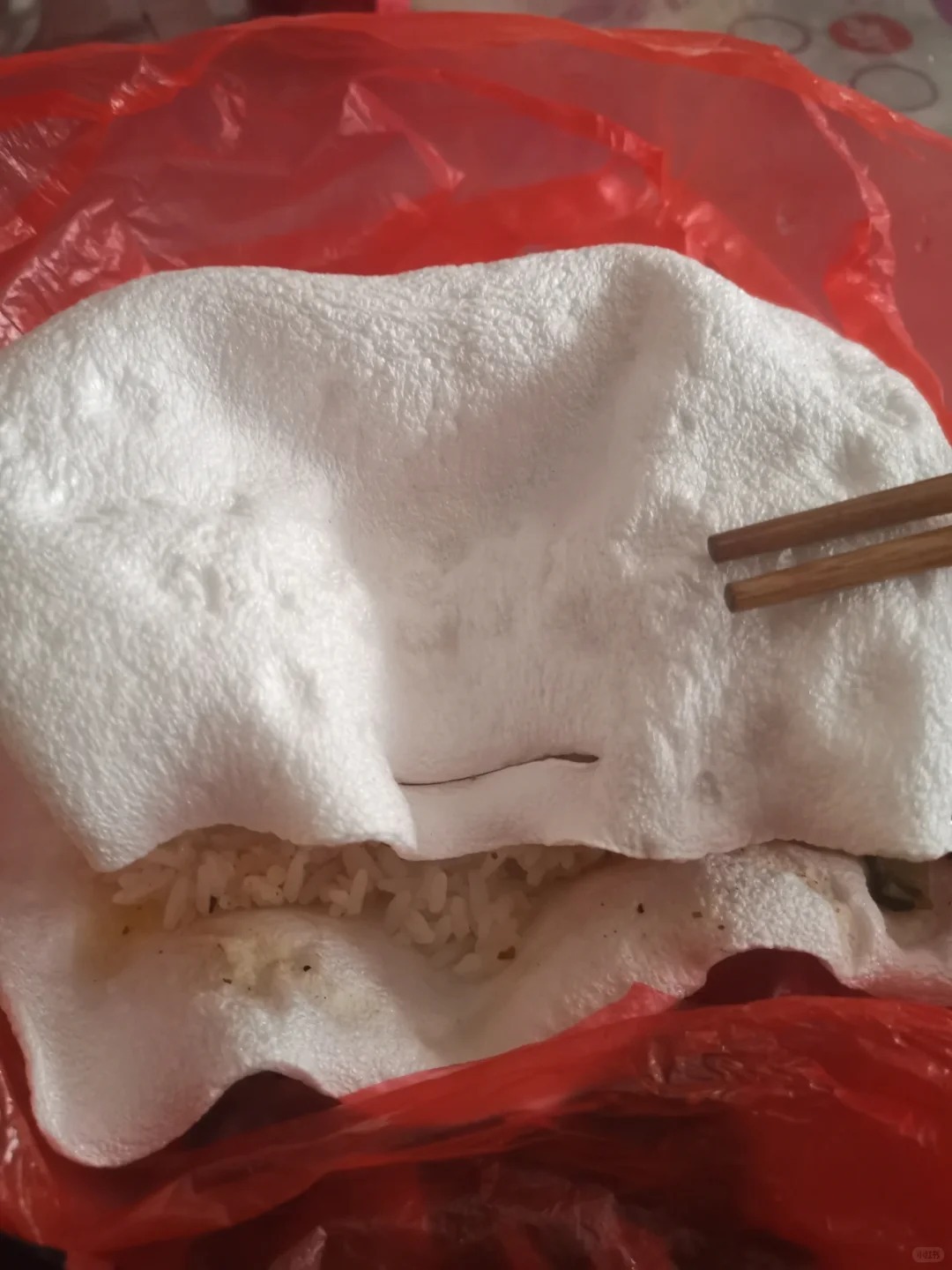
Polystyrene includes rigid plastic and expanded foam products often marketed as Styrofoam. Foam cups, foam plates, and foam takeout boxes are not appropriate for microwave heating.
Heat can soften or deform the material and may increase migration from the packaging into food. Transfer the food to a microwave-safe glass or ceramic dish instead.
#7 Other: Treat as unknown unless clearly labeled
Code #7 is a catch-all category. It can include polycarbonate, acrylic, PLA blends, and other resins that do not fit codes 1 through 6. Because the category contains many different materials, the number does not tell you whether the container is microwave-safe.
If a #7 container does not have clear manufacturer instructions, do not use it for reheating. The safest default is glass or plain ceramic.
What Recent Research Says About Microwaving Plastic
Public discussion about microwaving plastic often combines established guidance with emerging research. It is important to distinguish between measured release, biological possibility, and proven human health risk.
Microplastic release can increase during heating
Recent studies have examined the release of microplastics and other particles from food containers under different storage and heating conditions. Heating can increase stress on a plastic surface, especially when the container is old, scratched, warped, or exposed to high temperatures for extended periods.
Some widely reported 2026 research on polypropylene containers found substantially higher particle release during microwave heating than during refrigerated storage. Such findings are relevant because they show that even a plastic container designed for food contact may release measurable particles under certain conditions.
However, a measured increase in particle release does not automatically establish a specific level of harm for humans. Researchers still need to clarify exposure levels, particle composition, absorption, and long-term health effects.
Animal and laboratory studies require careful interpretation
Laboratory and animal research has investigated possible links between microplastic exposure, inflammation, oxidative stress, and changes in organ function. These studies help researchers understand potential biological mechanisms, but results from animals or cell cultures cannot be converted directly into a human risk threshold.
The practical lesson is not that one microwave cycle will cause immediate harm. A more cautious approach is to reduce avoidable exposure: use glass or ceramic when convenient, heat food for the shortest reasonable time, and replace worn plastic containers.
What the research means for everyday use
Current evidence supports a risk-reduction approach rather than an alarmist one:
- Use only containers labeled for microwave heating.
- Prefer #5 PP when plastic is necessary.
- Avoid heating food in disposable takeout packaging unless the package explicitly allows it.
- Use lower power and shorter intervals when reheating.
- Avoid heating very oily or acidic foods in plastic whenever practical.
- Replace containers that are scratched, cloudy, warped, cracked, or permanently stained.
Four Plastic Containers You Should Not Microwave
The resin code is useful, but certain container categories should be avoided even when the material appears familiar.
Single-use takeout clamshells
Clear takeout clamshells are often made from PET or another plastic designed for cold or warm food service. They are usually not intended for repeated heating.
Do not assume that a sushi tray, salad box, fruit container, or bakery package can go directly from the refrigerator to the microwave. Transfer the food first unless the packaging carries clear microwave-use instructions. Our guide to safe plastic materials for party trays explains how material choice and intended use affect larger serving formats.
Foam cups and takeout boxes
Expanded polystyrene foam can soften, deform, and become unstable when heated. Keep foam foodservice packaging out of the microwave and use a microwave-safe dish instead.
Plastic wrap without microwave instructions
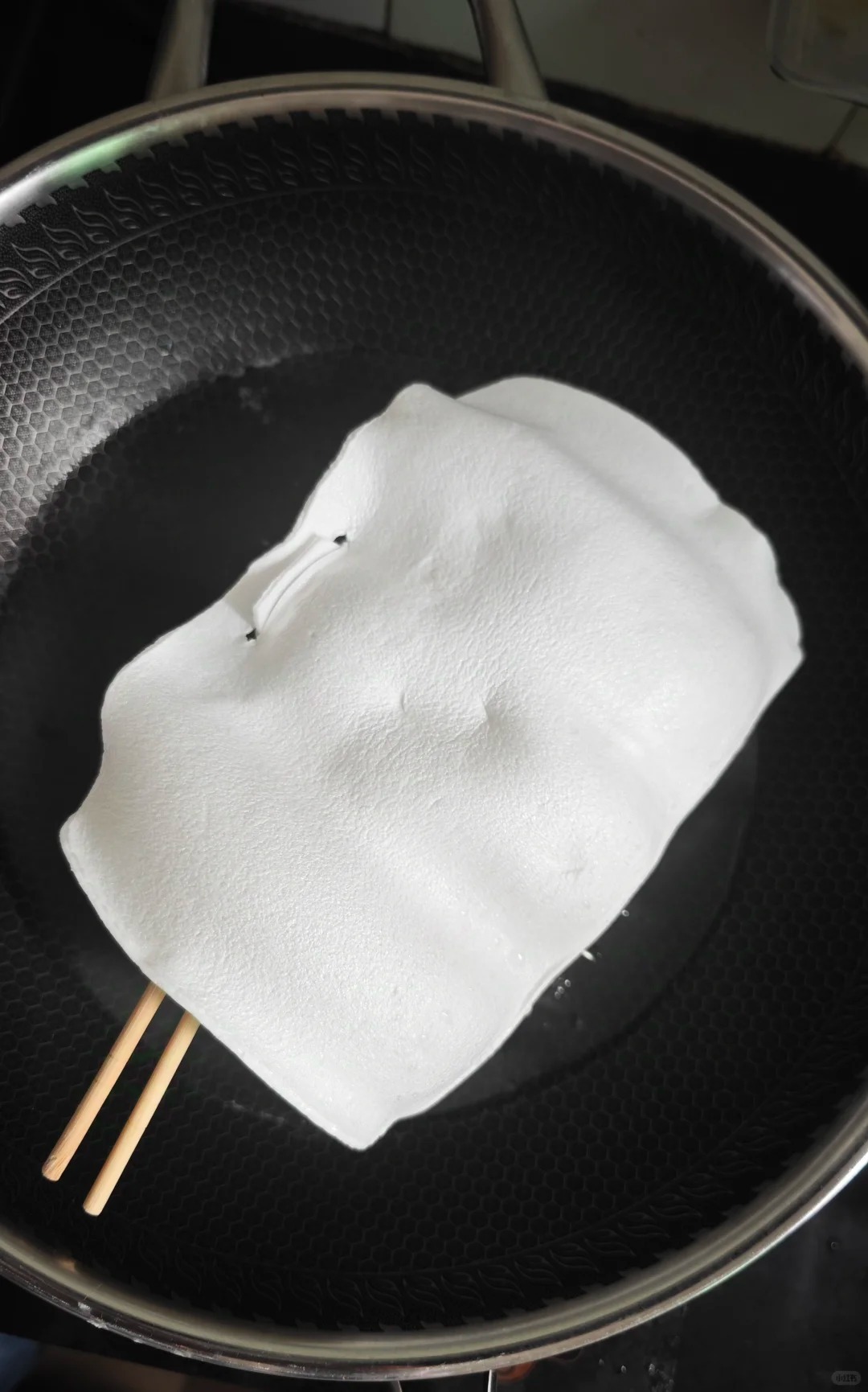
Standard cling film is not automatically suitable for microwave use. It can soften, shrink, or come into contact with food during heating.
Only use plastic wrap that is specifically labeled microwave-safe. Leave an opening for steam to escape, and keep the film from touching the food whenever the instructions recommend doing so.
Old, scratched, or warped reusable containers
A reusable container may have been microwave-safe when new but no longer be a good choice after extensive use. Scratches and cracks can make cleaning more difficult and may increase the surface area exposed to hot food.
Retire containers that show any of these signs:
- Deep scratches or cracks
- Warping or soft spots
- A persistent chemical odor
- Severe cloudiness
- A lid that no longer fits correctly
- Stains that cannot be cleaned
Cold-storage tubs, even when they are #5 PP
Many yogurt cups, margarine tubs, sour-cream containers, and similar packages use polypropylene. That does not necessarily mean they are designed for microwave reheating.
The container may have a thin wall, a lid that is not heat-resistant, or additives and dimensions that were evaluated only for cold storage. A #5 code identifies the resin; the microwave-safe label identifies the intended use.
How to Microwave Food in Plastic More Safely
When glass or ceramic is not available, follow this practical checklist.
Check the label and the bottom of the container
Look for:
- A microwave-safe symbol
- Written microwave-use instructions
- The resin identification code
- Maximum temperature or heating-time guidance
- Instructions for the lid and venting
If the container has no label, no manufacturer information, and no clear material identification, do not use it for reheating.
Use short heating intervals
Heat food in 60- to 90-second intervals and stir between cycles when possible. Short intervals reduce localized overheating and make it easier to stop if the container begins to deform.
Use medium power for longer reheating rather than full power whenever practical. The goal is to warm the food evenly without creating very hot spots.
Vent the lid
Steam can build pressure inside a sealed container. Leave the lid slightly ajar or use the container’s designated vent. Never microwave a tightly sealed plastic container.
Do not microwave a lid unless its instructions specifically permit it. In many cases, the lid uses a different material from the base and may have a lower heat tolerance.
Avoid overheating oily or acidic foods
Oil and acidic ingredients can increase the intensity of contact conditions at the food–package surface. Tomato sauce, greasy leftovers, and foods with concentrated oils can become much hotter than water-based foods.
When possible, transfer these foods to glass or ceramic before reheating.
Do not rely on the empty-container water test as a safety certification
A water test may help identify whether a container absorbs microwave energy, but it cannot establish that the container is chemically suitable for food contact during heating. It also cannot confirm compliance with FDA requirements or replace manufacturer instructions.
Use documented labeling and intended-use information as the primary decision tools. If those details are unavailable, choose glass or ceramic.
Safer Alternatives for Reheating Food
Glass containers
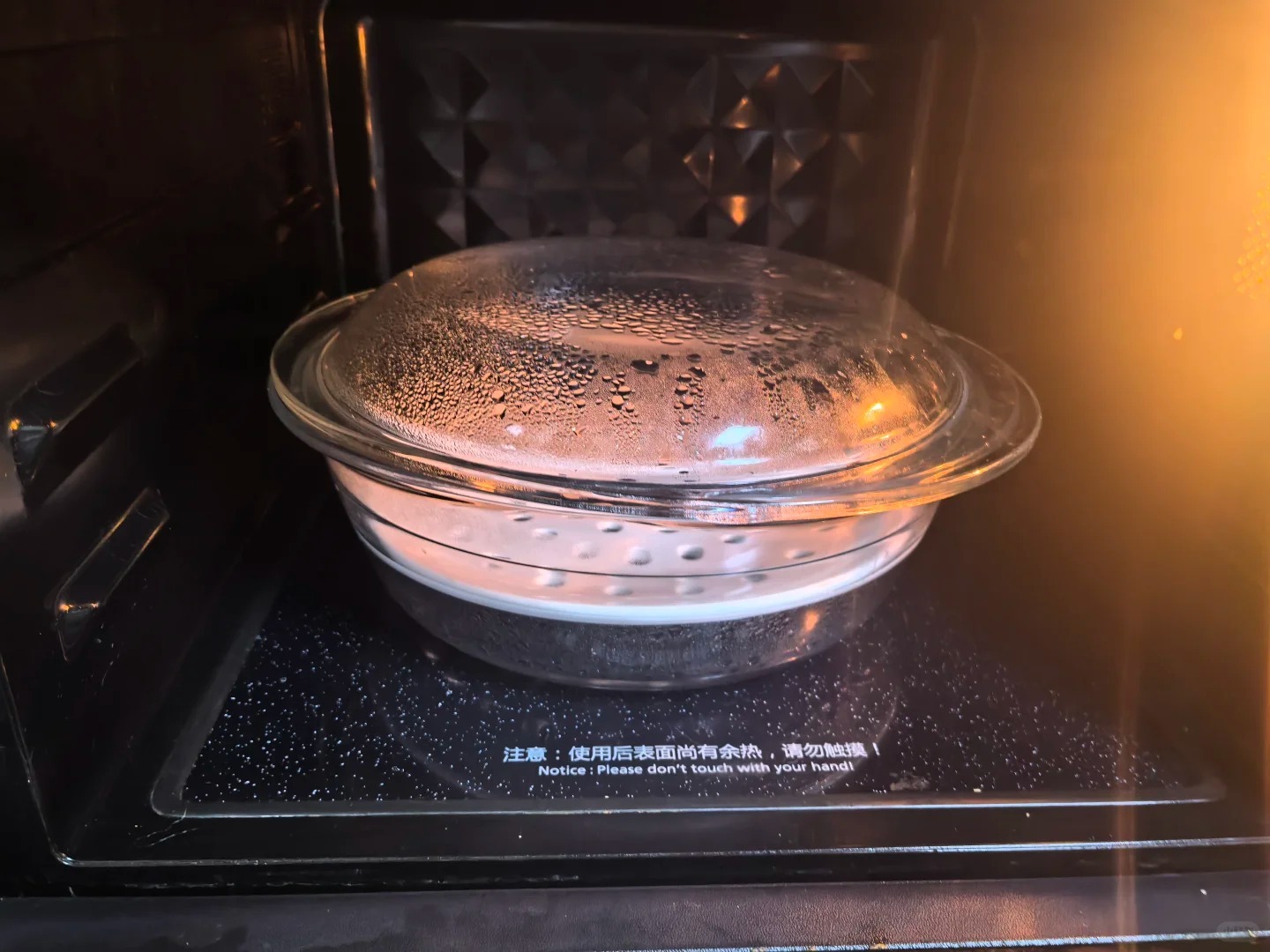
Tempered glass and borosilicate glass are practical choices for microwave reheating. They do not rely on plastic additives, do not typically absorb food odors, and can be reused for years when handled according to the manufacturer’s instructions.
Avoid sudden temperature changes, such as placing a very hot glass dish on a wet or cold surface. Check the product instructions for freezer-to-microwave use.
Plain ceramic dishes
Plain ceramic without metallic trim is also suitable for most microwave reheating. Avoid dishes with gold or silver decoration, metallic paint, or unknown decorative glazes.
Older or handmade ceramics may require extra caution because some glazes can contain lead or other metals. Use products intended for food service from a reputable source.
Stainless steel and aluminum
Metal containers should not be placed in a microwave unless the appliance and container manufacturer explicitly state that they are compatible. Metal can reflect microwave energy, create arcs, and damage the appliance.
For general household reheating, use glass or ceramic rather than experimenting with metal cookware.
When plastic remains practical
Plastic remains useful in foodservice, catering, delivery, travel, and commercial packaging because it is lightweight, durable, and less likely to break. In those situations, choose containers with:
- Clear microwave-use instructions
- Documented food-contact compliance
- Appropriate resin identification
- BPA-free material declarations where relevant
- Traceable manufacturing and quality-control records
- A design intended for the temperature and food type involved
For buyers sourcing food packaging, material compliance should match the destination market and intended use. A manufacturer serving US customers should be able to explain its FDA food-contact position and provide relevant documentation rather than relying only on a general BPA-free claim.
From a long-term regulatory perspective, food-packaging suppliers are also evaluating PFAS restrictions, recycled-content requirements, recyclability, and bio-based materials. Those sustainability considerations do not make every alternative automatically safer for microwave reheating, but they reinforce the importance of matching material, compliance, and use conditions from the beginning.
자주 묻는 질문
Can you microwave a #5 PP plastic container?
Yes, #5 polypropylene is commonly used for microwave-safe food containers. Confirm that the specific container is labeled for microwave use and is not scratched, warped, cracked, or intended only for cold storage.
Is it safe to microwave food in a Ziploc bag?
Only use a Ziploc bag or similar storage bag when the manufacturer explicitly labels it microwave-safe and provides heating instructions. Standard storage bags may soften, deform, or come into contact with hot food during reheating.
What happens if you accidentally microwave plastic?
If the container melted, warped, cracked, fused to the food, or produced an unusual odor, discard the food and the damaged container. If the container was labeled microwave-safe and remained intact, one accidental cycle is unlikely to indicate an immediate health emergency, but replace the container if you are unsure of its intended use.
Do microwave-safe labels mean that no chemicals can leach?
No. A microwave-safe label generally indicates that the container can withstand intended microwave heating. It is not a guarantee that absolutely no substance can migrate into food under every combination of heat, time, acidity, and fat content.
Can you microwave food in a plastic takeout container?
Only if the takeout container is explicitly labeled microwave-safe. Many clear PET clamshells and foam containers are designed for cold or warm food service, not microwave reheating. When in doubt, move the food to glass or ceramic.
Conclusion: Can You Microwave Food in a Plastic Container?
Can you microwave food in a plastic container? Yes, but only when the container is specifically rated for microwave use and remains in good condition. Among common food plastics, #5 PP is the most practical choice, while #1 PET, #6 PS, and unidentified #7 plastics should generally stay out of the microwave unless the manufacturer provides clear instructions.
For routine reheating, glass and plain ceramic remain the simplest choices. When plastic is unavoidable, use a documented food-grade container, select short heating intervals, vent the lid, avoid overheating oily or acidic foods, and replace containers that show wear. A microwave-safe label is useful guidance—but it is not a promise of zero chemical or particle migration.
References
U.S. Food and Drug Administration (FDA). Food Contact Materials and Substances Regulations.
Used for explaining food-contact safety requirements and regulatory evaluation of packaging materials.
U.S. Food and Drug Administration
National Institute of Environmental Health Sciences (NIEHS). Endocrine Disruptors.
Used for explaining BPA, phthalates, and other chemicals that may interfere with hormone systems.
National Institute of Environmental Health Sciences
Ong H.T., et al. Migration of endocrine-disrupting chemicals into food from plastic packaging materials: an overview of chemical risk assessment, techniques to monitor migration, and international regulations. Critical Reviews in Food Science and Nutrition.
Used for discussing chemical migration from plastic packaging under specific conditions.
PubMed
National Institute of Environmental Health Sciences (NIEHS). Bisphenol A (BPA).
Used for explaining BPA exposure pathways related to food-contact materials and consumer products.
National Institute of Environmental Health Sciences
Food Packaging and Endocrine Disruptors: Scientific Review.
Used for discussing endocrine-disrupting chemicals associated with food packaging materials and their potential impact on human health.
PubMed

ManLuen 플라스틱 포장 회사는 20년 이상 플라스틱 식품 포장 생산에 특화되어 있습니다. 저희 제품은 100% 순수 원료와 BPA-Free PP, PS, OPS로 만들어졌으며, FDA 및 유럽 표준을 준수합니다.
 KO
KO  EN
EN  ZH
ZH  FR
FR  PT
PT  ES
ES  JA
JA