
소개
The Japanese sushi tray market in 2026 is shaped by three practical issues: the food must arrive neatly, the packaging must comply with the destination market, and the total delivered cost must work for the buyer. A low unit price does not help if lids open in transit, trays crack under load, or the supplier cannot document the material.
Most buyers still choose among PET or recycled PET trays, PP trays, fiber-based bases, and compostable materials.
No single option is best for every order. Cold display, delivery distance, food temperature, local waste systems, branding, and target-market rules all affect the decision. Buyers can begin with Manluen’s 초밥 트레이 범위, then compare the exact material, size, lid and use conditions for each SKU.
This guide explains the main 2026 sourcing trends, compares common tray materials, and shows how to qualify a wholesale supplier without relying on vague claims such as “FDA approved,” “fully recyclable,” or “compostable.”
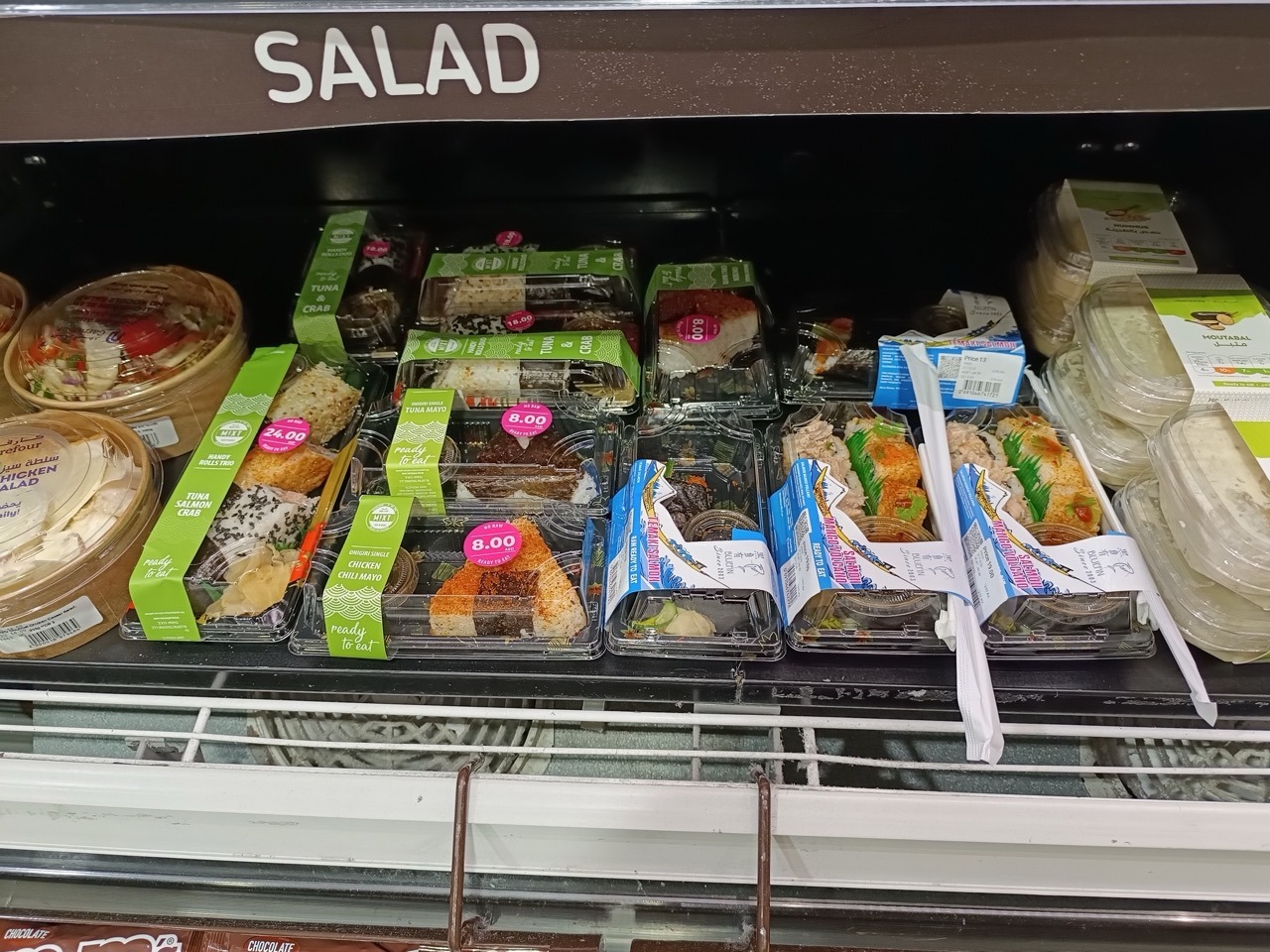
What Buyers Want From a Sushi Tray in 2026
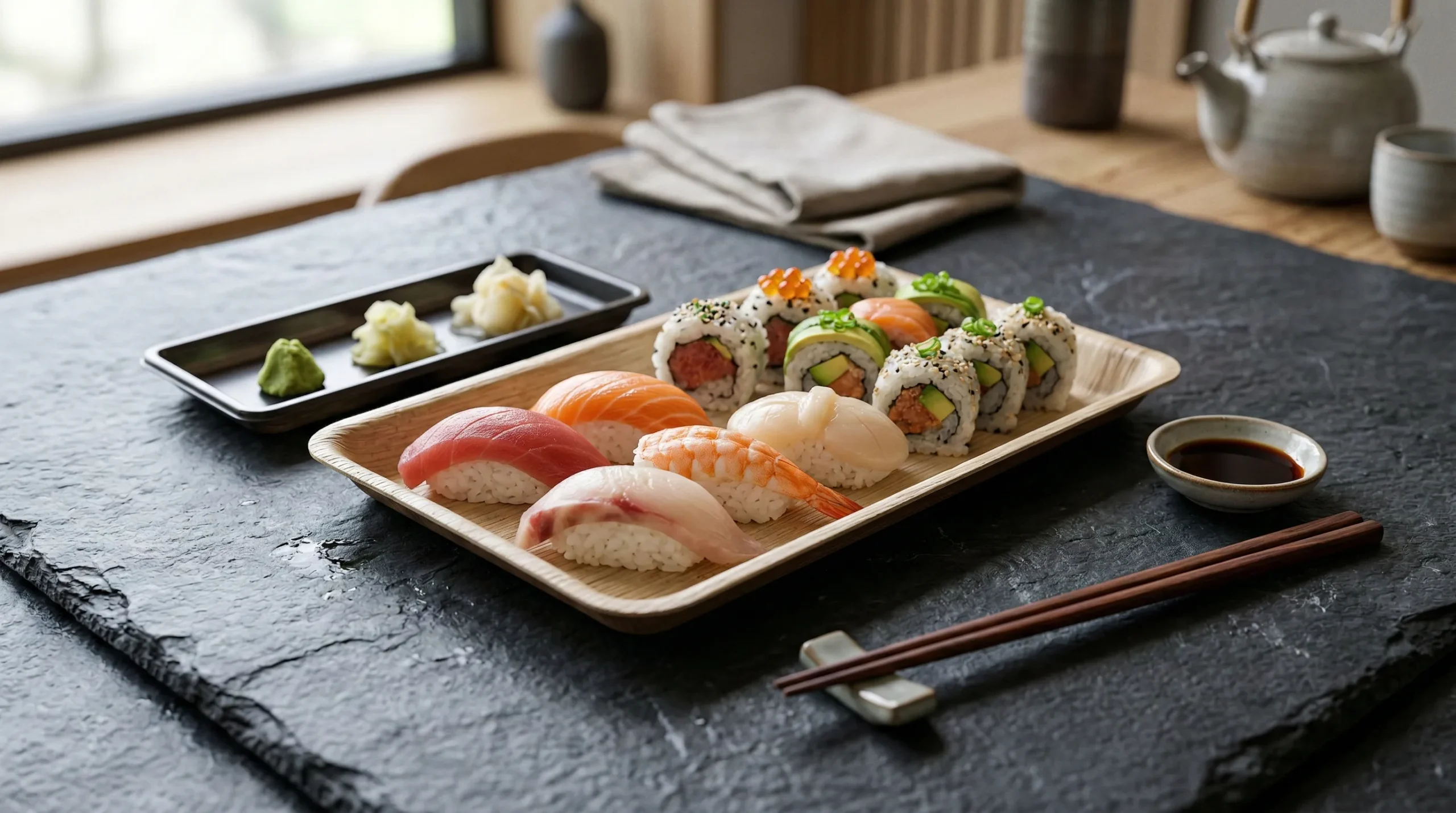
Sushi packaging has to do more than hold food. The base must stay rigid under chilled storage and delivery. The lid must remain closed without crushing rolls or garnishes. Clear presentation also matters because customers often judge freshness before opening the pack.
For wholesale buyers, the main market trends are straightforward:
- Better product visibility: Clear lids remain important for supermarket displays, takeaway counters and delivery orders.
- Material documentation: Buyers increasingly request resin identification, food-contact status, declarations of compliance and test reports for the actual product.
- Recycled-content and recyclability planning: European and UK rules now affect material selection, packaging records and sourcing costs.
- Lower transport waste: Stackability, carton strength and lid retention can matter as much as the tray’s purchase price.
- More precise formats: Restaurants and retailers want different footprints for single rolls, sashimi assortments, family platters and bento-style meals.
These trends also explain why a buyer should review both food packaging materials and the complete tray design. The base, lid, pigment, coating, adhesive and printed decoration can each affect performance or compliance.
Material Comparison for Japanese Sushi Trays
Material names alone do not prove suitability. Ask for the grade, thickness, intended food types and conditions of use. Test the finished base-and-lid combination with the actual menu.
| 재질 | Main Strength | Main Limitation | Typical Sushi Use |
|---|---|---|---|
| PET or recycled PET | Clear appearance and good stiffness for chilled display | Not automatically suitable for heating; recycling depends on local collection and the full pack design | Cold sushi, sashimi and supermarket display trays |
| PP | Useful where greater temperature tolerance or toughness is required | Clarity and local recycling acceptance vary by design and market | Bento meals, prepared foods and applications with wider temperature needs |
| Bagasse or molded fiber | Natural appearance and a fiber-based base | Moisture, oil resistance, coating and lid fit require careful testing | Short-hold takeaway and fiber-led presentation |
| PLA or other compostable plastics | Clear presentation with a certified compostable route for eligible products | Temperature limits and access to suitable composting facilities can restrict practical use | Cold food where a verified composting program exists |
PET and Recycled PET
PET is widely used for cold-food display because it can provide clarity and stiffness. Recycled PET may help buyers meet recycled-content goals, but “RPET” is not enough information for a purchase order. Ask for the recycled-content percentage, chain-of-custody documents where relevant, food-contact evidence, color tolerance and a sample from the intended production process.
A mono-material claim should also be checked against the complete pack. A PET base paired with an incompatible label, coating or lid may behave differently in the local recycling stream. Treat recyclability as a market-specific claim, not a universal property.
Polypropylene
PP is useful for applications that need more toughness or a broader temperature range. However, the material name does not make every PP tray microwave-safe. Heating suitability depends on the resin, additives, geometry and the manufacturer’s stated conditions of use. Buyers handling warm meals should read a material-specific guide such as microwaving food in plastic containers and obtain written instructions for the selected SKU.
Bagasse and Molded Fiber
Bagasse can give the tray a natural look and reduce reliance on an all-plastic base. It is not automatically leak-resistant, PFAS-free, home-compostable or suitable for every sushi sauce. Review the coating or treatment, test soy sauce and oily foods, and confirm whether the claim applies to the entire pack or only the fiber base. Our guide to bagasse packaging explains the difference between material origin and verified end-of-life performance.
PLA and Certified Compostable Packaging
PLA and other compostable materials can suit cold applications, but the buyer must verify the finished product rather than accept a resin-level claim. The Biodegradable Products Institute distinguishes commercial compostability from home compostability and maintains separate certification schemes. Ask for a certificate that identifies the product or SKU, and confirm that a suitable collection and composting route exists where the packaging will be discarded.
Choose the Tray Around the Menu
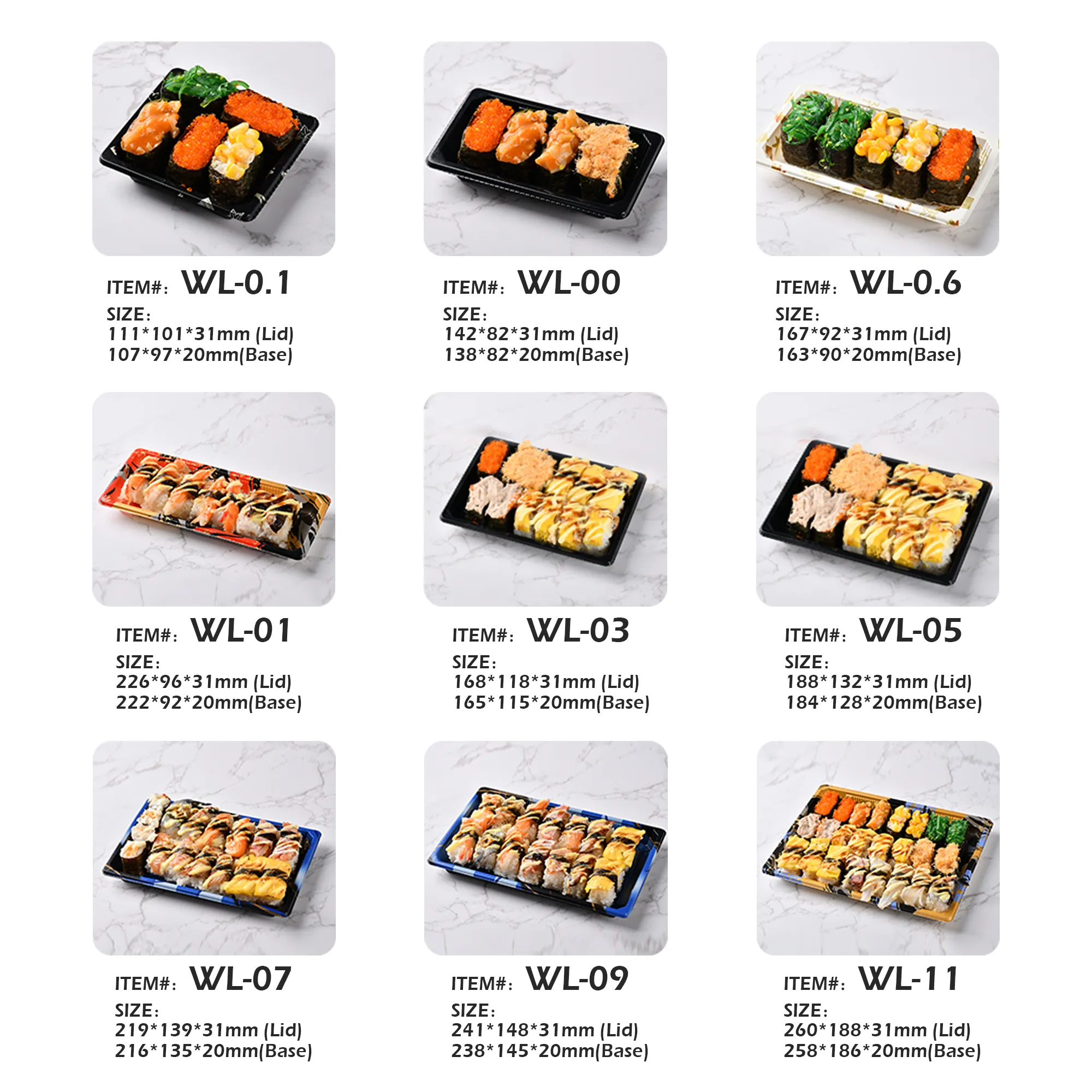
Start with the food, not the catalog photo. A single maki roll needs a different footprint from a sashimi assortment or a family platter. Buyers comparing formats may review the WL-11 large sushi tray with lid for larger presentations and the WL-B03 sushi display tray for smaller portions.
- Measure the food: Record the finished portion, garnish height and sauce-cup space instead of choosing by nominal capacity alone.
- Check lid clearance: The lid should not touch toppings, but excess headspace can let food move.
- Test the closure: Load, stack and shake samples under realistic delivery conditions.
- Test condensation: Cold sushi can fog a lid or soften fiber components if the pack is closed before the food reaches the correct temperature.
- Check nesting and denesting: Trays should separate reliably during busy service without cracking or slowing the packing line.
If the menu mixes sushi with side dishes, sauces or cooked items, compare the tray against bento box formats and broader 음식 저장 용기. A compartmented meal may need a different structure from a flat sushi display.
Regulatory Changes Buyers Should Track
Food-contact compliance is based on the complete composition and intended use. It is not a general approval badge for every item a factory produces.
United States
The FDA explains that the regulatory status of a food-contact material depends on each substance that may migrate under the intended use. A component may be covered by 21 CFR, GRAS status, a prior sanction, a Threshold of Regulation exemption or an effective Food Contact Notification. Buyers should use the FDA food-contact status guidance to understand what supplier documents actually mean.
Ask for the legal basis and test evidence that match the resin, color, additives, food type, temperature and contact time of the ordered SKU. A general “FDA certified factory” statement does not replace product-specific evidence. See also what food-grade packaging means before approving a supplier declaration.
European Union
Regulation (EC) No 1935/2004 remains the general framework for materials intended to contact food, while plastic materials also need to be assessed against applicable plastic food-contact rules. In addition, the EU Packaging and Packaging Waste Regulation, Regulation (EU) 2025/40, generally applies from 12 August 2026. It introduces packaging-wide requirements that include recyclability, labeling and recycled-content measures on phased timelines.
For an EU-bound sushi tray, keep food-contact compliance separate from PPWR compliance. One addresses safe food contact; the other also addresses packaging design and waste obligations. Both can affect specifications and documentation.
United Kingdom
The UK Plastic Packaging Tax applies to finished plastic packaging components containing less than 30% recycled plastic, subject to the law’s scope and exemptions. The official rate is £228.82 per tonne from 1 April 2026. Importers should confirm who is responsible for registration, evidence and recordkeeping before agreeing on the landed price.
How to Evaluate a Chinese Sushi Tray Supplier

China offers a wide range of standard and custom sushi packaging, but supplier comparison should focus on evidence and repeatability. Avoid ranking factories by an unverified marketplace badge or the lowest quote.
| Check | What to Request | Why It Matters |
|---|---|---|
| Product identity | SKU, drawing, dimensions, weight, material and color specification | Prevents the approved sample from being replaced by a similar-looking item |
| Food-contact status | Declaration, applicable legal basis and current reports for the exact construction | Connects compliance evidence to the ordered product and intended use |
| Closure performance | Base-and-lid fit data plus loaded transport samples | Reduces opening, crushing and leakage during delivery |
| Quality control | Inspection plan, defect definitions, sampling level and lot traceability | Creates an objective standard for acceptance |
| 용량 | Tool count, output, peak-season plan and contingency arrangements | Shows whether lead-time promises are realistic |
| Commercial terms | MOQ, tooling ownership, payment terms, Incoterm and claims procedure | Clarifies the real risk and cost before production |
Manluen buyers can review the company’s certification information, but they should still request documents for the exact sushi tray under consideration. Certification scope, report date and tested sample must match the purchasing decision.
A Practical Sourcing Process
- Write the use specification. State the food, fill temperature, storage temperature, contact time, delivery method and destination market.
- Shortlist the structure. Choose the tray material, lid type, footprint and decoration after comparing the actual menu.
- Request documents. Ask for the material specification, compliance basis, relevant reports, recycled-content evidence and certification details for any environmental claim.
- Approve samples. Test fit, stack strength, cold storage, condensation, sauce exposure and transport handling.
- Set measurable tolerances. Put dimensions, weight, color, closure force, defects and packing method into the purchase specification.
- Inspect production. Use pre-production approval and an agreed pre-shipment sampling plan.
- Review each repeat order. Confirm whether material, tooling, artwork or legal requirements have changed.
This process follows the same basic logic described in Manluen’s guide to choosing the right food packaging: match the package to the product first, then verify performance and compliance.
Calculate Total Landed Cost, Not Just Unit Price
Quotes cannot be compared fairly unless they use the same quantity, packaging configuration and Incoterm. A practical landed-cost model should include:
- tray and lid unit price;
- tooling, printing plates and sampling costs;
- inner bags, sleeves, cartons and pallet requirements;
- ocean or air freight and destination charges;
- customs duties, tax and brokerage;
- inspection and testing;
- warehousing and local distribution;
- breakage, poor lid fit, rejected lots and stockouts.
Divide the complete delivered cost by the number of usable sets received. This exposes a common sourcing mistake: the lowest factory price can become the highest operating cost when poor nesting increases freight volume or defects reduce the usable quantity. Buyers sourcing adjacent formats can use Manluen’s wholesale party tray sourcing guide for another view of supplier and logistics decisions.
2026 Packaging Trends Worth Watching

Design for Recycling
Buyers are paying more attention to compatible base, lid, label and adhesive combinations. The goal is not simply to call a tray recyclable, but to design it for the collection and recycling system of the destination market.
Verified Recycled Content
Recycled-content claims increasingly affect tax, reporting and customer requirements. Procurement teams should request evidence and keep it with the lot or supplier record instead of relying on a catalog statement.
Traceability and Digital Information
QR codes can connect users to ingredients, allergens, handling instructions or disposal guidance. In the supply chain, lot records and digital artwork approval can also make complaints easier to investigate. The technology is useful only when the underlying information is accurate and maintained.
Right-Sized Packaging
Reducing unnecessary material and empty space can lower freight and waste, but a thinner tray is not automatically better. Buyers should protect product quality first and validate any downgauging through compression, drop and delivery tests.
Questions to Ask Before Placing an Order
- What exact material and grade are used in the base and lid?
- Which foods, temperatures and contact times does the supplier authorize?
- Which documents apply to this SKU and production site?
- Does the tray fit the actual sushi portion, garnish and sauce cup?
- Can the supplier provide production samples for transport testing?
- What are the dimensional, weight and closure tolerances?
- What recycled-content, recyclability or compostability claims can be substantiated?
- What is included in the quotation and which Incoterm applies?
- Who owns any custom mold or printing tooling?
- How will defects, late delivery and replacement stock be handled?
For broader buying strategy, the article on wholesale disposable bento box planning covers assortment and margin decisions that also apply to sushi packaging distributors.
자주 묻는 질문
Which material is best for a Japanese sushi tray?
For cold retail display, PET or recycled PET is often chosen for clarity and stiffness. PP can suit applications needing greater toughness or wider temperature tolerance. Fiber and certified compostable materials can fit specific waste programs or brand goals. The best choice still depends on the food, temperature, delivery route and local disposal system.
Are sushi trays microwave-safe?
Do not microwave a sushi tray unless the supplier identifies that exact tray as suitable and provides the conditions of use. Clear PET sushi trays and many PLA items are commonly intended for cold use. Material type alone is not enough to approve heating.
Does FDA approve sushi trays?
The FDA regulates food-contact substances and their authorized uses; a general marketing statement that a finished tray is “FDA approved” can be misleading. Ask the supplier to identify the regulatory basis for every relevant component and provide evidence tied to the intended conditions of use.
What MOQ should a wholesale buyer expect?
MOQ depends on whether the tray is a stocked model, a custom color, a printed product or a new mold. Ask for separate MOQs for samples, standard stock, custom production and repeat orders. Do not assume one fixed quantity applies to every sushi tray.
결론
A good Japanese sushi tray protects presentation, closes securely and comes with documents that match the product and destination market. Begin with the food and distribution test, then compare material, compliance, quality control and total landed cost. Request samples before committing to volume, and put every critical tolerance and claim into the purchase specification.
When the size, material and order terms are clear, buyers can request a sushi tray quote with enough detail for the supplier to recommend a suitable standard model or custom option.
출처 및 추가 자료
U.S. Food and Drug Administration (FDA). Determining the Regulatory Status of Components of a Food Contact Material.
Used to explain the U.S. authorization routes for food-contact components and why intended use matters.
U.S. Food and Drug Administration
European Union. Regulation (EU) 2025/40 on Packaging and Packaging Waste.
Used for the PPWR application date and the 2026 packaging-policy discussion.
EUR-Lex
UK Government. Plastic Packaging Tax: Steps to Take.
Used for the recycled-content threshold and the tax rate applying from 1 April 2026.
GOV.UK
Biodegradable Products Institute. Compostability Certification.
Used to distinguish commercial and home compostability certification and support product-level verification.
Biodegradable Products Institute

ManLuen 플라스틱 포장 회사는 20년 이상 플라스틱 식품 포장 생산에 특화되어 있습니다. 저희 제품은 100% 순수 원료와 BPA-Free PP, PS, OPS로 만들어졌으며, FDA 및 유럽 표준을 준수합니다.
 KO
 EN
 ZH
 FR
 PT
 ES
 JA