
冷蔵食品ラインのパッケージを比較している購入者向けに、同じ素材、閉鎖方法、取り扱いチェックも適用されます 使い捨て寿司トレイ スーパーマーケット、レストラン、テイクアウトカウンターで使用される。.
重要なポイント
- 製品: Disposable Bento Box Market Trends 2025-2026: Complete Guide for Food Packaging Industry — a this food container engineered for takeaway, delivery, and food service operations.
- 素材: Food-grade PP (polypropylene) — BPA-free, microwave-safe, and FDA / EU compliant.
- 標準容量: 1ユニットあたり約570ml、個別の食事用に適しています。.
- 最適な用途: レストラン、ケータリング業者、フードトラック、小売の即食コーナー。.
- 調達先: 卸売りで入手可能 ManLuen FDA、EU、ISOの認証が記載された 認証ページ.
はじめに
The disposable bento box market in 2026 is being shaped by three practical needs: reliable takeaway performance, clearer food-contact documentation, and packaging that fits new sustainability rules. Restaurants and distributors are no longer choosing a box by price alone. They also compare compartment layout, lid fit, food temperature, transport conditions, and the rules in each target market.
Buyers can start with ManLuen’s disposable bento box range, then compare the format against the menu and packing line. For wider market data and supplier-selection guidance, see the core Disposable Bento Box Market 2026 report.
Actual product choices also show how varied the category has become. The WL-8520 large bento meal box suits larger takeaway portions, while the WL-8505 small bento box with lid gives buyers a more compact format. The right option depends on the food, not simply the listed capacity.
Why Demand for Disposable Bento Boxes Remains Strong
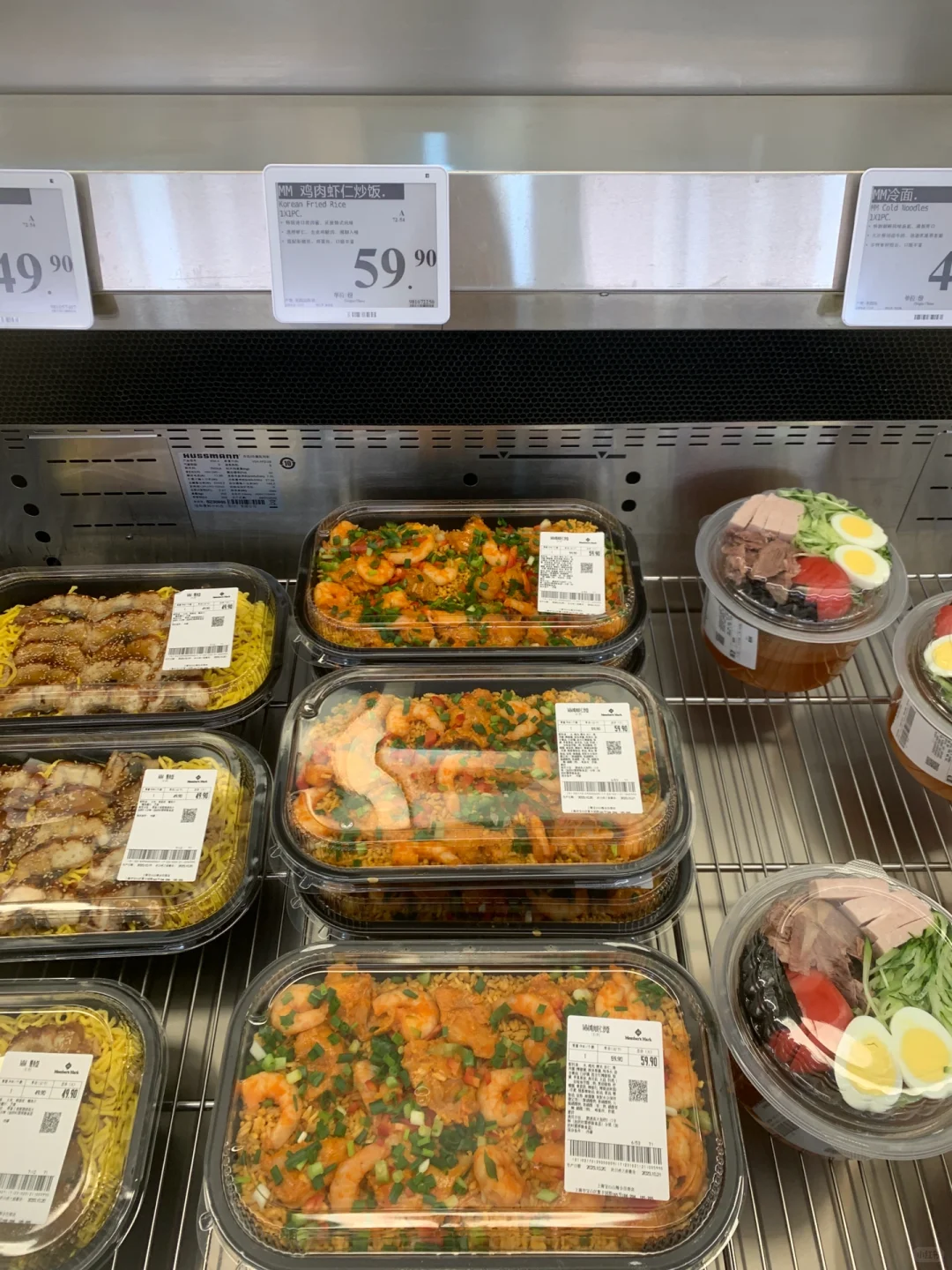
Takeaway, delivery, and drive-thru orders remain central to foodservice. The National Restaurant Association reported in 2025 that nearly 75% of U.S. restaurant traffic took place off-premises. That pattern supports demand for containers that can protect several meal components in one pack.
A bento box also helps operators standardize packing. Fixed compartments give staff a repeatable place for a main item, rice or another staple, vegetables, and condiments. This can reduce the number of separate cups or trays used for one order. Our guide to 使い捨てプラスチック弁当箱 explains the format in more detail.
What buyers now expect
- A compartment layout that matches real portions
- A lid that closes consistently on a busy packing line
- Stable stacking during storage and delivery
- Clear instructions for hot filling, chilling, freezing, or reheating
- Food-contact documents that match the exact body and lid
- Environmental claims that can be supported with evidence
Product Formats Buyers Are Comparing in 2026
There is no single standard bento box. Two-compartment, three-compartment, small-portion, and large-portion formats serve different menus. Lid design matters just as much as the number of sections. Buyers should test how quickly staff can close the box and whether the lid stays seated after stacking and transport.
| Format | Example | Typical Buying Consideration |
|---|---|---|
| Large meal box | WL-8520 large bento takeout box | Suitable for larger combinations; confirm overall size and case-pack efficiency |
| Compact bento box | WL-8505 small black bento box | Useful for smaller meals, sides, or lighter portions |
| Three-compartment box | WL-3C three-compartment bento box | Keeps a main dish and two sides separate |
| Two-compartment box | WL-2C two-compartment bento box | Provides a simpler split for a main item and one side |
Do not choose from the product name alone. Ask for internal compartment dimensions and test the container with the largest and most difficult meal on the menu. A fitted lid can reduce spills, but buyers should still test thin sauces, oily foods, overfilling, side pressure, and delivery vibration. The bento box with lid guide provides a practical lid-testing checklist.
Material Trends: PP, PET, rPET, Bagasse, Paper, and PLA
Material choice should begin with the food and conditions of use. The best material for a chilled display meal may be wrong for a hot takeaway order. Buyers who need a broader introduction can review the guide to food packaging materials.
| 素材 | Common Strength | Main Limitation to Check | Typical Application |
|---|---|---|---|
| PP | Good toughness and broad temperature capability | Microwave suitability must be confirmed for the finished container and lid | Hot meals, meal prep, takeaway |
| PET | High clarity and strong presentation | Standard PET is generally selected for cold use rather than microwave reheating | Cold meals, salads, chilled display |
| rPET | Uses recycled PET content | The recycling process and intended food-contact use require suitable controls and documentation | Cold food and display packaging |
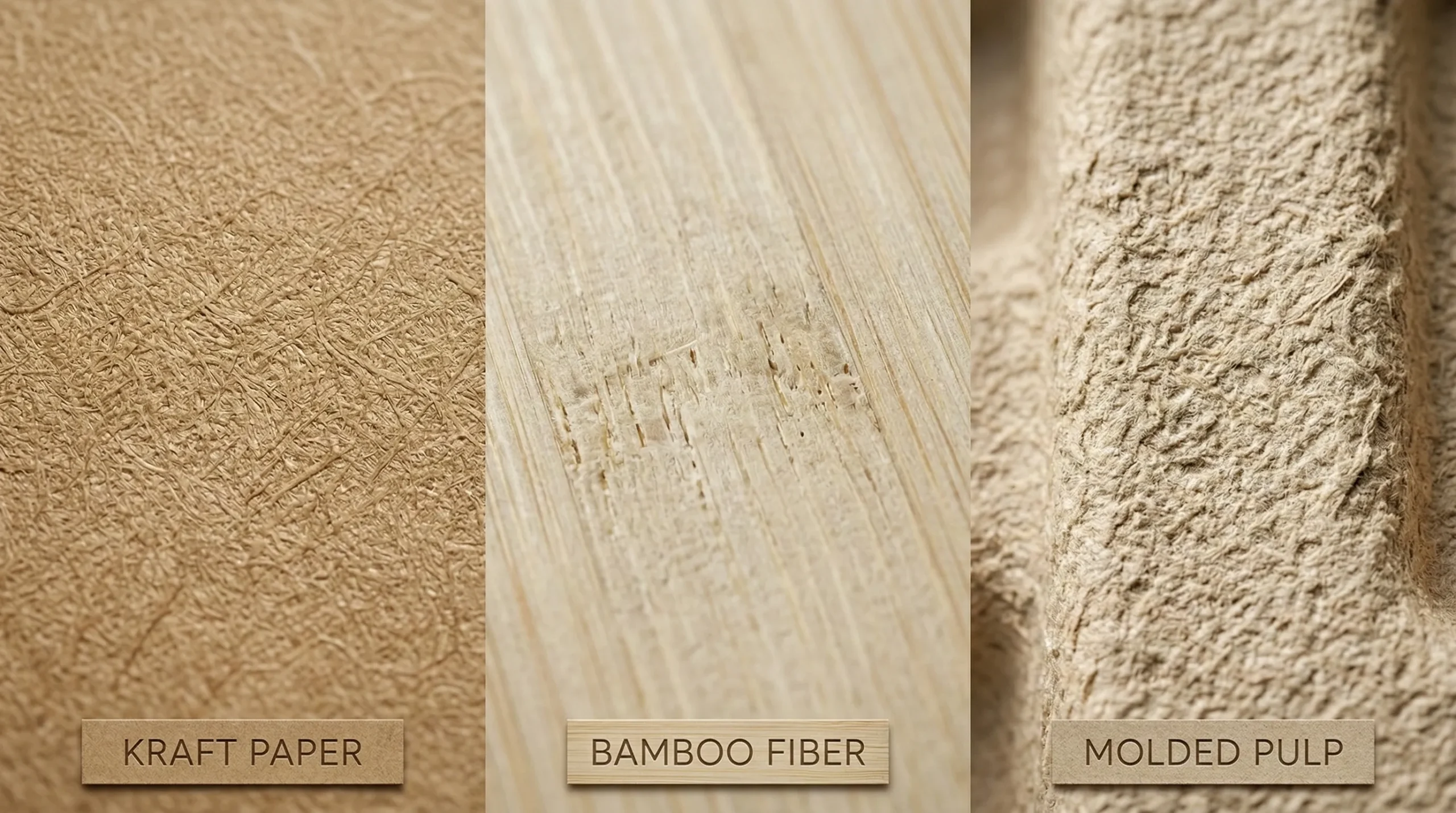
| サバージェス | Rigid molded-fiber format with a paper-like appearance | Oil, moisture, coating, PFAS, and compostability claims need product-specific evidence | Hot meals and short-service takeaway |
| Coated paperboard | Printable surface and familiar paper presentation | Barrier coating affects heat, grease, recycling, and composting performance | Dry foods and selected takeaway meals |
| PLA or other compostable plastics | Can support certified compostable packaging systems | Heat limits and access to suitable composting infrastructure must be checked | Cold foods or applications covered by the product specification |
Material labels do not provide a complete environmental answer. Recycling access, contamination, coating, food residue, transport, and local waste systems all affect the result. The ManLuen sustainable food packaging guide explains how to compare suppliers without relying on a single material claim.
Food-Contact Compliance Is Product-Specific
Terms such as “food grade” and “FDA approved” are often used too broadly. The FDA explains that the regulatory status of a food-contact material depends on the individual substances in the finished article and the conditions of use covered by the applicable authorization. A supplier should be able to identify the basis of compliance for the body, lid, colorants, additives, coatings, and other relevant components.
For U.S. sales, buyers should ask which regulation, Food Contact Notification, Threshold of Regulation exemption, GRAS basis, or prior sanction supports the intended use. The answer must also match the food type, contact time, and temperature. ManLuen’s plastic food packaging compliance guide translates these requirements into a buyer checklist. The guide to food-grade packaging explains why a general resin description is not enough.
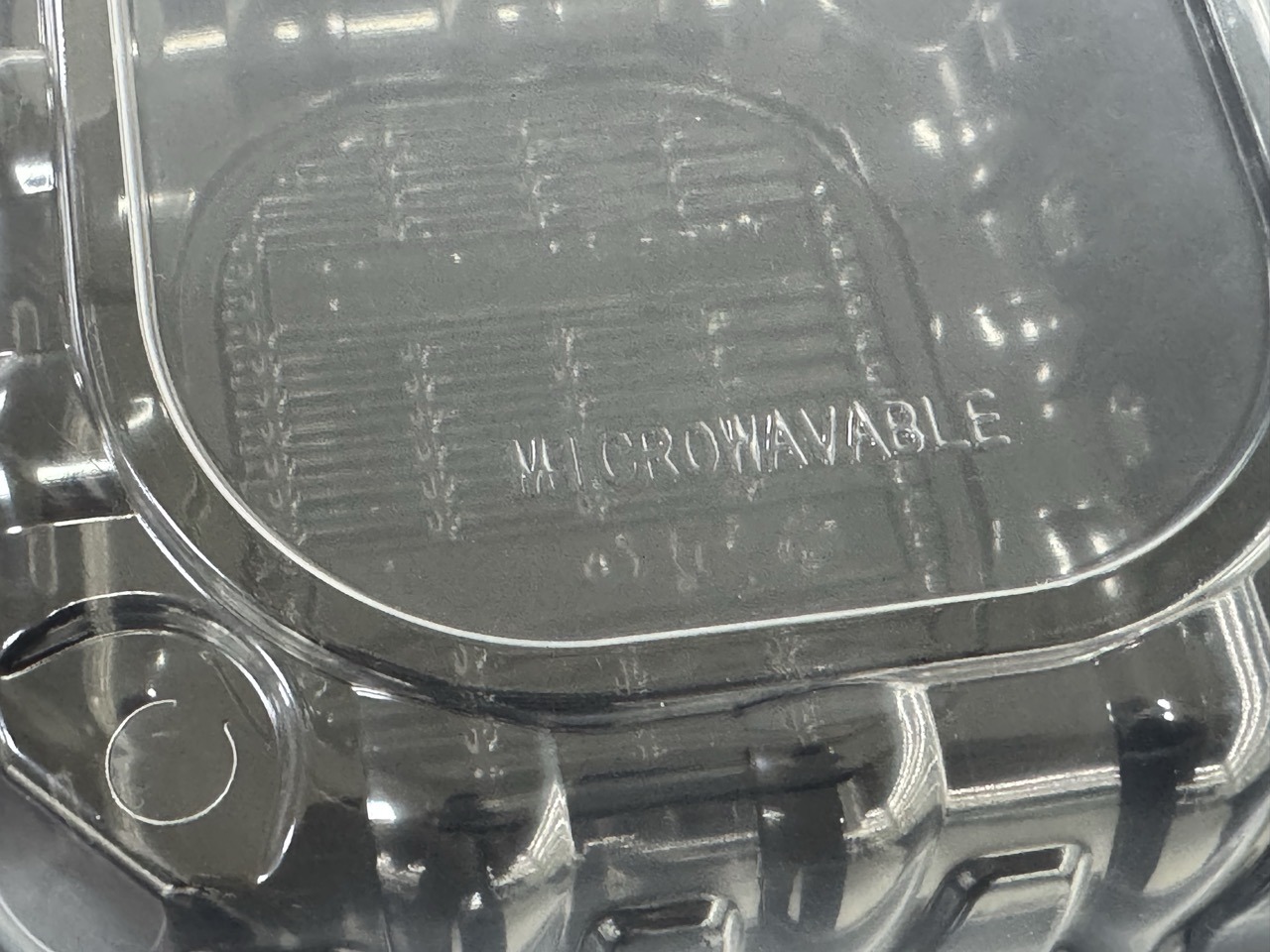
Microwave claims need separate verification
PP is often used for reheatable containers, but not every PP box or lid is suitable for microwave use. Buyers should confirm the exact time, temperature, food type, and lid instructions stated for the finished product. They should also test oily foods, which can create local hot spots. See the guide to microwaving food in plastic containers before approving a reheating claim.
PFAS Rules Now Affect Material and Supplier Choices
PFAS requirements need careful wording because the rules do not apply to every material in the same way. In January 2025, the FDA determined that 35 Food Contact Notifications covering PFAS-containing grease-proofing substances for paper and paperboard food packaging were no longer effective. The agency set June 30, 2025 as the compliance date for certain existing stocks covered by its notice. This action concerned specified grease-proofing uses in paper and paperboard. It should not be rewritten as a blanket FDA ban on every PFAS use or every plastic bento box.
For EU sales, Regulation (EU) 2025/40 on packaging and packaging waste now applies from August 12, 2026. It includes PFAS concentration limits for food-contact packaging placed on the EU market from that date. Buyers should obtain product-specific declarations and test evidence when the material, coating, or target market makes PFAS relevant.
U.S. state requirements can go beyond federal rules and may use different definitions, thresholds, and effective dates. Instead of relying on a static state table, confirm the law for every state where the product will be sold.
Where Disposable Bento Boxes Are Used
Restaurants and delivery kitchens
Multi-compartment boxes are useful for rice meals, grilled items, curries with separate sides, combination lunches, and other menus that need separation. Delivery operators should focus on lid retention, stack stability, venting, and bag fit.
Supermarkets and ready-meal counters
Retail buyers often need clear product identification, shelf presentation, barcode space, and repeatable stacking. Cold-display meals may favor clarity, while hot counters may place more weight on temperature resistance and lid performance.
Catering and hospitality
Caterers need fast packing and consistent portions across a large number of meals. The best box is one that staff can fill and close reliably without slowing service.
Meal-prep programs
Meal-prep businesses use compartments to separate proteins, vegetables, and staple foods. They should test refrigerator or freezer storage, condensation, reheating, and repeated stacking throughout the planned shelf life.
How to Qualify a Bento Box Supplier
- Define the use before requesting a price. Give the supplier the food type, fill temperature, storage conditions, reheating method, portion size, and target market.
- Request product-specific documents. Ask for the material specification, declaration of compliance, applicable migration report, and any PFAS or recycled-content documents required for the destination market.
- Check that the report matches the product. The SKU, material, color, lid, and conditions of use should correspond to the item you intend to buy.
- Test samples on the real packing line. Fill, close, stack, chill, reheat, and transport samples using the most demanding menu items.
- Check the commercial specification. Confirm case pack, carton dimensions, MOQ, lead time, tooling, printing tolerances, shipping terms, and the process for handling defects.
- Verify environmental claims. Ask what standard, test, chain-of-custody record, or certification supports claims such as recyclable, recycled content, compostable, biodegradable, or PFAS-free.
ManLuen lists available documentation on its 認証ページ. Buyers should still request the current document for the exact SKU and intended market. A general factory certificate does not replace a product-specific report.
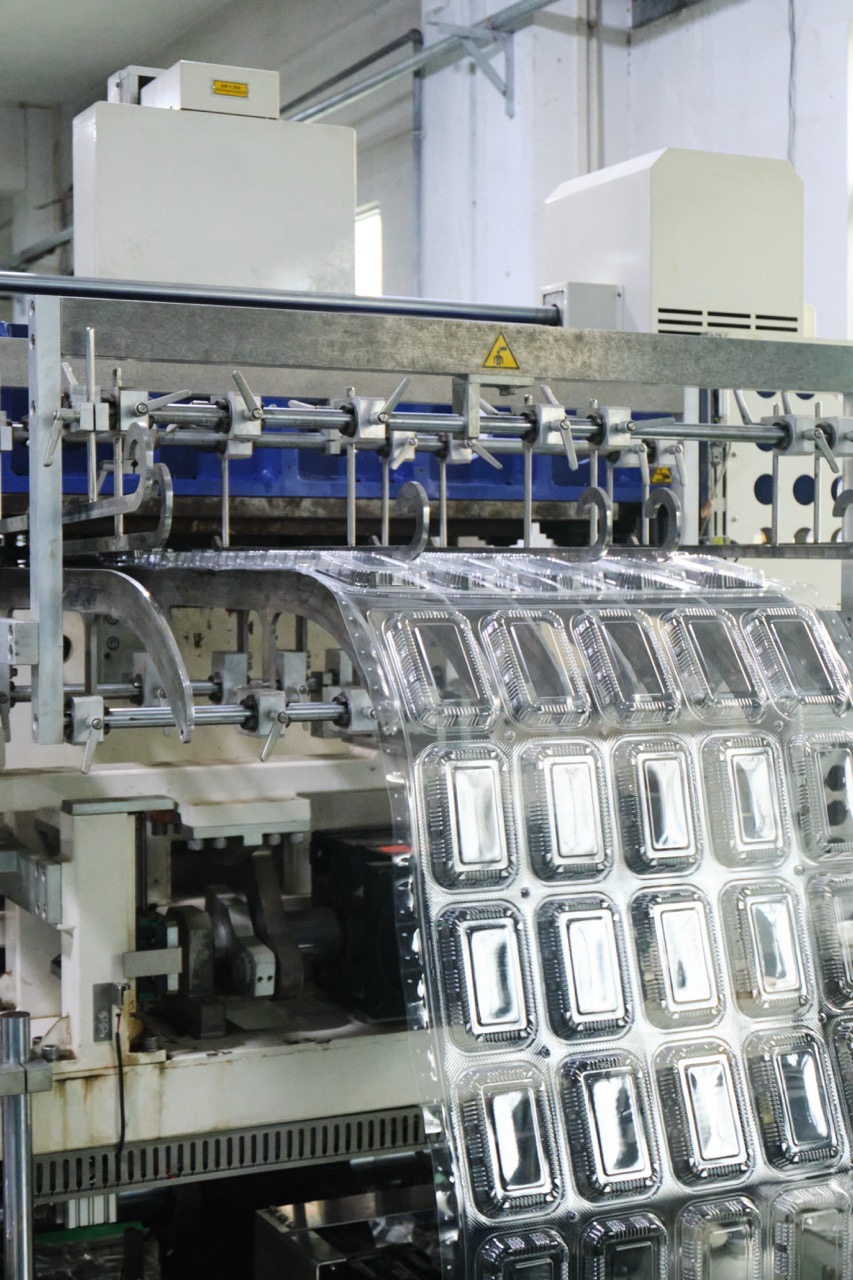
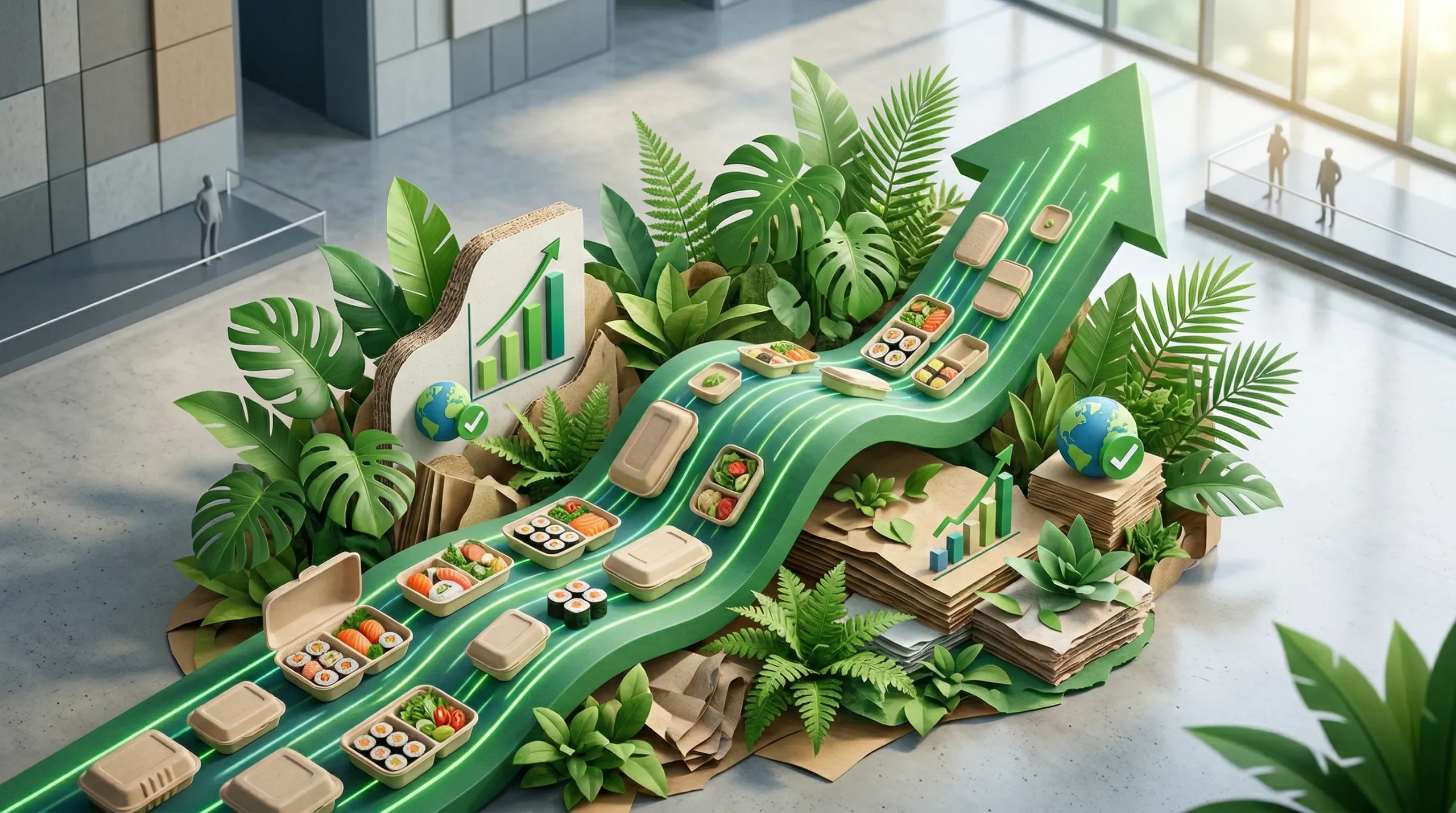
Environmental Claims Need Clear Evidence
The U.S. Federal Trade Commission advises marketers not to make broad, unqualified claims such as “green” or “eco-friendly.” Recyclable claims should reflect access to suitable recycling facilities, while compostable claims need reliable evidence and should state when industrial composting is required. This is important for both manufacturers and food brands because packaging claims can appear on cartons, websites, tenders, and customer menus.
Buyers should also separate recycled content from recyclability. A container can contain recycled material without being accepted by local collection programs. It can also be technically recyclable but have little practical recovery in the market where it is sold.
What Will Shape the Market After 2026?
- More product-level documentation: Buyers will expect compliance files tied to the SKU, not a generic statement about the material.
- Closer matching between food and packaging: Operators will test heat, oil, sauce, storage, and delivery instead of buying one box for every menu.
- More careful sustainability language: Brands will need to qualify recycling, composting, recycled-content, and PFAS claims.
- Greater focus on transport performance: Lid fit, stack stability, and damage rates will remain central as off-premises dining continues.
よくある質問
What materials are commonly used for disposable bento boxes?
Common options include PP, PET, rPET, bagasse, coated paperboard, and selected compostable plastics. Each material has different limits for heat, cold storage, grease, moisture, clarity, recycling, and composting.
Are all PP bento boxes microwave-safe?
No. PP alone does not prove that a finished container and lid are suitable for microwave use. Follow the product’s label and supplier instructions, and confirm that the supporting test covers the intended time, temperature, and food.
Does FDA approve finished bento boxes?
The phrase “FDA approved container” can be misleading. FDA regulates food-contact substances and their intended uses through regulations and other authorization routes. Buyers should ask for the specific U.S. basis of compliance for the components and use conditions of the finished article.
Should every bento box be marketed as eco-friendly?
No. Broad environmental claims need evidence and clear qualifications. State the specific attribute, such as a verified percentage of recycled content or certification to a named compostability standard.
What is the usual wholesale MOQ?
MOQ varies by model, stock status, color, print, tooling, and packing requirement. Use the request-a-quote form to confirm samples, MOQ, production time, and pricing for the selected product.
結論
The disposable bento box market is moving toward better fit, clearer documentation, and more precise environmental claims. Buyers should choose the compartment layout and material around the actual food, then verify lid performance and compliance with production samples. You can learn more about ManLuen or browse additional food packaging guides before preparing a sourcing brief.
References
National Restaurant Association. From Trend to Transformation: Off-Premises Dining Now Essential for Restaurant Consumers and Operators.
Used for the share of U.S. restaurant traffic taking place off-premises.
National Restaurant Association
U.S. Food and Drug Administration. Determining the Regulatory Status of Components of a Food Contact Material.
Used to explain authorization routes and why food-contact compliance depends on the components and intended use.
U.S. Food and Drug Administration
U.S. Food and Drug Administration. FDA Determines Authorization for 35 Food Contact Notifications Related to PFAS Are No Longer Effective.
Used for the January 2025 action involving specified PFAS grease-proofing uses in paper and paperboard food packaging.
U.S. Food and Drug Administration
U.S. Food and Drug Administration. Recycled Plastics in Food Packaging.
Used to explain why recycled food-contact plastics require controls for the recycling process and intended conditions of use.
U.S. Food and Drug Administration
European Union. Regulation (EU) 2025/40 on Packaging and Packaging Waste.
Used for the August 12, 2026 application date and PFAS requirements for food-contact packaging in the EU.
EUR-Lex
Federal Trade Commission. Environmental Claims: Summary of the Green Guides.
Used for guidance on broad environmental, recyclable, recycled-content, and compostable marketing claims.
Federal Trade Commission

マンルエンプラスチック包装有限公司は、20年以上にわたりプラスチック食品包装の製造を専門としています。当社の製品は、100%のバージン素材とBPAフリーのPP、PS、OPSを使用し、FDAおよびヨーロッパ基準に準拠しています。
 JA
JA  EN
EN  ZH
ZH  FR
FR  PT
PT  ES
ES  KO
KO