
はじめに
Can you freeze food in a glass container? Yes, provided the container is specifically designed or labeled for freezer use, is free from chips and cracks, and has enough empty space for the food to expand. Wide-mouth, straight-sided glass jars made for freezing and canning are generally safer choices than ordinary narrow-neck jars, decorative glass, or repurposed commercial food jars with unknown specifications.
Not every glass jar, bottle, storage dish, or serving bowl is freezer-safe. The main risks are pressure from expanding food, thermal shock caused by rapid temperature changes, impact inside the freezer, and using glass that was never designed for low-temperature storage. The safest approach is to follow the container manufacturer’s instructions and use glass specifically rated for freezing.
| Usually suitable | Use with caution or avoid |
|---|---|
| Wide-mouth jars labeled for freezing and canning | Decorative jars or repurposed commercial food jars with unknown specifications |
| Straight-sided freezer-safe glass food containers | Narrow-neck or strongly shouldered jars filled above the shoulder |
| Undamaged containers with compatible freezer-safe lids | Chipped, scratched, cracked, or heavily worn glass |
| Containers filled with adequate headspace | Containers packed to the rim with liquid or moist food |
| Food cooled before freezing | Hot glass placed directly into a freezer or frozen glass exposed to sudden heat |
Adequate headspace is especially important when freezing liquids or moisture-rich foods because their volume can increase during freezing. The lid should seal well enough to limit air and moisture transfer, but the container should not be overfilled so that expansion places excessive pressure on the glass.
The National Center for Home Food Preservation recommends wide-mouth, dual-purpose jars made for freezing and canning. It warns that ordinary glass jars can break easily at freezer temperatures and that narrow-mouth jars require additional headspace.
This guide explains which glass containers can go in the freezer, how much headspace to leave, how to cool and thaw food safely, and how to remove frozen food from a glass container without damaging it. It also compares glass with plastic for home kitchens and commercial food operations.
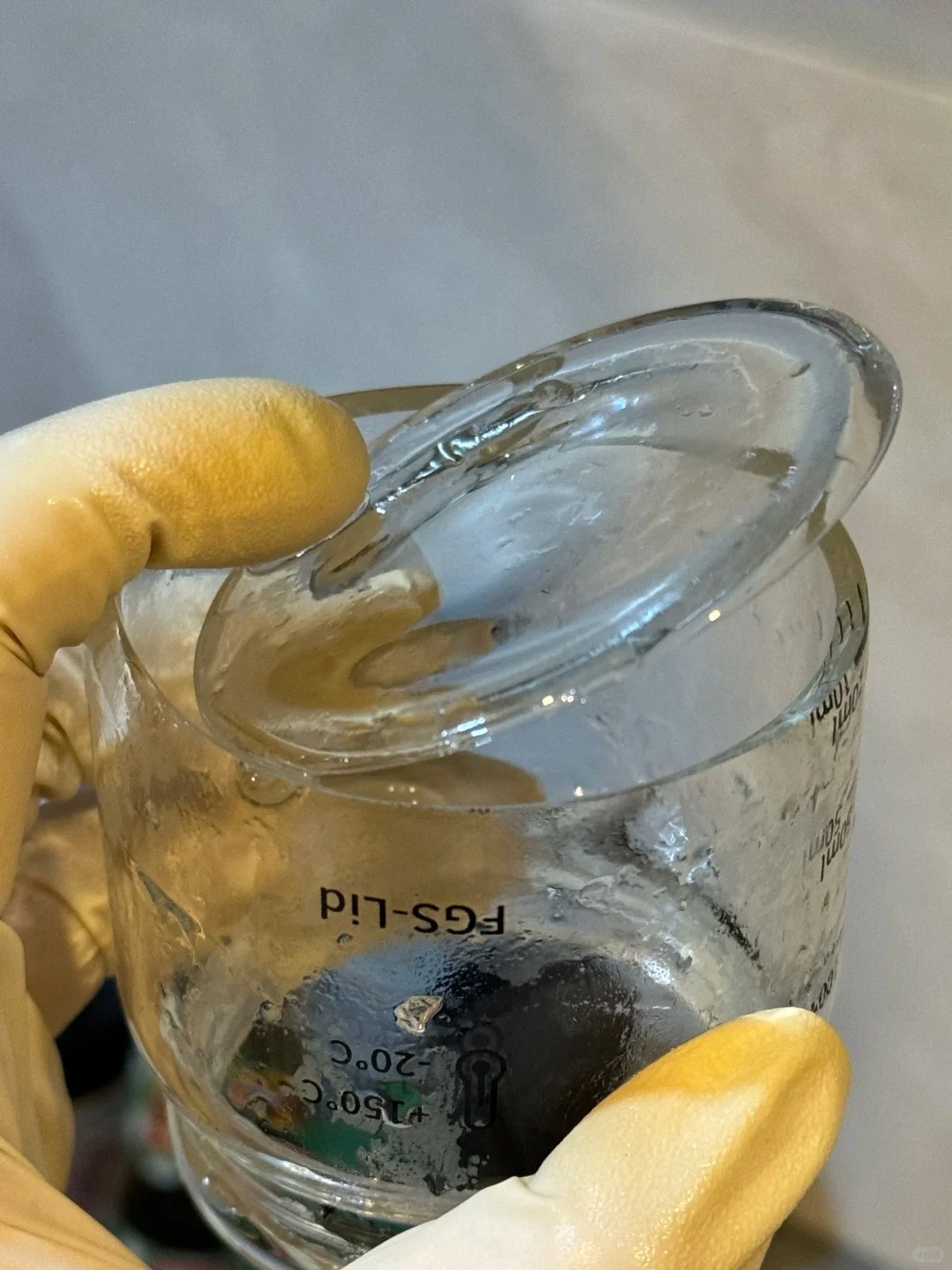
Why Can Glass Break in the Freezer?
Cold alone is not the only issue. A glass container usually fails because mechanical stress exceeds what the container can tolerate.
Food Expands as It Freezes
Water-containing foods expand during freezing. Soup, stock, sauce, fruit puree, and other high-moisture foods can press against the walls, shoulder, and lid when there is not enough headspace. A narrow-neck jar is particularly vulnerable because frozen contents can push against the shoulder instead of expanding upward.
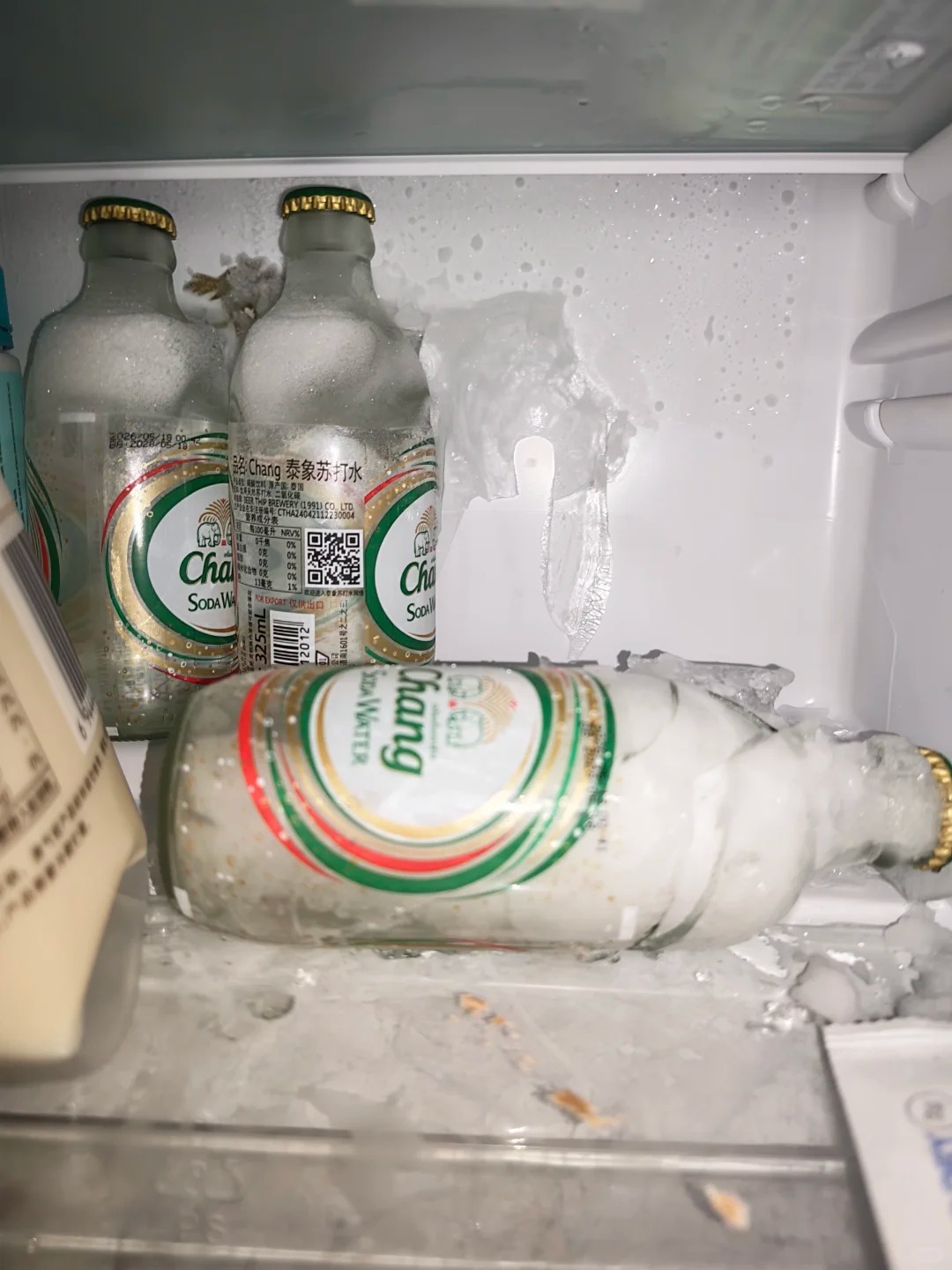
Rapid Temperature Change Creates Thermal Stress
Different parts of a glass container expand or contract at different rates when its temperature changes suddenly. This uneven movement creates thermal stress. Placing a hot container directly into a freezer, pouring boiling food into cold glass, or putting frozen glass into a hot oven can cause cracking even when the container appears thick.
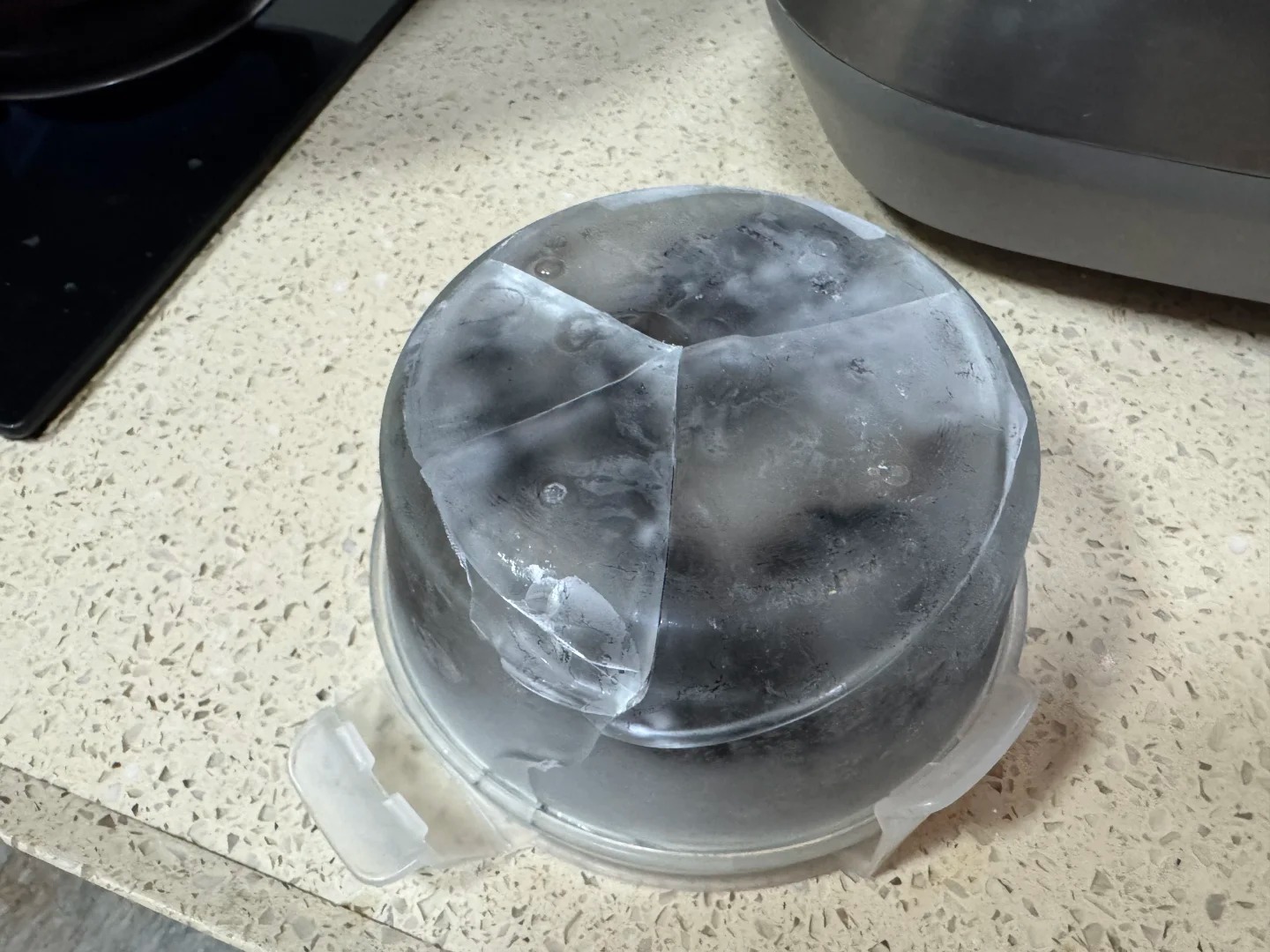
Existing Damage Concentrates Stress
Small chips, scratches, and hairline cracks can become failure points. A jar that has survived previous freezer cycles is not automatically safe if it has since been knocked against another container or damaged during washing.
Impact and Crowded Storage Add Risk
Glass remains brittle under impact. Containers can crack when they are dropped, struck by another frozen item, wedged tightly into an overfilled drawer, or stacked beyond the lid’s load-bearing design.
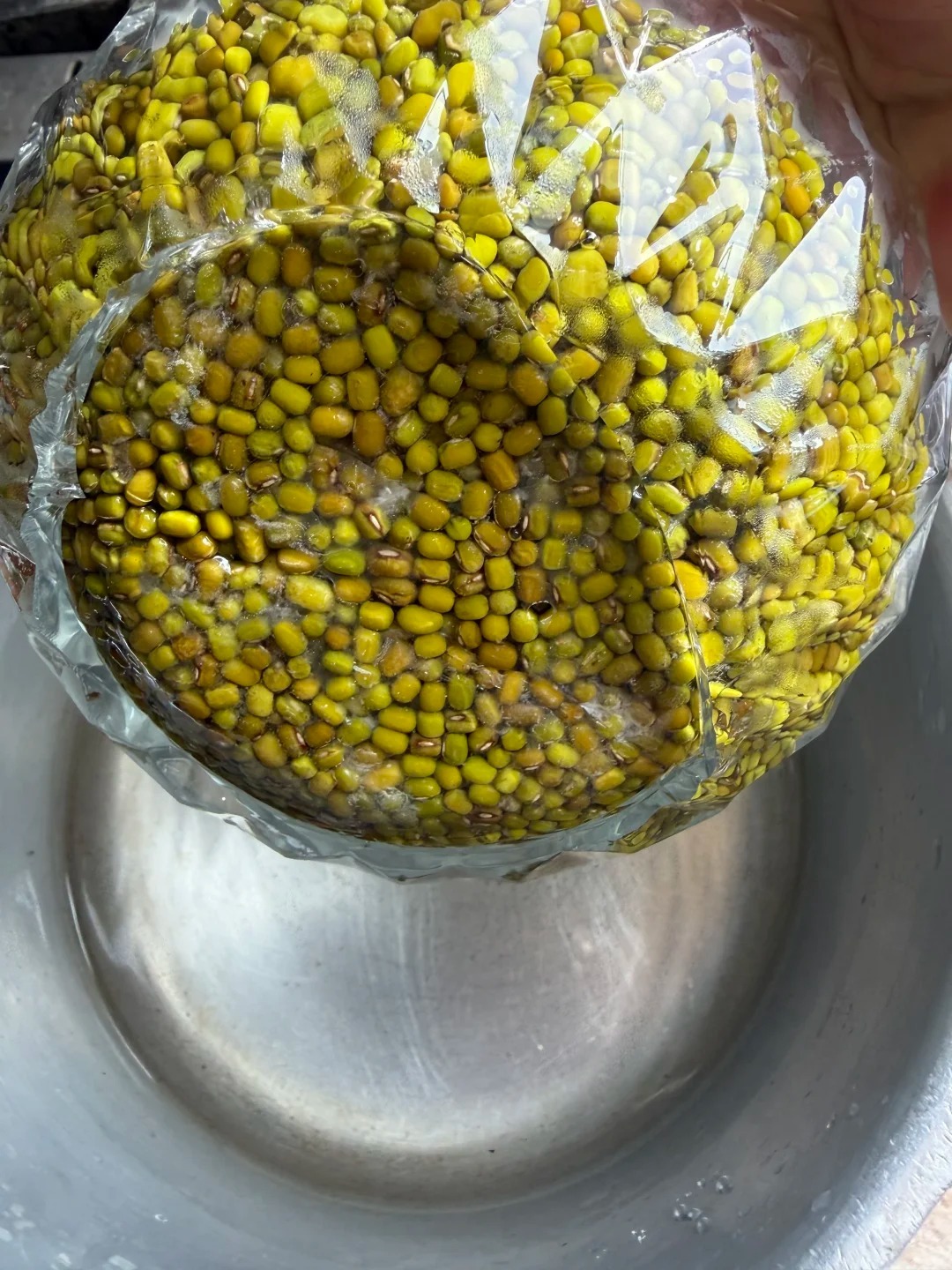
Which Glass Containers Are Freezer-Safe?
Look for an explicit freezer-safe statement from the manufacturer. Material names such as tempered glass or borosilicate glass can be useful, but the design and condition of the finished container are more important than the material label alone.
Wide-Mouth, Straight-Sided Jars
These are practical for soups, stocks, sauces, beans, cooked grains, and purees. Straight sides give expanding food a clearer upward path and make partially thawed food easier to remove. The NCHFP specifically recommends wide-mouth jars made for both freezing and canning.
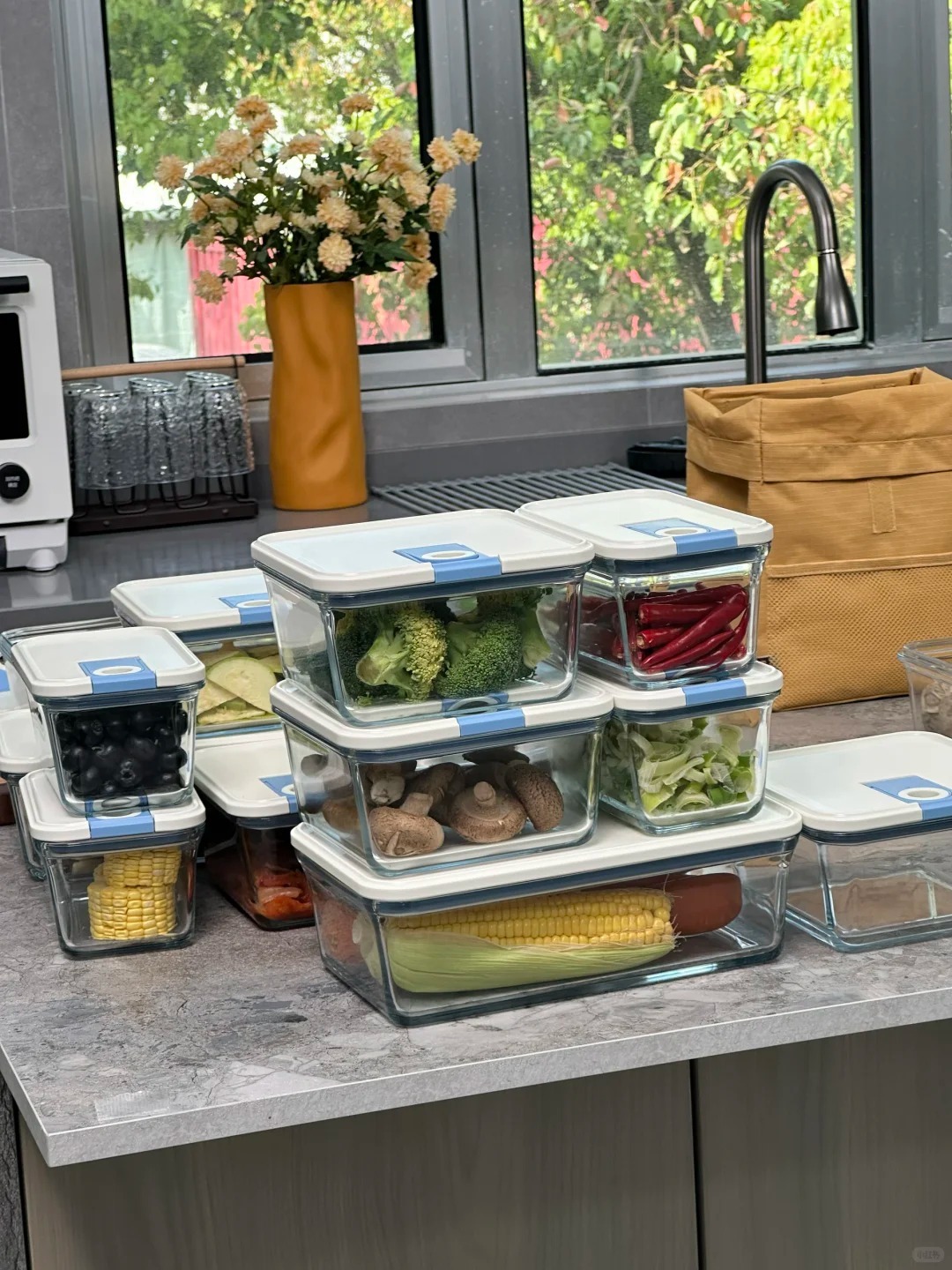
Freezer-Safe Glass Storage Containers
Rectangular or round glass food-storage containers can work well for leftovers and meal preparation when the complete product is rated for freezer use. Check the instructions for the glass body, lid, gasket, clips, and permitted temperature transitions. A freezer-safe base does not prove that every lid is safe for heating or that the container can move directly between the freezer and an oven.
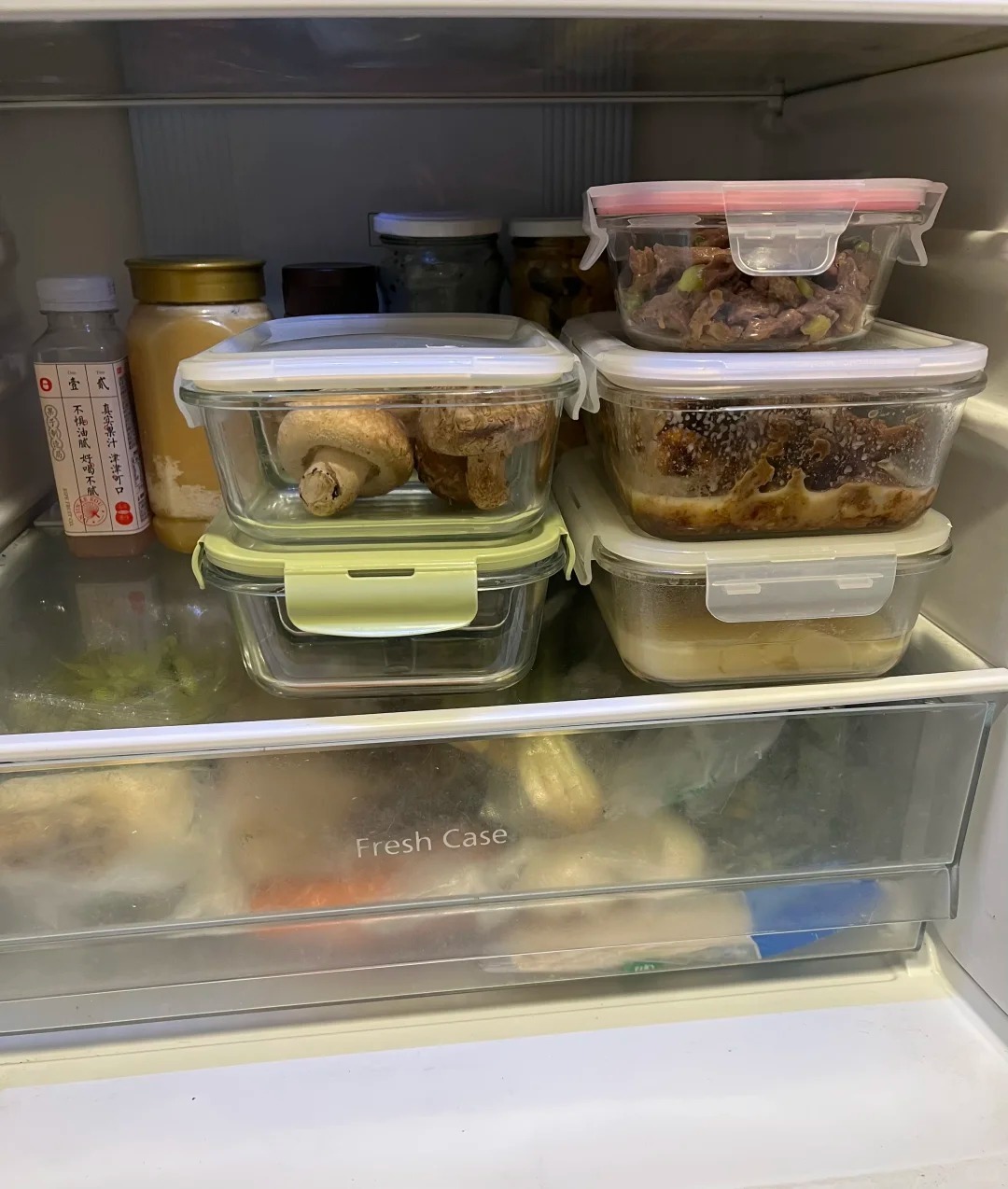
What About Ordinary Food Jars?
Do not assume a sauce, beverage, or condiment jar is suitable simply because it originally held food. Its glass composition, neck shape, wall distribution, lid, and manufacturing tolerances may be intended only for the original filling and distribution process. Reuse it only when the manufacturer confirms freezer suitability.
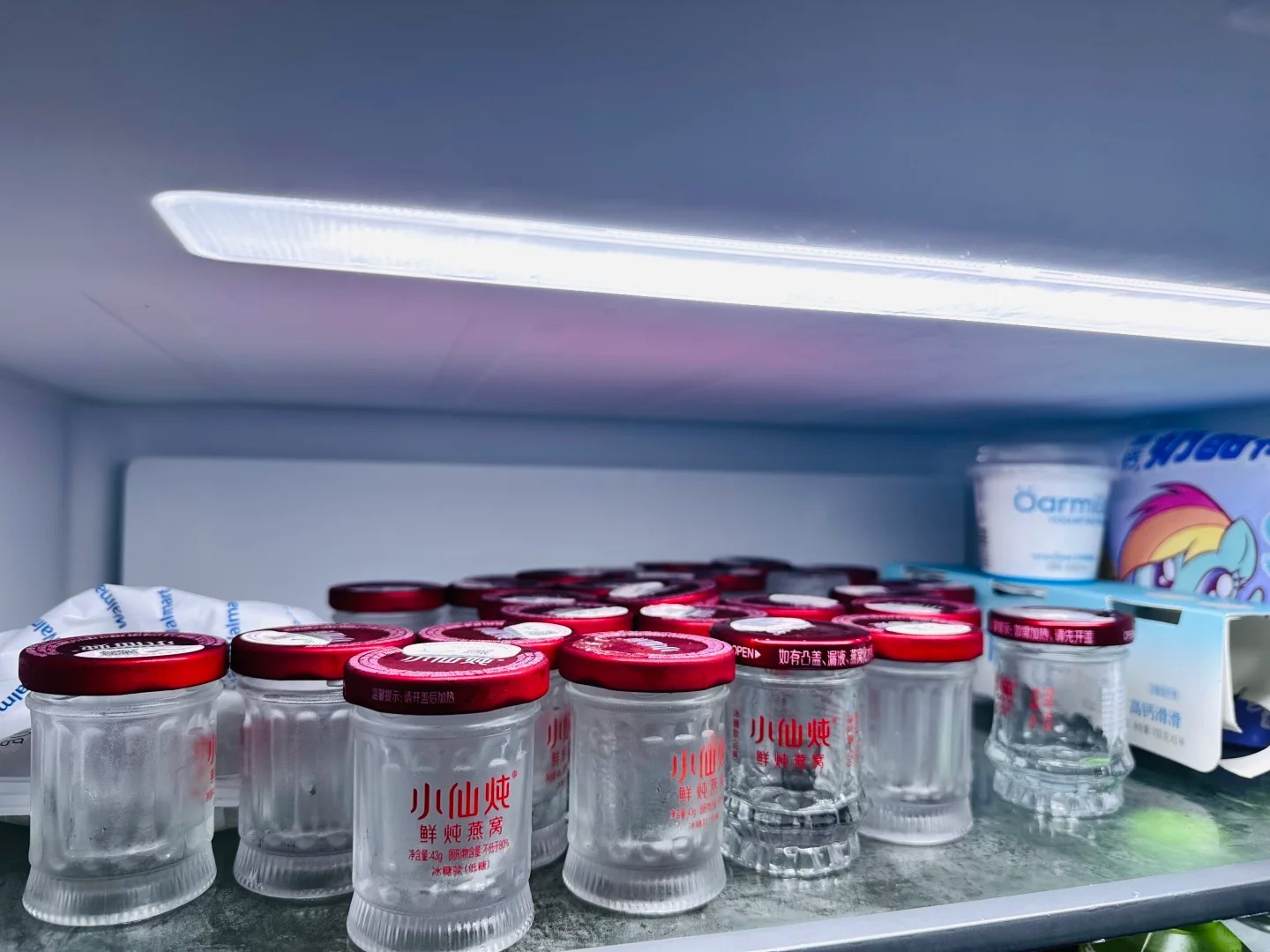
How to Freeze Food in Glass Containers
1. Inspect the Container
Check the rim, base, corners, and sidewalls under good light. Do not use a container with a crack, chip, deep scratch, damaged rim, distorted lid, or degraded gasket.
2. Choose the Right Size and Shape
Select a container that matches the portion you expect to thaw. Smaller portions freeze and thaw more evenly, and they reduce the need to thaw more food than required. For liquids, favor wide openings and straight sides.
3. Cool Cooked Food Safely
Do not seal a large quantity of steaming food in glass and leave it at room temperature until cold. Divide cooked food into shallow portions so it cools promptly, and refrigerate it before moving it to the freezer. The goal is to avoid both thermal shock and unsafe time at warm temperatures.
4. Leave Adequate Headspace
Headspace is the unfilled space between the food and the closure. Leave enough room for the particular food and container. Liquids and soft foods need more expansion room than dry foods. If the jar has shoulders, keep the food below the shoulder and follow the jar manufacturer’s freezing instructions. The NCHFP advises leaving additional headspace when narrow-mouth canning jars are used.
A universal “one-inch rule” is not reliable for every jar and every food. Container diameter, fill depth, shoulder shape, food composition, and manufacturer instructions all affect the required space.
5. Wipe the Rim and Fit the Lid
Remove food from the rim so the lid can sit evenly. Use a compatible lid that remains functional at freezer temperature. Do not force a lid onto an overfilled container. If the manufacturer’s instructions require a particular closing method during initial freezing, follow them.
6. Label and Date the Food
Write the food name, preparation date, and portion information on a freezer-compatible label. Freezing can keep food safe for a long time when it remains continuously frozen, but quality gradually declines. USDA storage-time recommendations are primarily quality guidelines rather than automatic safety deadlines.
7. Freeze the Container Upright
Place it on a stable, level freezer surface with space around it until fully frozen. Do not wedge it between heavy packages or stack a load on top before the contents have frozen and the lid is secure.
How Much Headspace Should You Leave?
Use the container or preservation instructions whenever a specific allowance is provided. As a practical rule, the wetter the food and the narrower the jar, the more carefully expansion space must be managed.
| Food type | Headspace consideration | Additional handling note |
|---|---|---|
| Soup, stock, broth, and thin sauce | Needs clear expansion space; never fill to the rim | Use straight-sided freezer jars or rated storage containers |
| Purees, stews, beans, and thick sauces | Still require headspace because they contain substantial water | Freeze in meal-size portions for easier thawing |
| Cooked rice, grains, and solid leftovers | Usually expand less dramatically than free liquid but should not be compressed against the lid | Limit trapped air without packing the food rigidly |
| Foods in a shouldered jar | Keep the fill below the shoulder and leave extra room | A wide-mouth straight-sided container is the safer choice |
How to Prevent Thermal Shock
- Do not transfer a hot glass container directly into the freezer.
- Do not pour boiling food into refrigerated or frozen glass.
- Do not move frozen glass directly into a hot oven unless the manufacturer explicitly allows that transition.
- Do not place hot glass on a wet, cold, or metal surface that can cool one area abruptly.
- Let the container warm gradually during thawing.
- Follow separate instructions for the lid, gasket, clips, oven, and microwave.
“Freezer-safe,” “microwave-safe,” and “oven-safe” are separate claims. One does not imply the others.
How to Get Frozen Food Out of a Glass Container
The safest method is controlled thawing, not prying.
- Inspect the container. If the glass is cracked or the lid has lifted abnormally, do not continue handling it as an intact food container.
- Move it to the refrigerator. Place the container on a plate or tray to catch condensation or leakage.
- Allow the outer layer to soften. Wide-mouth, straight-sided containers may release food while the center remains partly frozen.
- Use a silicone or plastic utensil if needed. Do not strike the glass or force a metal knife between the food and the wall.
- Transfer the food before reheating when required. If the lid or glass is not rated for the intended appliance, move the thawed food to an appropriate cooking vessel.
The USDA identifies the refrigerator, cold water, and microwave as safe thawing methods. For a glass container, refrigerator thawing usually creates the smallest temperature change. Cold-water or microwave thawing should be used only when the container and lid instructions allow it, and food thawed by those faster methods should be cooked promptly.
Can You Run Hot Water Over a Frozen Glass Container?
Do not use hot or boiling water. The outside surface may expand while the interior remains frozen, increasing thermal stress. If the manufacturer permits water thawing, keep the container sealed against contamination and use cold water, changing it as needed. Refrigerator thawing is the more conservative choice.
What Should You Do If the Glass Cracks?
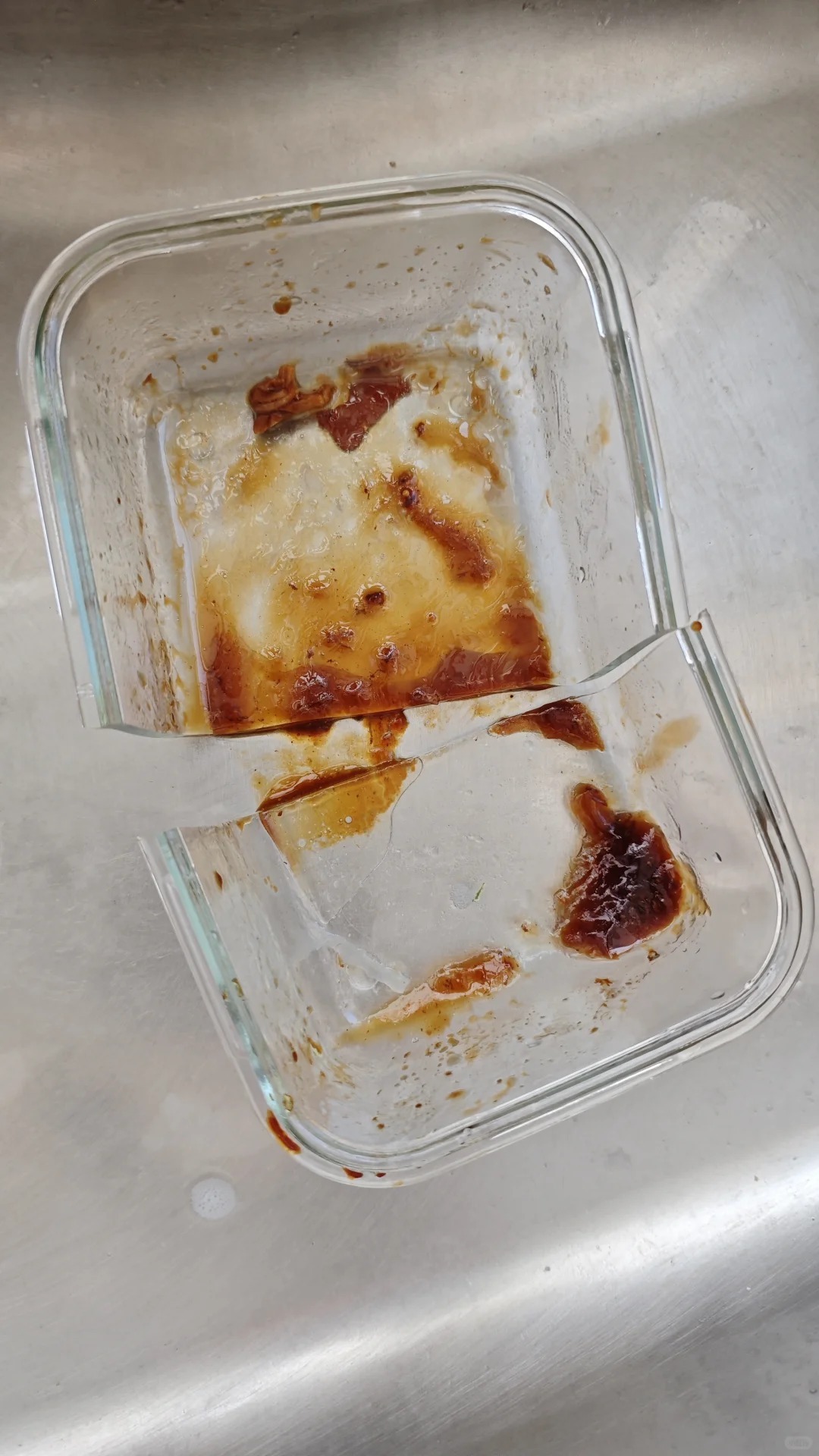
Discard the food if the container cracks or breaks. Do not attempt to remove visible pieces and serve the remainder. Tiny glass fragments can be difficult to detect.
Keep people away from the area, wear protective gloves, and collect the broken container without using bare hands. Clean the freezer surface carefully and inspect nearby packages. Follow local requirements for disposing of broken glass; do not place loose shards in an ordinary recycling bin.
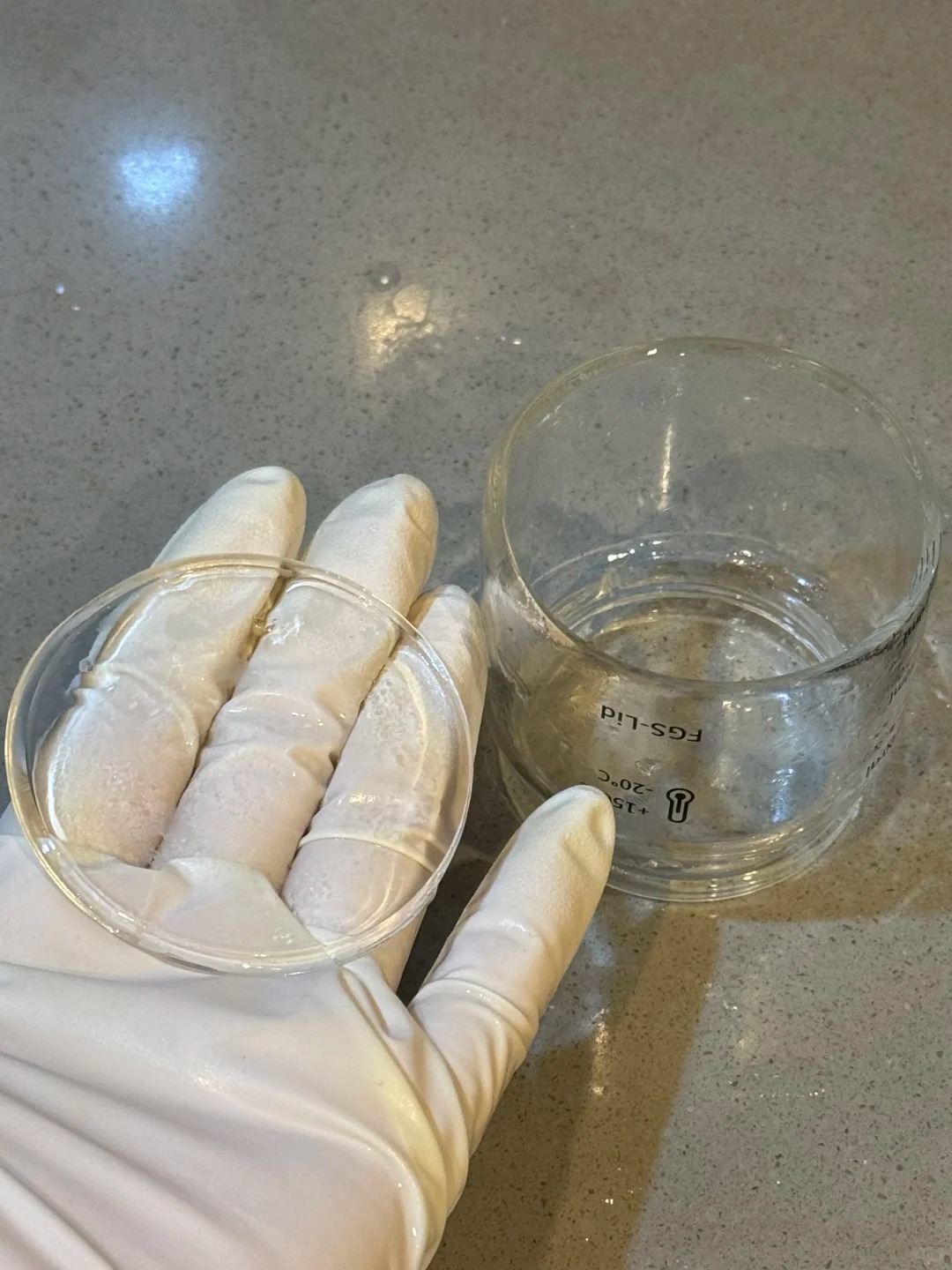
Does Freezing Food in Glass Prevent Freezer Burn?
Glass itself does not prevent freezer burn. Freezer burn results primarily from moisture loss and air exposure. A rigid glass container can provide a good barrier, but performance still depends on the seal, headspace, food temperature, and storage time.
Choose a tight-fitting freezer-compatible lid, minimize unnecessary air around solid foods, and avoid repeatedly opening the container. A poorly sealed glass jar can protect food less effectively than a properly sealed freezer bag or plastic container.
Glass vs. Plastic for Freezing Food
| Decision factor | Freezer-safe glass | Freezer-safe plastic |
|---|---|---|
| Weight | Heavier | Usually much lighter |
| Impact resistance | Can chip or break | Usually tolerates drops better, but some resins become brittle in the cold |
| Stains and odors | Generally resists staining and retained odors | Performance varies by resin, surface condition, and food |
| Reuse | Can provide long service life when handled carefully | Ranges from disposable packs to durable reusable containers |
| Visibility | Usually clear | Clear, translucent, and opaque options are available |
| Thermal transition | Sudden temperature change can cause breakage | May warp or become brittle; use-temperature rating depends on the resin and design |
| Commercial logistics | Higher transport weight and breakage-management requirements | Lower weight and broader single-use or reusable format choices |
Neither material is automatically safer or more sustainable in every system. The best choice depends on the food, temperature range, sealing needs, reuse rate, transport, washing, breakage, and local recovery system. A fair comparison should evaluate the complete container and use cycle rather than treating either material name as the answer.
What Food Businesses Should Check
A home container and a commercial packaging program have different requirements. Food manufacturers, restaurants, meal-prep companies, and distributors should validate the complete temperature and distribution cycle rather than relying on a general “food-safe” statement.
- Intended use: frozen storage only, or freezing followed by microwave, oven, or hot-water reheating.
- Lowest service temperature: including blast-freezing, cold rooms, transport, and consumer storage.
- Food type: aqueous, acidic, fatty, dry, or alcohol-containing food.
- Package performance: seal integrity, impact resistance, stacking load, leakage, and freezer-burn protection.
- Complete construction: container body, lid, gasket, adhesive, label, printing ink, and any coating.
- Regulatory basis: documentation covering the exact food-contact material and intended conditions.
- Instructions: fill level, cooling, freezing, thawing, reheating, reuse, cleaning, and inspection.
The FDA treats frozen storage and frozen or refrigerated storage followed by reheating as different conditions of use for food-contact substances. For plastic packaging, authorization depends on the substance, manufacturer where applicable, food type, additives, and intended conditions. “BPA-free” does not by itself establish suitability for freezing or reheating. See what agency approves food packaging for a fuller explanation of US food-contact oversight.
Businesses comparing commercial alternatives can review the main food packaging materials and available food storage containers. A supplier should provide the actual material, applicable conditions of use, and performance data for the chosen container rather than treating all PP, PET, PS, OPS, PLA, or glass formats as interchangeable.
Is Glass a Sustainable Freezer-Storage Choice?
Glass can make sense when a durable container is reused many times and breakage remains low. Its resistance to stains and odors can support long-term household reuse. However, glass is heavier than most plastic packaging, requires more protection during transport, and can create product loss and safety problems when it breaks.
A reusable container should be judged as part of a system that includes manufacturing, transport, washing, successful reuse cycles, and end-of-life recovery. A single-use glass package and a frequently reused household container are not equivalent. See our lifecycle guide to glass packaging sustainability for the broader comparison.
よくある質問
Can I freeze soup in a glass container?
Yes, if the container is freezer-safe. Cool the soup safely, use a wide-mouth or straight-sided container, leave adequate headspace, and freeze it upright. Do not fill to the rim.
Can I freeze food in a glass jar with a metal lid?
Only if the jar is intended for freezing and the lid is compatible with freezer storage. Leave the required headspace and avoid forcing the closure onto an overfilled jar. The lid material does not compensate for unsuitable glass.
Can a glass container go directly from freezer to microwave?
Do not assume so. Freezer-safe and microwave-safe are separate ratings, and a rapid temperature change can stress the glass. Follow the manufacturer’s instructions and use gradual refrigerator thawing when direct transfer is not expressly permitted.
Can frozen glass go directly into the oven?
Only when the manufacturer explicitly permits that exact transition. Otherwise, thaw the food and move it to an oven-safe vessel. “Oven-safe” does not necessarily mean “freezer-to-oven safe.”
Can I freeze an ordinary drinking glass or serving bowl?
Not unless it is specifically rated for freezer use. Shape, wall thickness, prior damage, and manufacturing method all matter.
How do I get frozen food out of a glass container?
Thaw it gradually in the refrigerator until the outer layer releases. Do not strike the container, pour hot water over it, or lever the food out with a knife. Wide-mouth, straight-sided containers make partial removal easier.
How long can food stay frozen in glass?
The container material does not set the food’s safe storage period. According to USDA guidance, properly frozen food can remain safe for a very long time, while recommended freezer-storage times mainly address quality. Food type, freezer temperature, packaging seal, and temperature interruptions affect the result.
Is glass better than plastic for freezing?
Glass is useful for repeated home storage and resists stains and odors. Plastic is lighter and usually more impact-resistant. Both must be designed for freezer use, and the better option depends on the food, handling, reuse plan, and commercial logistics.
結論
You can freeze food in a glass container when the complete container is rated for freezer use, remains undamaged, and provides adequate expansion space. Wide-mouth, straight-sided containers are preferable for liquids and foods that may need to be removed while partially frozen.
Prevent breakage by cooling food safely, avoiding sudden temperature changes, freezing containers upright, and thawing them gradually in the refrigerator. If the glass cracks, discard the food. For commercial packaging, test the full temperature cycle and verify the exact material, lid, seal, regulatory basis, and handling instructions rather than relying on a generic “food-safe” label.
情報源とさらなる資料
- National Center for Home Food Preservation: Containers for Freezing
- National Center for Home Food Preservation: General Freezing FAQs
- USDA Food Safety and Inspection Service: Freezing and Food Safety
- US Food and Drug Administration: Food Types and Conditions of Use for Food Contact Substances
- US Food and Drug Administration: Determining the Regulatory Status of Components of a Food Contact Material

マンルエンプラスチック包装有限公司は、20年以上にわたりプラスチック食品包装の製造を専門としています。当社の製品は、100%のバージン素材とBPAフリーのPP、PS、OPSを使用し、FDAおよびヨーロッパ基準に準拠しています。
 JA
JA  EN
EN  ZH
ZH  FR
FR  PT
PT  ES
ES  KO
KO