
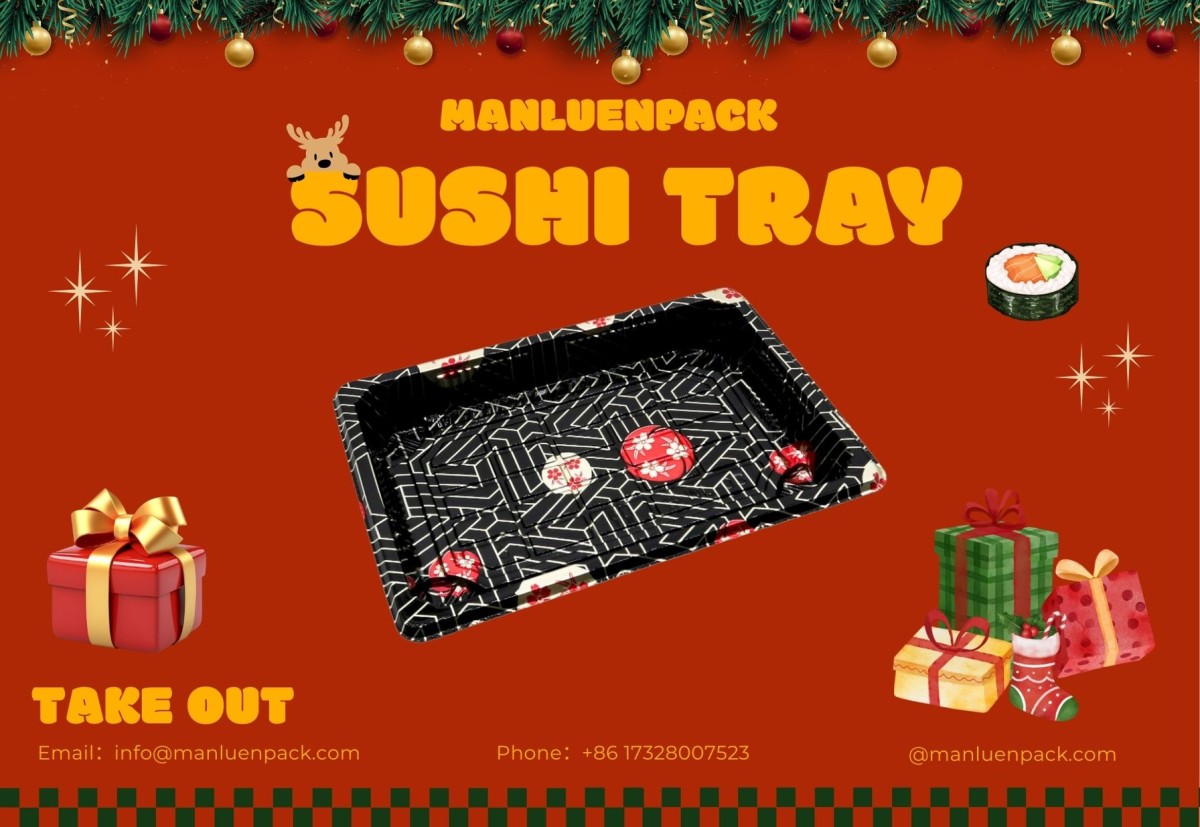
When sushi, the it comes to enjoying experience goes far beyond just taste—it’s about presentation, tradition, and increasingly, sustainability. At our company, we’ve noticed a clear shift in how both restaurants and home diners think about serving trays. It’s no longer just about looks or convenience; eco-friendly materials and mindful sourcing are now central to the conversation. In this article, we’ll explore why sustainable sushi serving trays are gaining traction and what that means for conscious eaters who care about both flavor and footprint.
重要なポイント
- 製品: Boost Your Sushi Game with the Right Sushi Serving Tray — a this food container engineered for takeaway, delivery, and food service operations.
- 素材: 食品グレードPP(ポリプロピレン) — BPAフリー、電子レンジ対応、FDA / EU基準適合。.
- 標準容量: 1ユニットあたり約570ml、個別の食事用に適しています。.
- 最適な用途: レストラン、ケータリング業者、フードトラック、小売の即食コーナー。.
- 調達先: 卸売りで入手可能 ManLuen FDA、EU、ISOの認証が記載された 認証ページ.
The Rise of Sustainable Sushi Serving Trays in Modern Dining
Consumer Demand for Eco-Conscious Packaging and Presentation
More people today want their meals to reflect their values—and that includes how food is served. Single-use plastics and non-recyclable trays are falling out of favor, especially among younger diners who prioritize environmental responsibility. This isn’t just a trend; it’s a lasting change in expectations.
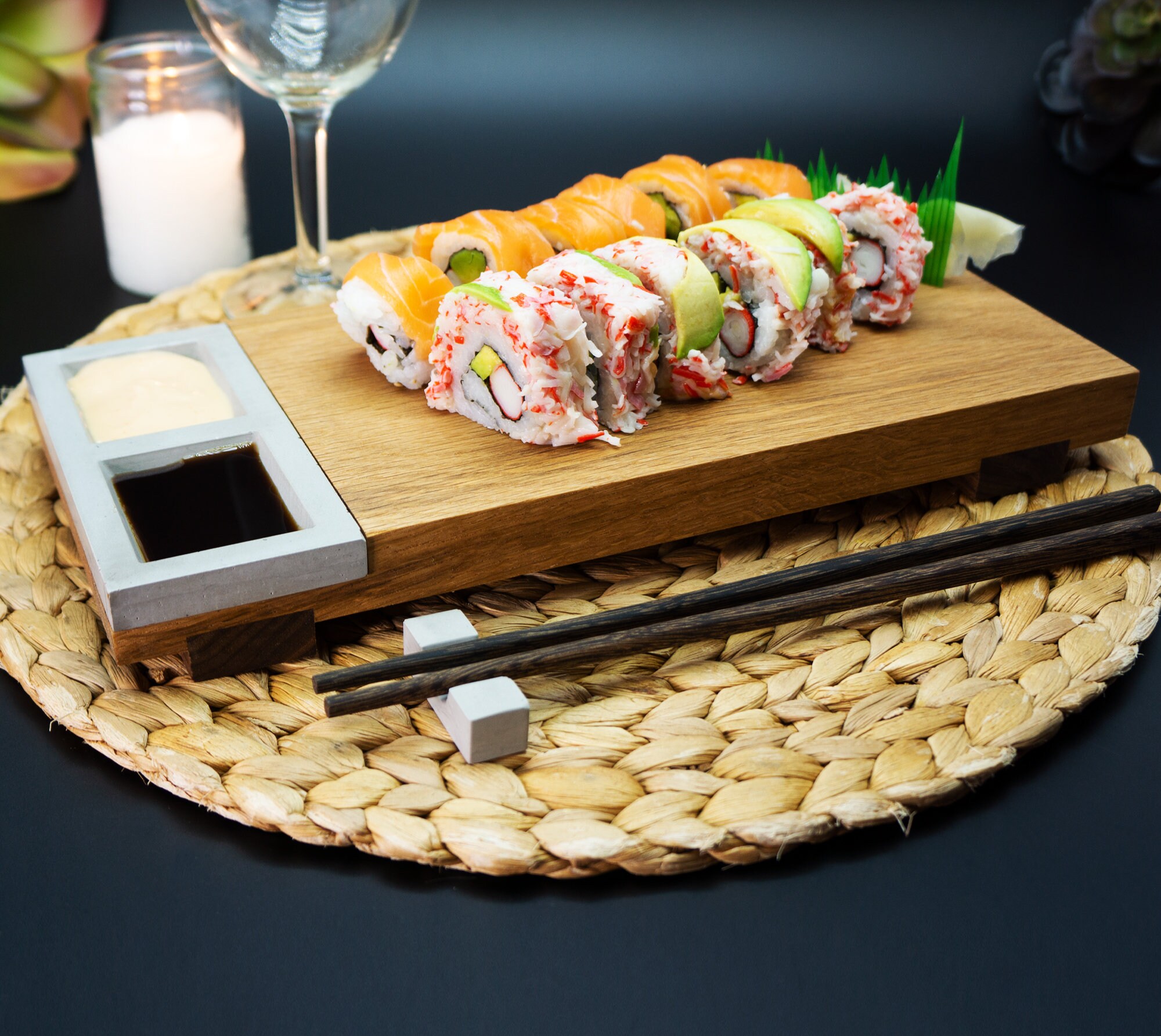
Restaurants are responding by switching to trays made from bamboo, recycled paper, compostable palm leaves, or even reusable ceramic and wood. These choices reduce waste and align with broader sustainability goals. As noted in “The Dish: Fort Worth restaurants firing up fresh starts, revivals this spring”, local eateries like Duchess are emphasizing locally sourced ingredients and thoughtful presentation—showing how sustainability now extends from the plate to the platter.
Linking Sushi Quality Perceptions to Tray Materials and Sourcing Transparency
Believe it or not, the tray your sushi sits on can actually shape how good it tastes—even if it doesn’t touch the food directly. Studies in food psychology show that presentation influences perception. A sleek, natural bamboo tray signals freshness and care, while a flimsy plastic one might suggest the opposite, regardless of the actual quality.
Transparency matters too. When customers know a tray is made from responsibly harvested bamboo or post-consumer recycled content, they feel more confident in the brand. It builds trust. That’s why many premium sushi spots now highlight their servingware choices right on the menu or website—turning a simple tray into a statement of values.
Beyond Convenience: Cultural and Emotional Dimensions of Sushi Presentation
情報源とさらなる資料
この記事で引用されている材料安全性および食品接触に関する主張は、以下の主要な規制および業界の情報源から引用されています。各項目は元の文書へのリンクになっています。.
Sushi as Identity and Ritual—Implications for Serving Tray Design
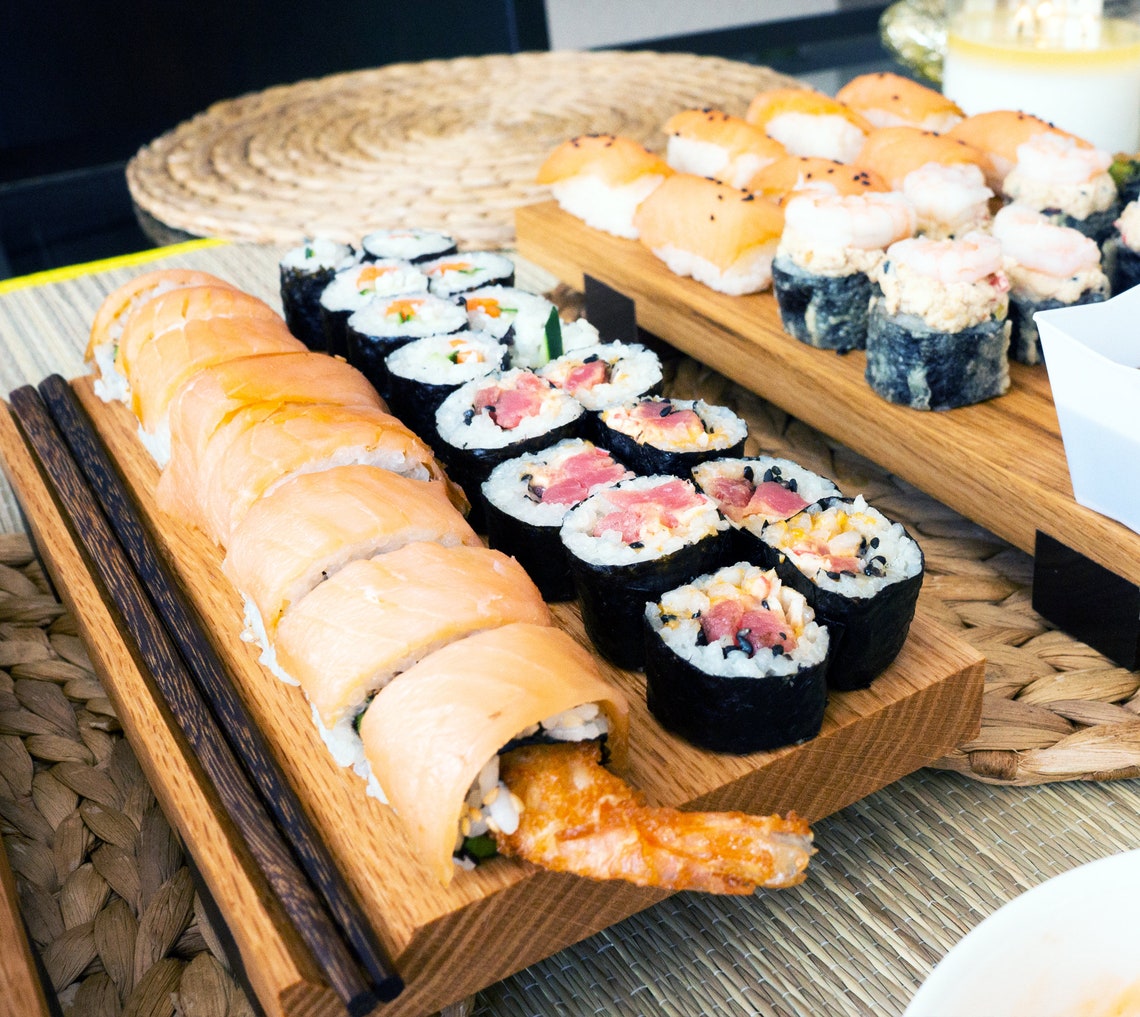
Sushi isn’t just food—it’s a cultural experience. From the precise cuts of fish to the quiet elegance of the serving style, every detail carries meaning. In traditional Japanese dining, the vessel is part of the art. A lacquered wooden tray or a hand-thrown ceramic plate isn’t just functional; it honors the ritual of eating.
Today, even casual sushi lovers appreciate this depth. That’s why sustainable trays that echo traditional aesthetics—like minimalist wood or matte-finish stone—are resonating. They bridge heritage and modern ethics. When we design or select serving trays, we consider not just durability or cost, but whether the piece invites mindfulness—a moment of pause before the first bite.
Premium Markets and the Role of Authenticity in Sustainable Choices
In high-end markets, authenticity is everything. Diners paying top dollar expect more than perfect rice-to-fish ratios—they want an experience that feels genuine and intentional. This is where sustainable serving trays shine. A beautifully crafted, reusable tray made from FSC-certified wood doesn’t just look premium; it tells a story of respect—for craft, culture, and the planet.
We’ve seen this play out in cities like Fort Worth, where new concepts blend innovation with integrity. As “The Dish: Sushi, burgers, tacos, oh my! Lunch rush gets busier in Fort Worth” reports, spots like Kura Revolving Sushi Bar are thriving by offering fresh, engaging experiences—likely including thoughtful presentation that aligns with eco-conscious values.
And it’s not just about looking good. Reusable trays cut long-term costs for restaurants and reduce single-use waste, making sustainability both ethical and economical. For home users, investing in a quality sustainable tray turns a weeknight roll into something special—without guilt.
Choosing the right sushi serving tray is no longer just about matching your kitchen decor. It’s a reflection of your values, your respect for tradition, and your role in a larger environmental story. Whether you’re a restaurant owner aiming to reduce waste or a home cook wanting to elevate your dinner game, opting for eco-friendly trays is a small change with big impact.
At our team, we believe that sustainability and beauty go hand in hand. The best trays don’t just hold sushi—they enhance the entire experience, from the first glance to the last bite. So next time you serve or order sushi, take a moment to consider what’s underneath. Because how your food is presented matters almost as much as what’s on it.
よくある質問
この食品容器は電子レンジ対応ですか?
はい。この製品は食品グレードのPP(ポリプロピレン)で作られており、120°Cまでの電子レンジ使用が可能です。 FDA 21 CFR 177 および EU規則 10/2011 食品接触基準。.
この卸売の最小注文数量は何ですか?
標準構成は5,000〜10,000個のMOQから始まります。カスタム印刷やカスタム金型の工具はより高い最低注文数が必要な場合があります。次のために サンプルとカスタマイズされた見積もりをリクエストする, 仕様(素材、寸法、数量、ターゲット市場)をManLuenチームに送信してください。.
この容器はFDAおよびEUの食品接触規制を満たしていますか?
はい。ManLuenは、そのPP食品接触容器の最新のFDA 21 CFRおよびEU 10/2011の移行試験報告書を公開しています。全リストは 認証ページ をご覧ください、または 特定のSKUの試験報告書をリクエストしてください。.

マンルエンプラスチック包装有限公司は、20年以上にわたりプラスチック食品包装の製造を専門としています。当社の製品は、100%のバージン素材とBPAフリーのPP、PS、OPSを使用し、FDAおよびヨーロッパ基準に準拠しています。
 JA
 EN
 ZH
 FR
 PT
 ES
 KO