
Introduction
Une boîte à bento à emporter offre aux restaurants et traiteurs un seul contenant pour un repas complet. Ses compartiments peuvent séparer un plat principal, un aliment de base, des légumes et des condiments. Un couvercle ajusté permet ensuite de faciliter l'empilement, le transport et la livraison.

La meilleure boîte dépend du menu et de la méthode de service. Les acheteurs peuvent comparer la gamme complète de ManLuen’s boîtes à bento ou commencer par les conseils pratiques de sélection dans le guide de boîte à bento à emporter.
Pour les configurations de compartiments courantes, le WL-3C boîte à bento à trois compartiments sépare un élément principal et deux accompagnements, tandis que le WL-2C boîte à bento à deux compartiments offre une division plus simple. Les deux doivent être testées avec les portions réelles et les conditions de livraison avant une commande en gros.

Qu'est-ce qu'une boîte à bento à emporter ?
Une boîte à bento à emporter est un contenant portable pour repas avec une ou plusieurs sections et un couvercle compatible. Les entreprises alimentaires l'utilisent pour les repas à emporter, la livraison, les comptoirs de plats prêts à manger, la restauration et les programmes de préparation de repas. Contrairement à une boîte simple à compartiment unique, le format divisé aide à garder séparés les aliments avec des textures et des saveurs différentes.
Ce format est utile, mais il ne convient pas à tous les menus. Une soupe légère peut nécessiter un conteneur à soupe. Un burger haut peut mieux s'adapter dans un coquille à clapet. Commencez par la nourriture, puis choisissez l'emballage. L'aperçu de boîtes à bento jetables en plastique explique les principaux choix de format.
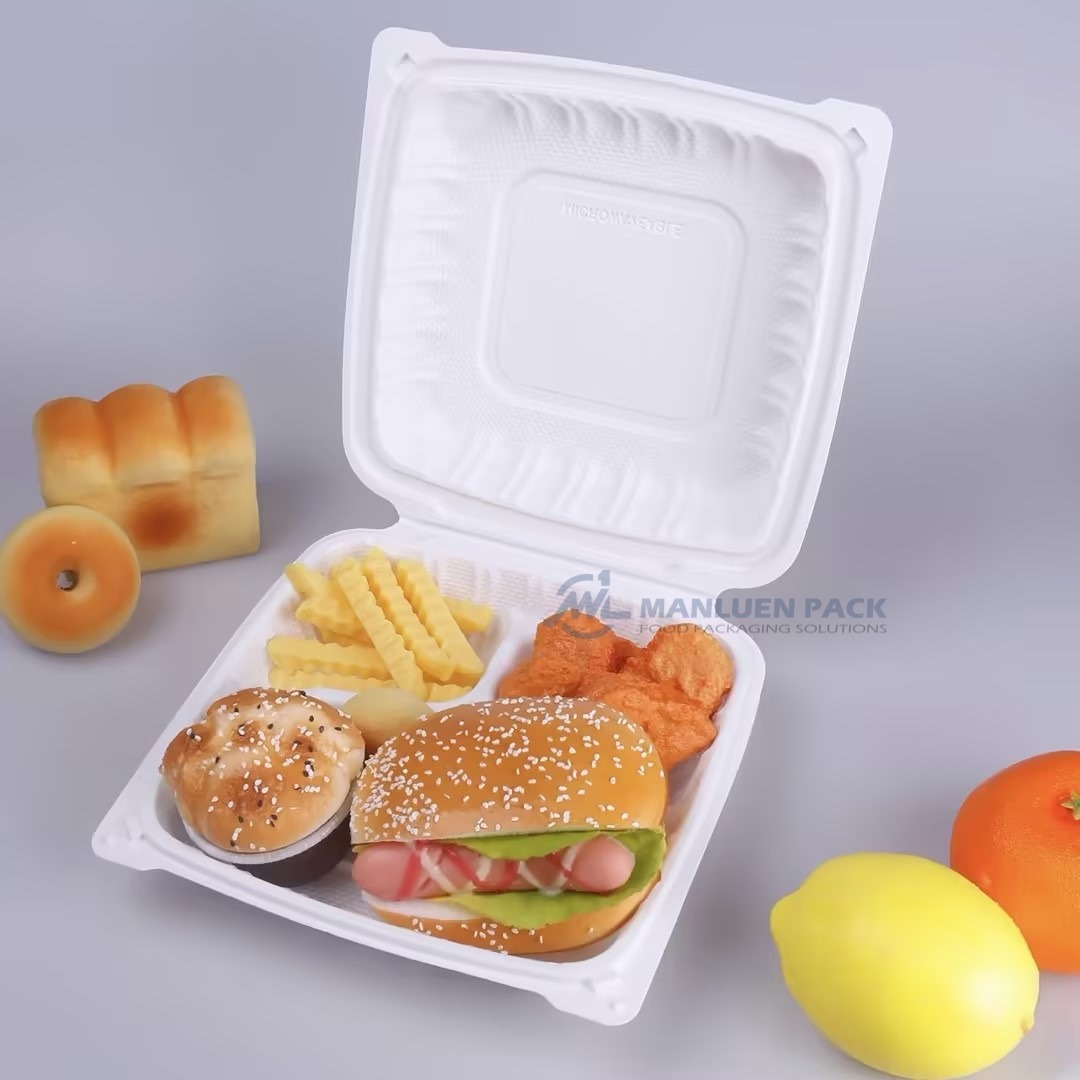
Quatre formats de produits à comparer
| Format | Exemple | Utilisation appropriée | Vérification principale |
|---|---|---|---|
| Deux compartiments | WL-2C | Plat principal avec un accompagnement | Capacité de chaque section |
| Trois compartiments | WL-3C | Plat principal avec deux accompagnements | Hauteur du séparateur et mouvement de la sauce |
| Format compact pour un seul repas | Boîte à bento WL-8507 | Repas de bureau, portions plus légères et service à emporter | Ajustement de la portion et maintien du couvercle |
| Format grand pour à emporter | Boîte à bento WL-8525 avec couvercle | Combinaisons plus grandes et repas de food-truck | Hauteur de la pile, taille du carton et ajustement du sac de livraison |
La taille nominale n'est qu'un point de départ. Demandez des échantillons et mesurez l'espace utilisable après fermeture du couvercle. Testez l'élément le plus grand du menu, pas la portion moyenne.
Choisissez les matériaux du corps et du couvercle ensemble
Les boîtes bento jetables combinent souvent un matériau pour la base et un autre pour le couvercle. PP, PS ou OPS, et PET ont chacun leurs forces. Le guide des matériaux d'emballage alimentaire fournit une comparaison plus large.
Corps de conteneur en PP
Le polypropylène est largement utilisé pour les contenants de nourriture chaude car il possède une résistance utile et une résistance à la température. Il est également utilisé pour certains produits micro-ondables. Cependant, le PP ne rend pas automatiquement chaque conteneur fini compatible avec le micro-ondes. La résine, les additifs, l'épaisseur des parois, la couleur, le couvercle, la nourriture et les conditions de chauffage sont tous importants.
Corps et couvercles en PS ou OPS
Le PS et le polystyrène orienté peuvent offrir rigidité et présentation nette. Ces matériaux sont couramment utilisés pour l'emballage à froid, à température ambiante ou pour un service court selon la spécification du produit. Ils ne doivent pas être décrits comme adaptés à une utilisation à haute température ou au micro-ondes sans preuve pour l'article fini exact.
Couvercles en PET
PET can provide a clear lid that lets staff and customers see the meal. Clarity can help with order checking and retail display. Buyers still need to confirm the lid’s intended temperature range and whether it must be removed before reheating.
A buyer should review the entire body-and-lid combination, not just the main resin. The article on safe bento lunch box materials explains how PP, PS, OPS, and PET affect the finished package.
Match the Bento Box to the Menu
| Menu | Useful Format | What to Test |
|---|---|---|
| Rice, protein, and vegetables | Two- or three-compartment box | Portion balance and movement between sections |
| Sushi or cold Japanese meals | Shallow box with a clear lid | Presentation, condensation, and cold-storage performance |
| Hot takeaway meals | Container documented for the intended fill temperature | Warping, lid fit, venting, and oil resistance |
| Meal-prep programs | Stackable portioned box | Refrigeration, freezing, reheating, and shelf-life conditions |
| Food-truck meals | Compact box that staff can close quickly | Counter space, stacking, service speed, and transport |
Food-truck operators have limited prep and storage space. The article on the WL-8525 food-truck bento box shows how container dimensions and stacking affect service in a small workspace.
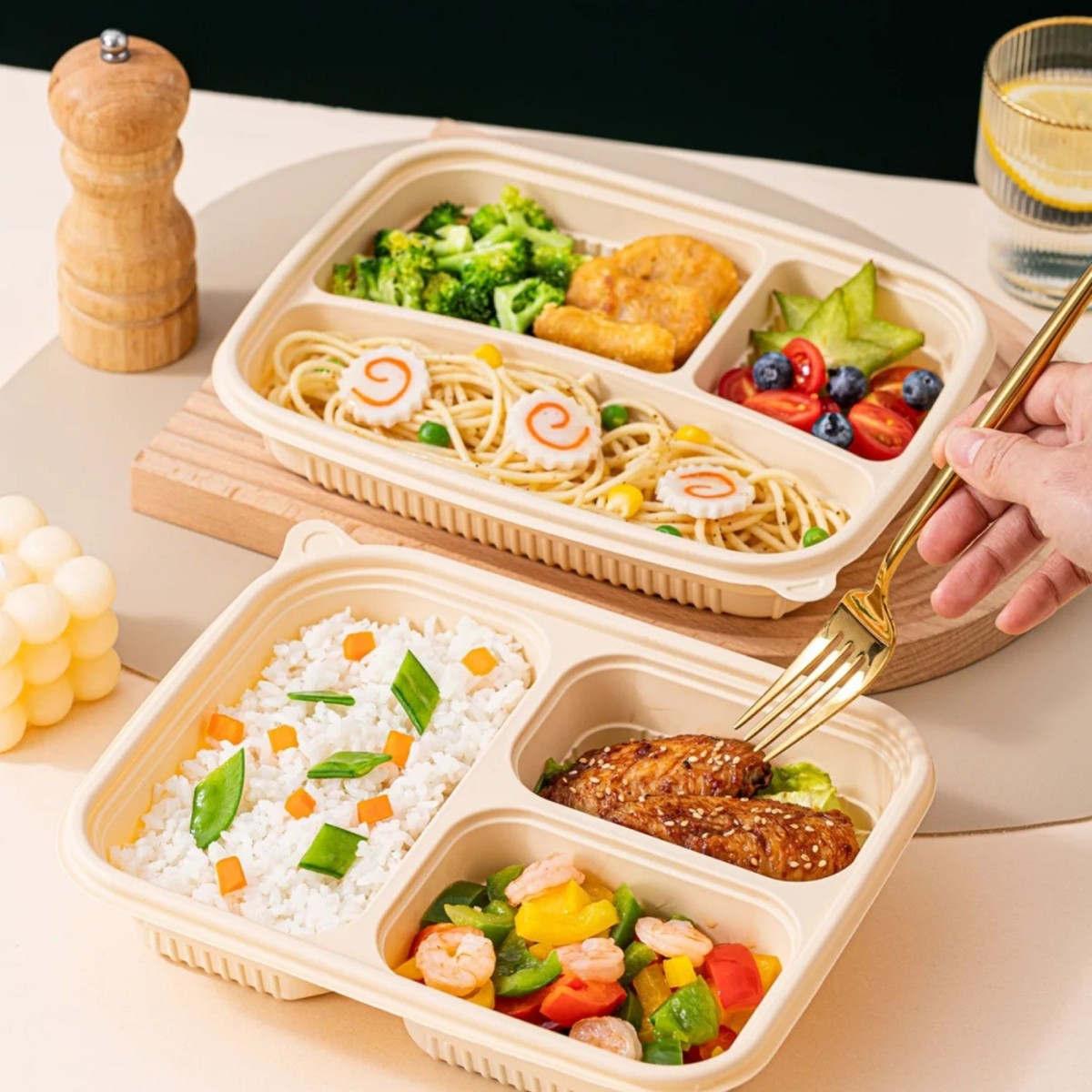
Test the Lid Before You Call a Box Leak-Resistant
A fitted lid can reduce spills, but closure performance depends on more than the product description. Food temperature, sauce viscosity, fill level, rim cleanliness, side pressure, and delivery vibration can all affect the seal.
Run a simple packing-line test before ordering:
- Fill the container with the hottest and most liquid-rich meal you plan to sell.
- Close the lid using the same method and speed staff will use during service.
- Stack the filled boxes for the planned holding time.
- Place them in the real delivery bag and complete a normal route.
- Check for lid lift, side leakage, compartment mixing, distortion, and condensation.
Les disposable bento box with lid guide covers additional closure and transport checks.
Food-Contact Compliance Depends on Intended Use
The FDA does not treat the phrase “food grade” as proof that every finished container is suitable for every condition. U.S. food-contact status depends on the substances used in the article and the food type, temperature, duration, and other conditions covered by the applicable authorization.
For U.S. orders, ask the supplier to identify the applicable regulation, Food Contact Notification, Threshold of Regulation exemption, GRAS basis, or prior sanction for each relevant component. For EU orders, request a declaration of compliance and migration evidence covering the exact container and intended use. The plastic food packaging compliance guide provides a practical document checklist.
Do not infer microwave safety from PP alone
The USDA advises users to select containers specifically made and labeled for microwave use. Ask whether the claim covers the base, the lid, or both. Confirm the maximum heating time, food type, temperature, and venting instructions. The guide to microwaving food in plastic containers explains these limits in more detail.
Wholesale Buying: Focus on Total Cost
The lowest unit price does not always produce the lowest cost per meal. A poorly matched box can increase leakage, repacking, damage, wasted space, customer complaints, and delivery refunds.
Compare these commercial details
- Unit price at the required order quantity
- Case pack and carton dimensions
- Shipping volume and pallet efficiency
- MOQ for standard and customized products
- Tooling, printing, labeling, and artwork charges
- Production time and delivery terms
- Acceptable quality level and defect handling
- Sample and pre-production approval process
Use customization carefully
A logo, label, sleeve, or printed design can help customers identify the brand and meal. The decoration method must still suit the material, food-contact area, temperature, and local labeling rules. Confirm print position, color tolerance, rub resistance, and whether the custom work changes the MOQ or production time.
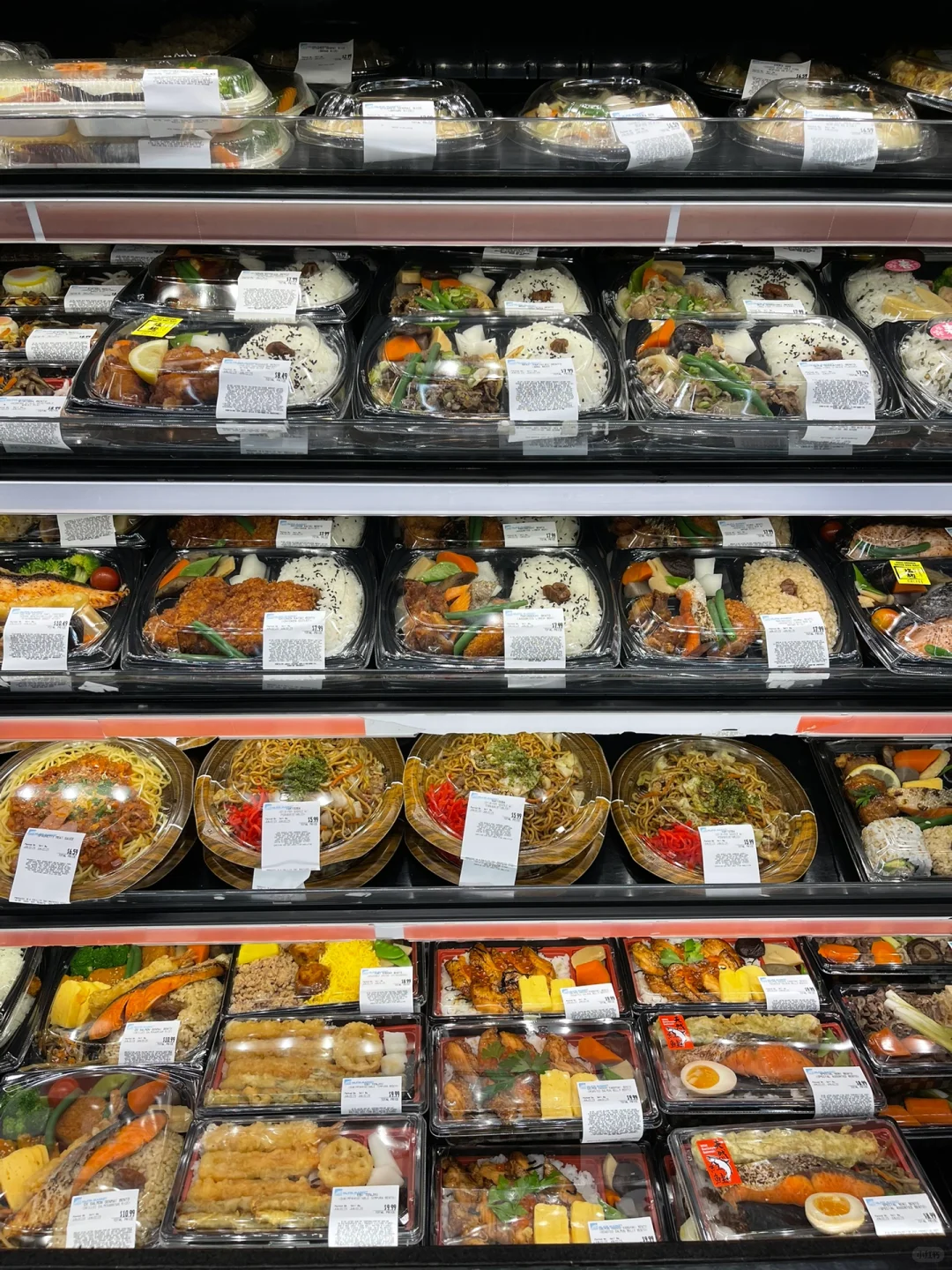
Sustainability Claims Need Evidence
Do not call a container eco-friendly based only on its material name.
Recyclability depends on local collection and sorting. Compostability depends on the entire finished product, a recognized test standard, and access to a suitable composting facility. Recycled-content claims should state the verified percentage and apply to the correct component.
If a buyer is considering bagasse, coated paperboard, PLA, or another alternative, compare its food performance and end-of-life route with the current plastic box. A material that fails during delivery can increase both packaging waste and food waste.
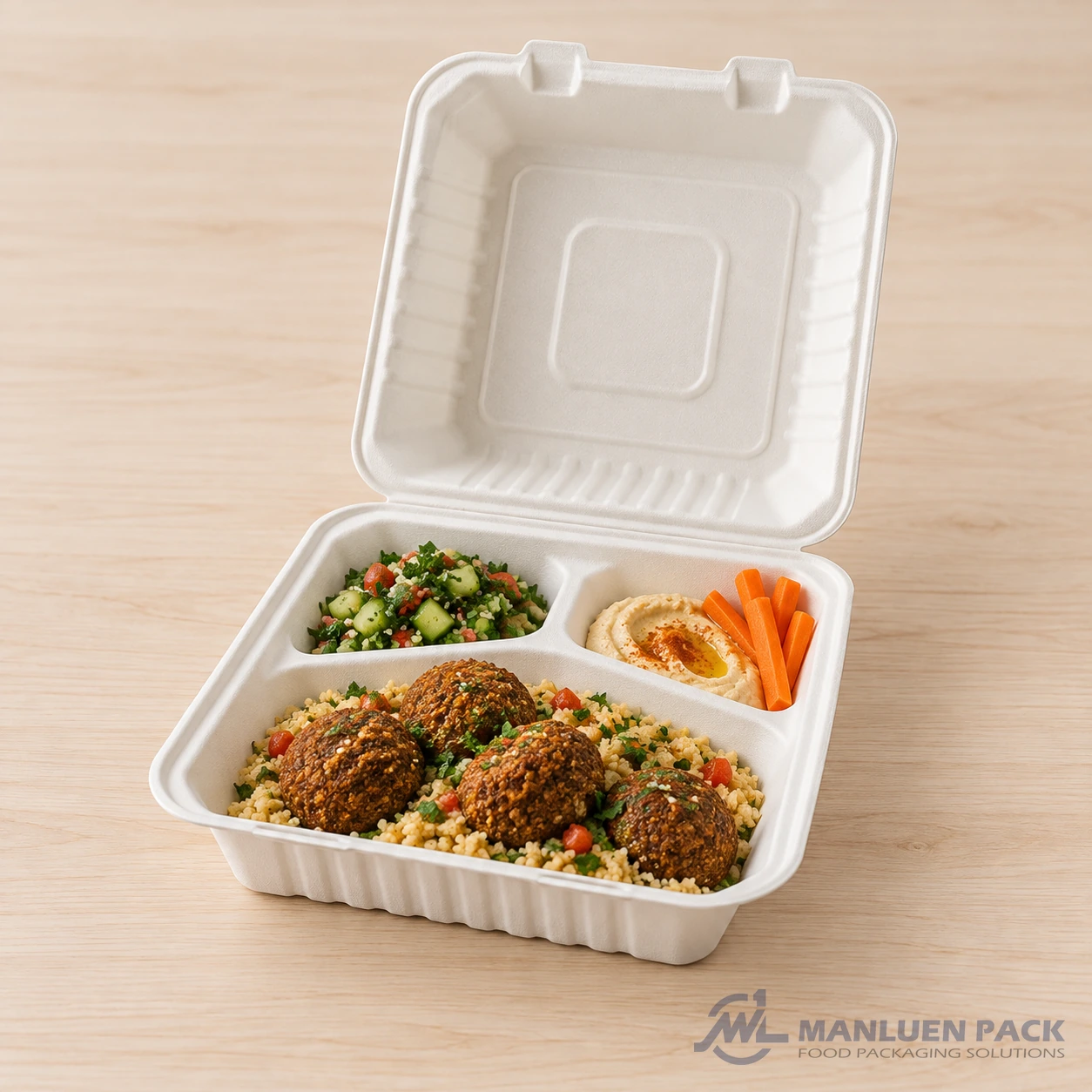
Wholesale Supplier Checklist
- Define the food and service conditions. State the food type, portion, fill temperature, storage, reheating method, and delivery time.
- Select the compartment layout. Confirm the usable dimensions of each section with real food.
- Review the lid. Test closure speed, stacking, transport, and sauce resistance.
- Match the documents to the SKU. Check the base, lid, color, additives, and conditions of use.
- Approve a production sample. Do not rely only on a catalog photo or generic sample.
- Confirm the commercial terms. Record MOQ, case pack, price, tooling, lead time, shipping terms, and defect remedies.
ManLuen lists available company and product documentation on its page des certifications. Buyers should request the current report for the selected SKU and target market.

Questions fréquemment posées
What is the best material for a to-go bento box?
There is no single best material. PP often suits hot meals and selected reheating uses. PS, OPS, and PET can support rigid or clear presentation for uses covered by their specifications. Choose the material around the food, temperature, storage, and target market.
Are all disposable bento boxes microwave-safe?
No. Use a disposable bento box in the microwave only when the finished product is labeled and documented for that use. Check whether the lid must be removed or vented.
How many compartments should a restaurant choose?
Use two compartments when the menu needs a simple main-and-side split. Use three or more when several foods must stay apart. Test the actual portion because equal-looking sections may have different usable volumes.
What is the wholesale MOQ?
MOQ depends on the model, stock, color, case pack, printing, and tooling. Use the request-a-quote form to confirm samples, current MOQ, price, and production time.
Does a general factory certificate cover every bento box?
No. A factory certificate does not replace product-specific food-contact documents. Ask for evidence that identifies the selected body, lid, material, color, and intended conditions of use.
Comment prendre contact
Phone: +86-17328007523
Email: info@manluenpack.com
Conclusion
A good to-go bento box fits the food, closes reliably, and has documents that match its intended use. Compare compartments and materials first, then test the lid, stacking, delivery, and reheating conditions with production samples. Learn more about ManLuen or browse additional food packaging guides before preparing a wholesale specification.
References
U.S. Food and Drug Administration. Food Packaging and Other Substances that Come into Contact with Food.
Used to explain how FDA evaluates food-contact substances and intended uses.
U.S. Food and Drug Administration
U.S. Food and Drug Administration. Determining the Regulatory Status of Components of a Food Contact Material.
Used for U.S. food-contact authorization routes and component-level compliance.
U.S. Food and Drug Administration
U.S. Food and Drug Administration. Food Types and Conditions of Use for Food Contact Substances.
Used to explain why food type, temperature, duration, storage, and reheating matter.
U.S. Food and Drug Administration
European Union. Commission Regulation (EU) No 10/2011 on Plastic Materials and Articles Intended to Come into Contact with Food.
Used for the EU food-contact plastics framework and migration requirements.
EUR-Lex
U.S. Department of Agriculture, Food Safety and Inspection Service. Cooking with Microwave Ovens.
Used for the recommendation to use only containers specifically made and labeled for microwave use.
Service de sécurité alimentaire et d'inspection du USDA

ManLuen Plastic Packaging Company, spécialisée dans la production d'emballages alimentaires en plastique depuis plus de 20 ans. Nos produits sont fabriqués à partir de PP, PS et OPS vierges et sans BPA, conformes aux normes de la FDA et aux normes européennes.
 FR
 EN
 ZH
 PT
 ES
 KO
 JA