
Introduction
How to recycle Styrofoam packaging in the United States depends on what the foam is made from, whether it is clean, and whether a specialized collection program operates near you.
Most white rigid packaging foam is expanded polystyrene, or EPS. It is technically recyclable, but most curbside programs do not accept it because the material is extremely light, bulky, easily contaminated, and expensive to transport before it is compacted.
That does not mean EPS recycling is imaginary. An industry survey reported that 168.6 million pounds of EPS were recycled in North America in 2022, including 61.6 million pounds of post-consumer material. The survey was voluntary and did not include every recycler, so it should be understood as industry-reported recovery data rather than a complete government count.
The challenge for households and businesses is getting eligible foam into the correct specialized stream. The resin identification code alone does not guarantee local acceptance, and foam made from polyethylene or polyurethane cannot be mixed with EPS.
This 2026 guide explains how to identify packaging foam, prepare EPS for recycling, find a drop-off or mail-back program, handle food-service foam, understand state restrictions, evaluate alternatives, and ask suppliers the right questions before purchasing new packaging.
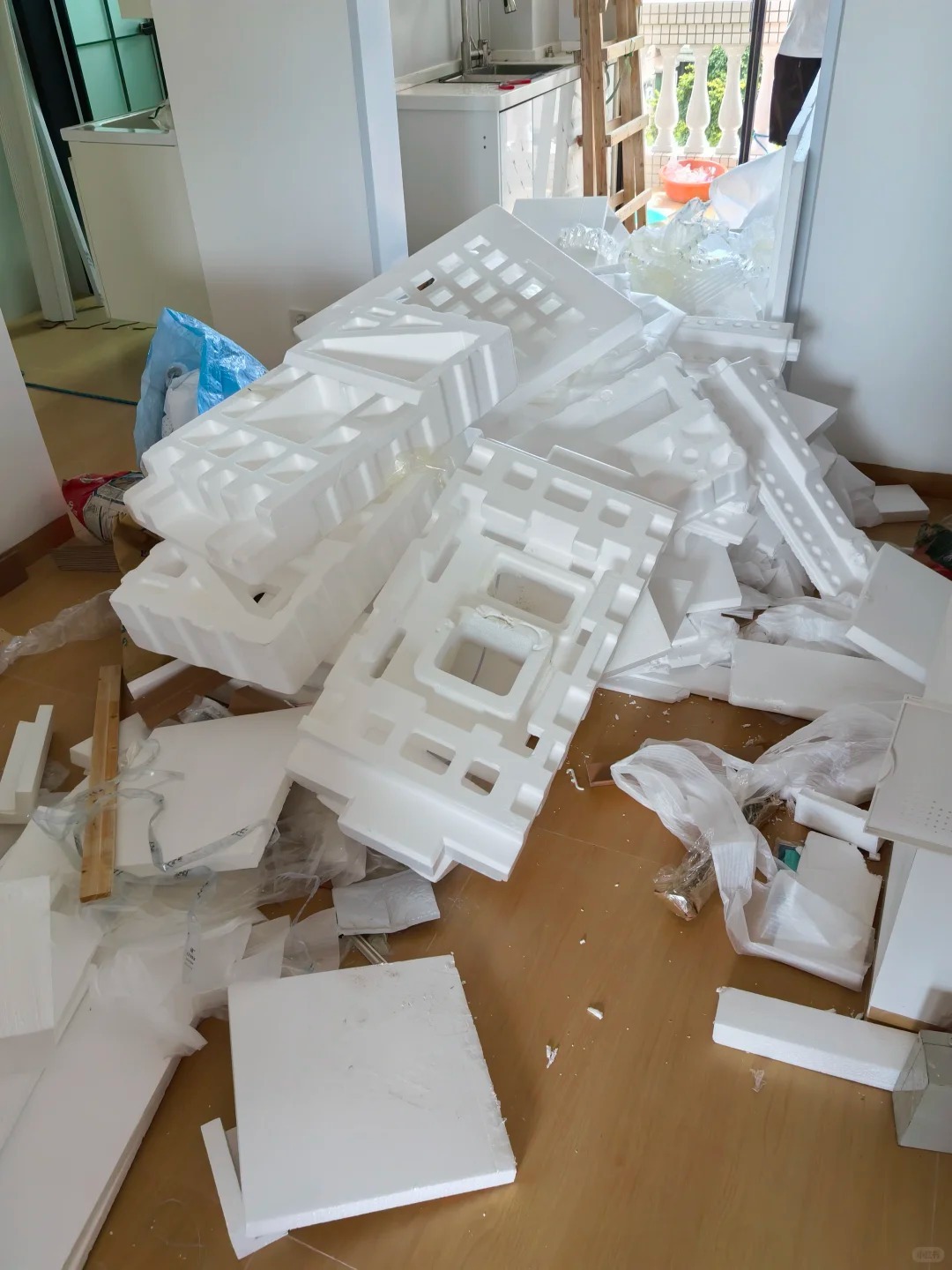
How to Recycle Styrofoam Packaging: The Quick Answer
Most packaging commonly called Styrofoam can be recycled only through a specialized foam program—not automatically through a household recycling cart.
Use this five-step process:
- Identify the foam. Confirm that it is rigid expanded polystyrene, usually marked PS or #6. Do not assume every white foam is EPS.
- Check local acceptance. Ask your municipal program or waste hauler whether EPS is accepted curbside. If it is not, use a dedicated EPS recycling map.
- Prepare the material. Remove tape, labels, film, cardboard, lids, straws, and other attachments. Rinse or wipe food containers and keep all foam clean and dry.
- Follow the site’s rules. Confirm whether the location accepts transport packaging, food-service foam, coolers, meat trays, colored foam, or only selected categories.
- Use business collection for large volumes. Restaurants, retailers, warehouses, and manufacturers should contact a foam recycler or hauler instead of filling a residential drop-off with commercial quantities.
Never place foam in a curbside bin unless the local program specifically lists that material and form as accepted. When no recycling option exists, prioritize reuse, supplier take-back, reduced packaging, or a locally recoverable alternative.
What Is Styrofoam Packaging?
“Styrofoam” is often used as a generic name for white packaging foam, but technically it is a trademark associated with extruded polystyrene insulation. Most molded packaging blocks, foam coolers, cups, trays, and clamshells are made from expanded polystyrene.
The difference matters because several foams that look similar belong to different polymer families and cannot use the same recycling stream.
| Foam Type | Common Identification | Typical Uses | Correct Recycling Route |
|---|---|---|---|
| Expanded polystyrene (EPS) | Rigid beaded foam; often white; PS or #6 | Appliance inserts, coolers, food trays, cups, clamshells | Specialized EPS collection, drop-off, or mail-back |
| Extruded polystyrene (XPS) | Smooth rigid board; often blue, pink, or green | Building insulation and construction panels | Construction-material or specialty program if available |
| Polyethylene foam | Flexible or resilient foam; may be LDPE #4 | Protective sheets, planks, corner pads, electronics packaging | PE-foam or manufacturer-specific return program |
| Polyurethane foam | Foam-in-place cushions, including Instapak products | Custom shipping cushions and blocking | Manufacturer return, reuse, or another approved local route |
| Starch loose fill | Lightweight packing peanuts that may dissolve in water | Shipping void fill | Reuse or disposal/composting according to manufacturer and local rules |
Do not use color alone to identify a foam. Look for a resin code, product label, safety data, packaging specification, or manufacturer instructions. If the material cannot be identified, a recycler may reject it because mixed polymers can reduce the quality of recovered EPS.
Is Styrofoam Packaging Recyclable?
Yes, clean expanded-polystyrene packaging can be mechanically recycled through facilities that collect, sort, compact, and reprocess EPS. The practical answer, however, depends on local infrastructure and the specific foam product.
El Foam Recycling Coalition explains that foam products are more than 90% air. Specialized equipment called a densifier compacts the material so that more polystyrene can be transported economically. The organization gives a useful logistics comparison: a 48-foot truckload of baled foam polystyrene may weigh about 16,000 pounds, while a truckload of densified foam can weigh about 40,000 pounds.
This difference explains why EPS may be recyclable at a dedicated site but unacceptable in a conventional curbside system. A municipal material recovery facility may lack the storage space, densifier, contamination controls, and end-market relationship needed to handle loose foam.
The answer also differs by product form:
- Clean protective EPS blocks: commonly accepted by specialty programs.
- Foam coolers: accepted by some programs after labels, tape, and non-foam parts are removed.
- Food-service cups and containers: accepted only where the program specifically permits them and usually only when empty and clean.
- Packing peanuts: often excluded from densifier programs; reuse may be preferable.
- Black, very small, or heavily contaminated foam: frequently rejected.
- XPS construction board, PE foam, and polyurethane foam: not part of the ordinary EPS packaging stream.
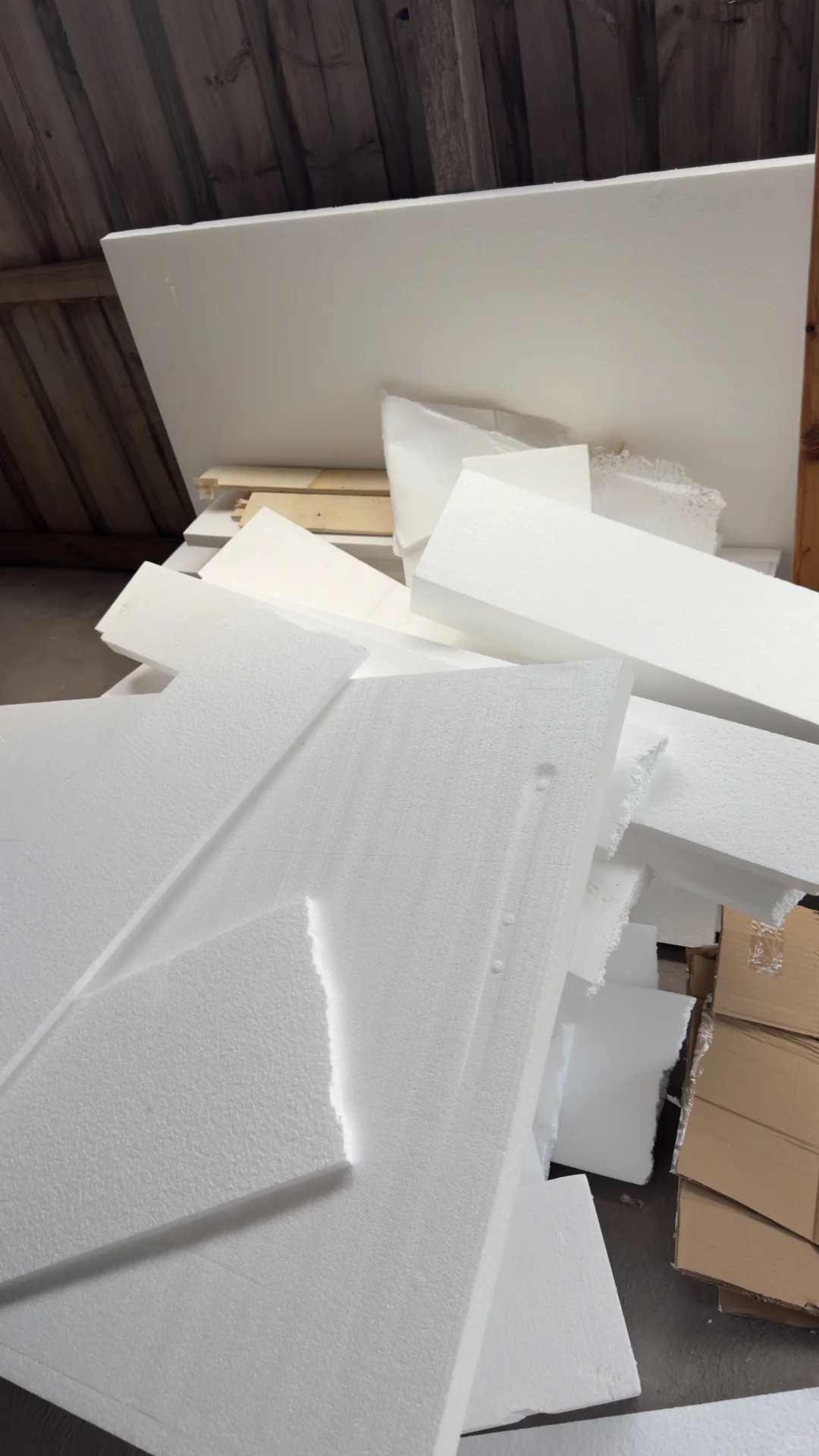
Eps Foam Boards And Polystyrene Packaging Waste
Does the #6 Symbol Mean Foam Is Recyclable?
No. The #6 resin identification code identifies polystyrene. It does not promise that the package is accepted by a local collection program, technically compatible with a particular recycler, or actually recycled after collection.
Three separate questions must be answered:
- Material: Is the item genuinely EPS or another form of polystyrene?
- Program: Does the local service accept that product form?
- Condition: Is the material clean, dry, large enough, and free of prohibited attachments?
A cup marked #6 may be rejected while a clean appliance-protection block with the same code is accepted. Conversely, some facilities accept rinsed food-service EPS in addition to transport packaging. Always follow the receiving program’s current instructions.‘
Why Is EPS Foam Difficult to Recycle?
EPS recycling is limited by collection economics and material condition rather than by a complete absence of recycling technology.
It is lightweight but occupies a large volume
Foam’s low density is useful for product protection and insulation but inefficient for storage and transportation. Moving loose EPS means paying to transport mostly air. Densification solves part of that problem, but it requires equipment, space, labor, electricity, maintenance, and a reliable outlet for the compacted material.
Many sorting facilities are not designed for foam
Loose foam can break into small pieces, spread through a facility, become mixed with paper, or be difficult for conventional sorting equipment to capture. A curbside program may therefore exclude it even when a private drop-off elsewhere in the region accepts the same polymer.
Food and other materials create contamination
Oil, sauce, meat residue, frosting, moisture, tape, labels, cardboard, film, and different plastics can interfere with collection and reprocessing. Requirements vary: some recyclers operate washing systems and accept rinsed food-service products, while others accept only clean protective packaging.
It is inaccurate to assume that one dirty clamshell will automatically cause every entire truckload to be landfilled. The actual result depends on the recycler’s process, contamination limits, sorting capability, and end market. The practical rule remains the same: submit only the materials and conditions listed by the receiving program.
End markets and transport distance affect acceptance
Collected EPS must have a buyer or processor. Programs are more viable when they can accumulate consistent volumes, densify locally, and ship recovered material to manufacturers. Long distances and irregular supply can make a technically recyclable material uneconomic in a particular community.
What Types of Foam Packaging Can Be Recycled?
Use this table as an initial screen. The receiving facility’s rules always take priority.
| Packaging Item | Typical Material | Likely Route | Preparation or Limitation |
|---|---|---|---|
| Appliance and electronics blocks | Rigid EPS | Often accepted by EPS specialty programs | Remove tape, film, cardboard, and labels |
| Foam shipping cooler | Usually EPS | Accepted at some EPS drop-offs | Empty, clean, dry, and remove non-foam components |
| Foam cup or takeout box | Usually EPS | Accepted only by programs allowing food-service foam | Rinse or wipe clean; local bans may prohibit sale or use |
| Meat or produce tray | Often EPS | Program-specific | Clean thoroughly; remove absorbent pad and film |
| Egg carton | EPS, PET, or fiber | Depends on the actual material | Identify first; do not mix different materials |
| Packing peanuts | EPS or starch | Reuse or a location that explicitly accepts loose fill | Many EPS drop-offs exclude peanuts |
| Soft resilient foam sheet | Often PE | PE-foam or manufacturer program | Do not place in an EPS bin |
| Instapak foam cushion | Polyurethane | Sealed Air return program or approved local route | Not EPS; manufacturer says returned foam may be recycled or sent to energy recovery depending on location |
| Building insulation board | Often XPS or EPS | Construction-waste or specialty program | May contain facings, adhesives, dirt, or other construction materials |
How to Recycle Styrofoam Packaging Step by Step
Step 1: Identify the material
Look for PS, EPS, or the #6 code. Rigid EPS often has a visible fused-bead texture and snaps rather than bending. Do not rely on appearance alone when a label or specification is available.
If the product says XPS, PE, EPE, Ethafoam, polyurethane, PU, or Instapak, stop and find the correct manufacturer or material-specific route. Putting those materials into an EPS collection can contaminate the load.
Step 2: Ask whether curbside collection accepts it
Check the official website of the municipality or contracted waste hauler. Search for “expanded polystyrene,” “EPS,” “foam #6,” and the specific product type.
Do not infer acceptance from the chasing-arrows symbol or from a neighboring city’s rules. Collection programs can differ across adjacent ZIP codes and may change when contracts or end markets change.
Step 3: Find a specialized drop-off or mail-back location
If curbside collection does not accept EPS, use:
- El EPS Industry Alliance recycling map
- El Foam Recycling Coalition map
- Earth911’s recycling search
- Dart Container’s public foam drop-off directory
- A state environmental agency, county solid-waste district, or local transfer station
Call or check the location immediately before traveling. Confirm operating hours, resident restrictions, fees, quantity limits, required bags, and accepted foam types. A directory listing is not a guarantee that every program is still active.
Step 4: Remove non-EPS components
Remove:
- Tape and shipping labels
- Plastic film and bags
- Cardboard and paper sleeves
- Lids, straws, absorbent pads, and utensils
- Metal clips, staples, and fasteners
- Different foams or rigid-plastic components
Do not break large clean pieces into tiny fragments unless the program tells you to do so. Small fragments are harder to contain and may become litter.
Step 5: Clean and dry food-service foam
Empty the package completely, remove food, and rinse or wipe it according to the recycler’s instructions. Let it dry before storage. Do not use excessive water or energy to clean a heavily contaminated item that the facility will not accept anyway; check the rules first.
Some programs accept food-service foam, while others accept transport packaging only. Dart states that its public locations accept specified #6 foam items, including cups, takeout containers, egg cartons, coolers, rinsed meat trays, and protective packaging, but each location has its own requirements.
Step 6: Keep EPS separate and contained
Store clean EPS separately from cardboard, film, PE foam, polyurethane, and trash. If the drop-off requests a transparent bag, use one so staff can inspect the contents. Keep the material protected from rain, dirt, and wind.
Step 7: Deliver or ship only approved material
For mail-back, compare the environmental and financial cost of shipping a bulky low-density material with the amount recovered. Consolidate material when permitted and follow the recycler’s packaging instructions. Never ship foam to a facility without prior confirmation.
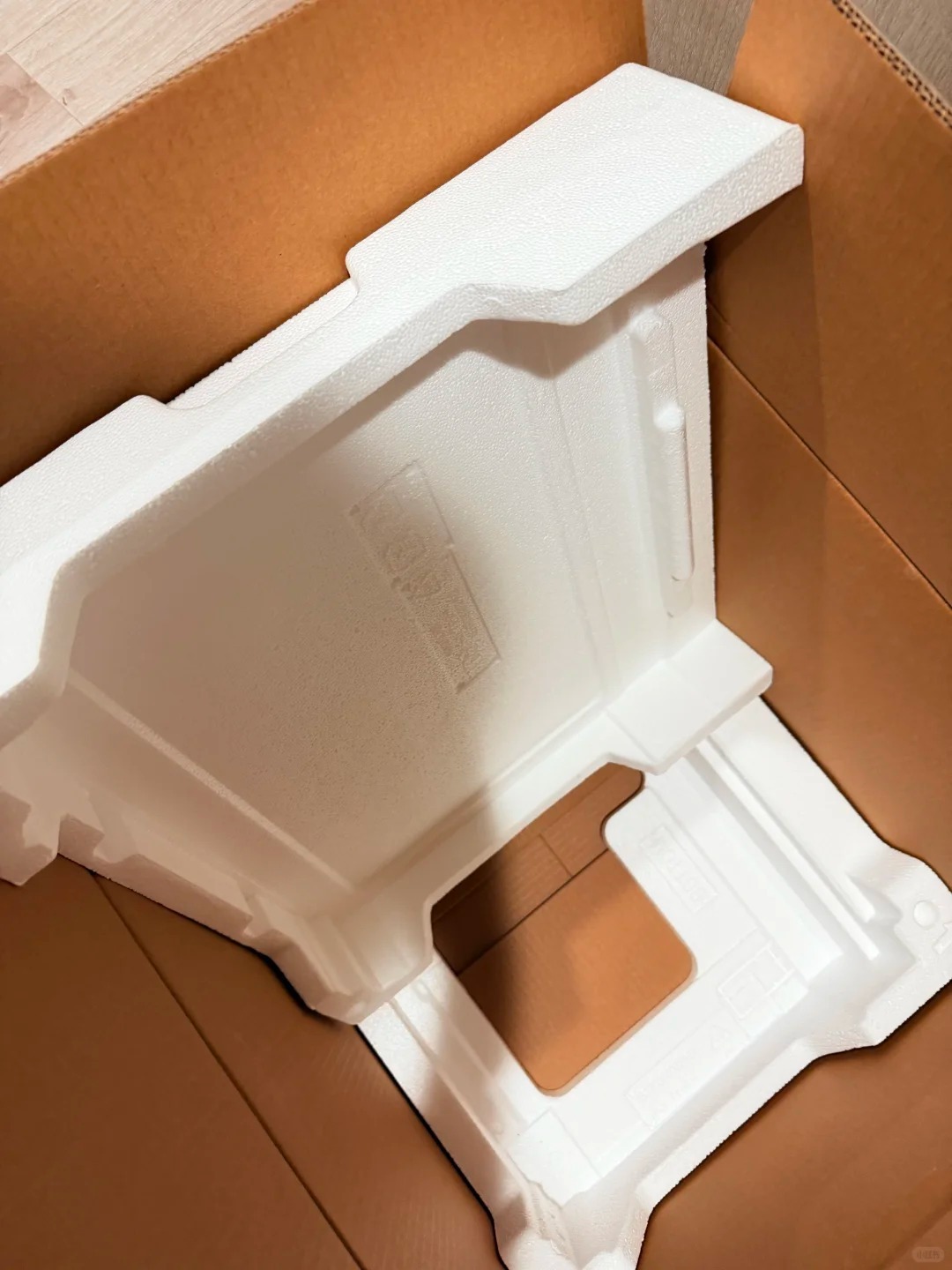
Where Can You Recycle Foam Packaging?
The correct channel depends on volume and foam type.
Municipal or county collection
Some public programs offer permanent drop-offs, seasonal events, or curbside foam collection. These may accept only residents, only clean transport packaging, or only certain sizes. Use official local guidance as the controlling source.
Manufacturer and industry drop-offs
Dart Container operates public foam recycling locations in communities where it has facilities. Its instructions require users to remove lids, straws, tape, and labels; rinse or wipe food containers; and avoid packing peanuts.
The EPS Industry Alliance map includes drop-off and mail-back options. The Foam Recycling Coalition map distinguishes programs that accept food packaging, transport packaging, or both.
Retail, shipping, and reuse channels
Local shipping stores sometimes reuse clean packing peanuts, but acceptance is not universal and should never be assumed for an entire chain. Call the individual store. Keep starch-based loose fill separate from EPS peanuts.
Commercial collection
Businesses producing consistent volumes should request quotes from regional foam recyclers, waste haulers, product distributors, or densifier operators. Ask about minimum volume, contamination limits, equipment, baling or bagging, pickup frequency, transportation responsibility, and end markets.
If a business generates enough clean EPS, on-site densification may improve storage and transport economics. Equipment should be evaluated against realistic volume, labor, maintenance, energy, fire safety, ventilation, permitting, and recovered-material value.
What Happens to EPS After Drop-Off?
The process varies by facility, but mechanical EPS recycling generally follows these stages.
- Inspection and sorting: Staff remove prohibited materials, different polymers, heavily contaminated pieces, and unacceptable colors or sizes.
- Cleaning when available: Some systems wash food-service foam; others accept only material that arrives clean.
- Size reduction and densification: Foam is compacted mechanically or thermally into much denser material for economical shipment.
- Reprocessing: Densified EPS may be ground, melted, filtered, and pelletized into recovered polystyrene feedstock.
- Manufacturing: Recovered polystyrene can be used in products such as picture frames, crown molding, furniture components, safety equipment, automotive components, insulation, or new packaging where the material and regulatory system permit.
The Foam Recycling Coalition reports demand for densified and pelletized foam polystyrene in products such as picture frames and crown molding. The EPS Industry Alliance’s 2022 survey reported 107 million pounds of pre-consumer EPS and 61.6 million pounds of post-consumer EPS within the 168.6 million pounds recycled in North America that year.
Those figures show that an EPS recovery market exists, but they do not prove that every community or every foam product has practical access. The survey was voluntary and industry-supported, and its methodology notes that participation was not complete.
Food Packaging Spotlight: Cups, Trays, and Takeout Containers
Food-service EPS is more difficult to recover than clean appliance or electronics packaging because it may contain oil, sauce, meat residue, moisture, labels, absorbent pads, or mixed-material components.
For a household:
- Check whether the receiving program accepts food-service EPS.
- Remove all food and separate lids, film, pads, and labels.
- Rinse or wipe the container as required and let it dry.
- Do not place rejected foam in the curbside recycling cart.
For restaurants, supermarkets, commissaries, and distributors, back-of-house separation should be designed around volume and contamination. A useful program needs clearly labeled collection points, staff training, acceptable-item photographs, storage that prevents windblown litter, and a confirmed recycler.
Food-contact compliance and recyclability are different questions. FDA authorization for an EPS resin or component under its intended food-contact conditions does not mean a local recycler accepts the finished container. Likewise, acceptance by a foam recycler does not establish that recycled resin can be used in a new food-contact package.
US EPS Restrictions Buyers Should Know in 2026
State and local laws differ in scope, exemptions, regulated parties, and effective dates. The table below is a selected compliance snapshot, not a complete national map.
| Jurisdiction | Verified Position | Important Scope Point |
|---|---|---|
| California | EPS food-service-ware producers needed to demonstrate a 25% recycling rate from January 1, 2025. CalRecycle states the requirement was not met and covered producers are prohibited from selling, distributing, or importing EPS food-service ware in or into the state. | Part of SB 54; review producer definitions, covered materials, exclusions, and current CalRecycle guidance. |
| New York State | The ban on covered EPS disposable food-service containers and polystyrene loose fill began January 1, 2022. Covered cold-storage foam containers were added from January 1, 2026. | Exemptions apply to specified products and circumstances; New York City operates under its own local ban. |
| New York City | Businesses and covered organizations cannot sell, distribute, or use specified single-use EPS foam items; loose-fill foam packaging is also restricted. | Residents are not subject to the business-use ban, and specified prepackaged food, raw-meat trays, and protective shipping blocks are exceptions. |
| Washington State | Loose-fill EPS packaging was restricted from June 1, 2023; covered EPS food-service products and portable coolers were restricted from June 1, 2024. | Check Washington Department of Ecology guidance for exemptions and affected parties. |
| New Jersey | State rules restrict the sale and provision of polystyrene foam food-service products, subject to exemptions and waivers. | Specified raw-meat/fish trays and manufacturer-prepackaged foods have exemptions through May 4, 2027 unless extended. |
Do not treat a recycling symbol as permission to sell a product in a jurisdiction where that format is restricted. Packaging buyers should check the state and city of sale, product category, responsible party, exemptions, inventory rules, and enforcement guidance before approving an EPS SKU.
Alternatives to EPS Packaging
An alternative should protect the product through the real supply chain and have a realistic recovery or disposal route in the market where it is sold. Replacing EPS with a heavier, poorly performing, or locally unrecoverable package can shift rather than solve the environmental problem.
| Use Case | Potential Alternative | Possible Advantage | Trade-Off to Verify |
|---|---|---|---|
| Hot takeaway meals | Molded fiber or bagasse container | Fiber-based construction and certified compostable options | Grease barrier, PFAS status, lid fit, composting access, added weight |
| Cold prepared food and sushi | PET, rPET, PP, or suitable fiber-based tray | Clear display or compatibility with selected recycling systems | Temperature, recycled-content food-contact basis, local acceptance |
| Shipping void fill | Kraft paper, corrugated inserts, or starch loose fill | Paper-recovery or compostable options where infrastructure exists | Weight, moisture, settling, dust, protection performance |
| Custom protective insert | Molded pulp, corrugated engineering, reusable EPP, or mycelium | Fiber recovery, reuse, or certified biological pathway | Tooling, capacity, cost, humidity, dimensional tolerance |
| Insulated shipping | Paper insulation, reusable thermal container, or another tested system | Potential curbside or reuse pathway | Thermal duration, condensation, payload, return logistics |
| Reusable food transport | Durable PP container or returnable transport packaging | Multiple use cycles can reduce single-use demand | Collection, washing, loss rate, reverse logistics, food safety |
PLA is not automatically the best EPS replacement. Certified PLA products typically require controlled composting conditions and may be rejected from conventional plastic-recycling streams. Similarly, a package described as paper may contain polymer coatings or other components that affect repulpability or compostability.
Choose alternatives through performance testing and local-system verification rather than a single material label.
Five Questions Food Packaging Buyers Should Ask Suppliers
Restaurants, supermarkets, distributors, delivery platforms, and food brands should ask these questions for each packaging SKU:
- What is the exact material and construction?
Identify EPS, XPS, solid PS, PE, polyurethane, coatings, skins, labels, pads, adhesives, and every detachable component. - Where can this specific package be recovered?
Request named programs or end markets and verify them independently. “Technically recyclable” is not the same as locally accepted. - What food-contact documentation applies?
Ask for the US regulatory basis, resin and additive identity, conditions of use, declarations, migration evidence where needed, and change-control process. - Which substance and recycled-content rules apply?
Confirm intentionally added PFAS, other restricted substances, recycled-content claims, and state or export-market requirements. - Has the alternative been tested through the complete supply chain?
Compare product damage, food waste, leakage, thermal performance, case packing, pallet efficiency, collection, reuse, recycling, composting, and total cost.
Do not ask whether a package is simply “green,” “biodegradable,” or “FDA approved.” Ask what it is, what evidence supports the claim, and what happens to it in the actual target market.
Preguntas frecuentes
Can Styrofoam packaging be recycled?
Expanded-polystyrene packaging can be recycled through specialized programs. Most US curbside systems do not accept it, so households usually need a dedicated drop-off or mail-back location.
Where can I recycle Styrofoam packaging?
Check your municipal waste program first. If curbside collection does not accept EPS, use the EPS Industry Alliance map, Foam Recycling Coalition map, Earth911, Dart’s public drop-off directory, or an official state or county recycling directory. Confirm the location’s rules before traveling.
Can Styrofoam go in a regular recycling bin?
Only when the local curbside program explicitly accepts the exact foam type. Otherwise, placing EPS in the bin can interfere with sorting and may cause the item to be disposed of as residue.
Is white foam packaging recyclable?
White rigid EPS packaging is often the foam most likely to be accepted by specialty programs, provided it is clean and free from tape, labels, cardboard, film, and other materials. White color alone does not prove the foam is EPS.
Is polystyrene packaging recyclable?
Both solid and expanded polystyrene can be technically recyclable, but collection systems differ. A program accepting rigid solid #6 plastic may not accept EPS foam, and an EPS drop-off may not accept every solid-polystyrene product.
How do I recycle packing peanuts?
First determine whether they are EPS or starch-based. Ask local shipping stores whether they reuse clean peanuts, and call before delivery. Many EPS densifier programs, including Dart’s public locations, do not accept packing peanuts.
Is Instapak foam packaging recyclable?
Instapak is polyurethane foam, not EPS. It should not be placed in a #6 foam drop-off. Sealed Air lists return locations and states that the downstream route can include recycling into products or energy recovery, depending on the region. Energy recovery is not the same as recycling.
Are foam takeout containers recyclable?
Some specialty programs accept empty, rinsed EPS cups and takeout containers; others accept only protective transport foam. Local laws may also prohibit the sale or use of EPS food-service ware. Check both the recycler’s acceptance list and the jurisdiction’s packaging rules.
Is Styrofoam biodegradable?
Conventional EPS and XPS do not biodegrade like food waste or certified compostable materials. They can fragment into smaller pieces, but fragmentation is not composting or harmless biological decomposition.
What should I do when no foam recycler is nearby?
Reuse clean protective pieces, ask the shipper or manufacturer about take-back, investigate a confirmed mail-back program, consolidate commercial quantities, and request lower-waste or locally recoverable packaging for future orders. If none of those routes is practical, follow local disposal rules and focus on reducing future foam use.
Is polystyrene packaging recyclable in the UK?
It is technically recyclable, but household collection varies by council and product form. UK readers should use their council’s current waste guidance or a verified EPS recycler map rather than relying on US drop-off directories.
Conclusion
Knowing how to recycle Styrofoam packaging begins with correct identification. Most rigid white packaging foam is EPS, but XPS insulation, polyethylene foam, polyurethane Instapak cushions, and starch loose fill require different routes.
For EPS, check the local program, find a specialized drop-off when necessary, remove non-foam components, keep the material clean and dry, and follow the receiving site’s acceptance rules. Businesses generating larger volumes should work directly with a recycler or hauler and evaluate whether collection or densification is economically practical.
Recycling access is only one part of the purchasing decision. California, New York, Washington, New Jersey, and many local jurisdictions restrict specified EPS products, particularly food-service ware. Buyers must verify the rules for each state and city of sale before approving packaging.
When switching away from EPS, compare product protection, food waste, weight, temperature performance, food-contact compliance, reuse, recyclability, compostability, and local infrastructure. No alternative is automatically best in every application.
For customized food trays, takeaway containers, sushi packaging, cake containers, bowls, lids, and molded-fiber options, buyers can provide Manluen with the food type, temperature range, target market, distribution route, and required end-of-life pathway. Production samples and filled-package testing should be completed before commercial approval.
References
Foam Recycling Coalition. About Foam Recycling.
Used for the explanation that foam is more than 90% air, the role of densification, transport-density comparison, and the US and Canadian foam-recycling map.
Foam Recycling Coalition
EPS Industry Alliance. 2022 Expanded Polystyrene Transport Packaging Recycling Report.
Used for the industry-reported North American EPS recovery figures, pre-consumer and post-consumer quantities, methodology limitations, and end-market examples.
EPS Industry Alliance
EPS Industry Alliance. Find an EPS Recycler.
Used for the current EPS drop-off map and mail-back directory available to US consumers and businesses.
EPS Industry Alliance
Dart Container. Foam Recycling Centers.
Used for public drop-off information, accepted #6 foam categories, preparation instructions, packing-peanut exclusion, and recycled-product examples.
Dart Container
Sealed Air. Instapak Foam Return Locations.
Used to identify Instapak as polyurethane foam and explain its manufacturer-specific return options and varying downstream routes.
Sealed Air
CalRecycle. SB 54 Plastic Pollution Prevention and Packaging Producer Responsibility Act.
Used for California’s EPS food-service-ware recycling-rate requirement, the current prohibition resulting from the unmet rate, and SB 54 implementation context.
CalRecycle
New York State Department of Environmental Conservation. Polystyrene Foam Ban.
Used for the statewide food-service-container and loose-fill ban, the January 2026 cold-storage-container expansion, exemptions, and PFAS purchasing guidance.
New York State Department of Environmental Conservation
NYC311. Foam Ban.
Used for New York City’s prohibited products, affected businesses, resident status, exceptions, and enforcement information.
NYC311
Washington State Department of Ecology. Expanded Polystyrene Ban.
Used for the effective dates and covered loose-fill packaging, food-service products, and portable coolers in Washington State.
Washington State Department of Ecology
New Jersey Department of Environmental Protection. Get Past Plastic FAQs.
Used for New Jersey’s restrictions on polystyrene foam food-service products and its current exemptions and waiver provisions.
New Jersey Department of Environmental Protection
U.S. Food and Drug Administration (FDA). Food Packaging & Other Substances that Come in Contact with Food.
Used to distinguish food-contact authorization and intended-use compliance from local recyclability and collection acceptance.
U.S. Food and Drug Administration
Earth911. Debate Over Expanded Polystyrene Recycling Gets Weighty.
Used as a historical industry source for the 2012–2013 EPS recovery figures and differing policy perspectives; it is not used as a current regulatory source.
Earth911
No More Styrofoam. Styrofoam Pollution Is a Major Environmental Threat.
Reviewed for the widely circulated landfill and cup-disposal claims. Because the page does not provide a transparent methodology for those figures, they are not presented in this article as verified national statistics.
No More Styrofoam

ManLuen Plastic Packaging Company, especializada en la producción de embalaje de alimentos de plástico durante más de 20 años. Nuestros productos están hechos de PP virgen y libre de BPA, cumpliendo con las normas de la FDA y europeas.
 ES
ES  EN
EN  ZH
ZH  FR
FR  PT
PT  KO
KO  JA
JA