
여러 냉장 식품 라인에서 포장을 비교하는 구매자에게 동일한 재료, 잠금장치, 취급 검사가 적용되며 일회용 스시 트레이 슈퍼마켓, 레스토랑, 포장 카운터에서 사용됩니다.
Quick Answer
Quick Answer
Aluminum foil (also written as aluminium foil) is one of the most widely used materials in food packaging. It appears in everyday products such as chocolate wrappers, yogurt lids, coffee pouches, snack packaging, frozen meal trays, and composite beverage cartons. Commercial buyers can compare these formats in Manluen’s aluminum foil container range.
The popularity of aluminum foil comes from its combination of barrier performance and processing advantages. A properly designed aluminum layer can help block oxygen, moisture, light, and external odors. These factors can affect food quality during storage and transportation.
So, is aluminum foil safe for packaging food?
Yes. Food-grade aluminum foil is generally safe when the packaging matches the food, temperature, and contact time. However, it is not suitable for every food or heating method.
Recommended Uses
Aluminum foil and aluminum containers are generally suitable for:
- Dry foods, baked goods, chocolate, coffee, and snacks.
- Frozen meals and short-term refrigerated storage.
- Ready meals and takeaway foods in containers designed for those uses.
- Conventional oven heating when the container is specifically rated for oven use.
- Foods packaged in coated or lined aluminum containers that are compatible with the intended food and temperature.
Uses We Do Not Recommend
Avoid or reconsider aluminum foil when:
- Acidic foods such as tomatoes, citrus, or vinegar-based dishes will touch bare aluminum for an extended period.
- Heavily salted foods or sauces will remain in direct contact with bare aluminum.
- Food will be stored for a long time in uncoated aluminum packaging.
- The container’s coating or liner is scratched, peeling, or otherwise damaged.
- You plan to use it in a microwave without clear permission from both the packaging supplier and the microwave manufacturer.
- The supplier cannot provide food-contact information for the exact aluminum, coating, liner, adhesive, and intended conditions of use.
Small amounts of aluminum can migrate into food under certain conditions. Acidic foods, salty foods, higher temperatures, longer contact times, and direct contact with exposed aluminum surfaces may increase migration. This does not automatically make aluminum packaging unsafe. It means buyers must match the package to the application.
Food packaging safety is not determined by aluminum alone. It depends on the complete packaging system, including the aluminum material, coatings or liners, food characteristics, contact duration, and temperature conditions.
For food manufacturers and packaging buyers, the practical rule is clear: use food-grade aluminum packaging for compatible foods and approved storage or heating conditions. Choose coated aluminum or another material for acidic foods, salty foods, extended storage, or uncertain microwave use.
The right solution should balance food protection, regulatory requirements, shelf life, processing needs, and end-of-life considerations. This guide explains how aluminum foil is used in food packaging, what scientific research says about aluminum migration, how regulators evaluate food-contact materials, and what buyers should verify before purchasing. It also compares aluminum with other materials used for food packaging.
What Is Aluminum Foil Packaging?
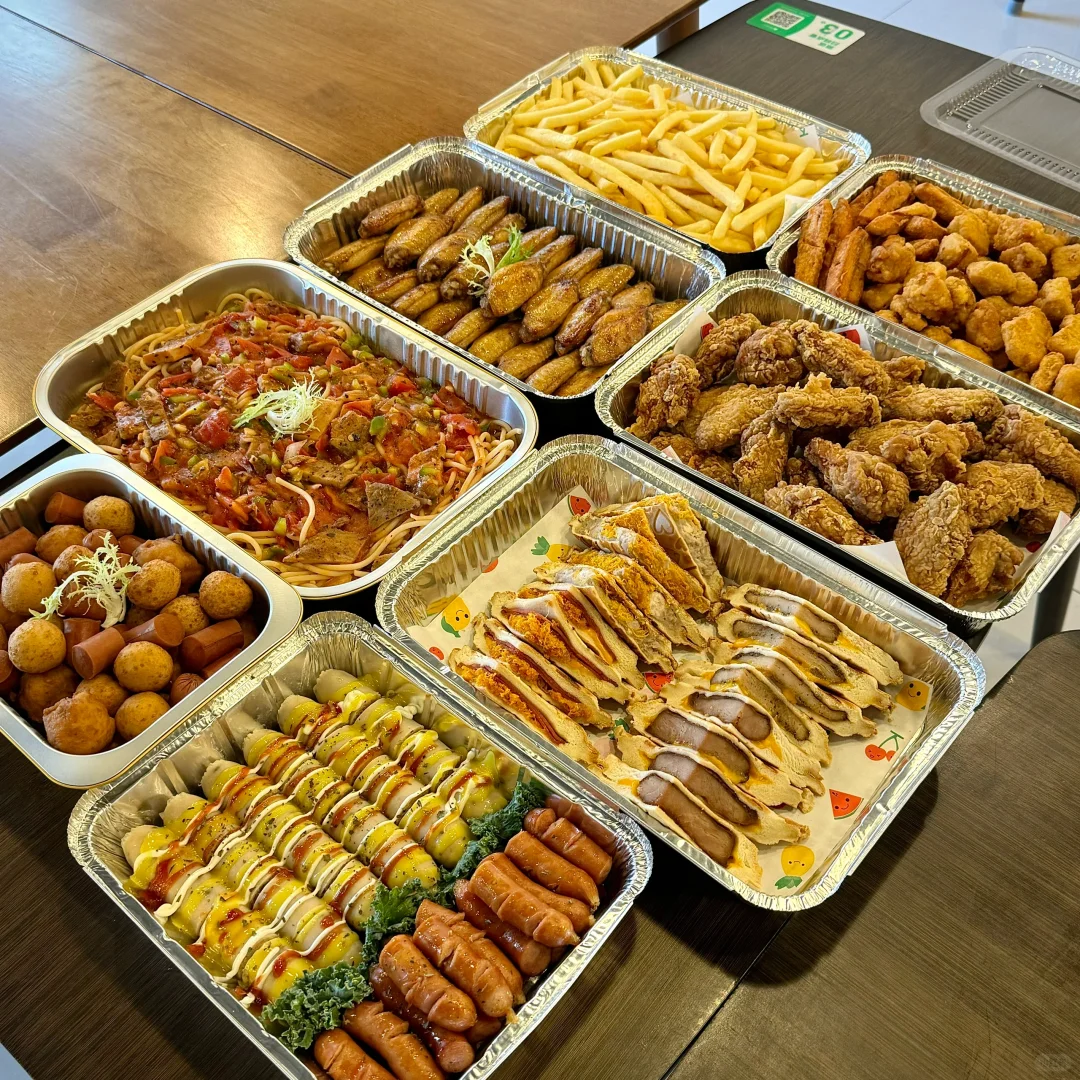
Aluminum foil packaging refers to food packaging products that use aluminum as a protective barrier layer or structural material. Depending on the application, aluminum can be used as a thin flexible foil, a semi-rigid container, or part of a multilayer packaging structure combined with other materials.
These different formats serve different packaging purposes. Thin foil is mainly used for wrapping and barrier protection, while aluminum trays provide structure and temperature resistance. In many commercial applications, aluminum is combined with coatings, plastics, paper, or adhesives to create a complete packaging system with specific performance requirements.
Aluminum Foil
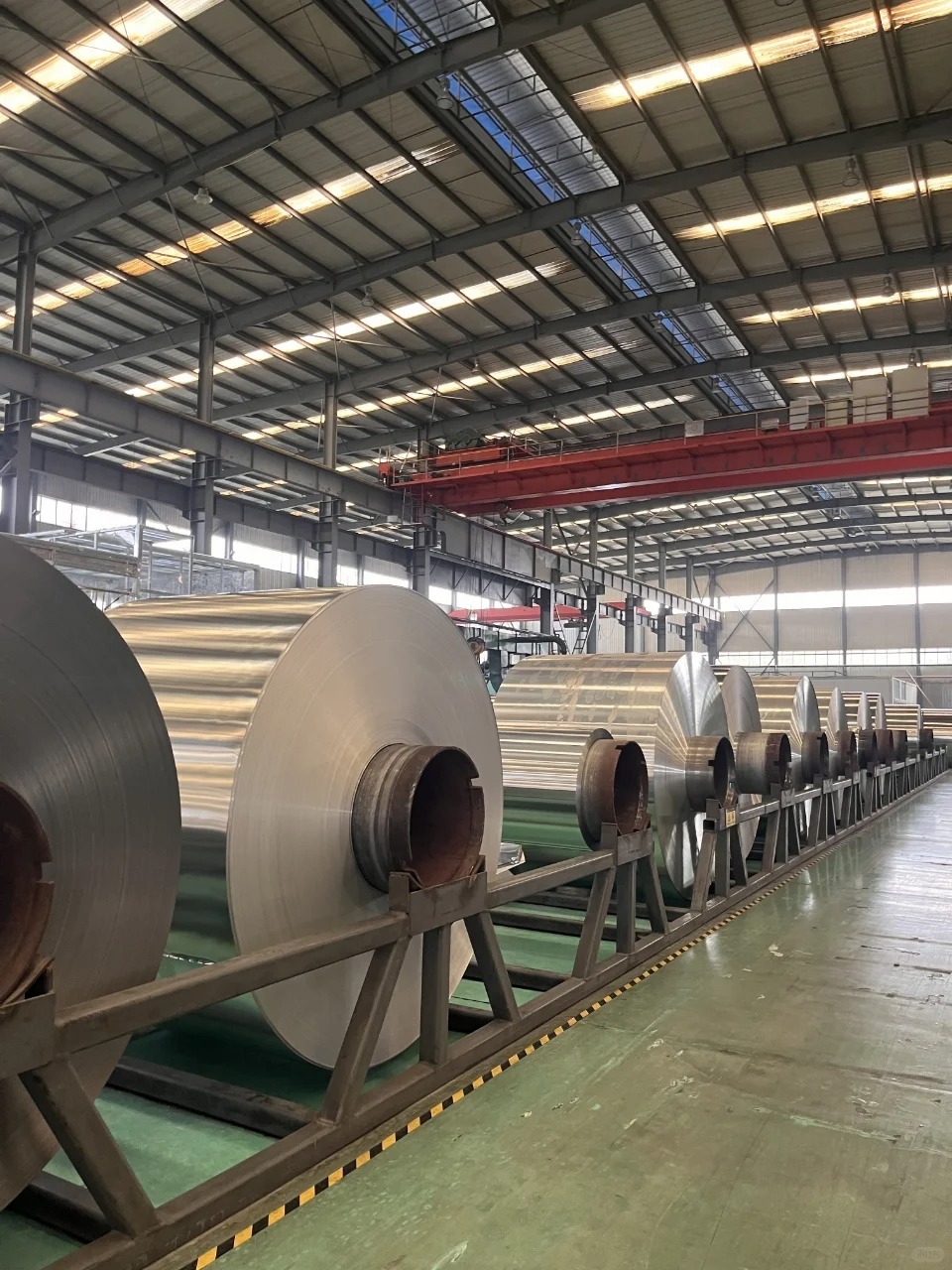
Aluminum foil is a thin sheet of aluminum produced through a rolling process that reduces aluminum into very small thicknesses while maintaining flexibility and barrier performance.
In food applications, aluminum foil is commonly used for:
- Chocolate and confectionery wrappers
- Butter and dairy product packaging
- Coffee and snack packaging laminates
- Household food wrapping
- Flexible food packaging structures
The main function of aluminum foil is not to provide structural strength but to create a protective barrier. A properly designed aluminum foil layer can help limit the movement of:
- Oxygen
- Moisture vapor
- Light
- External odors
Because aluminum foil is thin and flexible, it can closely wrap around products and irregular shapes. This property makes it useful for products where tight wrapping and protection from environmental exposure are important.
However, thin aluminum foil is only one type of aluminum packaging material. Commercial food packaging often uses additional layers or structures to improve strength, sealing performance, and compatibility with different foods.
Aluminum Packaging
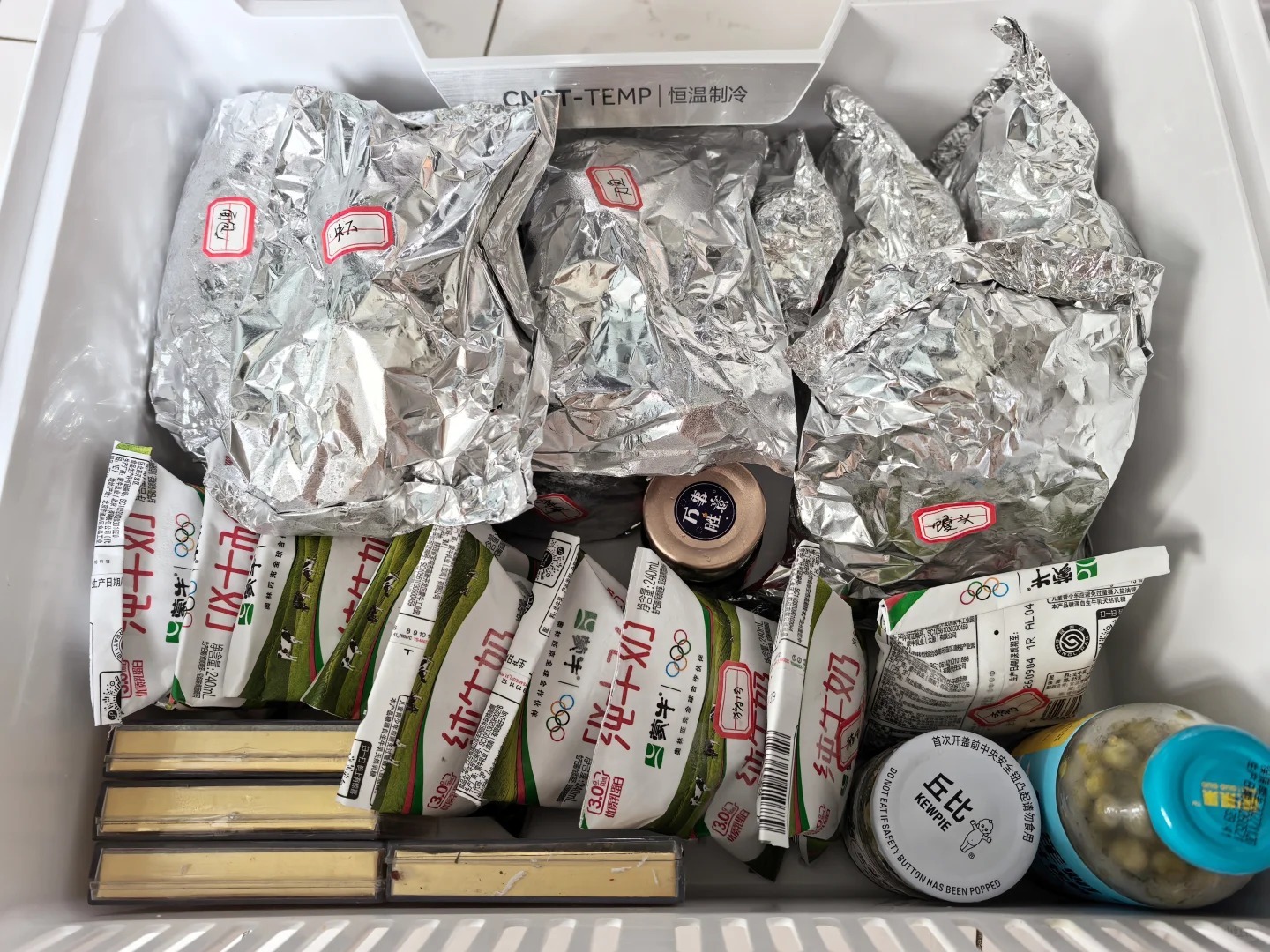
Aluminum packaging is a broader category that includes products made from aluminum foil, thicker aluminum sheets, and aluminum-based composite structures.
Common aluminum food packaging formats include:
- Thin foil packaging: Flexible materials used for wrapping, lids, and laminate structures.
- Semi-rigid aluminum trays: Formed containers used for ready meals, bakery products, frozen foods, and foodservice applications.
- Coated or laminated aluminum structures: Packaging systems that combine aluminum with coatings, polymer films, paperboard, or other materials.
Semi-rigid aluminum trays provide more mechanical strength than household foil. They can maintain their shape during storage, transportation, freezing, and heating applications when the package is designed for those conditions. Manluen’s aluminum foil food containers provide a practical example of this format, with several listed sizes for catering, baking, retail, and takeaway use.
Many commercial aluminum packages also include additional layers. For example, a coating or liner may be used on the food-contact surface, while other layers may improve sealing, printing, durability, or product protection.
The safety and performance of aluminum packaging therefore depend on the complete structure rather than aluminum alone. When selecting aluminum packaging, buyers should consider the intended food application, contact conditions, and the specifications of each packaging component.
Why Is Aluminum Foil Widely Used for Food Packaging?
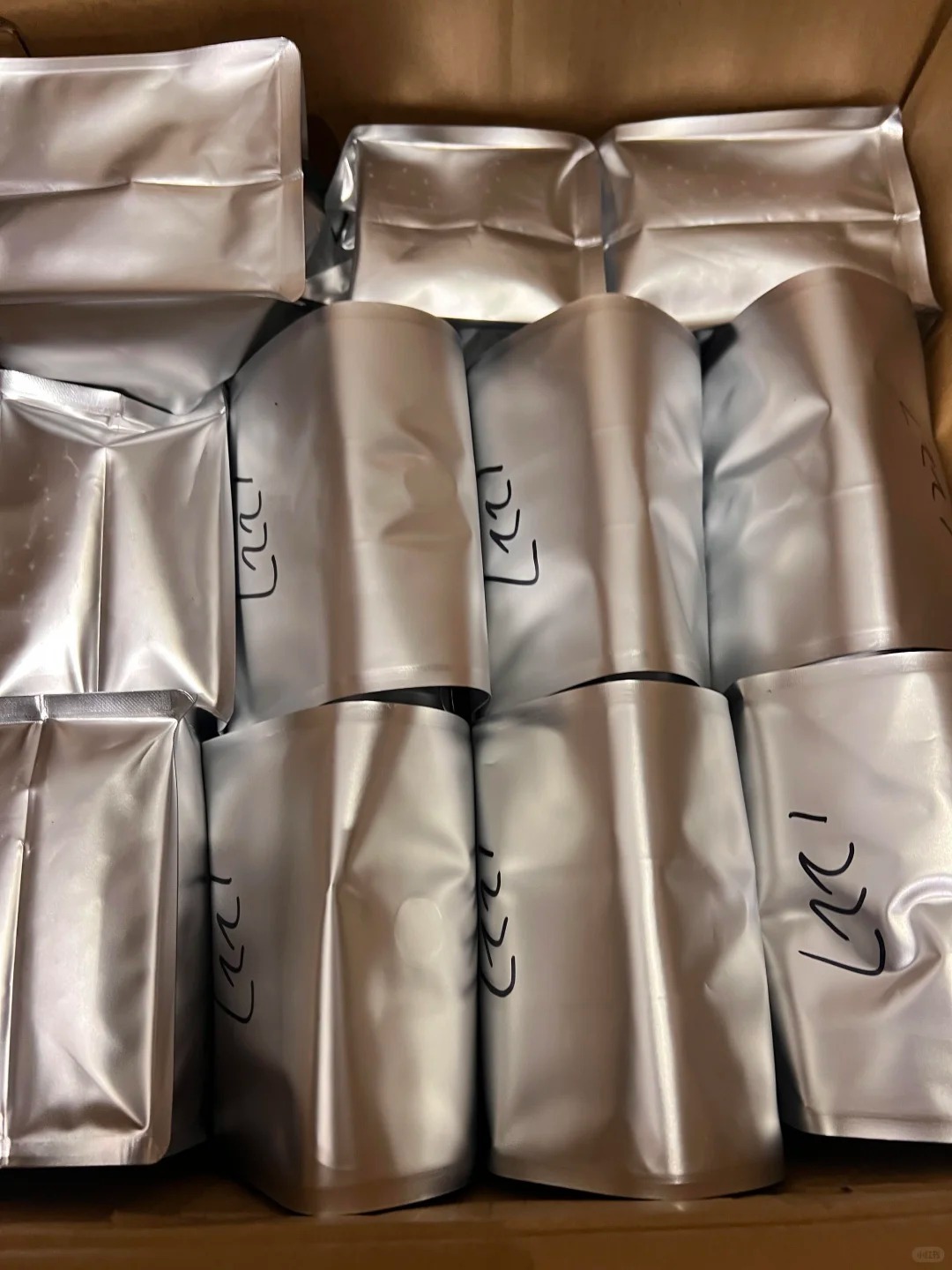
Aluminum foil is widely used in food packaging because it combines several useful properties in one material. It can protect food from environmental factors, perform under different temperature conditions, and be formed into different packaging shapes.
Unlike many packaging materials that provide only one type of protection, aluminum foil can help control several factors that affect food quality. This makes it suitable for products ranging from dry snacks and coffee to dairy products, ready meals, and frozen foods.
Excellent Barrier Protection
The main reason food companies use aluminum foil is its barrier performance. A properly designed aluminum foil layer can provide strong protection against oxygen, moisture, light, and external odors.
These properties are important because environmental exposure can reduce food quality:
- Oxygen can accelerate oxidation and affect flavor, color, and freshness.
- Moisture transfer can change the texture of dry foods such as snacks and biscuits.
- Light exposure can affect products that are sensitive to oxidation or quality changes.
- External odors can affect the taste and aroma of packaged foods.
For this reason, aluminum foil is commonly used in packaging applications where product protection is important, including:
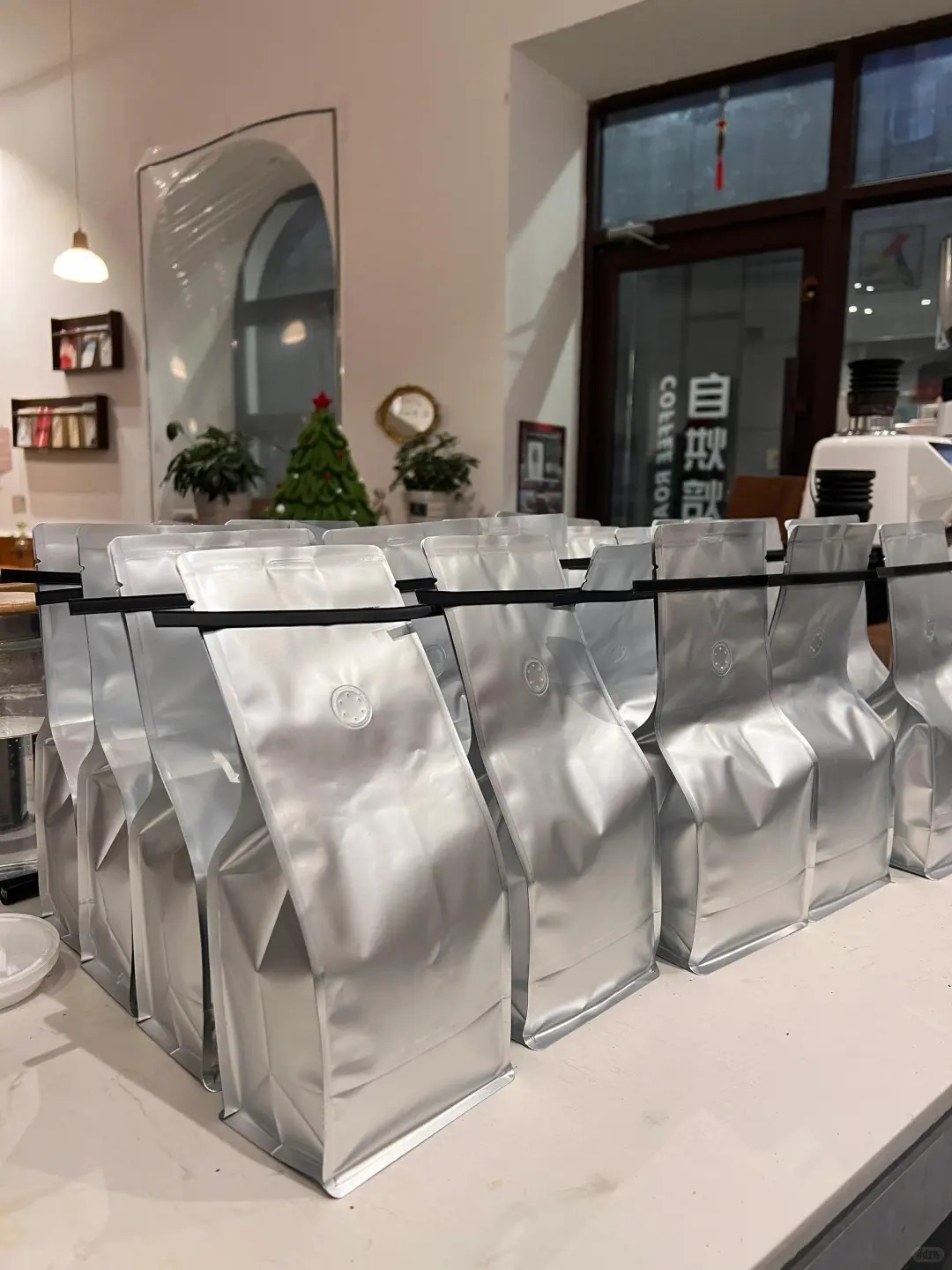
- Coffee packaging, where oxygen and aroma protection are important.
- Chocolate packaging, where protection from light and odors helps maintain product quality.
- Snack packaging, where moisture control helps preserve texture.
- Dairy packaging, where protection from oxygen and light supports product stability.
In many flexible packages, aluminum foil is used as one layer in a multilayer structure. The aluminum layer provides barrier protection, while other layers provide sealing performance, mechanical strength, or printing surfaces.
Temperature Performance
Aluminum has good temperature resistance, which allows aluminum packaging to be used in applications involving freezing, refrigeration, and heating when the package is designed for those conditions.
Common applications include:
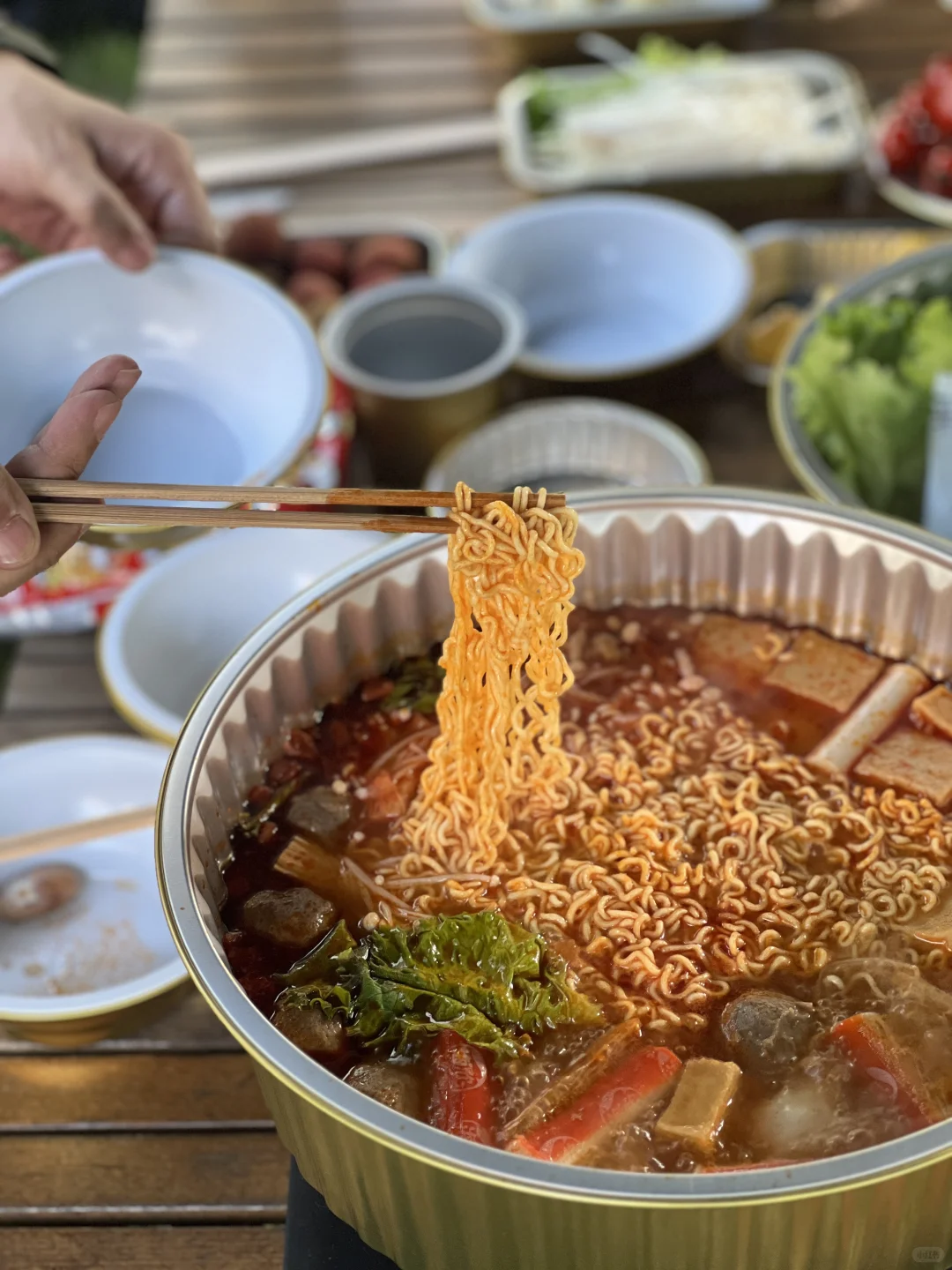
- Frozen food trays
- Ready meal containers
- Bakery products
- Foodservice containers
Aluminum also transfers heat efficiently because of its high thermal conductivity. This property helps aluminum trays heat food evenly in suitable cooking and reheating applications.
However, temperature performance depends on the complete packaging design. Factors such as material thickness, coatings, container structure, and heating instructions determine whether a specific aluminum package is suitable for a particular use.
For example, an aluminum tray designed for conventional oven use may not be suitable for microwave heating. Packaging selection should always follow the manufacturer’s instructions.
Lightweight and Formability
Aluminum foil is lightweight and easy to form, which makes it practical for many food packaging applications.
The material can be shaped into different formats, including:
- Flexible wraps
- Lids
- Semi-rigid trays
- Multilayer packaging films
Aluminum foil also has a dead-fold property, which means it can remain in the shape where it is folded. This feature is useful for products that require close wrapping, such as chocolate, butter portions, and confectionery products.
For food manufacturers, this flexibility allows aluminum packaging to be adapted to different product sizes, storage conditions, and distribution requirements. The final packaging design depends on the food product, required shelf life, processing method, and handling conditions.
Can Aluminum Transfer Into Food?
Yes, aluminum can migrate from packaging materials into food under certain conditions. This process is known as aluminum migration, and it depends on the interaction between the aluminum surface and the food product.
Food packaging safety evaluations consider migration because food-contact materials may release small amounts of substances into food during normal use. For aluminum packaging, the amount of migration depends on several factors, including food composition, temperature, contact time, and whether the food touches an exposed aluminum surface.
The possibility of migration does not mean that aluminum packaging is unsuitable for food use. Instead, it means that packaging design and application conditions should match the requirements of the food product.
Aluminum Migration Can Occur
Aluminum migration is more likely when food has direct contact with aluminum and the conditions promote interaction between the food and the metal surface.
Research on aluminum foil used in food preparation has shown that factors such as acidic ingredients, salt content, heating conditions, and contact duration can influence the amount of aluminum transferred into food.
For commercial food packaging, manufacturers often consider these factors when designing aluminum-based packaging systems. The final structure may include coatings, liners, or additional layers that are selected for the intended food application.
The important point for buyers is that aluminum migration should be evaluated as part of the complete packaging system, not only by looking at aluminum as a single material.
Factors That May Increase Migration
The following conditions may increase the possibility of aluminum migration:
| Factor | Why It Matters |
|---|---|
| Acidic foods | Acidic ingredients can interact more strongly with exposed aluminum surfaces. |
| Salty foods | Salt and dissolved ions can influence the interaction between food and aluminum. |
| Higher temperatures | Heat can accelerate chemical interactions between food and packaging materials. |
| Longer contact time | Extended contact provides more opportunity for substances to migrate. |
| Exposed aluminum surface | Direct contact between food and bare aluminum can increase the importance of food characteristics and storage conditions. |
Because of these factors, food companies should select aluminum packaging based on the product requirements. Foods with high acidity, high salt content, long storage periods, or demanding temperature conditions may require packaging structures specifically designed for those applications.
For many common uses, such as dry foods, short-term storage, and properly designed commercial food packages, aluminum remains a widely used food-contact material because its performance depends on the entire packaging design rather than the metal alone.
Aluminum Exposure Limits: EFSA and WHO/JECFA Explained
When discussing aluminum safety, it is important to distinguish between dietary exposure limits and packaging migration. Regulatory organizations evaluate aluminum exposure from all sources, including food, water, food additives, and other potential sources. These reference values are not limits for the amount of aluminum that may migrate from a single package into one food product.
Two commonly referenced assessments are the European Food Safety Authority (EFSA) 2008 evaluation and the World Health Organization/Food and Agriculture Organization Joint Expert Committee on Food Additives (WHO/JECFA) later assessment.
EFSA 2008 Tolerable Weekly Intake (TWI)
In 2008, EFSA established a tolerable weekly intake (TWI) for aluminum of 1 mg aluminum per kilogram of body weight per week.
This value represents the amount of aluminum exposure from the total diet that EFSA considered tolerable on a weekly basis based on its scientific evaluation at that time. It was not created as a migration limit for aluminum foil, aluminum trays, or any individual food packaging product.
EFSA’s assessment considered aluminum exposure from multiple dietary sources rather than exposure from a single material. The full scientific opinion is available through the EFSA Journal:
EFSA Advises on the Safety of Aluminium in Food
WHO/JECFA 2011 PTWI Revision
In 2011, the Joint FAO/WHO Expert Committee on Food Additives (JECFA) revised its assessment of aluminum exposure and established a provisional tolerable weekly intake (PTWI) of 2 mg aluminum per kilogram of body weight per week.
This value replaced and withdrew the previous 1 mg/kg body weight/week value used in earlier JECFA evaluations. The revised PTWI reflects the updated scientific evaluation of aluminum exposure from all dietary sources.
Like the EFSA value, the JECFA PTWI is a reference point for overall dietary exposure. It is not a direct safety limit for a specific aluminum foil container, tray, or packaging material.
The WHO/JECFA evaluation is available through the official JECFA database:
WHO/JECFA Aluminium-Containing Food Additives Evaluation
What These Values Mean for Aluminum Food Packaging
For food packaging buyers, these exposure values provide a framework for evaluating aluminum safety, but they do not determine whether a specific package is suitable by themselves.
The actual contribution from aluminum packaging depends on factors such as:
- The amount of aluminum that migrates from the package.
- The type of food in contact with the material.
- The storage and heating conditions.
- The design of the packaging structure, including coatings or liners.
Therefore, aluminum food packaging should be evaluated based on the complete application rather than by comparing a single package directly with a weekly dietary exposure value.
Coated vs Uncoated Aluminum Packaging: A Key Buyer Consideration
When selecting aluminum food packaging, one of the most important factors is whether the food-contact surface is bare aluminum or includes a coating or liner.
The difference matters because food does not interact only with the aluminum material itself. The complete packaging structure, including coatings, liners, and other layers, can affect how the package performs with different foods and storage conditions.
Uncoated Aluminum Packaging
Uncoated aluminum packaging means the food directly contacts the aluminum surface. This format is widely used in some food wrapping and packaging applications where direct aluminum contact is suitable for the product requirements.
However, direct contact means that food characteristics become an important consideration. Acidic foods, salty foods, longer storage periods, and higher temperatures may increase the potential for interaction between food and the aluminum surface.
Uncoated aluminum can be appropriate for certain applications, but buyers should evaluate whether the material matches the specific food product and intended use conditions.
Coated or Lined Aluminum Packaging
Some aluminum food packages use coatings, liners, or additional layers on the food-contact surface. These structures are designed to provide specific functions, such as improving compatibility with certain foods, supporting sealing performance, or reducing direct contact between food and the aluminum surface.
Coatings and liners can vary depending on the application. Common considerations include:
- The type of coating or liner material.
- The condition and integrity of the coating during storage and use.
- The foods the package is intended to contain.
- The expected temperature range and contact duration.
A coated aluminum package is not automatically suitable for every food product. The coating system must be evaluated together with the food type, processing conditions, and regulatory requirements for the intended market.
What Buyers Should Confirm
Food packaging buyers should evaluate the complete aluminum packaging structure rather than selecting a package based only on the aluminum material.
Important points to confirm include:
- Food-contact surface: Identify which material directly touches the food.
- Coating or liner information: Confirm the type of coating, liner, or additional layer used in the package structure.
- Intended food application: Check whether the package is designed for acidic foods, salty foods, dry foods, frozen products, or other specific categories.
- Temperature conditions: Verify whether the package is suitable for refrigeration, freezing, oven use, or other heating conditions.
- Regulatory status: Review the applicable food-contact compliance information for the aluminum material and other packaging components.
For commercial food packaging, safety depends on the entire package design. A clear understanding of the aluminum surface, protective layers, intended use, and compliance requirements helps buyers select a packaging solution that matches their product needs.
Aluminum Foil Safety Decision Guide: Food, Temperature, and Contact Time
The suitability of aluminum foil packaging depends on the relationship between the packaging material and the food application. Food type, temperature conditions, contact time, and package condition all influence whether a specific aluminum solution is appropriate.
The following guide provides a practical overview for food businesses and consumers. It does not replace supplier specifications or regulatory evaluation, but it can help identify situations that require additional review.
| Food or Use Scenario | Potential Risk Factors | Practical Recommendation |
|---|---|---|
| Dry foods Examples: snacks, cookies, coffee, powdered products |
Low moisture reduces direct interaction between food and aluminum surfaces. | Aluminum foil and aluminum laminate structures are commonly used for these applications. Select packaging based on required barrier performance and food-contact compliance. |
| Low-acid cold foods Examples: sandwiches, bakery products, chilled foods |
Short contact periods and low acidity generally reduce interaction concerns. | Suitable when the aluminum packaging is designed for the product and storage conditions. Review contact time for long-term storage. |
| Acidic or salty foods Examples: tomato-based foods, vinegar-based foods, heavily salted products |
Acidity and salt content may increase interaction between food and exposed aluminum surfaces. | Consider coated, lined, or alternative packaging structures when direct aluminum contact and extended contact time are expected. |
| Baking and oven applications | High temperatures can affect food-packaging interactions. Suitability depends on package design and manufacturer instructions. | Use aluminum containers specifically designed for oven applications. Follow recommended temperature and handling conditions. |
| Long-term storage | Extended contact time increases the importance of food type, packaging structure, and surface protection. | Evaluate the complete package system, including coatings, liners, sealing performance, and intended shelf life. |
| Damaged or incomplete coating | Scratches, damage, or coating failure may expose additional aluminum surface areas. | Check package quality before use. For commercial applications, suppliers should provide appropriate specifications for coating or liner performance. |
Food Type Considerations
Food composition is one of the most important factors when selecting aluminum packaging. Dry foods often rely on aluminum foil because the material provides strong protection against oxygen, moisture, and light without requiring frequent direct food interaction.
Foods containing acids or high salt levels require more careful evaluation because these ingredients can interact with exposed aluminum surfaces. For these applications, packaging buyers should consider whether the product requires a coated aluminum structure, a liner, or another packaging material.
Temperature and Processing Conditions
Temperature conditions should always match the intended use of the package. Aluminum packaging used for refrigeration, freezing, oven heating, or food service may require different designs and specifications.
A package suitable for cold storage may not be suitable for heating. Similarly, an aluminum tray designed for conventional oven use may not be appropriate for microwave heating unless the packaging instructions specifically allow it.
Contact Time Matters
The length of time food remains in contact with aluminum packaging is another important consideration. Short-term contact and long-term storage create different conditions for evaluating packaging performance.
For commercial buyers, the intended shelf life, distribution process, and storage environment should be considered together when selecting aluminum packaging. The correct solution is the one designed for the complete application rather than the material alone.
Is Aluminum Packaging Safe for Storage and Cooking?
Aluminum packaging can be suitable for food storage and cooking when the package is designed for the intended use. Storage temperature, heating method, food characteristics, and manufacturer instructions all affect whether a specific aluminum product is appropriate.
Cold storage, oven heating, and microwave use involve different conditions. A package designed for one application should not automatically be used for another.
Refrigerator and Cold Storage
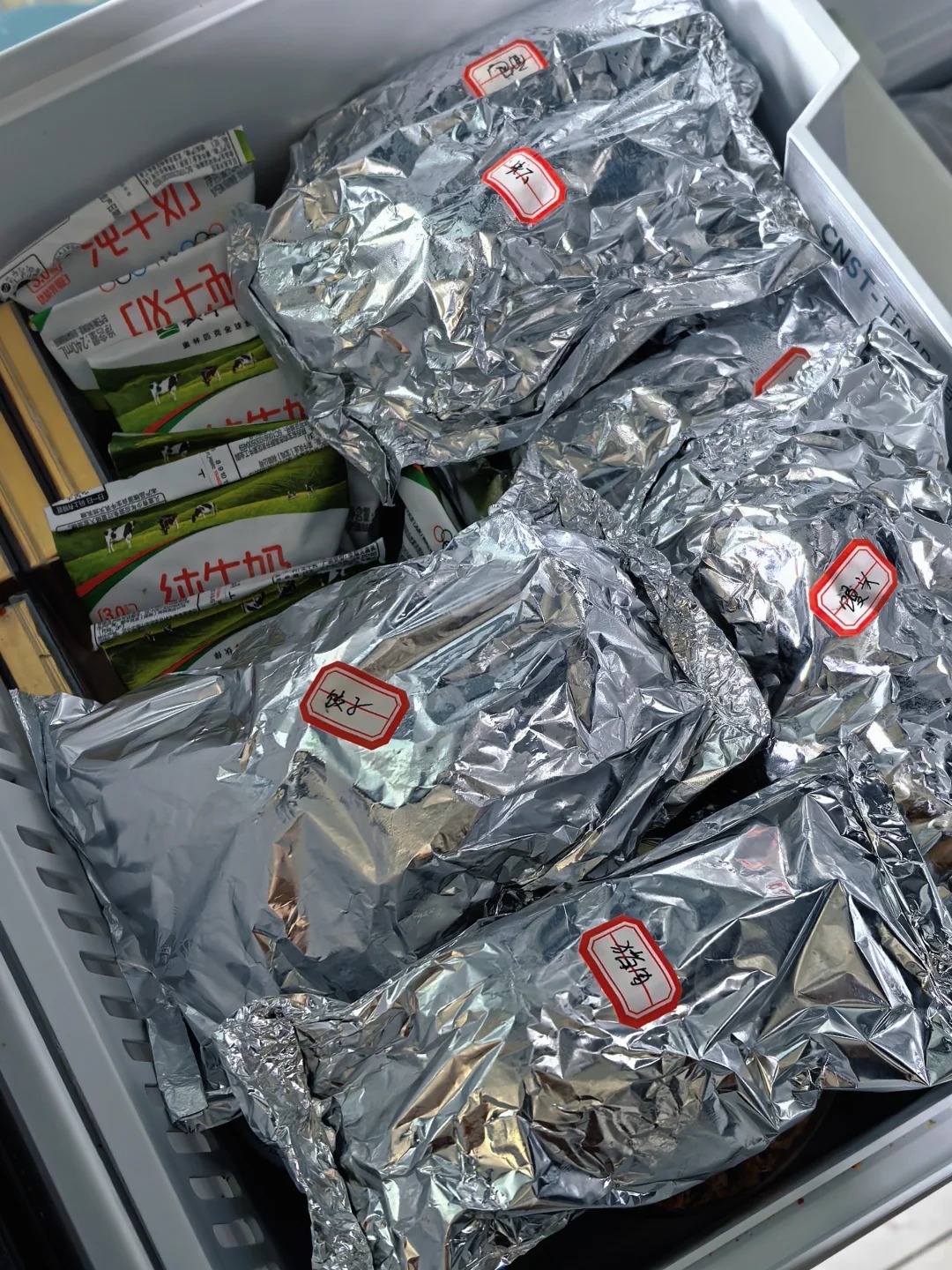
Aluminum foil and aluminum packaging are commonly used for refrigerated food storage because they can help protect food from air exposure, moisture loss, and external odors.
Common cold-storage applications include:
- Wrapping leftovers for short-term storage.
- Packaging dairy products and chilled foods.
- Protecting bakery products and prepared foods.
For refrigerated storage, the main considerations are food type and contact duration. Foods with high acidity or high salt content may require additional evaluation, especially when they remain in direct contact with exposed aluminum for extended periods.
For commercial applications, buyers should select packaging based on the intended shelf life, storage conditions, and food-contact requirements rather than using aluminum as a universal solution for every product.
Oven and Baking
Aluminum containers are widely used for oven-ready foods because aluminum has good heat conductivity and can maintain its shape during heating when the package is designed for that purpose.
Typical applications include:
- Frozen meals.
- Bakery products.
- Prepared dishes.
- Foodservice trays.
However, oven suitability depends on the specific packaging design. Factors such as material thickness, coatings, container structure, and temperature limits affect performance.
Users should always follow the product instructions provided by the packaging manufacturer. An aluminum package intended for cold storage or display may not be suitable for oven heating.
Microwave
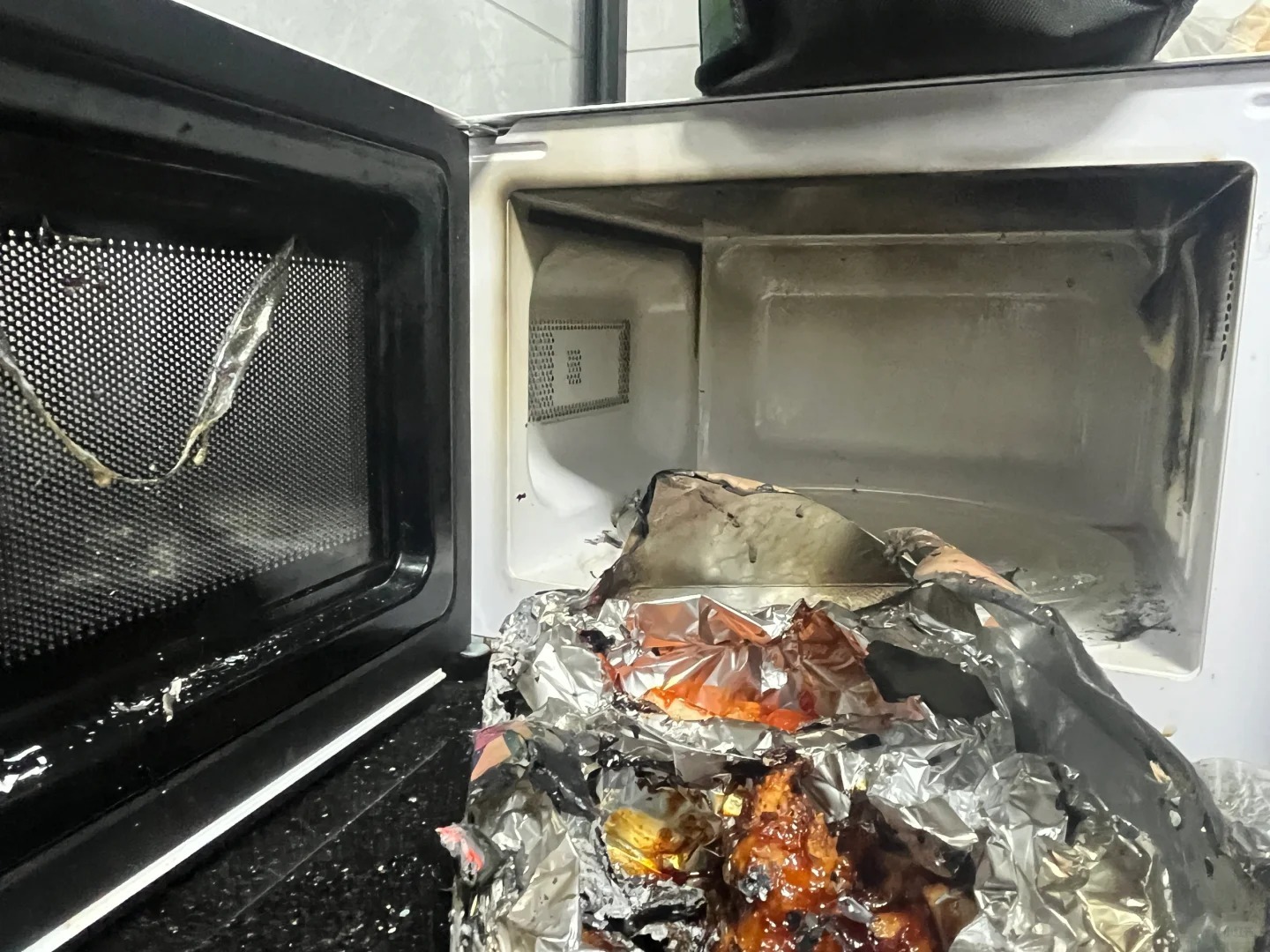
Ordinary aluminum foil and aluminum containers should not be placed in a microwave oven unless both the packaging instructions and the microwave manufacturer’s guidance specifically allow that use.
Microwave heating involves electromagnetic fields that interact differently with metal materials compared with microwave-safe plastic, glass, or ceramic containers. Incorrect use of aluminum foil or aluminum packaging may create safety issues, including electrical arcing.
Before using aluminum packaging in a microwave, confirm:
- The package is specifically designed for microwave use.
- The packaging instructions clearly allow microwave heating.
- The microwave manufacturer permits the use of that type of aluminum packaging.
If these conditions are not confirmed, a microwave-safe container designed for reheating should be used instead.
FDA Food Contact Requirements for Aluminum Packaging
In the United States, the FDA does not simply approve a finished aluminum food package as a single product. Instead, FDA evaluates food-contact materials based on the individual components that may contact food and the intended conditions of use.
For aluminum packaging, this evaluation may involve different components, including:
- The aluminum material itself.
- Coatings or liners applied to the food-contact surface.
- Adhesives used in multilayer structures.
- Printing inks or other components that may reasonably migrate into food.
The regulatory status of each component depends on factors such as the type of food, temperature conditions, contact duration, and the specific use of the packaging material.
The FDA framework for food-contact substances is described through different regulatory pathways rather than a general statement that a package is “FDA-approved.” Manluen’s guide to which agency regulates food packaging explains why buyers should ask for the regulatory basis of each component instead of relying on that broad marketing phrase. More information is available from the FDA’s official guidance on food-contact substances:
FDA Food Ingredients and Packaging: Food Contact Substances
Five FDA Regulatory Pathways for Food-Contact Materials
| Pathway | Description |
|---|---|
| 21 CFR Regulation | A substance is listed in FDA regulations with specific conditions of use. The regulation defines where and how the substance may be used. |
| GRAS (Generally Recognized as Safe) | A substance may be used for a food-contact application when its safety is generally recognized based on scientific information or common knowledge among qualified experts. |
| Prior Sanction | A substance may be used when FDA or another authorized government agency approved its use before the current food additive framework was established. |
| Threshold of Regulation (TOR) Exemption | A substance may qualify for exemption when exposure from the intended use is below the FDA threshold for regulatory review. |
| Effective Food Contact Notification (FCN) | A manufacturer may submit safety information for a specific food-contact substance use. An effective FCN applies to the manufacturer and conditions described in the notification. |
Why FCN Conditions Matter for Aluminum Packaging
Food packaging buyers should understand that an effective FCN is not a universal approval for every product made from the same type of material. FCNs are generally associated with the manufacturer that submitted the notification and the specific conditions of use described in that notification.
For aluminum packaging, buyers should review the compliance status of each relevant component, especially when the package includes additional materials such as coatings, liners, adhesives, or printing systems.
Important questions include:
- Which material directly contacts the food?
- Is the coating or liner suitable for the intended food type?
- Are the temperature and contact conditions within the intended use range?
- Does the supplier provide appropriate food-contact compliance information?
A well-designed aluminum food package is evaluated as a complete system. Confirming the regulatory status of each food-contact component helps ensure that the packaging matches the product requirements and market regulations.
For a broader U.S. and EU purchasing review, use the food packaging compliance buyer’s guide to organize supplier declarations, test reports, intended-use conditions, and change-control records. If the package contains a coating, paper component, or grease-resistant layer, review the separate guide on PFAS in food packaging and request product-specific evidence when relevant.
California Proposition 65 and Aluminum Packaging
California Proposition 65 is a consumer right-to-know law that requires businesses to provide warnings for significant exposures to chemicals listed by the state of California as causing cancer, birth defects, or other reproductive harm.
For aluminum food packaging, it is important to separate aluminum itself from other substances that may be present in the finished product. Aluminum metal is not currently listed on the California Proposition 65 chemical list. However, other substances associated with a product, such as certain metals or additives, may require evaluation if they are present and could result in consumer exposure.
The official Proposition 65 chemical list is maintained by the California Office of Environmental Health Hazard Assessment (OEHHA):
OEHHA Proposition 65 List of Chemicals
How Proposition 65 Applies to Aluminum Packaging
For aluminum food packaging, Proposition 65 considerations usually focus on whether the finished product may expose users to listed chemicals above applicable safe harbor levels.
Examples of chemicals that may require evaluation include:
- Lead
- Cadmium
- Other listed substances that may be present in materials, coatings, inks, or manufacturing processes
The presence of a listed chemical alone does not automatically mean that a Proposition 65 warning is required. The requirement depends on factors such as:
- The amount of the chemical present.
- The potential exposure level during normal use.
- Applicable safe harbor levels or other regulatory considerations.
Therefore, buyers should evaluate exposure risk rather than only checking whether a substance has been detected in the material.
Practical Documentation for B2B Buyers
Companies purchasing aluminum food packaging for the California market may request documentation that helps evaluate Proposition 65 considerations.
Depending on the product and supply chain requirements, useful documents may include:
- Material specifications: Information about aluminum alloys, coatings, liners, inks, and other packaging components.
- Supplier declarations: Statements describing compliance information relevant to the intended market.
- Test reports: Analytical reports when specific chemical exposure concerns need to be evaluated.
- Traceability records: Information linking packaging materials to production batches and suppliers.
The specific documents needed depend on the packaging structure, customer requirements, and applicable regulations. Buyers should work with suppliers to understand which components require evaluation.
For aluminum packaging, Proposition 65 compliance is not determined by the presence of aluminum alone. A complete assessment considers the entire packaging system, including materials, coatings, additives, and potential consumer exposure during normal use.
Aluminum Foil vs PP, PET, and PLA Packaging
Aluminum foil is one of several materials used in food packaging. Polypropylene (PP), polyethylene terephthalate (PET), and polylactic acid (PLA) are also widely used for different food applications.
No single material is suitable for every product. The right choice depends on factors such as barrier requirements, food temperature, visibility needs, processing conditions, recycling infrastructure, and the intended use of the package.
Packaging performance also depends on the specific material grade and package structure. For example, a multilayer aluminum pouch, a coated aluminum tray, a rigid PP container, and a PET display box have different properties even though they belong to the same material category.
| Factor | Aluminum Packaging | PP Packaging | PET Packaging | PLA Packaging |
|---|---|---|---|---|
| Barrier Performance | Provides excellent protection against oxygen, moisture, and light when used as an effective barrier layer. | Provides good moisture and chemical resistance. Barrier performance depends on grade and structure. | Provides good clarity and moisture resistance. Barrier performance depends on package design. | Provides moderate barrier performance. Properties depend on formulation and application. |
| Hot Food and Oven Suitability | Suitable for many oven-ready and foodservice applications when the package is designed for heating. | Some PP grades are suitable for hot foods and reheating, but standard PP containers are not designed for oven use. | Generally used for cold food and display applications. Heat resistance depends on the specific PET grade. | Usually used for cold applications. Heat performance depends on formulation and product design. |
| Visibility | Opaque. Protects products from light but does not allow consumers to see the food. | Often available in transparent or translucent formats, allowing product visibility. | Highly transparent, making it common for display packaging. | Can provide transparency similar to some plastic packaging formats. |
| Microwave Use | Ordinary aluminum foil and aluminum containers should not be microwaved unless the packaging instructions and microwave manufacturer guidance specifically allow the use. | Some PP containers are designed for microwave reheating when labeled for that purpose. | Microwave suitability depends on the PET type and package design. Many PET packages are not intended for heating. | Generally not selected for high-temperature microwave applications unless specifically designed for that use. |
| Recycling or Composting Considerations | Aluminum can be recycled, but recovery depends on local collection systems and package structure. | Recycling availability depends on local infrastructure and the specific PP format. | PET recycling systems are widely available in some regions, but acceptance varies by location. | Industrial composting may be required. Many local composting systems do not accept PLA packaging. |
| Typical Applications | Ready meals, frozen foods, bakery trays, lids, coffee laminates, and high-barrier packaging. | Food containers, microwaveable meal packaging, cups, and reusable food storage products. | Clear food containers, beverage bottles, bakery displays, and retail packaging. | Compostable-focused packaging applications where suitable infrastructure exists. |
Choosing Based on Food Requirements
Aluminum packaging is often selected when strong protection against oxygen, moisture, and light is required, or when the package must withstand certain heating conditions. It is commonly used for products where barrier performance and temperature resistance are important.
PP is often selected for applications that require lightweight containers, impact resistance, or microwave reheating capability. PET is commonly chosen when product visibility and display appearance are important. PLA may be considered for applications that require compostable packaging features, but its suitability depends on available composting systems and local waste infrastructure.
The best material depends on the complete packaging requirement:
- The type of food being packaged.
- The required shelf life.
- Storage and transportation conditions.
- Heating or reheating requirements.
- Consumer handling expectations.
- Local recycling or composting availability.
For food businesses, material selection should focus on the performance needed for the application rather than choosing one material as universally better than another.
For example, an aluminum tray intended for oven-ready meals and a 16 oz PP meal-prep container solve different heating and service needs. Buyers should compare the actual product specifications rather than treating one format as a direct substitute for the other.
Environmental Considerations of Aluminum Packaging
Environmental performance is an important factor when selecting food packaging, but no material can be considered the most sustainable in every situation. The environmental impact of aluminum packaging depends on the complete life cycle, including material production, package design, recycling systems, transportation, and end-of-life management.
Aluminum has advantages because it is a valuable recyclable material. However, the overall environmental result depends on how the packaging is produced, used, collected, and processed after disposal.
Recycling of Aluminum Packaging
Aluminum can be recycled repeatedly while maintaining its basic material properties. This makes aluminum a valuable material in circular recycling systems.
However, the actual recycling performance of aluminum packaging depends on several practical factors:
- Collection systems: Recycling availability varies by region and local infrastructure.
- Package structure: Simple aluminum formats may be easier to process than complex multilayer structures.
- Food contamination: Residual food, coatings, and combined materials may affect recycling processes.
- Recovery rates: The environmental benefit depends on whether the packaging is actually collected and recycled.
For example, an aluminum container collected through an effective recycling system may have a different environmental outcome from an aluminum laminate that requires additional separation processes.
Therefore, buyers should evaluate recyclability based on the actual package format and local waste management conditions rather than the aluminum material alone.
Life-Cycle Assessment Depends on the Scenario
Life-cycle assessment (LCA) studies compare packaging options by measuring environmental impacts across different stages, including raw material production, manufacturing, transportation, use, and disposal.
A frequently cited study by Gallego-Schmid, Mendoza, and Azapagic, Environmental impacts of takeaway food containers, published in the Journal of Cleaner Production 211 (2019), 417–427, evaluated different takeaway container options and showed that environmental results depend on the assumptions used in the analysis.
The study did not establish one packaging material as universally the most sustainable option. Results can change depending on factors such as:
- Functional unit: The amount of packaging or food service being compared.
- Packaging weight: The amount of material required to perform the same function.
- Recycled content: The percentage of recycled material used in production.
- Recycling rate: Whether the package is collected and successfully recycled.
- Cleaning requirements: Energy and water used for reusable systems.
- Number of reuse cycles: How many times a reusable package is used before replacement.
For example, a lightweight disposable package, a reusable container, and a highly recyclable material may perform differently depending on the local system and how the package is actually used.
For food packaging buyers, sustainability decisions should therefore consider both performance and the complete lifecycle. The most suitable packaging solution balances food protection, regulatory requirements, operational needs, and realistic end-of-life options. Manluen’s sustainable packaging supplier guide provides a practical framework for checking environmental claims against local collection and recovery systems.
How to Choose Safe Aluminum Food Packaging
Choosing safe aluminum food packaging requires more than selecting an aluminum container or foil product. Food businesses should evaluate the complete packaging system, including the food application, contact conditions, materials, regulatory status, and quality controls.
The following checklist helps B2B buyers review aluminum packaging before approving a product for commercial use.
1. Confirm Food and Use Conditions
The first step is to define how the packaging will be used. Aluminum packaging should match the food product, storage environment, and processing method.
Buyers should confirm:
- What type of food will contact the package?
- Is the product acidic, salty, oily, dry, frozen, or ready-to-eat?
- How long will the food remain in contact with the package?
- Will the package be refrigerated, frozen, heated, or used for oven applications?
RFQ question: “Please confirm the intended food applications, temperature conditions, and recommended use limits for this aluminum packaging product.”
2. Review Coating and Lining Structure
Many aluminum packaging products may include coatings, liners, or additional layers depending on the application. These components can affect food compatibility, sealing performance, and product protection.
Buyers should confirm:
- Which material directly contacts the food.
- Whether the product uses a coating, liner, or multilayer structure.
- The type and purpose of any coating or protective layer.
- Whether the coating remains suitable under the intended temperature and storage conditions.
RFQ question: “Please provide the food-contact surface structure and information about any coating, liner, or additional material used in the packaging.”
3. Confirm Regulatory Basis
Food-contact compliance depends on the materials used in the packaging and their intended conditions of use. Buyers should understand the regulatory basis that applies to each relevant component.
Important points to review include:
- The regulatory framework applicable to the target market.
- The compliance status of aluminum, coatings, liners, adhesives, and other food-contact components.
- The intended conditions of use covered by the compliance information.
RFQ question: “Please provide the applicable food-contact regulatory basis for each component that may contact food.”
4. Request Migration and Compliance Information
Migration evaluation helps determine whether packaging materials are suitable for specific food applications. The information required depends on the packaging structure, market requirements, and product risk assessment.
Buyers may review:
- Food-contact declarations or supplier compliance statements.
- Migration test information when applicable.
- Testing conditions that match the intended food and use conditions.
- Documentation for coatings, inks, adhesives, or other components that may migrate.
RFQ question: “Please provide available food-contact compliance documents and migration evaluation information relevant to the intended application.”
5. Establish Quality and Change Control
Packaging performance depends not only on the initial product specification but also on consistent manufacturing control. Changes to materials, coatings, suppliers, or production processes may affect the final package performance.
Buyers should consider:
- Material specifications and product drawings.
- Notification procedures for significant material or process changes.
- Batch traceability requirements.
- Quality inspection procedures agreed with the supplier.
RFQ question: “How are material changes, supplier changes, and production changes controlled and communicated to customers?”
A Practical Selection Approach
A suitable aluminum food packaging solution should match three key elements:
- The food: acidity, salt content, moisture level, and shelf life requirements.
- The packaging system: aluminum structure, coating, liner, and sealing design.
- The market requirements: applicable regulations, documentation needs, and quality expectations.
For B2B buyers, the safest approach is to evaluate aluminum packaging as a complete system rather than selecting a material based only on the word “aluminum.”
Common Aluminum Foil Packaging Applications
Aluminum foil is used across many food categories because it provides barrier protection, formability, and compatibility with different packaging formats. However, each application has different requirements, and the packaging structure should match the food product and storage conditions.
Ready Meals and Takeout
Aluminum trays are commonly used for ready meals and takeout foods because they provide structural strength and can support refrigerated, frozen, and oven-ready applications when designed for those uses.
Typical products include:
- Frozen meals
- Prepared dishes
- Bakery meals
- Foodservice trays
Buyers should verify heating instructions, coating or liner specifications, and whether the package is suitable for the intended food type.
For more examples of commercial tray formats and buyer considerations, see Manluen’s guide to aluminum foil food containers for food service.
Dairy Products
Aluminum packaging is widely used for dairy products such as yogurt lids, butter wraps, and cheese packaging because it helps protect products from light, oxygen, and external contamination.
For dairy applications, buyers should confirm the food-contact layer, sealing performance, and compatibility with the product formulation and storage conditions.
Coffee and Snacks
Coffee and snack packaging often uses aluminum foil as part of a multilayer structure because these products require protection from oxygen and moisture to maintain aroma, texture, and quality.
Common applications include:
- Coffee pouches
- Snack bags
- Dry food laminates
When selecting these packages, buyers should review the complete laminate structure, sealing performance, and recycling considerations for the final package format.
Chocolate and Confectionery
Chocolate and confectionery products commonly use aluminum foil because it helps protect against light, moisture, and external odors. Its flexibility also allows close wrapping around different product shapes.
For these applications, packaging selection should consider product sensitivity, wrapping performance, and whether additional layers are needed for mechanical protection.
Beverage and Composite Packs
Aluminum foil is also used as a barrier layer in composite packaging systems such as beverage cartons and other multilayer packages. In these structures, aluminum helps protect products from oxygen, moisture, and light while other materials provide strength and sealing functions.
Buyers should evaluate the full package structure, including material separation, recycling options, and the requirements of the target market.
자주 묻는 질문
Is aluminum foil safe for food packaging?
Yes, aluminum foil is widely used for food packaging when it is made from suitable food-contact materials and used according to its intended application. Safety depends on the packaging design, food type, temperature, and contact conditions.
Is aluminum packaging safe for food?
Aluminum packaging can be suitable for many food applications, including trays, lids, and flexible packaging structures. The suitability depends on the complete package system, including coatings, liners, and intended use conditions.
Does aluminum foil transfer into food?
Yes, aluminum migration can occur under certain conditions. Factors such as acidic foods, salty foods, higher temperatures, longer contact times, and exposed aluminum surfaces can influence the amount transferred.
Which foods need more caution with aluminum foil?
Foods with high acidity or salt content require additional consideration, especially during long contact periods or when directly touching exposed aluminum surfaces. Packaging selection should match the food characteristics and storage conditions.
Is aluminum foil safe in the microwave?
Ordinary aluminum foil and aluminum containers should not be used in a microwave unless the packaging instructions and the microwave manufacturer’s guidance specifically allow that application.
Is aluminum foil better than plastic packaging?
No material is better for every situation. Aluminum, PP, PET, and other plastics have different advantages depending on barrier requirements, temperature conditions, visibility, recycling systems, and the intended food application.
Can aluminum packaging be recycled?
Yes, aluminum can be recycled, but actual recycling depends on local collection systems, package design, and whether the material can be effectively recovered and processed.
Is foil paper safe for packaging food?
Food-contact foil paper or aluminum laminate packaging can be suitable when it is designed for food use and meets applicable requirements. Buyers should evaluate the complete structure, including coatings, adhesives, and other layers.
결론
Aluminum packaging that meets applicable food-contact requirements and is designed for the intended application can be safely used across many food packaging scenarios. Its suitability depends on the complete packaging system, not aluminum alone.
Key factors such as coating or liner condition, food acidity and salt content, temperature conditions, and contact time determine whether a specific aluminum package is appropriate for a product.
For B2B buyers, selecting aluminum packaging requires reviewing the package structure and confirming the regulatory basis of each relevant food-contact component, including aluminum, coatings, liners, adhesives, and other materials that may affect food contact performance.
If aluminum does not fit the use case, compare it with suitable PP, PET, or PLA formats instead of forcing one material into every application.
Buyers who need specifications, samples, or commercial terms for an aluminum container can submit the food type, required size, temperature conditions, destination market, and estimated quantity through Manluen’s request-a-quote page.
References
European Food Safety Authority (EFSA) — EFSA advises on the safety of aluminium from food
Used for the EFSA 2008 tolerable weekly intake (TWI) of 1 mg aluminium/kg body weight/week and the distinction between dietary exposure and packaging migration limits.
European Food Safety Authority (EFSA)
WHO/JECFA — Aluminium evaluation database and 2011 PTWI assessment
Used for the WHO/JECFA 2011 provisional tolerable weekly intake (PTWI) of 2 mg aluminium/kg body weight/week and the revision of previous intake values.
World Health Organization (WHO) / JECFA Database
U.S. Food and Drug Administration (FDA) — Determining the Regulatory Status of Components of a Food Contact Material
Used for the FDA framework explaining that food-contact components are evaluated through regulatory pathways including 21 CFR regulations, GRAS, prior sanction, Threshold of Regulation exemptions, and effective Food Contact Notifications (FCNs).
U.S. Food and Drug Administration (FDA)
California Office of Environmental Health Hazard Assessment (OEHHA) — Proposition 65 List of Chemicals
Used for Proposition 65 requirements, including the distinction between aluminum metal and listed chemicals that may require exposure evaluation.
California OEHHA Proposition 65 List
Döğeroğlu et al. / Aluminum contamination of food during culinary preparation: Case study with aluminum foil and consumers’ preferences, Food Science & Nutrition
Used for scientific discussion of aluminum migration from foil into food and the influence of food characteristics and preparation conditions.
Food Science & Nutrition Article
Gallego-Schmid, Mendoza and Azapagic — Environmental impacts of takeaway food containers, Journal of Cleaner Production 211 (2019), 417–427
Used for life-cycle assessment discussion of food packaging environmental impacts and the influence of factors such as functional unit, material weight, recycling, and reuse scenarios.
University of Manchester Research Repository

ManLuen 플라스틱 포장 회사는 20년 이상 플라스틱 식품 포장 생산에 특화되어 있습니다. 저희 제품은 100% 순수 원료와 BPA-Free PP, PS, OPS로 만들어졌으며, FDA 및 유럽 표준을 준수합니다.
 KO
KO  EN
EN  ZH
ZH  FR
FR  PT
PT  ES
ES  JA
JA