
Can You Microwave Food in a Styrofoam Container? The Quick Answer
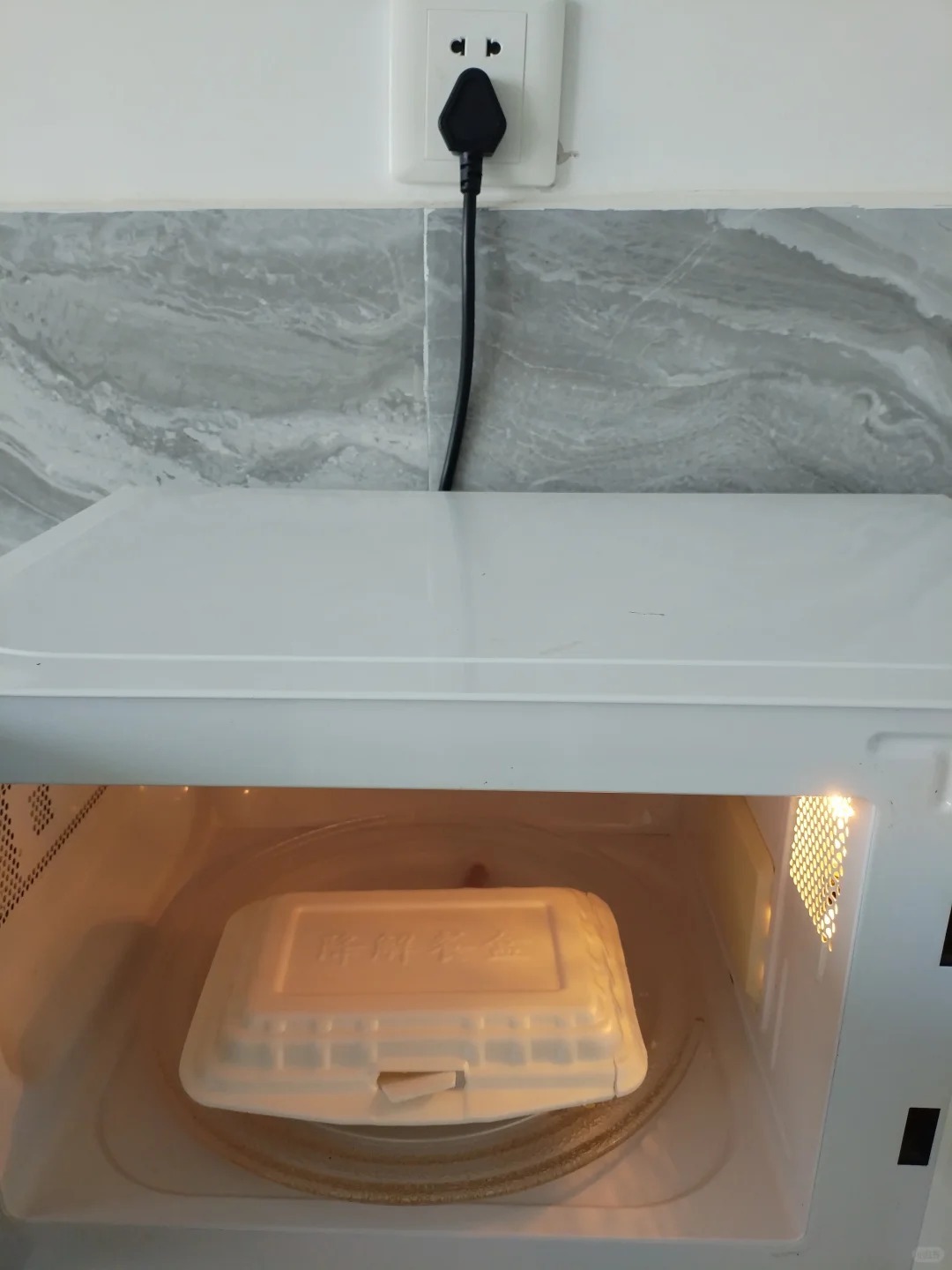
Can you microwave food in a Styrofoam container? For the white foam cups, trays, and takeout boxes most people mean by “Styrofoam,” the safest answer is no.
Most foam foodservice packaging is expanded polystyrene (EPS). It is lightweight and helps slow heat loss, but those properties do not make it suitable for reheating. The U.S. Department of Agriculture lists foam-insulated cups, bowls, plates, and trays among items that are not safe for microwave use, while the Singapore Food Agency states that Styrofoam is not microwaveable. Unless the package itself provides explicit microwave instructions, transfer the food to microwave-safe glass, ceramic, or another container specifically labeled for microwave use.
Microwave ovens heat the food, which then transfers heat to the package. Hot spots, steam, oil, sugar, and longer heating times can soften or warp foam and may increase the opportunity for substances in the packaging to migrate into food. A #6 resin code identifies polystyrene; it does not mean the container is microwave-safe.
If a package has specific microwave directions, follow its time, power, venting, and single-use instructions exactly. If there is no label or the instructions are unclear, do not microwave it.
If you already microwaved a foam container once, stop heating and inspect it. Discard the food if the foam melted, warped, broke apart, leaked, or left residue in the food. An isolated mistake does not by itself mean that serious illness will occur, but the container should not be used for further reheating.
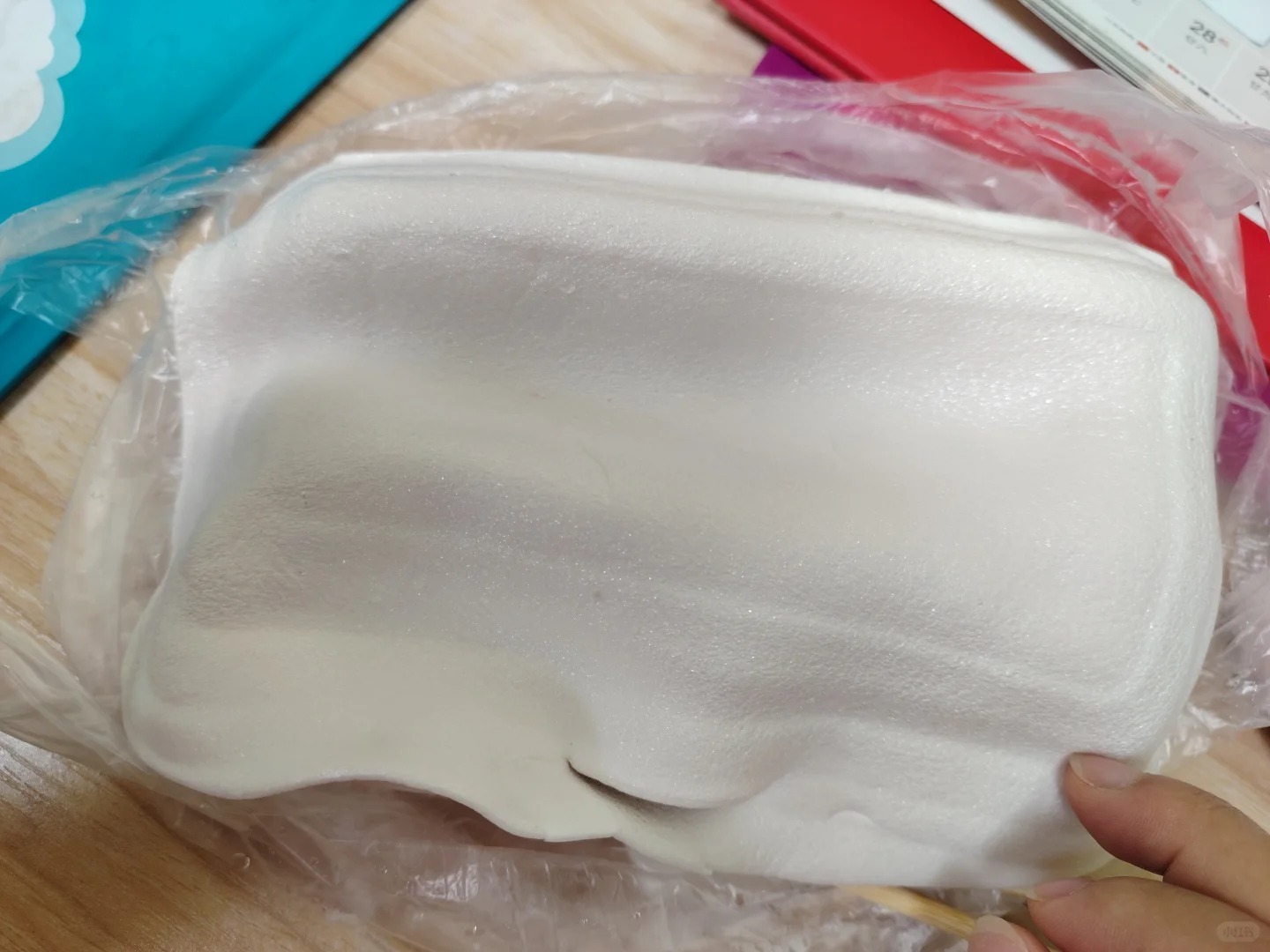
What Is Styrofoam Food Packaging?
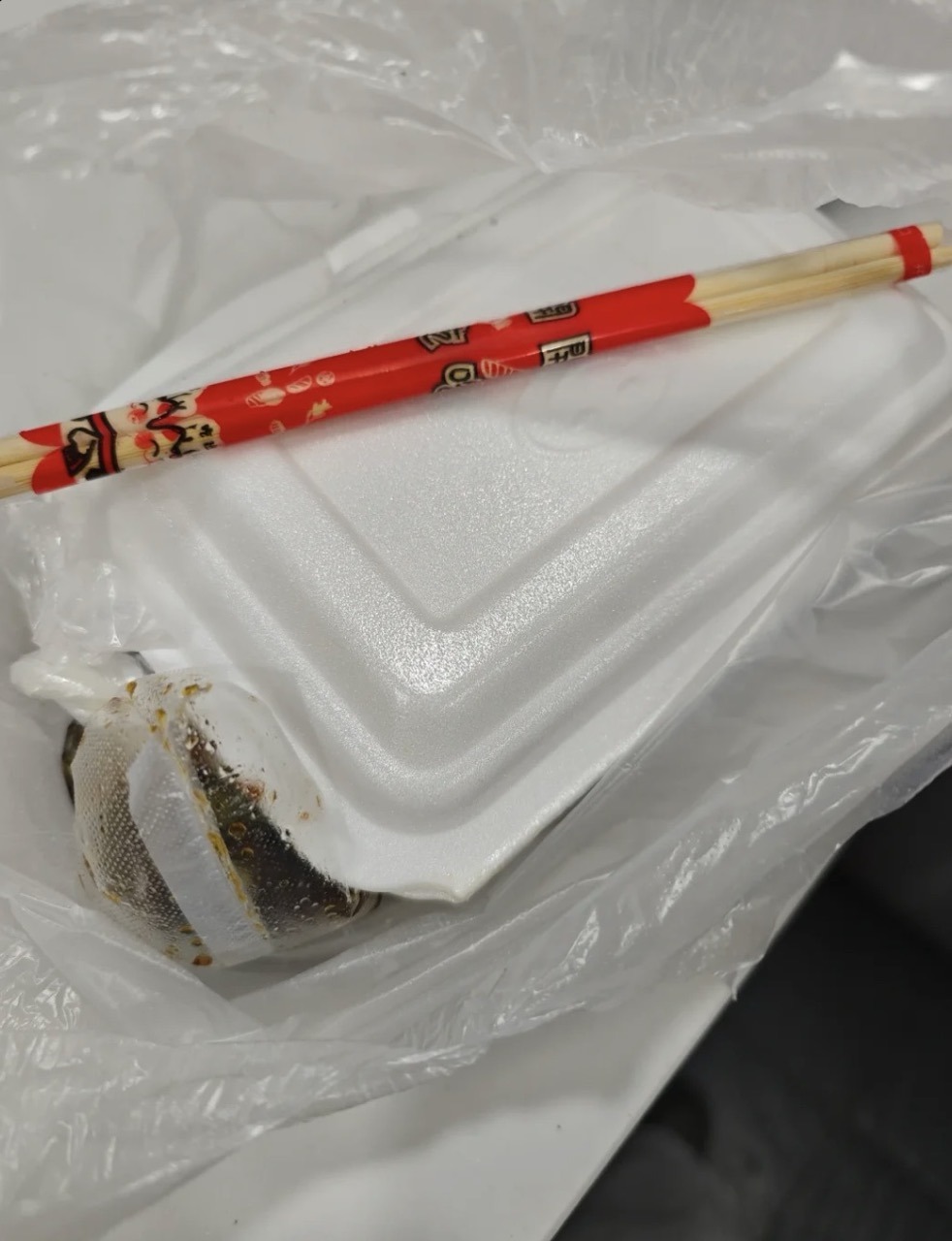
“Styrofoam” is commonly used as a generic name for white foam food packaging. Technically, Styrofoam is a trademark associated with extruded polystyrene insulation, while most disposable foam cups, clamshells, and trays are made from expanded polystyrene, or EPS.
EPS is produced by expanding small polystyrene beads into a cellular structure containing a large amount of air. Those air pockets make the finished package:
- lightweight;
- thermally insulating;
- cushioning and impact resistant;
- inexpensive to manufacture; and
- useful for short-term food holding and transport.
Polystyrene also appears in rigid, non-foamed products. A clear brittle lid, bakery container, or cold-food tray may be rigid PS or oriented polystyrene rather than EPS. These products can behave differently in use, but neither appearance nor the #6 code proves that a finished package has been designed for microwave reheating.
| Material or Form | Typical Food-Packaging Use | What the Marking Tells You | Microwave Decision |
|---|---|---|---|
| EPS foam | White cups, takeout clamshells, bowls, and trays | Often PS or #6 | Do not microwave ordinary foodservice EPS |
| Rigid or oriented PS | Clear cold-food lids, bakery packs, and produce containers | Often PS or #6 | Use only if the finished package explicitly directs microwave use |
| Polypropylene (PP) | Meal-prep tubs, soup cups, and some hot-food containers | Usually PP or #5 | #5 alone is insufficient; look for microwave instructions |
| Bagasse or molded fiber | Plant-fiber clamshells, plates, and bowls | May include compostability or fiber claims | Microwave suitability is product-specific; check the label |
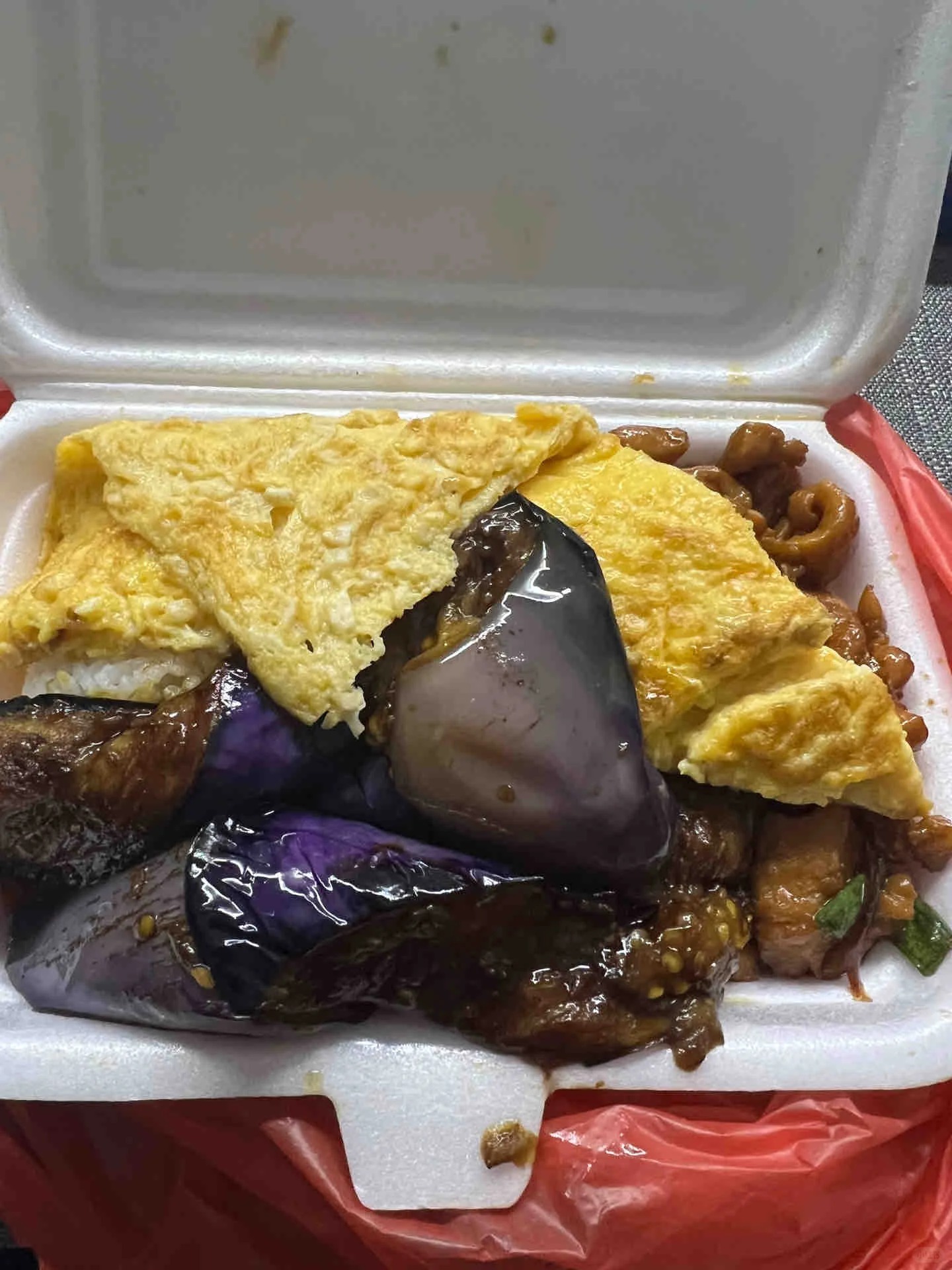
Why Styrofoam Keeps Food Warm but Should Not Be Used for Reheating
Insulation and reheating perform different jobs.
EPS slows the movement of heat between food and the surrounding air. That is why a foam cup can hold a hot drink and a foam clamshell can reduce heat loss during a short delivery. The package is passively retaining heat that is already in the food.
A microwave introduces additional energy. Water, fats, and sugars in the food absorb microwave energy and heat up. Heat then transfers from the food into the container, often unevenly. A small area touching oil, melted cheese, syrup, or a concentrated sauce can become much hotter than another area touching moist rice or vegetables.
This creates stresses the takeout package may never have been designed to handle:
- hot spots can soften or distort the foam;
- steam can build pressure under a closed lid;
- the weight of hot food can make a softened base collapse;
- seams and hinges can weaken and leak; and
- higher temperature and longer contact can affect migration from packaging into food.
The Singapore Food Agency advises that polystyrene foam can soften or melt at high temperatures, should not hold food above 100°C, and should not be used in a microwave. It also recommends cooling boiling-hot or oily food slightly and draining excess oil before placing it in foam packaging.
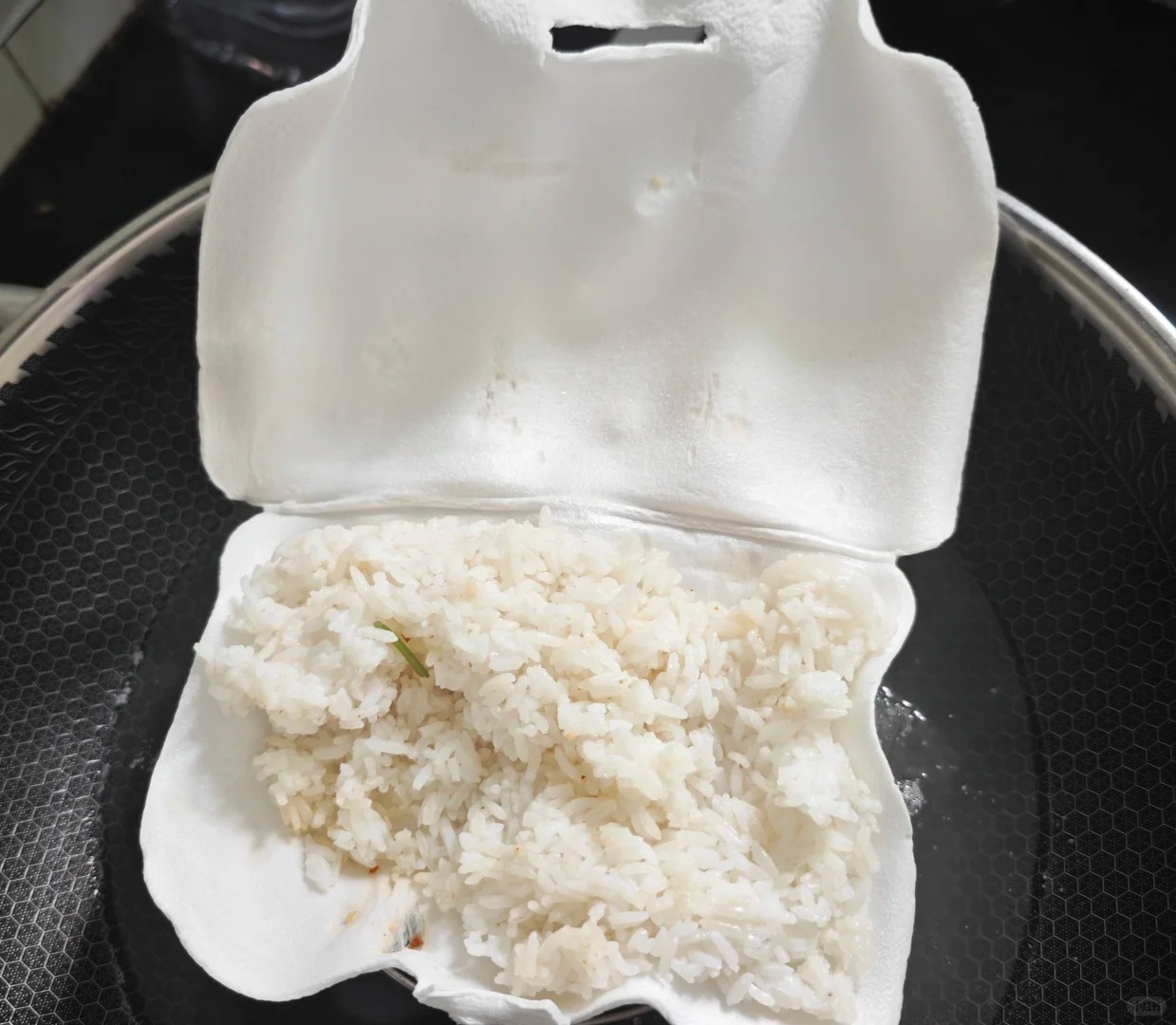
What Happens When You Microwave Styrofoam?
The outcome depends on the package, the food, the heating time, the microwave power, and whether the container is open or sealed. The microwave does not need to heat the foam directly for the package to fail; hot food can transfer enough heat to damage it.
| Possible Result | Why It Happens | What You Should Do |
|---|---|---|
| Softening or warping | The food creates localized heat beyond the package’s intended conditions | Stop heating; do not continue using the container |
| Collapsed base or damaged hinge | Warm foam loses stiffness while supporting the food | Protect yourself from spills and transfer only if it can be done safely |
| Leaking hot liquid | Seams, corners, or thin areas deform | Avoid handling with bare hands; discard visibly compromised food |
| Unevenly heated food | Microwave energy and food geometry create hot and cold spots | Use suitable cookware, stir or rotate, and check food temperature |
| No visible change | The heating period may have been brief or the food remained relatively cool | Do not treat appearance as proof of microwave suitability |
High-fat and high-sugar foods deserve particular caution because they can reach high local temperatures. Fried foods, oily noodles, cheese-heavy dishes, gravies, butter, syrups, and concentrated sauces can stress a package more than a short warming of a moist, water-rich food.
There is no reliable consumer rule such as “30 seconds is safe” or “half power makes foam safe.” Lower power changes how the microwave cycles energy, but it does not convert an unsuitable package into approved microwave cookware.
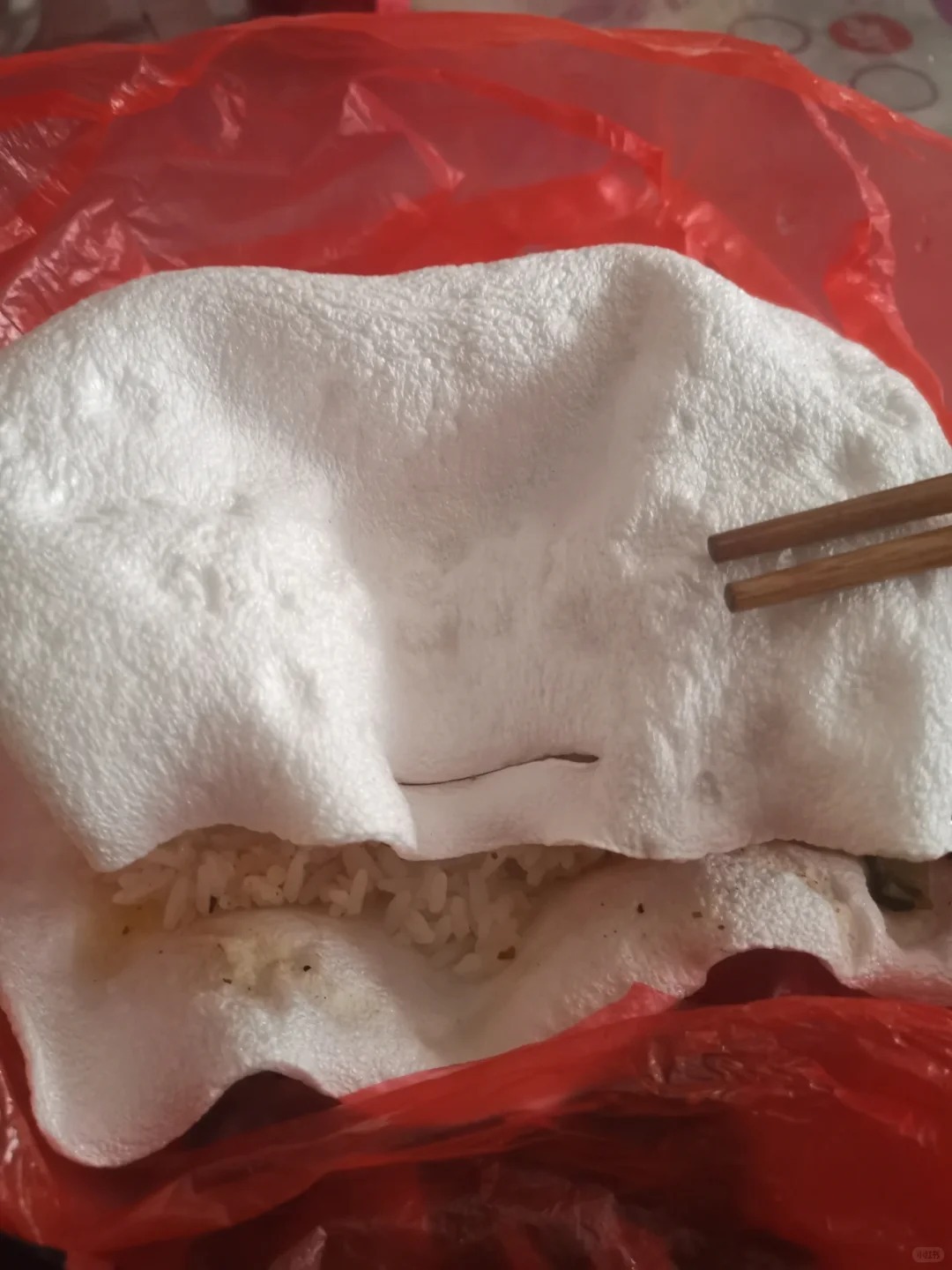
Does Microwaving Styrofoam Release Harmful Chemicals?
The accurate answer is more measured than either “all polystyrene is poisonous” or “it is safe if it does not melt.”
Styrene is the starting monomer used to manufacture polystyrene. The finished polymer is not the same thing as free styrene, but small residual amounts can remain in the material, and small amounts may migrate into food. The U.S. Agency for Toxic Substances and Disease Registry notes that low levels of styrene occur naturally in some foods and that small amounts can also transfer from styrene-based packaging.
Migration depends on several variables:
- the formulation and construction of the finished package;
- the type of food, especially whether it contains free fat or oil;
- temperature;
- contact time;
- surface area; and
- the package’s intended conditions of use.
The FDA evaluates food-contact substances using migration and toxicology data for their intended use. Its chemistry guidance recognizes microwave use as a specific application and recommends migration testing under defined aqueous- and fatty-food conditions for microwave-only containers. That is why a package suitable for cold storage or hot-food transport is not automatically suitable for microwave cooking.
The FDA’s current position on microplastics also requires restraint. It states that there is not yet sufficient scientific evidence to show that microplastics and nanoplastics from plastic food packaging migrate into foods and beverages, and current evidence does not demonstrate that levels detected in foods pose a human-health risk. Therefore, a study involving microwave-heated PP or PE containers should not be presented as direct proof of what happens in an EPS takeout box.
The practical conclusion remains simple: avoid unnecessary exposure by using the package only as intended. You do not need a dramatic cancer claim to justify transferring food out of an unlabeled foam container.
What Does FDA Compliance Actually Mean for Polystyrene?
Title 21 CFR §177.1640 is the U.S. regulation specifically covering polystyrene and rubber-modified polystyrene used as components of food-contact articles. It sets identity and compositional requirements, including limits for residual styrene monomer. For polystyrene used with specified fatty foods, the regulation sets a tighter residual-monomer specification than for other covered applications.
However, §177.1640 is not a blanket statement that every polystyrene container is microwave-safe. The regulation says compliant polystyrene may be used in food-contact articles subject to its provisions, and finished articles must also meet any other applicable specifications and limitations.
FDA’s broader framework separates food type from condition of use. Its conditions include room-temperature storage, refrigeration, hot filling, reheating food in the container, and high-temperature cooking. A material authorization or compositional regulation must be read together with the actual intended use of the finished package.
This leads to three important corrections:
- “FDA compliant” does not automatically mean microwave-safe. Ask what use, food type, temperature, and duration the compliance evidence covers.
- A resin code is not an approval mark. #6 identifies the polystyrene family, while #5 identifies polypropylene; neither code by itself describes the finished package’s microwave instructions.
- “Microwave-safe” is product-specific. Follow the finished article’s manufacturer directions rather than assuming that every product made from the same resin behaves identically.
How to Tell Whether a Food Container Is Microwave-Safe
Check the bottom, lid, sleeve, label, and manufacturer’s product specification. A credible microwave instruction should identify the finished product and may state limits for time, power, temperature, lid position, or number of uses.
Look for:
- the words “microwave-safe” or “microwaveable”;
- a microwave-use symbol accompanied by instructions;
- directions such as “vent lid,” “remove film,” or “heat for up to X minutes”;
- a maximum power or temperature, when provided;
- a warning that the package is for one-time reheating only; and
- a technical data sheet for commercial packaging purchases.
Do not rely on:
- the #5 or #6 resin code alone;
- the fact that the package arrived with hot food;
- a container’s thickness or apparent sturdiness;
- a generic “food-grade” or “FDA approved” marketing statement;
- the absence of visible melting after a previous use; or
- an online claim that applies to a resin family rather than the exact package.
When the label is missing, unreadable, or ambiguous, treat the package as unsuitable for microwave use.
Can You Heat, Reheat, or Warm Food in a Styrofoam Container?
People use “heat,” “reheat,” and “warm” differently, but the container decision is the same: ordinary EPS takeout packaging should not go into a microwave.
Can you heat up food in a Styrofoam container?
Not in an ordinary foam takeout box. Transfer the food before applying microwave, oven, air-fryer, stovetop, or direct radiant heat. Conventional ovens and air fryers expose packaging to hot air and heating elements and are not safe places for EPS.
Can you reheat leftovers in a Styrofoam container?
No, unless the specific package explicitly instructs microwave reheating. USDA guidance says to microwave food in packaging only when the package directs and to use that packaging only once. For leftovers, transfer the food, cover it with a microwave-safe lid or cover that allows steam to escape, stir or rotate it, and reheat to 165°F.
Can you warm food for only a few seconds?
A brief cycle may not visibly damage the foam, but there is no universal safe time for an unlabeled package. Food composition, quantity, microwave wattage, and container construction all differ. Moving the food to proper cookware takes less time than trying to calculate an unsupported “safe” exposure.
Can a Styrofoam cup go in the microwave?
Ordinary foam cups should not be microwaved. A cup’s ability to hold a hot beverage does not mean it was designed to reheat that beverage. Pour the drink into a microwave-safe glass or ceramic mug.
What Should You Do If You Accidentally Microwaved Styrofoam?
Use the condition of the package and food to guide your next step.
- Stop the microwave. If there is smoke, keep the door closed, turn the appliance off, and follow the microwave manufacturer’s emergency instructions.
- Let the container cool enough to handle safely. Watch for weakened corners and leaking hot liquid.
- Inspect the package. Look for warping, shrinkage, holes, melted areas, separated foam beads, or residue.
- Discard compromised food. If the package melted, changed shape, broke apart, or transferred material to the food, do not eat the food.
- Clean any residue. Once the microwave is cool, follow the appliance instructions for cleaning the interior.
- Use the correct container next time. Do not reuse the foam package for another heating cycle.
USDA guidance on accidentally heated packaging provides a useful risk distinction: if plastic packaging has melted or otherwise changed shape, the food should not be used. One accidental, brief exposure in an unchanged container does not by itself prove an immediate health emergency. If anyone develops symptoms, or if a child consumed melted packaging material, contact a medical professional or Poison Control for case-specific advice.
How to Keep Food Warm in a Styrofoam Container Without Microwaving It
EPS can help reduce heat loss during short transport, but it is not an active hot-holding system. To use a foam container within its intended role:
- place prepared food in the package only if it is designed for that food and temperature;
- allow boiling-hot or heavily oiled food to cool slightly before packing;
- drain excess oil from fried foods;
- close the lid as designed, without blocking any required vent;
- place the closed package in an insulated delivery bag;
- minimize transport and holding time; and
- do not put the foam container on a hot plate, in an oven, under a heat lamp, or directly against a heating element.
Packaging insulation does not replace food-temperature control. USDA advises keeping hot food at or above 140°F and cold food at or below 40°F. Perishable food should not remain in the 40–140°F “danger zone” for more than two hours, or more than one hour when the ambient temperature is above 90°F.
For restaurants and caterers, use proper hot-holding equipment such as a preheated steam table, warming tray, or chafing dish. Package food close to dispatch time and monitor actual food temperature rather than assuming the foam box will keep it safe indefinitely.
Safer Alternatives for Microwave Reheating
The best alternative depends on whether the package is for home reuse, single-use takeaway, frozen meals, or commercial meal preparation.
| Container | Microwave Suitability | Best Use | Important Limitation |
|---|---|---|---|
| Heat-resistant glass | Excellent when labeled for microwave use | Home storage and repeated reheating | Avoid thermal shock and damaged glass |
| Microwave-safe ceramic | Excellent when free of metallic paint or trim | Meals, soups, sauces, and beverages | Some handles and surfaces become very hot |
| Labeled microwave-safe PP | Common disposable or reusable option | Meal prep, takeout, soup, and deli foods | #5 alone does not confirm microwave performance |
| Labeled microwave-safe molded fiber | Product-specific | Single-use foodservice applications | Coatings, additives, moisture, and heating limits vary |
| Plain paper plate or bowl | Suitable only when the product and food allow it | Short reheating of suitable foods | Avoid printed, coated, laminated, or unknown products |
| Metal or aluminum container | Generally not suitable unless the microwave and package give specific instructions | Oven heating when rated for that use | Incorrect microwave use can cause arcing |
For the simplest home decision, use microwave-safe glass or ceramic. For disposable foodservice packaging, select a finished container with documented microwave instructions that cover the food, time, and temperature of the intended application.
A Buyer Checklist for Microwave-Reheatable Food Packaging
Restaurants, meal-prep brands, caterers, and distributors should verify more than the resin code or a generic “food-grade” claim.
Ask the supplier:
- What exact use is the finished container designed for? Separate hot filling, hot holding, refrigeration, freezing, microwave reheating, and cooking.
- What are the tested limits? Request maximum temperature, time, microwave power, food type, and number of use cycles.
- How should the lid or film be handled? Confirm whether it must be removed, loosened, or vented.
- What U.S. food-contact basis applies? Ask for the relevant 21 CFR citations, effective Food Contact Notification, or other authorization covering every food-contact component and the intended use.
- Is the claim for the complete article? Resin compliance does not automatically cover colorants, coatings, adhesives, inks, lids, pads, or multilayer components.
- Can the supplier provide current supporting documentation? Keep declarations, specifications, migration reports, and lot traceability records with the procurement file.
For EPS used only to transport or briefly hold food, the supplier should state the allowed food types and temperature limits just as clearly. A cold-food tray, hot-drink cup, and microwave-reheatable meal container are different applications even when they appear in the same product catalog.
Frequently Asked Questions
Is it safe to microwave food in a Styrofoam container?
Ordinary Styrofoam or EPS food containers should not be microwaved. USDA lists foam-insulated cups, bowls, plates, and trays as not safe for microwave use. Microwave food in packaging only when that exact package directs you to do so.
Does a #6 symbol mean a container can go in the microwave?
No. #6 is a resin identification code for polystyrene. It helps identify the material family but does not certify the package for reheating, state a safe temperature, or replace manufacturer instructions.
Are all #5 PP containers microwave-safe?
No. Polypropylene is widely used for heat-tolerant food containers, but the #5 code alone does not prove that a particular finished container, lid, coating, or label system has been evaluated for microwave use. Look for explicit directions for the exact product.
What temperature does Styrofoam melt?
There is no single reliable consumer “melting temperature” for every foam container. Polystyrene is an amorphous polymer that softens over a range, and the finished package’s behavior depends on grade, foam structure, thickness, additives, load, and food-contact conditions. SFA’s practical guidance is that Styrofoam is unsuitable for food above 100°C and is not microwaveable.
Can you microwave Styrofoam for 30 seconds?
Do not use 30 seconds as a universal safe limit. A small amount of oily or sugary food can create high local temperatures quickly, and microwave wattage varies. Transfer the food unless the package specifically allows the intended cycle.
Is Styrofoam safe for hot food?
It can be suitable for holding and transporting hot food when the finished package is designed for that food and temperature. That does not make it suitable for boiling-hot oil, deep-fried food straight from the fryer, or microwave reheating.
Can Styrofoam go in an oven or air fryer?
No. Ordinary EPS food packaging is not oven-safe or air-fryer-safe. Transfer food to cookware specifically designed for the appliance.
Can you reuse a foam takeout container?
Treat foam foodservice packaging as single-use unless the manufacturer expressly states otherwise. Scratches, deformation, food residue, and repeated heat exposure make improvised reuse a poor choice.
Are microwave ovens themselves harmful?
Microwave ovens are designed to heat food safely when used according to the appliance instructions. The key packaging issue is choosing cookware intended for microwave use and heating food evenly to the required internal temperature.
結論
Can you microwave food in a Styrofoam container? For an ordinary white foam takeout box, cup, bowl, or tray, the answer is no. EPS is effective insulation, but keeping food warm during transport is not the same as safely reheating it.
The most reliable rule is to follow the finished package’s intended use. A resin code, a “food-grade” claim, or general FDA compliance does not replace microwave-specific instructions. If the package does not clearly direct microwave use, transfer the food to labeled microwave-safe glass, ceramic, or another suitable container.
If you accidentally heated foam once, inspect it calmly. Discard food that contacted melted, warped, or broken packaging, clean any residue, and avoid repeating the mistake. For foodservice buyers, verify the complete article’s food-contact basis, migration testing, temperature limits, and microwave directions before treating any disposable package as reheatable.
References
Electronic Code of Federal Regulations. 21 CFR §177.1640—Polystyrene and Rubber-Modified Polystyrene.
Used for the U.S. compositional requirements and residual-styrene specifications applying to polystyrene food-contact articles.
Electronic Code of Federal Regulations
U.S. Food and Drug Administration (FDA). Food Packaging & Other Substances that Come in Contact with Food—Information for Consumers.
Used for the FDA definition of food-contact substances and its intended-use, migration-data, and toxicology review framework.
U.S. Food and Drug Administration
U.S. Food and Drug Administration (FDA). Food Types & Conditions of Use for Food Contact Substances.
Used to distinguish room-temperature storage, refrigeration, in-container reheating, hot filling, and cooking as different food-contact conditions.
U.S. Food and Drug Administration
U.S. Food and Drug Administration (FDA). Guidance for Industry: Preparation of Premarket Submissions for Food Contact Substances—Chemistry Recommendations.
Used for FDA’s discussion of the factors affecting microwave-container temperature and its recommended migration testing for microwave-only food-contact articles.
U.S. Food and Drug Administration
U.S. Department of Agriculture, Food Safety and Inspection Service (USDA FSIS). Cooking with Microwave Ovens.
Used for the list of microwave-safe and unsafe packaging materials, including the instruction not to use foam-insulated cups, bowls, plates, or trays.
USDA Food Safety and Inspection Service
U.S. Department of Agriculture, Food Safety and Inspection Service (USDA FSIS). Meat and Poultry Packaging Materials.
Used for one-time-use packaging guidance, chemical-migration cautions, and the recommendation to discard food when accidentally heated plastic packaging melts or changes shape.
USDA Food Safety and Inspection Service
Singapore Food Agency (SFA). Using Styrofoam Containers Safely.
Used for practical guidance on high-temperature and oily foods, the 100°C holding limit, appropriate use of EPS, and the recommendation not to microwave Styrofoam.
Singapore Food Agency
Agency for Toxic Substances and Disease Registry (ATSDR). Toxicological Profile for Styrene.
Used for the distinction between styrene exposure from food, the environment, and packaging, and for the statement that small amounts can transfer from styrene-based packaging materials.
Agency for Toxic Substances and Disease Registry
U.S. Food and Drug Administration (FDA). Microplastics and Nanoplastics in Foods.
Used to explain the present evidence limits and why findings from other plastic materials should not be presented as direct proof about EPS microwave exposure.
U.S. Food and Drug Administration
U.S. Department of Agriculture, Food Safety and Inspection Service (USDA FSIS). “Danger Zone” (40°F–140°F).
Used for hot-holding, cold-holding, two-hour, one-hour, and 165°F reheating guidance.
USDA Food Safety and Inspection Service

マンルエンプラスチック包装有限公司は、20年以上にわたりプラスチック食品包装の製造を専門としています。当社の製品は、100%のバージン素材とBPAフリーのPP、PS、OPSを使用し、FDAおよびヨーロッパ基準に準拠しています。
 JA
JA  EN
EN  ZH
ZH  FR
FR  PT
PT  ES
ES  KO
KO