
Introduction
A sushi bento box holds a complete meal in one package. It gives sushi, side dishes, and condiments their own space and helps keep the arrangement intact during pickup or delivery.
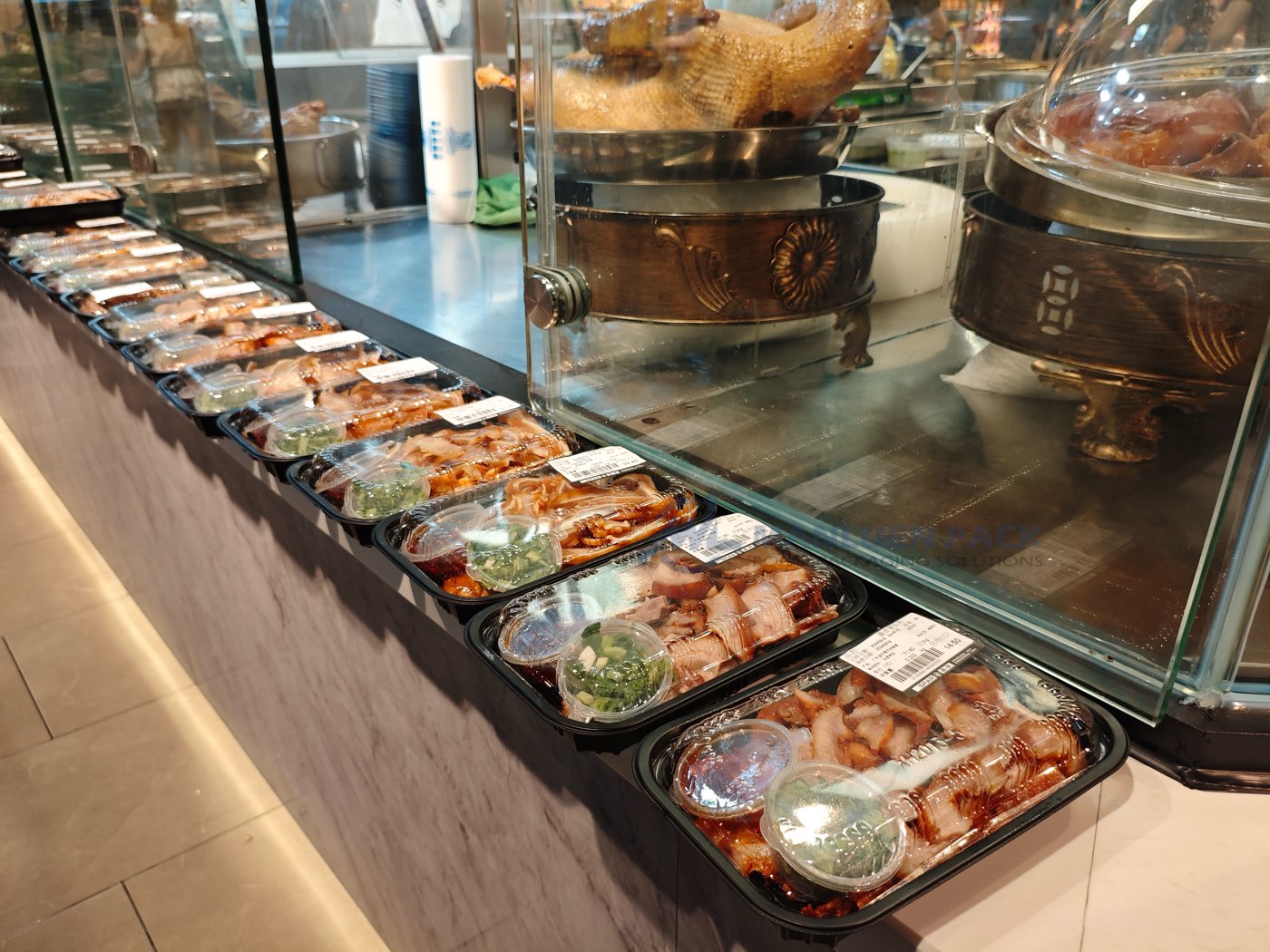
For restaurants and caterers, a disposable box also removes the need to collect and wash containers after service. The right choice depends on the menu, portion size, storage conditions, and delivery route. A box that works for chilled sushi may not suit a hot rice meal.
Start by comparing disposable bento boxes for mixed meals and 寿司トレイ for rolls, nigiri, and sashimi sets.
What Makes a Sushi Bento Box Different?
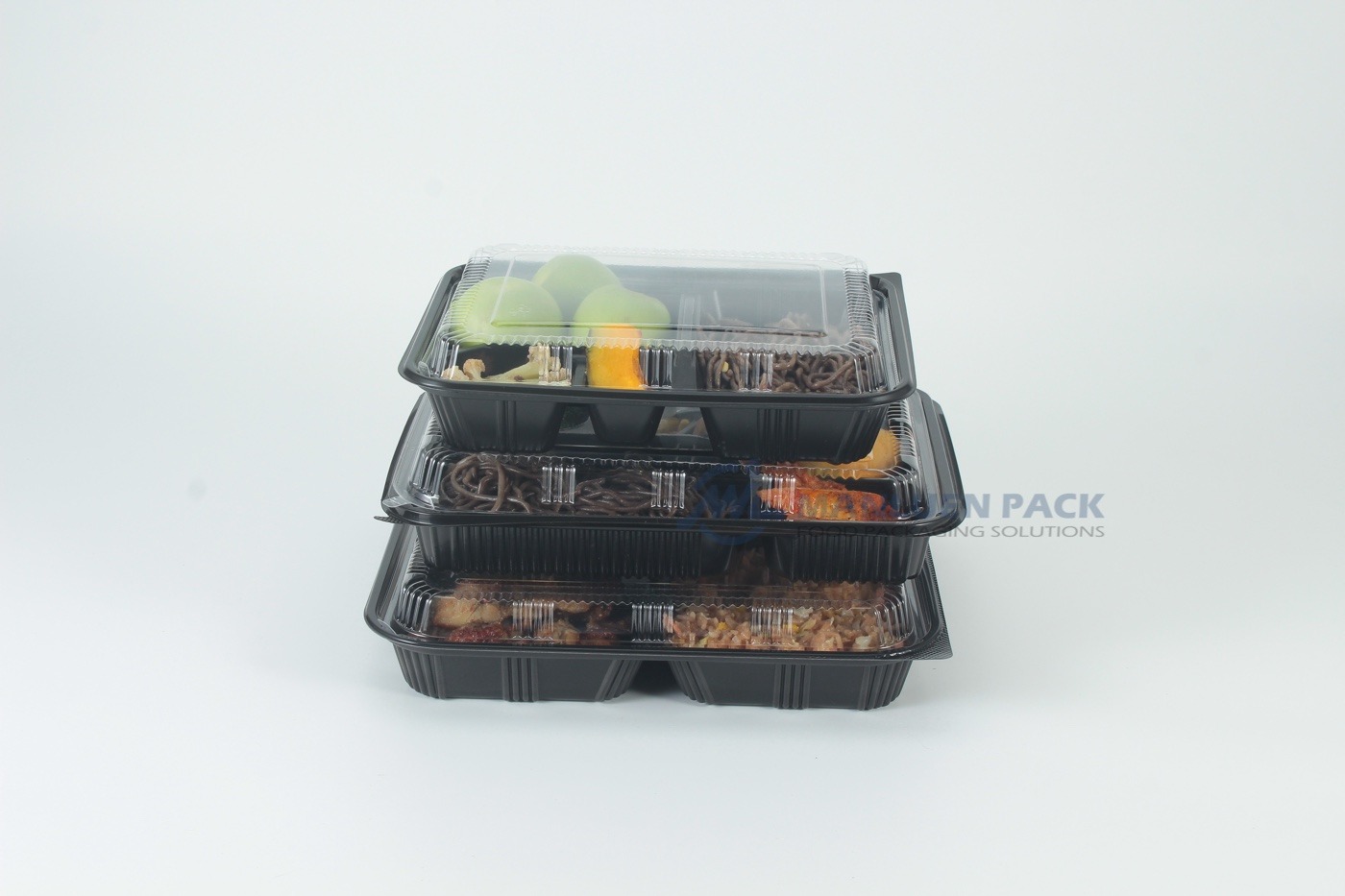
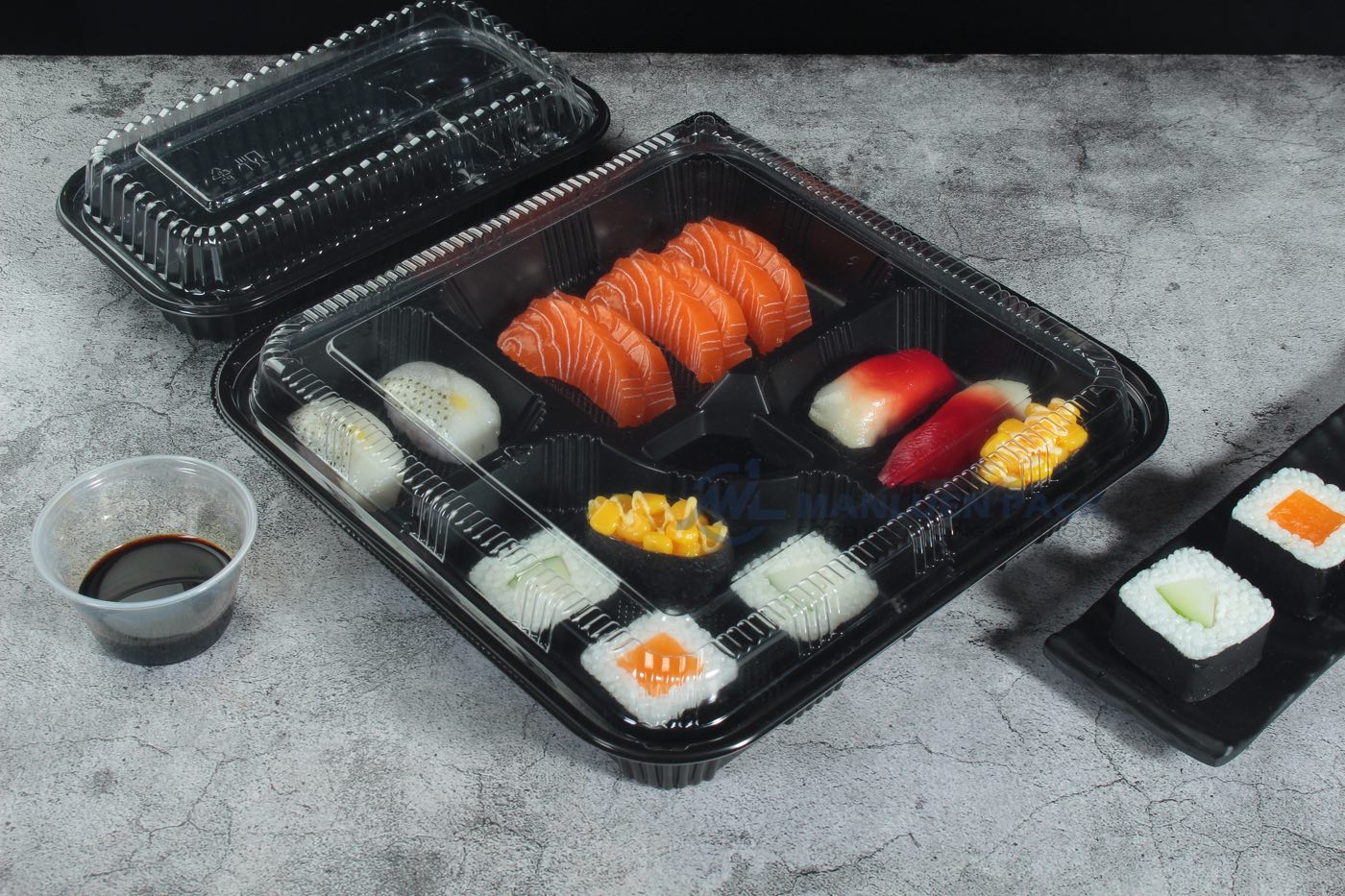
A bento box is a meal container that holds several foods together. Many designs use compartments, though a sushi tray can also have an open base with room for a small condiment cup.
Compartments help keep pickles and side dishes away from the sushi. They also give staff a consistent layout to follow when packing orders. Dividers do not necessarily form a liquid-tight barrier, so pack soy sauce and wet dressings in separate sealed sauce cups.
A clear lid lets customers see the meal without opening the package. A shallow base can make sushi easier to arrange and remove. Square and rectangular formats can fit neatly into refrigerated shelves and delivery bags, but buyers should check the external dimensions before choosing a size.
For a wider comparison of meal-container layouts, see our guide to disposable plastic bento boxes.
Features to Check Before Choosing a Sushi Bento Box
Portion Size and Lid Clearance
Choose the box around the food you serve, not just its stated capacity. Sushi pieces vary in width and height. A tray that fits small rolls may be too tight for large nigiri or rolls with toppings.
Pack a sample with your normal order. Leave enough space to lift the food out, but avoid large gaps that let pieces slide during transport. Close the lid and check that it does not press against the toppings. Our sushi tray size and capacity guide explains how to compare layouts for different piece counts.
Compartment Layout
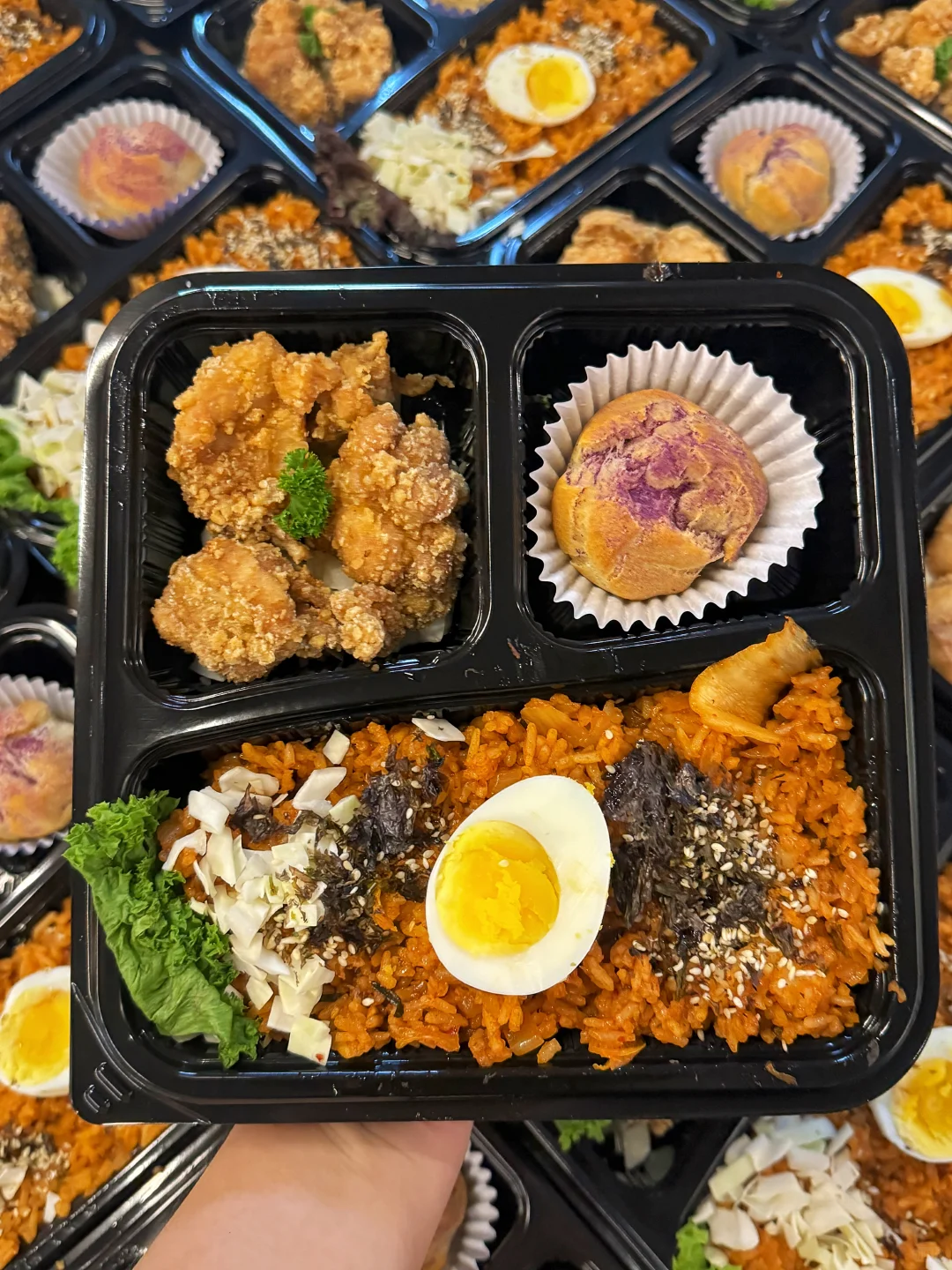
A three-compartment box can work for sushi with two side dishes. Other meals need a larger main section or an open tray. Match the layout to your menu instead of choosing extra compartments that customers will not use.
Check the usable space in each section. Deep dividers and rounded corners can reduce the room available for arranging food.
Lid Fit and Transport Strength
The lid should close securely without bending the base or requiring excessive pressure. Check every corner after packing. A snap-on lid does not automatically make a container leak-proof.
Test a filled box in your usual delivery bag. Stack several orders and check for crushed lids, loose corners, and shifting food. Repeat the test after chilled storage. Our guide to choosing a bento box for takeaway covers these handling checks.
Material and Temperature Limits
Suppliers offer sushi and meal packaging in different plastics, including PP, PET, PS, and OPS. The base and lid may use different materials. Ask for the specification of both components.
| Packaging use | What to check |
|---|---|
| Chilled sushi display | Food-contact suitability, lid clarity, condensation, and performance during refrigerated storage. |
| Sushi with cold side dishes | Compartment dimensions, sauce separation, and closure security. |
| A separate hot rice meal | Documented filling-temperature limits and the suitability of both the base and lid. |
| Customer reheating | Explicit microwave instructions for the exact container, including whether the lid must be removed. |
Do not assume that every plastic sushi box can go in the microwave. Even a PP base needs product-specific instructions. Compare materials in our food packaging materials guide, and check our article on microwaving food in plastic containers when reheating is part of the intended use.
Packaging Helps Presentation, but Cold Storage Keeps Sushi Safe
A closed box protects the arrangement during handling. It does not keep raw fish safe for hours without temperature control.
FDA advises storing seafood in a refrigerator at 40°F (about 4°C) or below and using a cooler with ice or cold packs for picnic transport. Its consumer guidance says not to leave seafood or other perishable foods unrefrigerated for more than two hours, or one hour when the temperature exceeds 90°F (about 32°C). See FDA’s seafood handling guidance.
Restaurants should follow their applicable food code and food-safety procedures, including any approved controls for sushi rice. Packaging does not replace those controls. Pack chilled sushi separately from hot meals so the delivery bag does not warm the cold food.
Applications Across Restaurants, Catering, and Home Use
Restaurants and Takeaway Counters
Standardize a few box sizes around your best-selling meals. This makes portioning easier and reduces the number of bases and lids staff need to manage.
For refrigerated counters, check how the food looks through the lid after storage. Leave a suitable area for labels without covering the entire meal. If you want a patterned base, compare it with the colors of your food rather than choosing decoration alone.
For example, Manluen’s WL-B03 sushi box with lid offers a compact red-and-gold format. Check its current dimensions and material options against a packed sample before ordering.
Catering and Events
Individual sushi bento boxes make it easier to hand out meals without rearranging food at the venue. Check carton quantities, stacking height, and the space available in your cold transport equipment.
For a large event, test the packing process with several staff members. Make sure the lids close consistently and the boxes remain stable when moved in batches. Keep orders chilled until service.
Household Meals and Picnics
A disposable box can be useful when returning a reusable container is inconvenient. It is light to carry and avoids washing after a one-off event. For regular lunches, a reusable box may suit the routine better.
Use a cooler for perishable meals, keep the box level, and follow its stated use limits. Do not treat packaging sold for single use as a reusable storage container.
Check Food-Contact Documents Before Buying
Ask for documents covering the exact box and lid you plan to order. “Food-grade” and “FDA approved” are not enough on their own. The evidence should match the material, food type, contact time, temperature, and destination market.
FDA explains that components may have different regulatory bases, including applicable regulations and effective Food Contact Notifications. An FCN covers the identified manufacturer, substance, and conditions of use. See FDA’s food-contact regulatory guidance.
21 CFR Part 177 contains provisions for polymers, but it does not give every plastic box a universal microwave temperature rating. For a plain explanation, read our guides to food-grade packaging and food packaging regulation and approval.
For EU sales, request the applicable plastics Declaration of Compliance and supporting evidence under Regulation (EU) No 10/2011. The European Commission’s legislation overview explains the framework and migration requirements. Our 2026 plastic food packaging compliance guide covers wider purchasing considerations.
Wholesale Orders: Confirm the Details in Writing
Before placing a bulk order, agree on the following details:
- Product specification: model, base and lid materials, dimensions, compartment layout, and intended use.
- Samples: test them with the actual food, storage conditions, and delivery process.
- Commercial terms: MOQ, unit price, carton quantity, freight arrangements, and payment terms.
- Availability: current stock, production lead time, and the schedule for repeat orders.
- Customization: available colors, patterns, labels, printing, or tooling, with any additional cost and minimum quantity.
- Quality control: acceptable defects, inspection arrangements, and notification before material or design changes.
Compare the cost of the complete pack, including the lid, sauce cup, label, and delivery bag. A lower tray price may not reduce the total cost if staff need extra packaging or replacements.
If your business also sells cakes or desserts, choose separate cake containers with suitable height and support. A sushi box is not automatically the right package for every food.
Disposal and Recycling
Do not assume that a plastic resin code guarantees local recycling acceptance. Check the rules for the exact base and lid in the destination market. Different components may need separate handling.
For a sustainability brief, consider material use, food protection, disposal infrastructure, and whether reuse fits the service. Our sustainable packaging supplier guide explains what to ask before accepting environmental claims.
Frequently Asked Questions
Is a sushi tray the same as a bento box?
Not always. A sushi tray often has an open base for arranging pieces. A bento box commonly has compartments for a mixed meal. Choose the layout that fits what you serve.
Does every sushi bento box need three compartments?
No. A sushi-only order may work better in an open tray. A mixed set may need separate sections for side dishes. Test the arrangement before settling on a design.
What is the minimum order quantity?
MOQ depends on the model and customization. Ask for a written quotation rather than relying on a general range. Confirm the quantity for both bases and matching lids.
Can a general supplier certificate cover every box?
It may describe the supplier’s systems, but buyers still need evidence covering the selected product and intended use. Check the report’s product identification and test conditions.
Choosing a Sushi Bento Box from Manluen
Review Manluen’s factory information and certifications as part of your supplier checks. Then ask for specifications and supporting documents for the model you select.
To request samples and a quotation, send your menu, portion size, preferred layout, destination market, order quantity, and delivery conditions. A packed sample will tell you more about fit and handling than an empty box alone.
References
U.S. Food and Drug Administration. Selecting and Serving Fresh and Frozen Seafood Safely.
Used for chilled storage and transport guidance, and limits on unrefrigerated holding.
U.S. Food and Drug Administration
U.S. Food and Drug Administration. Determining the Regulatory Status of Components of a Food Contact Material.
Used for component-specific compliance and the scope of Food Contact Notifications.
U.S. Food and Drug Administration
U.S. Electronic Code of Federal Regulations. 21 CFR Part 177—Indirect Food Additives: Polymers.
Used for the U.S. polymer regulatory reference, not a blanket microwave-safety claim.
eCFR
European Commission. Food Contact Materials Legislation.
Used for the EU plastics framework and migration requirements, including Regulation (EU) No 10/2011.
European Commission

マンルエンプラスチック包装有限公司は、20年以上にわたりプラスチック食品包装の製造を専門としています。当社の製品は、100%のバージン素材とBPAフリーのPP、PS、OPSを使用し、FDAおよびヨーロッパ基準に準拠しています。
 JA
JA  EN
EN  ZH
ZH  FR
FR  PT
PT  ES
ES  KO
KO