
重要なポイント
情報源とさらなる資料
この記事で引用されている材料安全性および食品接触に関する主張は、以下の主要な規制および業界の情報源から引用されています。各項目は元の文書へのリンクになっています。.
- 製品: レストランや家庭向けの完璧なWL-05寿司容器トレイの選び方 — テイクアウト、配達、フードサービス業務に適したWL-05フードコンテナ。.
- 素材: 食品グレードPP(ポリプロピレン) — BPAフリー、電子レンジ対応、FDA / EU基準適合。.
- 標準容量: 1ユニットあたり約570ml、個別の食事用に適しています。.
- 最適な用途: レストラン、ケータリング業者、フードトラック、小売の即食コーナー。.
- 調達先: 卸売りで入手可能 ManLuen FDA、EU、ISOの認証が記載された 認証ページ.
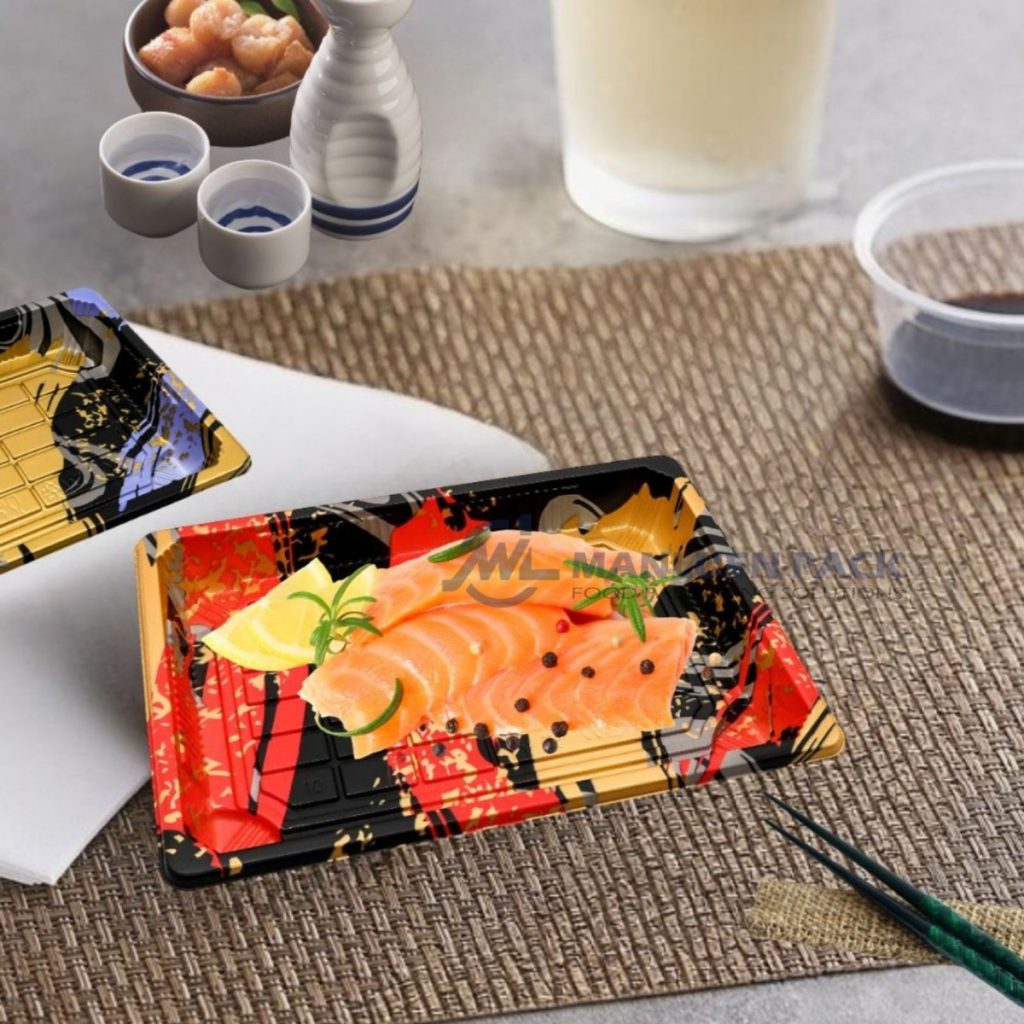
理想的な寿司容器トレイを選ぶには、素材、サイズ、耐久性、密封性、見た目、持続可能性を考慮すべきです。適切なトレイは寿司を新鮮で安全に保ちます。寿司には生魚が含まれることが多く、腐敗しやすく、E. coliやサルモネラ菌などの有害な細菌を引き寄せる可能性があります。.
不適切な梱包や輸送はこれらのリスクを悪化させることがあります。竹製トレイは自然の抗菌性を持ち、鮮度を保つのに役立ちます。プラスチック製トレイは便利さと耐久性を提供しますが、長距離輸送時には食品安全や環境への懸念が生じることがあります。テイクアウト、店内飲食、または自宅で寿司を準備するニーズに応じて選びましょう。.
重要なポイント
選ぶ 寿司トレイ 寿司をしっかり密封し、適切にフィットさせて損傷を防ぎ、新鮮さと安全性を保つトレイを選びましょう。.
透明な蓋やスタイリッシュなデザインで見た目を向上させ、寿司を魅力的に見せ、顧客体験を向上させるトレイを選びましょう。.
トレイのサイズと形状を寿司の種類と量に合わせて選び、整然とした見た目を保ち、滑りやつぶれを防ぎましょう。.
耐久性と密封性を考慮して輸送や保管に適したトレイを選び、寿司の鮮度を長持ちさせ、漏れや損傷を防ぎましょう。.
トレイの選択が重要な理由
新鮮さと安全性
キッチンからテーブルまで寿司を新鮮で安全に保ちたいものです。適切な寿司容器トレイは、空気や湿気、細菌から寿司を守るのに役立ちます。しっかりとした密封は菌の侵入を防ぎ、ご飯の乾燥も防ぎます。透明な蓋付きのプラスチックトレイは、開封せずに鮮度を確認でき便利です。寿司にぴったり合ったトレイを選ぶことで、パーツの動きや損傷を防ぎ、見た目と味を最高の状態に保ちます。.
寿司の見せ方は味と同じくらい重要です。選ぶトレイによって、寿司をより魅力的で特別なものに見せることができます。透明な蓋付きの長方形トレイは、創造的に寿司を配置でき、色や形を事前に見せることができます。これにより、食事の楽しさと新鮮さが増します。スタイリッシュな寿司容器トレイは、シンプルな食事を記憶に残る体験に変えることができます。.
ブランドと認知度
トレイの選択は、あなたのブランドについてのメッセージを伝えます。多くの顧客は環境に配慮したパッケージを求めています。竹、サバージュ、リサイクル素材から作られたトレイを好む傾向があります。若者や都市部の顧客は環境問題に関心が高く、ブランドにも同じことを求めています。持続可能なトレイを使用することで、地球や顧客への配慮を示すことができ、信頼と忠誠心を築きます。カスタムデザインやミニマリストスタイルも、ブランドの差別化に役立ちます。思慮深く魅力的なパッケージを使用するレストランは記憶に残ります。.
寿司容器トレイの素材
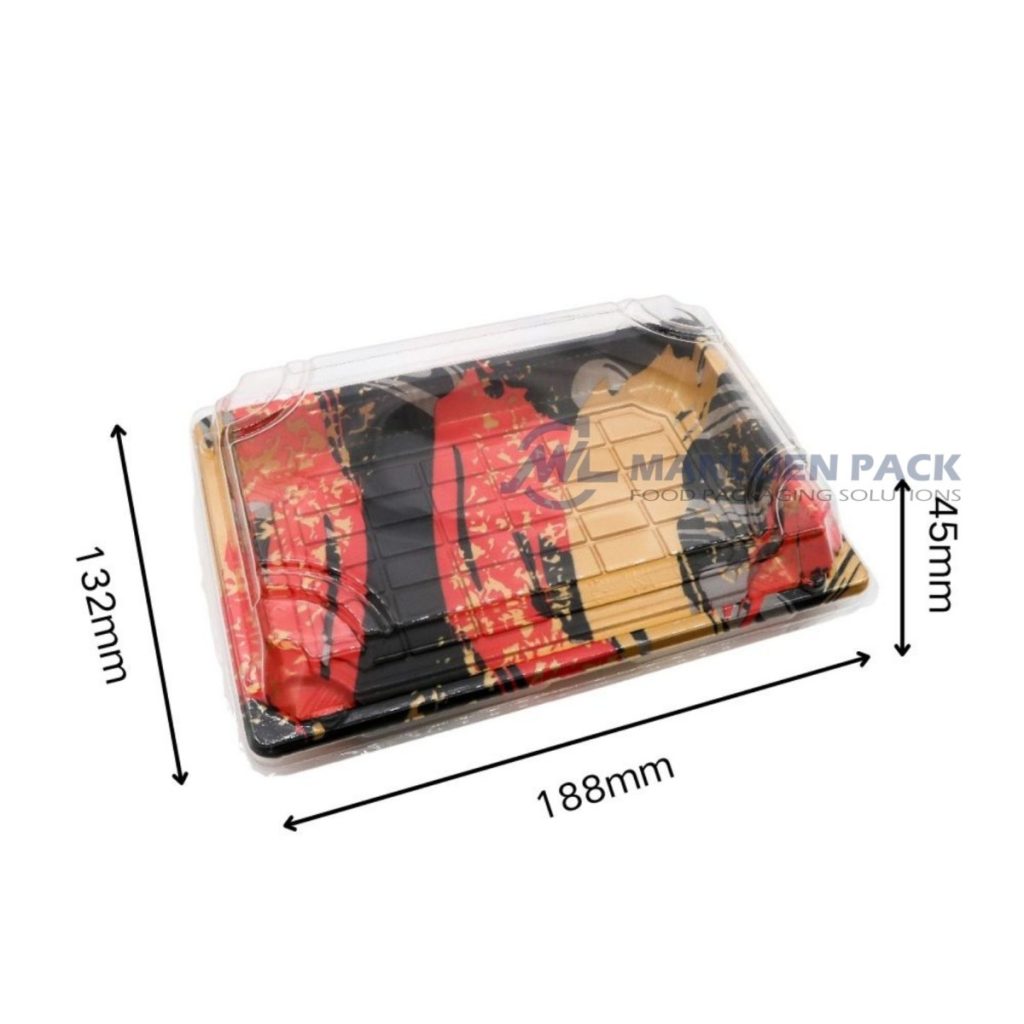
適切な素材を選ぶことは、鮮度、安全性、環境への影響に影響します。各素材には独自の長所と短所があります。最も一般的な選択肢を詳しく見てみましょう。.
プラスチックとPET
プラスチック、特にPETは、世界中で最も広く使用されている寿司トレイの素材です。PETトレイは透明で丈夫、安全に食品に適しています。レストランやスーパーマーケットでよく見られ、寿司を美しく見せつつ新鮮さを保ちます。.
長所:
PETトレイはFDA承認済みで、BPAフリー、化学物質に耐性があります。.
密封性が高く、寿司を新鮮に保ち、漏れを防ぎます。.
PETはリサイクル性が高く、ほとんどのリサイクルシステムで処理が容易です。透明な蓋は寿司を魅力的に見せます。.
| 特徴 | プラスチック/PET寿司トレイ |
| 食品安全性 | 高(FDA承認済み、BPAフリー) |
| 耐久性 | 非常に耐久性があり、割れにくい |
| 持続可能性 | リサイクル可能ですが、生分解性はありません |
| コスト | 低 |
| プレゼンテーション | 優れた視認性 |
木材と竹
木材と竹のトレイは自然でエレガントな外観を提供します。特に竹は、環境に配慮したブランドや高級寿司体験に人気があります。竹は成長が早く、農薬を必要とせず、ほとんどの植物よりも多くの二酸化炭素を吸収します。.
長所:
竹のトレイは軽量で漏れにくく、耐久性があります。.
持続可能性について強いメッセージを送ります。.
竹は堆肥化可能で生分解性があります。.
これらのトレイは、安全性と持続可能性のためにFDAやFSCなどの認証を持つことがよくあります。.
欠点:
木製トレイは希少で作るのに高価です。.
木材と竹の両方はプラスチックよりもコストがかかる場合があります。.
湿気が染み込むのを防ぐためにライナーが必要なことがあります。.
| 特徴 | 木製/竹製寿司トレイ |
| 食品安全性 | 高い(自然の抗菌特性) |
| 耐久性 | 耐久性があり、漏れにくい |
| 持続可能性 | 非常に持続可能で堆肥化可能 |
| コスト | 中程度から高い |
| プレゼンテーション | プレミアムで自然な外観 |
Paper and Cardboard
Paper and cardboard trays are gaining popularity as people look for greener options. Many of these trays use kraft paper or sugarcane bagasse, which are both compostable and biodegradable.
長所:
These trays break down naturally and reduce landfill waste.
They are free from harmful chemicals like PFAS and BPA.
Sturdy construction prevents leaks and protects sushi during delivery.
Trays have a clear lid for better presentation.
欠点:
Paper trays may not hold up as well with very moist or oily sushi.
They can cost more than basic plastic trays.
Not all paper trays are suitable for hot foods.
| 特徴 | Paper/Cardboard Sushi Trays |
| 食品安全性 | High (no PFAS/BPA, food grade) |
| 耐久性 | Medium (less durable with moisture) |
| 持続可能性 | Compostable, biodegradable |
| コスト | Medium |
| プレゼンテーション | Natural, can include clear Lid |
Bioplastic and BioCane
Bioplastics, such as PLA (corn plastic) and BioCane (sugarcane pulp), are new options for eco-friendly sushi packaging. These materials look and feel like plastic but come from plants.
長所:
Bioplastic trays are compostable in industrial facilities.
BioCane trays are sturdy, leak-resistant, and safe for food.
Both options help reduce plastic waste and support sustainability goals.
They often meet strict compostability and food safety standards.
欠点:
Bioplastics need special composting conditions to break down.
Availability and cost can vary by region.
| 特徴 | Bioplastic/BioCane Sushi Trays |
| 食品安全性 | High (certified compostable, food safe) |
| 耐久性 | Sturdy, leak-resistant |
| 持続可能性 | Compostable, plant-based |
| コスト | Medium to high |
| プレゼンテーション | Modern, eco-friendly look |
Summary Table: Sushi Tray Material Comparison
| 素材 | コスト | 耐久性 | 持続可能性 | Pros | Cons |
| プラスチック | 低 | High | 低 | Affordable, durable, moisture-resistant | Not biodegradable, recycling issues |
| Paper | Medium | Medium | High | Eco-friendly, compostable, natural look | Less durable, higher cost |
| Wood/Bamboo | High | High | High | Elegant, sustainable, premium feel | Expensive, needs liners |
| Bioplastic | Medium | Medium | High | Compostable, plant-based, sturdy | Needs special composting; cost varies |
Remember: The best sushi container tray for you depends on your priorities—cost, appearance, food safety, and environmental impact. Many restaurants now choose sustainable materials to meet customer expectations and new regulations.
Key Selection Factors
Size and Shape
Choosing the right size and shape for your sushi container tray helps keep your sushi fresh and looking great. You want a tray that matches the type and amount of sushi you serve. If you use a tray that is too big, the sushi can slide around and lose its shape. If the tray is too small, the sushi may get squished.
Most commercial sushi trays are rectangular. This shape fits well inside sushi rice containers and makes stacking easy.
Some brands offer trays in different heights. Short trays work best for nigiri rice balls.
Compact trays save space and make transport simple. They are lightweight and sturdy, which helps in both restaurants and at home.
For home use, pick a tray that fits your fridge and the number of sushi pieces you plan to store.
For parties, use larger trays to display more sushi at once. For single servings, smaller trays keep portions neat and fresh.
Durability and Sealability
Durability and sealability play a big role in keeping sushi fresh, especially during transport. A strong tray protects sushi from bumps and drops. A good seal keeps out air and moisture, which helps prevent spoilage.
Some trays have a reinforced sealing flange. This creates a tight seal, much like traditional plastic trays, and helps keep sushi fresh for longer.
Trays made from sugarcane bagasse fibers are waterproof and oil-proof. They absorb extra moisture, which helps maintain sushi quality.
Lightweight but sturdy trays work well for delivery and takeout. They protect sushi from damage and keep it safe during travel.
Heat-sealed trays use special technology to lock in freshness. These trays are great for restaurants that deliver sushi.
For home use, always close the tray tightly before storing sushi in the fridge. This keeps the sushi from drying out or picking up odors from other foods.
Aesthetics and Design
Aesthetics and design matter a lot when you choose a sushi container tray. People eat with their eyes first. A well-designed tray makes sushi look more appealing and shows off the chef’s skill.
Consumers rate design as very important; trendy colors or eco-friendly materials attract more customers. Innovative designs help you display sushi in creative ways, making each meal feel special.
For restaurants, a stylish tray can set your brand apart. Custom designs or minimalist looks make your sushi memorable.
At home, a nice-looking tray can turn a simple dinner into a fun event. Kids and guests enjoy sushi more when it looks good.
Cost and Bulk Buying
Cost is always a factor when you pick a sushi container tray. You want a tray that fits your budget but still meets your needs for safety and presentation.
Buying trays in bulk can save money, especially for restaurants. Many suppliers offer discounts for large orders.
Some eco-friendly trays cost more upfront but can boost your brand image and attract more customers.
For home use, you may not need to buy in bulk. Look for multi-use trays that you can wash and reuse.
Think about the balance between price and quality. Cheap trays may save money now but could hurt your sushi’s freshness or appearance.
Eco-Friendly Options
Plastic trays can be recycled, but only if your local recycling center accepts the type of plastic used. Some plastics, including bioplastics, may not be recyclable everywhere. If a tray ends up in a landfill, it can harm the environment for many years. The way you dispose of your tray matters as much as the material itself.
Brand Loyalty
Choosing sustainable packaging does more than help the planet. It also builds trust with your customers. Many people now look for brands that care about the environment. Studies show that:
Sustainable packaging acts as a marketing tool. It makes your brand stand out, encourages people to share their experience, and creates lasting memories.
Brands that focus on sustainability match customer values and build loyalty for the future.
73% of people worldwide say they will change their habits to help the environment.
Top sushi brands now use biodegradable trays to meet these new expectations.
Eco-friendly packaging is not just a trend. Customers expect it, and it helps your business grow.
High-quality, green packaging makes your food feel special and supports your brand story.
Loyalty programs and interactive packaging can make customers come back again and again.
Quick Guide by Use
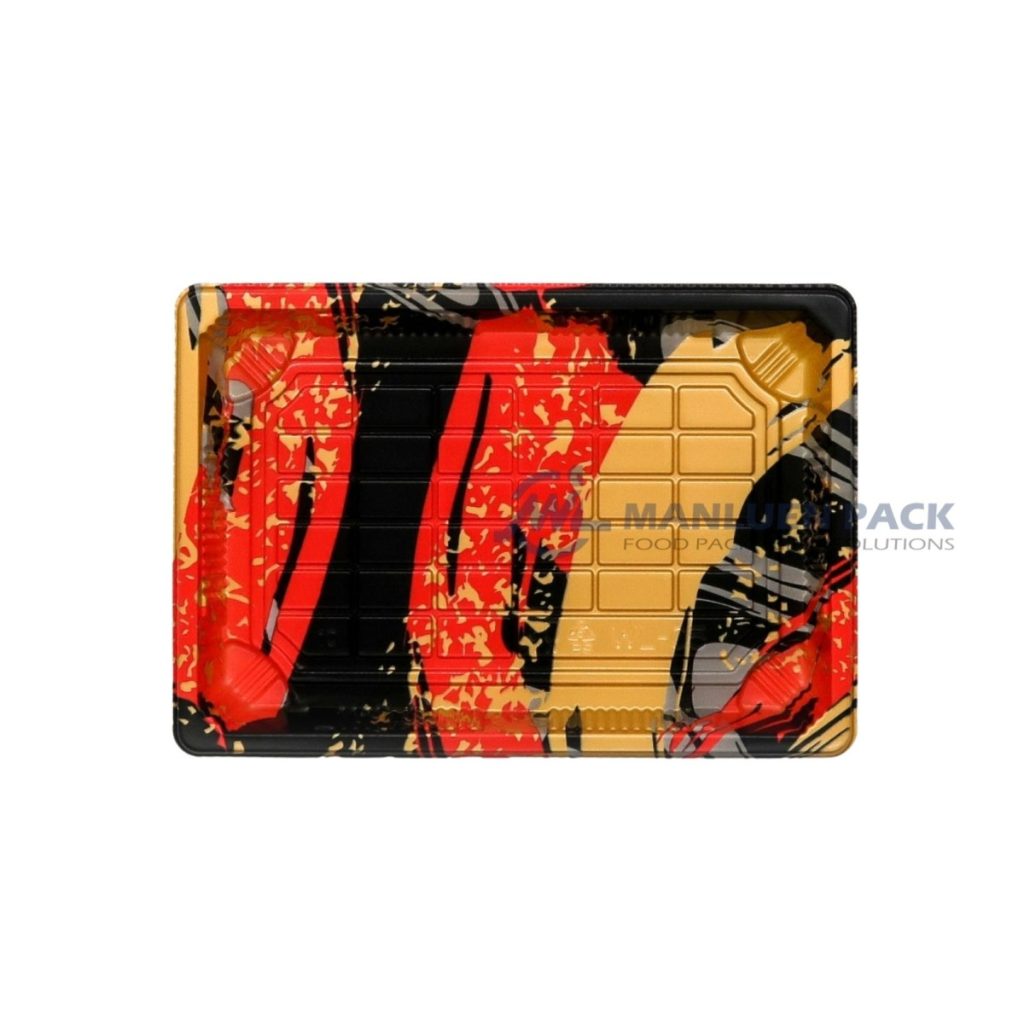
When you run a restaurant, you want trays that look good and work well. Most restaurants use trays with smooth black finishes and colorful prints. These trays make sushi look more delicious and help your food stand out. Clear lids let your customers see the sushi before they open the box. Rounded corners and tight seals keep sushi fresh and prevent leaks.
Popular choices include:
Plastic trays for their durability and clear lids.
Compostable trays for eco-friendly service.
Takeout and Delivery
For takeout and delivery, you need trays that protect sushi during transport. Look for sturdy, grease-resistant materials. Snap-on lids make packing fast and easy. Compact tray sizes save space and help the environment. Clear lids let customers check their order without opening the box.
Key features to look for:
Leak-resistant and durable construction.
Multiple sizes for different orders.
Compostable options like bagasse or PLA for eco-conscious customers.
A sushi container tray with a tight seal keeps sushi fresh until it reaches your customer. Custom branding on trays can also help people remember your restaurant.
ホーム
At home, you want trays that are simple and practical. Choose a size that fits your fridge and the amount of sushi you make. Reusable plastic trays work well for family dinners. Paper or bamboo trays add a special touch for parties or celebrations.
You can use trays with compartments to keep different sushi types apart. If you store sushi overnight, place a damp paper towel over the sushi before sealing the tray. This keeps the rice soft and tasty.
Choosing the right tray keeps your sushi fresh, safe, and visually appealing. Studies show that material, size, and sealability all help prevent contamination and boost customer satisfaction.
Eco-friendly trays improve your brand’s reputation and attract loyal, green-minded customers.
Features like clear lids and airtight seals protect sushi during transport and display.
You can upgrade your trays to sturdy, stylish options with custom branding. This simple change builds trust, increases sales, and makes your restaurant stand out.
FAQ
What is the best way to keep sushi fresh in a container tray?
You should use a tray with a tight seal. Place a damp paper towel over the sushi before closing the lid. This keeps the rice moist and prevents drying.
Can I reuse sushi trays at home?
Yes, you can reuse many plastic or bamboo trays. Wash them with warm, soapy water. Check for cracks or stains before each use. Avoid reusing trays that look damaged.
Are compostable sushi trays safe for food?
Compostable trays made from bamboo, bagasse, or bioplastic are food safe. Look for trays with FDA or food-grade certifications. These trays do not contain harmful chemicals.
How do I choose the right tray size for my sushi?
Match the tray size to the number and type of sushi pieces. Use small trays for single servings. Pick larger trays for parties or family meals. This keeps sushi from moving and helps with presentation.
What should I do with used sushi trays?
Recycle plastic trays if your local center accepts them.
Compost bamboo, bagasse, or paper trays if possible.
Throw away trays that cannot be recycled or composted.
お問い合わせ方法
電話番号:+86-17328007523
メール:info@manluenpack.com
よくある質問
WL-05食品容器は電子レンジ対応ですか?
はい。この製品は食品グレードのPP(ポリプロピレン)で作られており、120°Cまでの電子レンジ使用が可能です。 FDA 21 CFR 177 および EU規則 10/2011 食品接触基準。.
WL-0.6の卸売の最小注文数量は何ですか?
標準構成は5,000〜10,000個のMOQから始まります。カスタム印刷やカスタム金型の工具はより高い最低注文数が必要な場合があります。次のために サンプルとカスタマイズされた見積もりをリクエストする, 仕様(素材、寸法、数量、ターゲット市場)をManLuenチームに送信してください。.
WL-0.6コンテナはFDAおよびEUの食品接触規制を満たしていますか?
はい。ManLuenは、そのPP食品接触容器の最新のFDA 21 CFRおよびEU 10/2011の移行試験報告書を公開しています。全リストは 認証ページ をご覧ください、または 特定のSKUの試験報告書をリクエストしてください。.

マンルエンプラスチック包装有限公司は、20年以上にわたりプラスチック食品包装の製造を専門としています。当社の製品は、100%のバージン素材とBPAフリーのPP、PS、OPSを使用し、FDAおよびヨーロッパ基準に準拠しています。
 JA
JA  EN
EN  ZH
ZH  FR
FR  PT
PT  ES
ES  KO
KO