
What Are the Three Types of Food Packaging? The Quick Answer
Food packaging is commonly divided into three levels based on where each layer sits in the product and supply chain:
Primary packaging: the package that directly contains or contacts the food, such as a sushi tray, bottle, pouch, can, cup, or takeaway container.
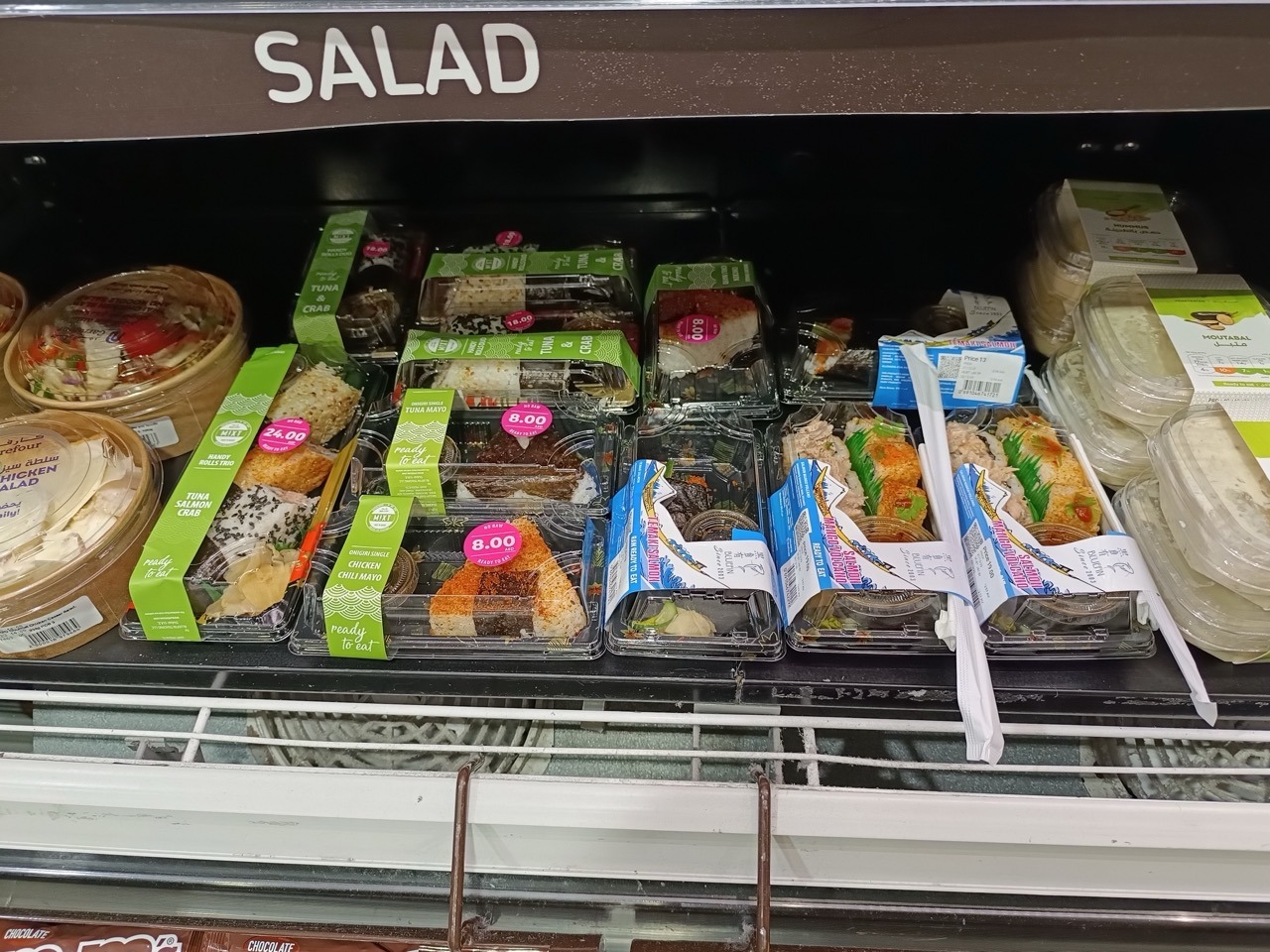
Secondary packaging: the package that groups primary packages for retail display, inventory management, handling, or distribution, such as a printed carton, tray, sleeve, or case.

Tertiary packaging: the logistics layer used to combine and transport larger loads, such as pallets, stretch film, slip sheets, straps, and edge protectors.
| Packaging Level | Main Function | Typical Food Examples | Main Buyer Concern |
|---|---|---|---|
| Primary | Contains and protects the food | Sushi tray, bottle, jar, pouch, can, cup, clamshell | Food contact, shelf life, sealing, use conditions, labeling |
| Secondary | Groups primary packages | Retail carton, multipack sleeve, display tray, corrugated case | Compression, branding, barcodes, shelf-ready handling |
| Tertiary | Creates transport and warehouse unit loads | Pallet, stretch wrap, straps, slip sheet, transport crate | Load stability, freight efficiency, warehouse compatibility |
The same physical item can belong to different levels depending on how it is used. A paperboard box that directly holds dry pasta is primary packaging. A similar box that groups six individually wrapped products is secondary packaging. Classification is based on function, not material alone.
Why the Three Packaging Levels Matter
Primary, secondary, and tertiary packaging work as one system. A weakness at any level can damage the food, interrupt handling, increase waste, or raise total delivered cost.
If a primary tray leaks, the problem may affect food safety, product quality, and consumer acceptance. If a secondary case collapses, intact primary packages may still be crushed or rejected. If the tertiary load shifts during transportation, entire pallets can arrive damaged even when the trays and cases passed their individual tests.
The three-level model helps businesses assign the right questions to the right layer:
- Primary: Will the package safely contain this food under the intended temperature, time, and use conditions?
- Secondary: Will the case or carton group, identify, display, and protect the required number of consumer units?
- Tertiary: Will the complete load survive stacking, storage, handling equipment, transport, and distribution?
It also prevents a common sourcing mistake: optimizing unit price at one level while increasing cost elsewhere. A thinner primary container may save material but require stronger secondary cases. A poorly sized case may reduce pallet utilization and increase freight. A heavier tertiary system may reduce damage but raise shipping weight. Buyers should evaluate total system performance rather than purchasing each layer in isolation.
Type 1: Primary Food Packaging
Primary packaging is the layer that contains the food and is normally in direct contact with it. It protects the product from contamination, leakage, moisture, oxygen, light, impact, and other hazards relevant to the food and its distribution system.
It is also the package the consumer most often opens, pours from, reheats, or eats from. Consequently, primary packaging must balance food-contact suitability, barrier performance, closure integrity, convenience, presentation, and end-of-life considerations.
Examples of primary food packaging
Common examples include:
- Sushi trays and fitted lids
- Takeaway clamshells y cajas bento
- Deli tubs and salad containers
- Beverage bottles, cartons, and cans
- Sauce cups, jars, and closures
- Flexible pouches and vacuum bags
- Lidding films and sealed ready-meal trays
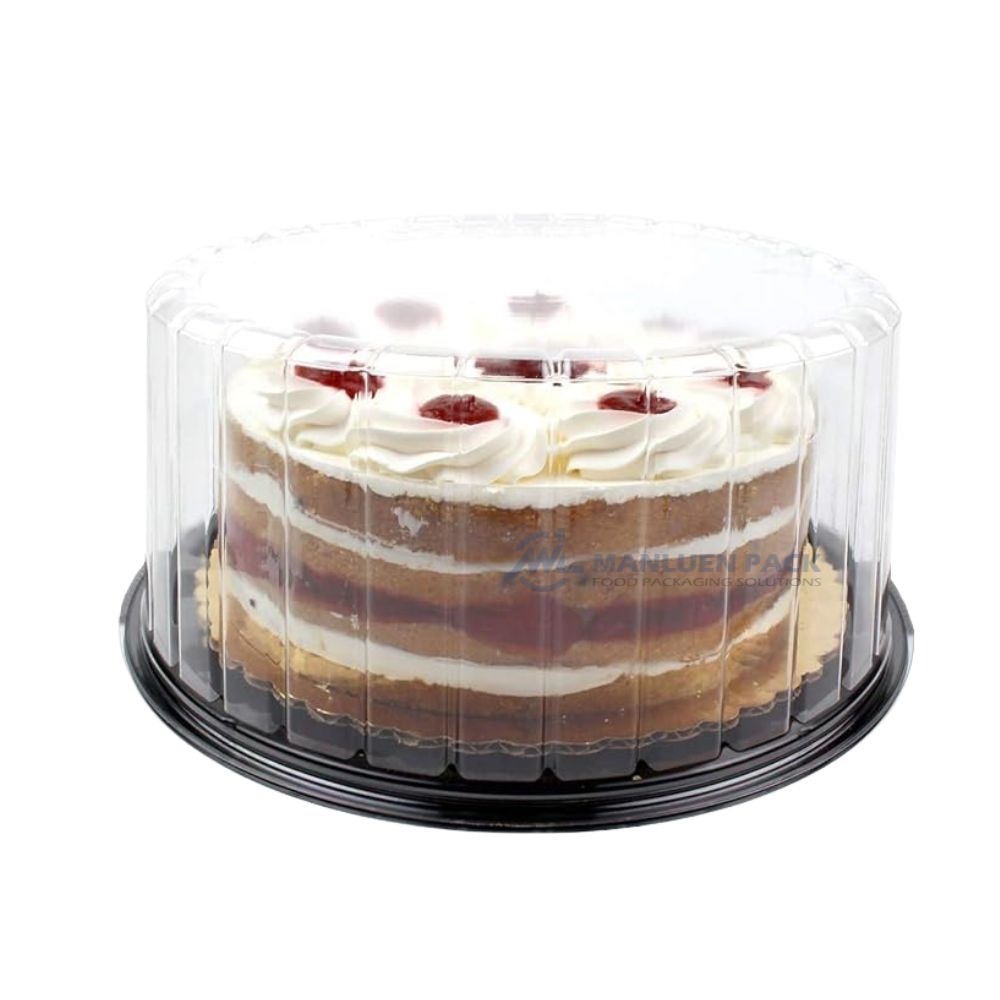
- Bakery boxes that directly contain cakes or pastries
- Aluminum trays and metal cans
- Bagazo bowls, plates, and hinged containers
A label, coating, adhesive, printing ink, liner, or seal can also become relevant to primary-package compliance when it is part of the food-contact system or when transfer to food is reasonably foreseeable.
What primary packaging must do
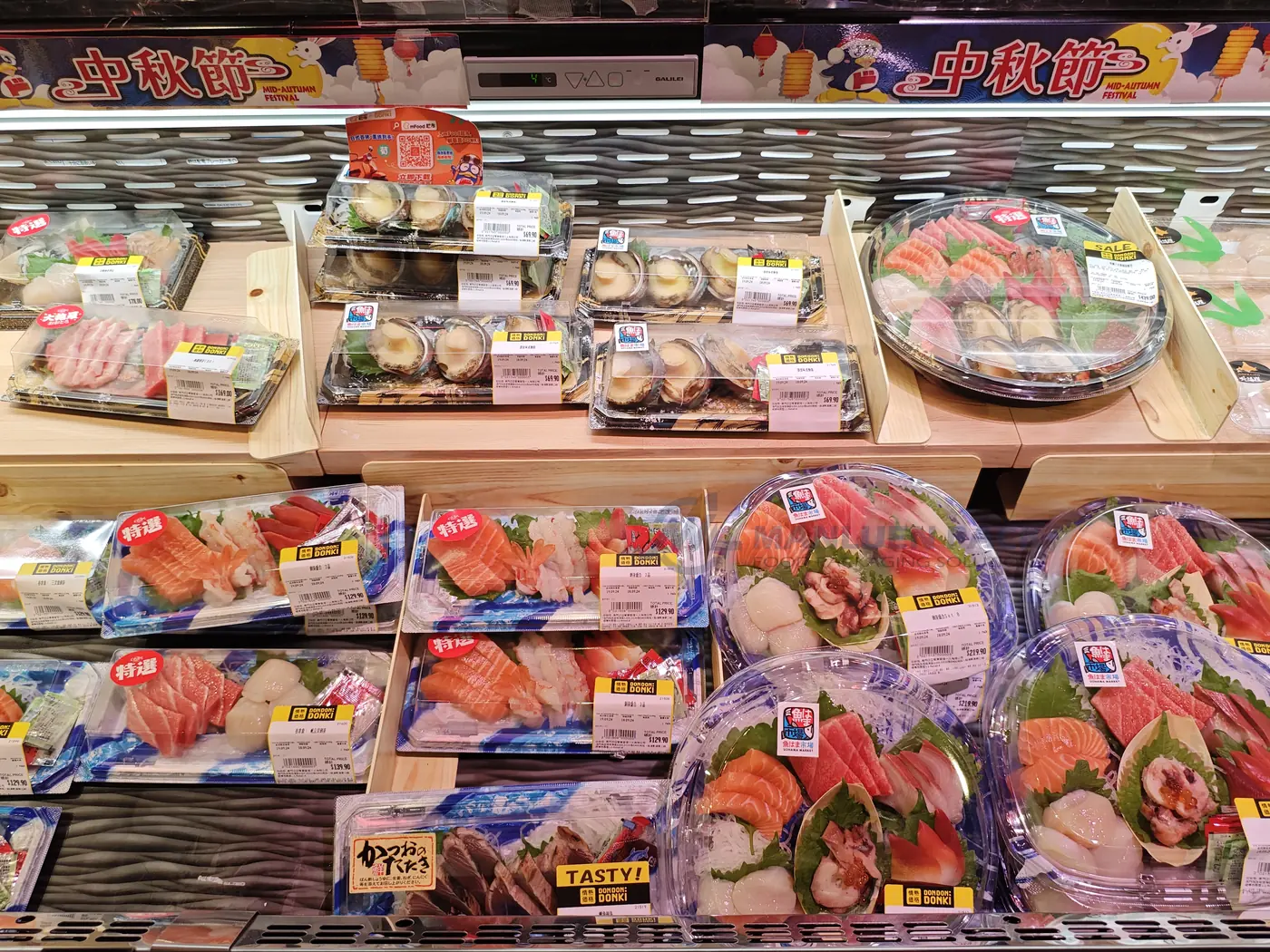
The required performance depends on the food. Chilled sushi packaging may prioritize clarity, closure security, condensation control, and stable presentation. A microwaveable meal tray needs heat resistance and a compatible lid or film. A fatty sauce can challenge plastics, coatings, seals, and adhesives differently from a dry snack.
Before choosing a primary package, document:
- Food type, fat content, acidity, moisture, and aroma
- Fill, storage, transport, and serving temperatures
- Required shelf life and barrier performance
- Leak, seal, and tamper-evidence requirements
- Microwave, oven, freezer, or hot-fill use
- Consumer visibility and opening experience
- Applicable food-contact and labeling requirements
- Target-market recycling or composting infrastructure
US food-contact regulation at the primary level
FDA regulates food-contact substances according to their identity, intended use, migration or expected migration, and regulatory basis. A finished package should not be described merely as “FDA approved” without explaining the basis for each relevant component and condition of use.
Potential US regulatory bases can include an applicable provision in 21 CFR Parts 174–179, an effective Food Contact Notification, a prior sanction, a Threshold of Regulation exemption under 21 CFR § 170.39, an applicable GRAS basis, or another legally valid pathway.
An important correction for overseas suppliers is that 21 CFR § 170.39 is the Threshold of Regulation process; it is not the FCN program itself. FDA also states that an FCN is generally specific to the notifying manufacturer or supplier and the intended use described in that notification.
Food-contact packaging manufacturers should not confuse food-contact compliance with food-facility registration. FDA guidance explains that facilities manufacturing, processing, packing, or holding only food-contact substances—including food packaging and container closures—are generally not required to register as food facilities on that basis. The food or beverage manufacturer may have separate registration obligations.
Labeling on the primary package
Under 21 CFR § 101.9, required nutrition information for food sold in package form must generally appear on the label unless an exemption or special provision applies. This does not mean every inner primary container must always carry a complete Nutrition Facts panel.
For example, unit containers securely enclosed in a multiunit retail package may qualify for specific treatment when the outer package contains the required information and the inner units are not intended for separate retail sale. Restaurants, immediate-consumption foods, small businesses, and other categories may also fall under exemptions or special requirements. Packaging buyers should confirm the labeling plan with the responsible food company and regulatory specialist.
Type 2: Secondary Food Packaging
Secondary packaging groups one or more primary packages into a larger handling, display, inventory, or sales unit. It normally does not contact the food, although the classification depends on the actual design.
Examples include:
- A printed paperboard carton containing individually wrapped snack bars
- A corrugated case containing multiple sushi trays or takeaway containers
- A shelf-ready tray holding cups, bottles, or pouches
- A paperboard sleeve surrounding several yogurt cups
- A shrink bundle grouping bottles or cans
- A branded carton containing a sealed pouch or inner tray

What secondary packaging does
Secondary packaging commonly provides four functions.
Grouping and counting: It creates a defined case quantity so distributors, warehouses, and retailers can order, count, store, and replenish products efficiently.
Protection: Corrugated cases, partitions, sleeves, and trays help protect primary packages from compression, impact, abrasion, puncture, and movement.
Retail display: Shelf-ready or retail-ready packaging can move from distribution case to shelf with minimal repacking. It may carry branding, product identification, barcodes, opening instructions, and merchandising information.
Traceability and handling: Secondary cases may carry lot codes, date information, case-level GTINs, country-of-origin details, storage conditions, quantity, gross weight, and orientation marks according to the product and market.
Secondary packaging design questions
Buyers should define:
- Number and orientation of primary packs per case
- Inside dimensions and acceptable product movement
- Board grade, flute, compression strength, and moisture conditions
- Case-erecting, packing, sealing, and opening methods
- Retail-ready features and shelf dimensions
- Barcode location and scan performance
- Cold-chain humidity or condensation exposure
- Case stacking pattern and pallet footprint
Secondary packaging should be tested with the actual primary units. Empty-case tests cannot reveal whether lids scuff, trays nest incorrectly, bottles collide, films puncture, or decorated surfaces abrade during distribution.
Type 3: Tertiary Food Packaging
Tertiary packaging is the outer logistics layer used to combine secondary packages into loads that can move through warehouses, ports, distribution centers, and transportation networks. Consumers rarely see it.
Common examples include:
- Wooden, plastic, or paper-based pallets
- Stretch film or shrink film around pallet loads
- Strapping and bands
- Corner boards and edge protectors
- Slip sheets and tier sheets
- Reusable crates, bulk bins, and transport containers
- Load labels and logistics identification

What tertiary packaging does
The tertiary system stabilizes the load, enables mechanical handling, reduces movement, protects against compression, and helps maintain unit-load integrity through distribution.
For international shipments, the system may need to tolerate container loading, port handling, vibration, temperature and humidity changes, customs inspection, storage, and transfer between multiple transport modes. For refrigerated or frozen food, tertiary design must also avoid obstructing required airflow or damaging temperature-sensitive primary packages.
Tertiary packaging design questions
Important inputs include:
- Pallet dimensions and target-market handling standards
- Case count, layer pattern, load height, and total weight
- Warehouse rack, conveyor, forklift, and pallet-jack compatibility
- Dynamic and static compression requirements
- Stretch-film containment force and puncture resistance
- Temperature, humidity, vibration, and transport duration
- Maximum product overhang or underhang
- Returnable, reusable, recyclable, or disposable logistics options
Tertiary packaging should be approved through unit-load testing, not by evaluating the pallet and film separately. A strong pallet cannot compensate for weak cases, and excessive stretch-film force can crush lightweight primary containers through the secondary case.
Primary vs Secondary vs Tertiary Packaging
The three levels differ primarily in proximity to the food and supply-chain function.
| Comparison | Primary Packaging | Secondary Packaging | Tertiary Packaging |
|---|---|---|---|
| Food contact | Usually direct | Usually indirect or none | Normally none |
| Main role | Contain and protect food | Group, display, and handle primary units | Move and stabilize bulk loads |
| Consumer interaction | Frequent | Sometimes | Rare |
| Typical example | Sushi tray and lid | Corrugated case of sushi packs | Stretch-wrapped pallet of cases |
| Main compliance focus | Food-contact suitability, labeling, product protection | Marking, retail requirements, packaging reporting, handling | Transport, load, pallet, and logistics requirements |
| Typical tests | Migration, seal, leak, barrier, shelf life, use testing | Compression, drop, vibration, barcode, display testing | Unit-load stability, transport simulation, stretch and pallet testing |
Some products use only one or two visible layers. A takeaway meal may go directly from a primary container into an order-level delivery bag. A bulk ingredient may use an inner liner and a heavy-duty transport sack. The framework remains useful as long as each component is classified by its actual job.
Food Packaging Levels and Material Types Are Different
Primary, secondary, and tertiary describe where packaging functions in the supply chain. Plastic, paper, metal, glass, wood, and molded fiber describe what the package is made from.
Any level may use more than one material:
- A PET tray may be primary packaging.
- A PET or PE shrink bundle may be secondary packaging.
- PE stretch film may be tertiary packaging.
- A paperboard bakery box may be primary packaging when it directly contains the food.
- A corrugated paperboard case may be secondary packaging.
- A corrugated pallet box may be tertiary packaging.
This is why the question “What are the different types of food packaging?” can have two correct answers. By supply-chain level, the answer is primary, secondary, and tertiary. By material or format, the answer includes plastics, paper, metal, glass, films, pouches, trays, bottles, cans, cartons, and many other systems.
Common Food Packaging Materials
Materials should be selected according to the food, temperature, shelf life, processing, distribution, regulatory basis, and end-of-life system.
| Material Family | Common Food Uses | Main Advantages | Main Limitations to Check |
|---|---|---|---|
| Rigid plastics | Sushi trays, bento boxes, deli tubs, cake domes, bottles | Lightweight, formable, clear or heat-resistant options | Temperature limits, migration, regional restrictions, recycling access |
| Flexible plastics and laminates | Pouches, lidding films, bags, wraps, vacuum packs | Low package weight and tailored barrier performance | Sealability, puncture, multilayer recycling, ink and adhesive compatibility |
| Paper and paperboard | Dry foods, bakery packs, sleeves, cartons, cases | Printability, stiffness, renewable-fiber options, established recovery | Moisture and grease performance, coatings, food contamination, fiber quality |
| Molded fiber and bagasse | Takeaway boxes, bowls, plates, trays | Plant-fiber appearance and certified compostable options | PFAS status, grease resistance, certification, local composting access |
| Metal | Cans, foil trays, lids, closures | Strong barrier and high-temperature processing options | Cost, dents, coatings, microwave restrictions, material compatibility |
| Glass | Sauces, beverages, preserves, baby food | Strong barrier, premium appearance, reuse and recycling potential | Weight, breakage, protective secondary packaging, transport emissions |
| Wood | Pallets, crates, some specialty food packs | Structural strength, repairability, reuse potential | Moisture, splinters, sanitation, phytosanitary requirements |
Grand View Research reports that plastics represented more than 39% of the overall food packaging market in 2025. Future Market Insights separately estimates that plastics accounted for 47.2% of the confectionery packaging market in 2025, while supermarkets and hypermarkets represented 44.8% of that market’s distribution channels. These figures describe different markets and methodologies, so they should not be treated as directly interchangeable.
They do, however, illustrate why packaging choice depends on the food category. Candy often uses flow wraps, pouches, trays, and decorative secondary cartons. Sushi, bento meals, and cakes depend more heavily on rigid presentation, closure fit, stackability, and refrigerated or short-shelf-life performance.
Rigid vs Flexible Food Packaging
Rigid and flexible describe package structure, not the primary-secondary-tertiary hierarchy. Either structure can appear at more than one level.
Rigid packaging
Rigid packaging largely retains its shape when empty. Examples include bottles, jars, cans, trays, tubs, bowls, clamshells, and corrugated cases.
Advantages can include:
- Structural protection and stackability
- Product presentation and clear display
- Reliable portion geometry
- Compatibility with fitted lids and closures
- Resistance to crushing for sensitive foods
Limitations can include higher empty-package volume, more storage space, and greater material use than some flexible alternatives.
Flexible packaging
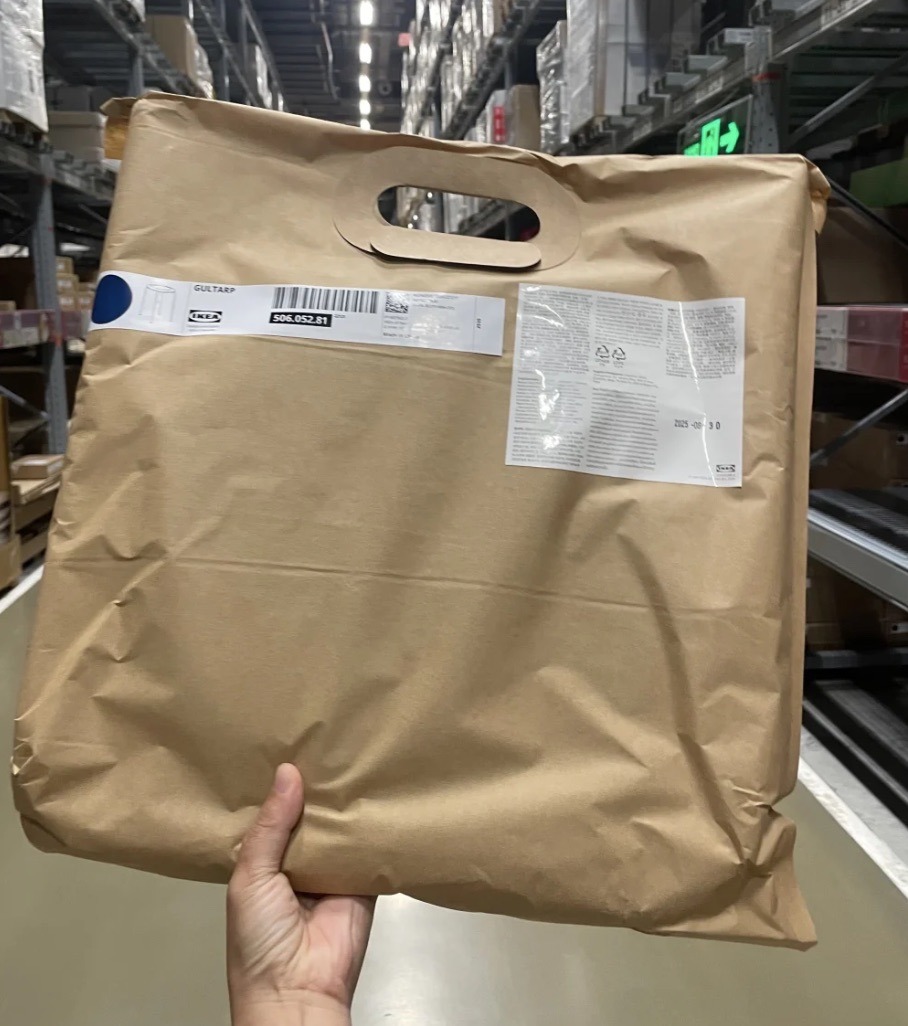
Flexible packaging changes shape easily and includes pouches, sachets, wraps, bags, lidding films, rollstock, and pallet stretch film.
Grand View Research valued the global flexible packaging market at USD 293.9 billion in 2025 and projects it to reach USD 440.9 billion by 2033, a forecast CAGR of 5.3% from 2026 to 2033. Its report estimates that plastics held 69% of flexible-packaging material revenue in 2025 and that food and beverages represented 55% of applications.
Flexible packaging can reduce package weight, provide efficient barrier structures, and improve transport efficiency. However, multilayer structures, coatings, inks, and adhesives may make collection and recycling more difficult. It can also require specialized filling and sealing equipment.
Hybrid systems
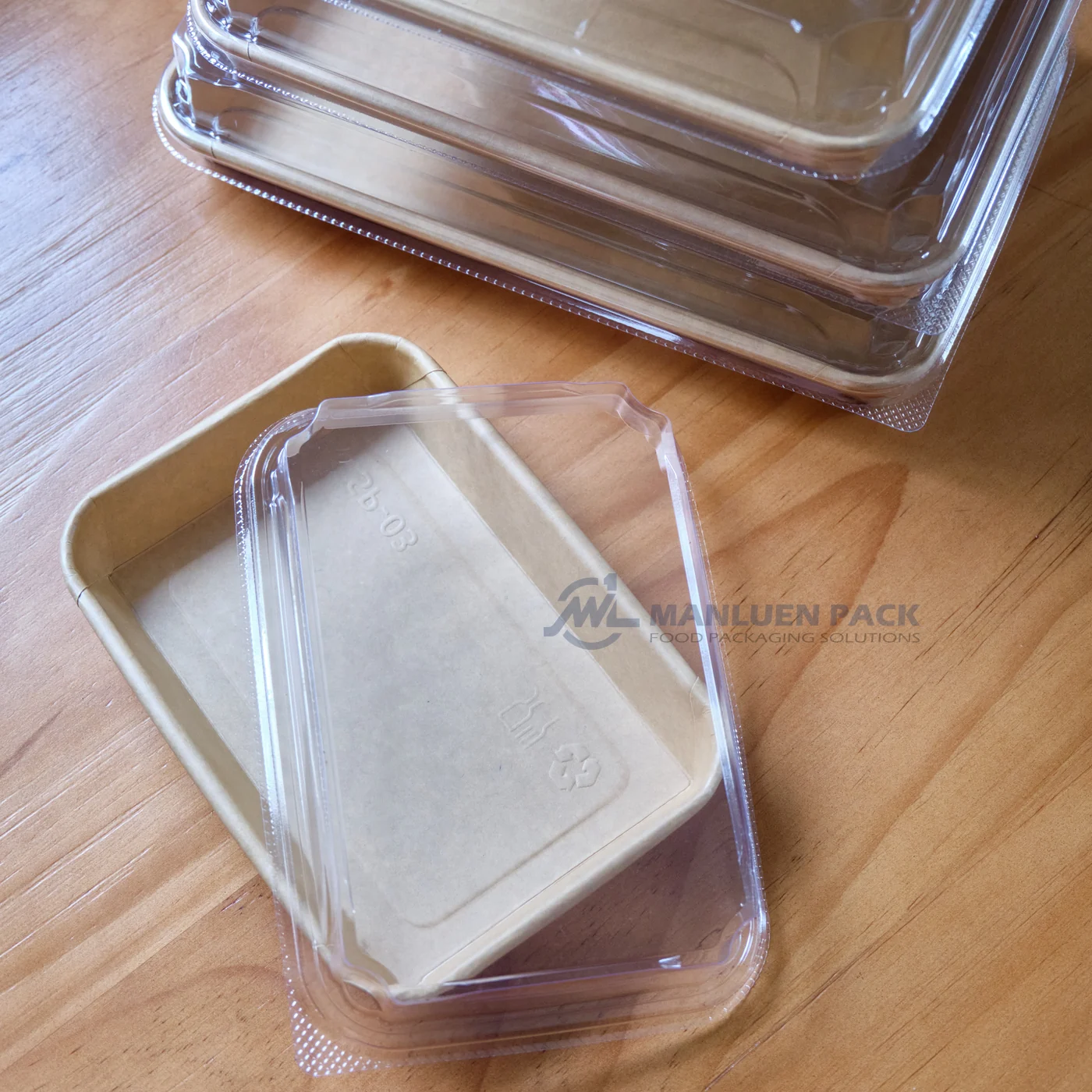
Many foods use a rigid base with a flexible lid. A ready-meal tray with peelable lidding film combines structure, stackability, barrier performance, and visible product access. A sushi tray may combine a rigid base with a clear rigid lid. These systems should be evaluated as complete packages rather than as unrelated components.
How Different Foods Use the Three Packaging Levels
The following examples show how the hierarchy changes by product.
| Food Product | Primary Packaging | Secondary Packaging | Tertiary Packaging |
|---|---|---|---|
| Sushi | Tray, lid, film, label | Corrugated case or reusable tote | Pallet, stretch film, corner protection |
| Bento meal | PP tray, compartments, lid or lidding film | Case with dividers or stacked trays | Cold-chain pallet load |
| Cake | Base, dome, board, direct-contact box | Outer case or bakery transport carton | Pallet, rack, crate, or protected transport load |
| Candy | Individual wrap, pouch, or tray | Printed carton or retail display case | Palletized corrugated cases |
| Sauce | Bottle or jar, cap, liner, label | Partitioned corrugated case | Stretch-wrapped pallet with edge protection |
| Frozen ready meal | Tray, film, sleeve, or carton as applicable | Freezer-grade corrugated case | Frozen-distribution pallet load |
The package map should reflect what actually contacts the food, what is sold to the consumer, what is grouped for the retailer, and what moves through logistics. A decorative sleeve may be secondary in one design but part of the consumer sales package in another.
How Food Companies Choose the Right Packaging System
Packaging selection should begin with the food and end with the complete unit load.
1. Define the food and use conditions
Document food type, fill temperature, storage temperature, shelf life, moisture, oil, acidity, oxygen sensitivity, light sensitivity, and required preparation or reheating. This determines the primary package’s material, barrier, seal, and geometry.
2. Define the consumer and retail experience
Consider visibility, opening, reclosure, tamper evidence, portion size, label space, serving, microwave or oven use, and disposal. Retail dimensions and shelf-ready requirements affect both primary and secondary packaging.
3. Define the distribution route
Map every handoff: filling line, case packing, warehouse, refrigerated storage, distributor, retailer, delivery platform, and consumer. Include transport duration, temperature, humidity, vibration, drops, compression, and stacking.
4. Design all three levels together
Choose case count, orientation, dividers, pallet pattern, load height, film, and containment force around the primary package’s real dimensions and strength. Optimizing pallet and case utilization can reduce freight and damage without changing the food-contact package.
5. Verify regulatory and customer requirements
Confirm the regulatory basis for food-contact components, nutrition and other food-labeling responsibilities, retailer specifications, target-market material restrictions, packaging EPR obligations, recycled-content rules, and required documentation.
6. Test the complete system
Testing may include migration, sensory, NIAS screening, seal integrity, leak, shelf life, compression, drop, vibration, transport simulation, barcode verification, pallet stability, and climatic conditioning. The exact program depends on the material, food, market, and risk; not every test is legally mandatory for every package.
Intertek describes food-contact testing services for plastics, ceramics, paper, board, rubber, silicone, equipment, and other materials, including overall migration, specific migration, sensory evaluation, and NIAS screening. Buyers can use third-party laboratories when independent evidence is necessary, but the test plan should be tied to applicable requirements and realistic conditions of use.
2026 Food Packaging Compliance Developments
Packaging rules are changing, but effective dates must be stated accurately.
EU PPWR generally applies from August 12, 2026
Regulation (EU) 2025/40 on packaging and packaging waste entered into force on February 11, 2025 and generally applies from August 12, 2026. It applies to packaging placed on the EU market across primary, secondary, and tertiary levels.
However, not every major obligation begins in August 2026. The regulation’s design-for-recycling performance grades and most minimum post-consumer recycled-content targets for plastic packaging are primarily linked to 2030, with later requirements following in 2035, 2038, and 2040.
Examples include:
- From 2030, packaging generally must meet specified recyclability performance grades, subject to the regulation’s detailed timing and exceptions.
- From 2030, specified plastic packaging categories must meet minimum recycled-content percentages, calculated under the regulation’s rules.
- From August 12, 2026, food-contact packaging containing PFAS at or above the PPWR thresholds may not be placed on the EU market, subject to the regulation’s terms.
- Certain single-use packaging restrictions apply from 2030, not automatically from the general 2026 application date.
EU-bound buyers should map every packaging component to its applicable article, category, exemption, delegated act, implementing act, and effective date rather than relying on a one-line “PPWR compliant” statement.
US state packaging laws vary
US extended producer responsibility laws, recycled-content requirements, labeling rules, and PFAS restrictions vary by state, material, product, and effective date. A package accepted in one state may face additional reporting, fees, substance restrictions, or labeling limitations in another.
Supplier agreements should identify the states of sale, allocate responsibility for compliance data, and require notification before materials, coatings, inks, barriers, or suppliers change. A generic “PFAS-free” or “recyclable” statement should be supported by a defined scope, test method or declaration basis, and target-market interpretation.
Recycled content and food-contact compliance must be evaluated together
Recycled content is not automatically unsuitable for food contact, and virgin material is not automatically safer or more compliant. The regulatory basis, recycling process, input controls, contaminant management, intended food, temperature, and use conditions determine suitability.
Buyers should request documentation for the actual grade and recycled-content level rather than imposing an unsupported universal requirement for 100% virgin resin.
Preguntas frecuentes
What are the three main types of food packaging?
The three main levels are primary, secondary, and tertiary packaging. Primary packaging contains or directly contacts the food. Secondary packaging groups primary units. Tertiary packaging combines larger quantities for transportation and warehouse handling.
What are the different types of food packaging?
Food packaging can be classified in several ways. By supply-chain level, the types are primary, secondary, and tertiary. By material, they include plastic, paper, paperboard, molded fiber, metal, glass, and wood. By format, they include trays, pouches, bottles, cans, cartons, cups, clamshells, films, cases, and pallets.
What is primary food packaging?
Primary food packaging is the layer that contains and usually directly contacts the food. Examples include sushi trays, takeaway containers, bottles, jars, cans, pouches, cups, and lidding films.
Is a cardboard box primary or secondary packaging?
It depends on its function. A box directly containing cereal, pasta, cake, or another food can be primary packaging. A box grouping several individually packaged products is secondary packaging. A heavy corrugated box used as the outer transport unit may function as tertiary packaging in some distribution systems.
Are food containers primary packaging?
Yes, when they directly contain and protect the food. Sushi trays, deli tubs, ready-meal trays, takeaway boxes, and sauce cups are common examples.
Is a pallet tertiary packaging?
Yes. A pallet, together with stretch film, straps, edge protection, and other load-stabilization components, normally forms part of the tertiary packaging system.
What is the difference between rigid and flexible packaging?
Rigid packaging largely retains its shape, such as a bottle, tray, tub, can, or clamshell. Flexible packaging changes shape easily, such as a pouch, bag, wrap, or lidding film. Rigid and flexible are structural categories and should not be confused with the primary-secondary-tertiary hierarchy.
Is plastic food packaging safe?
Plastic food packaging can be suitable when every relevant component has a valid regulatory basis for the intended food and conditions of use and when the finished system is manufactured and tested appropriately. Resin name, virgin content, a recycling code, or a generic FDA statement alone does not establish suitability.
What is the difference between recyclable and compostable packaging?
Recyclable packaging is intended to be collected, sorted, processed, and converted into secondary material within an applicable recycling system. Compostable packaging is designed to biodegrade under specified composting conditions and should be supported by an applicable certification. Neither claim guarantees that the necessary local collection or processing infrastructure exists.
Which type of food packaging is most sustainable?
There is no universal winner. The best option depends on product protection, food waste, material and energy use, transport, reuse, collection, recycling or composting access, and local regulation. Sustainability should be assessed across the complete primary, secondary, and tertiary system.
Conclusion
The three types of food packaging—primary, secondary, and tertiary—form a supply-chain hierarchy.
Primary packaging contains and protects the food. Secondary packaging groups primary units for sale, display, storage, and handling. Tertiary packaging creates stable loads for warehousing and transportation. Plastic, paper, metal, glass, fiber, rigid, and flexible packaging are separate material or structural classifications that can appear at any of these levels.
For food packaging buyers, the most reliable approach is to define the food and conditions of use first, select a valid food-contact system, build the secondary case around the real primary package, and validate the complete tertiary load through the actual distribution route.
In 2026, buyers should also separate immediate regulatory requirements from later deadlines. EU PPWR generally applies from August 12, 2026, but major recyclability-grade and recycled-content obligations follow their own timelines, especially from 2030 onward. US food-contact requirements, state packaging laws, labeling responsibilities, and customer specifications must also be checked for the actual market.
For customized sushi trays, takeaway containers, bento boxes, cake packaging, bowls, lids, and other foodservice packaging, buyers can provide Manluen with the food type, use temperature, target market, case quantity, distribution route, and required documentation. Production-representative samples and a filled-package trial should be completed before commercial approval.
References
U.S. Food and Drug Administration (FDA). Understanding How FDA Regulates Substances that Come into Contact with Food.
Used for the US food-contact regulatory pathways, manufacturer-specific nature of Food Contact Notifications, and Threshold of Regulation explanation.
U.S. Food and Drug Administration
U.S. Food and Drug Administration (FDA). Packaging & Food Contact Substances.
Used for the Food Contact Substance Notification program and FDA food-contact information relevant to primary packaging components.
U.S. Food and Drug Administration
U.S. Food and Drug Administration (FDA). Questions and Answers Regarding Food Facility Registration.
Used to clarify that facilities handling only food-contact substances, including packaging and closures, generally are not required to register as food facilities on that basis.
U.S. Food and Drug Administration
Cornell Legal Information Institute. 21 CFR § 101.9: Nutrition Labeling of Food.
Used for nutrition-labeling requirements for food in package form and the exemptions or special provisions that prevent the rule from being oversimplified.
Cornell Legal Information Institute
Grand View Research. Food Packaging Market Size to Reach USD 598.98 Billion by 2033.
Used for the 2025 market estimate, 2033 forecast, forecast CAGR, and material-share context in the introduction and material section.
Grand View Research
Grand View Research. Flexible Packaging Market Size, Share & Trends.
Used for the 2025 and 2033 flexible-packaging market values, forecast CAGR, plastic material share, and food-and-beverage application share.
Grand View Research
Future Market Insights. Confectionery Packaging Market Size and Share Forecast, 2025–2035.
Used for the 2025 confectionery packaging material and distribution-channel estimates and the comparison between confectionery and prepared-food packaging needs.
Future Market Insights
Intertek. Food Contact Materials Testing & Food Packaging Analysis.
Used for examples of overall migration, specific migration, sensory, NIAS, and material-specific testing services; testing needs remain application- and jurisdiction-specific.
Intertek
European Union. Regulation (EU) 2025/40 on Packaging and Packaging Waste.
Used for the PPWR scope, general application date, PFAS thresholds, recyclability performance grades, recycled-content targets, and staged implementation dates.
EUR-Lex
European Commission. Packaging Waste.
Used as the official Commission overview confirming that Regulation (EU) 2025/40 entered into force on February 11, 2025 and generally applies from August 12, 2026.
European Commission
U.S. Environmental Protection Agency (EPA). Containers and Packaging: Product-Specific Data.
Used as a US environmental-data reference for packaging materials and municipal waste management context.
U.S. Environmental Protection Agency
Biodegradable Products Institute (BPI). Compostable Certification.
Used for third-party certification context when evaluating compostable food packaging and the distinction between a material claim and an applicable certification.
Biodegradable Products Institute

ManLuen Plastic Packaging Company, especializada en la producción de embalaje de alimentos de plástico durante más de 20 años. Nuestros productos están hechos de PP virgen y libre de BPA, cumpliendo con las normas de la FDA y europeas.
 ES
ES  EN
EN  ZH
ZH  FR
FR  PT
PT  KO
KO  JA
JA